




Menu

Short Cycling in Seattle – Stop the Damage Before Your System Fails

When your HVAC system kicks on and off every few minutes, you are burning money and stressing critical components. Peak HVAC Seattle diagnoses short cycling at the root and fixes it permanently.

Slider Image 1
Slider Image 2
Slider Image 3
Slider Image 4
Slider Image 5
Slider Image 7
Slider Image 8
Slider Image 9
Slider Image 10
Slider Image 11

Why Your HVAC System Keeps Turning On and Off in Seattle Homes

You hear the familiar hum of your furnace or air conditioner starting up. Seconds later, it shuts down. Then it fires up again. This is short cycling, and it is more than annoying. It is a warning sign.

HVAC rapid cycling happens when your system cannot complete a full heating or cooling cycle. Instead of running for 10 to 15 minutes, it kicks on and off every two or three minutes. The problem is not just the noise. Your compressor, blower motor, and capacitor are working overtime. These components were not built for constant starts and stops. Every rapid cycle shortens their lifespan.

Seattle's marine climate plays a role here. Our mild winters and moderate summers mean HVAC systems often run at partial load. When thermostats are oversized or air filters clog with damp Pacific Northwest dust, your furnace or air conditioner can short cycle. Add in older homes with poor insulation or duct leaks common in Ballard, Fremont, and Green Lake, and the problem worsens.

When your AC turns on and off repeatedly, it cannot dehumidify properly. You feel clammy. Your energy bill spikes because the startup phase is the most power-hungry moment for any system. When your furnace short cycles, you get uneven heat distribution. Some rooms stay cold while others overheat.

Short cycling is not a quirk. It is a signal that something in your HVAC system is wrong. The sooner you address it, the less you pay in repairs and replacement parts.

Why Your HVAC System Keeps Turning On and Off in Seattle Homes
How Peak HVAC Seattle Stops Your System From Kicking On and Off

How Peak HVAC Seattle Stops Your System From Kicking On and Off

We do not guess. We test.

Short cycling has multiple causes. A technician who assumes the problem without diagnostics will waste your time and money. We start with a full system performance analysis. This includes measuring airflow across the evaporator coil, checking refrigerant charge levels, and inspecting the thermostat differential settings.

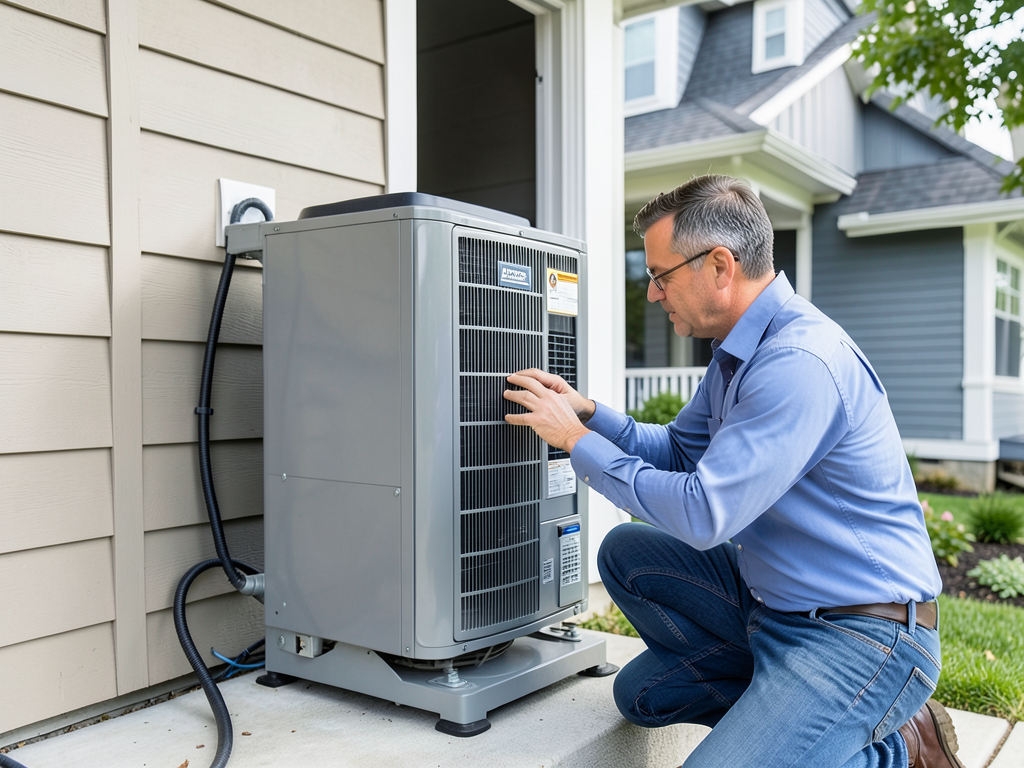
If your air conditioner short cycles, we check for refrigerant overcharge or a dirty condenser coil. Both cause the compressor to trip on high pressure cutoff. We verify the capacitor is within spec because a weak capacitor cannot sustain motor startup torque. We inspect the evaporator coil for ice buildup, which is common when airflow drops below 400 cubic feet per minute per ton of cooling.

For furnace short cycling, we test flame sensors, limit switches, and heat exchanger airflow. A clogged filter reduces airflow. The heat exchanger overheats. The limit switch trips. The furnace shuts down. Thirty seconds later, it tries again. This is the classic short cycle pattern in forced air systems.

We also evaluate thermostat placement. If your thermostat sits near a heat source, like a lamp or sunny window, it will sense false temperature readings and cut the system prematurely. We check duct leakage using a pressure pan or blower door test, especially in homes with crawl spaces common in West Seattle and Rainier Valley.

Once we identify the root cause, we fix it. That might mean replacing a failing capacitor, cleaning coils, sealing ducts, or recalibrating the thermostat. We do not sell you parts you do not need. We solve the problem.

What Happens When You Call About Rapid Cycling

Short Cycling in Seattle – Stop the Damage Before Your System Fails
01

System Performance Testing

We arrive and measure actual run times, temperature differentials across the coil, and amperage draw on the compressor and blower motor. This data tells us whether the issue is mechanical, electrical, or airflow-related. We test refrigerant pressures to rule out overcharge or undercharge. We inspect the thermostat cycle rate and anticipator settings to confirm proper system communication.
02

Root Cause Diagnosis

After testing, we isolate the failure point. We check the capacitor for weak microfarad readings. We inspect the evaporator coil for blockage or freezing. We verify the flame sensor resistance on gas furnaces. We measure static pressure in the ductwork to detect restrictions. We review thermostat wiring and placement for false signals. This step eliminates guesswork and prevents repeat service calls.
03

Permanent Repair and Verification

Once we identify the cause, we make the repair or adjustment. We replace failing components with quality parts. We clean coils, seal ducts, or relocate thermostats as needed. Before we leave, we run the system through multiple cycles to confirm normal operation. You get a written summary of what we found, what we fixed, and what to monitor going forward. No surprises.

Why Seattle Homeowners Trust Peak HVAC for Short Cycling Repairs

Seattle homes are different. Many were built between the 1920s and 1950s, before modern HVAC design standards. Ductwork was added later, often undersized or poorly sealed. Insulation is inconsistent. Crawl spaces are damp. These conditions create perfect conditions for HVAC problems, including short cycling.

We know these homes. We work in Capitol Hill bungalows, Wallingford Craftsmans, and Queen Anne Victorians every week. We understand how older furnaces interact with retrofitted thermostats. We know how Seattle's humidity affects evaporator coil performance. We know the building codes and permit requirements when modifications are needed.

You will not get a generic diagnosis from us. When a technician arrives, they assess your specific system in the context of your home's age, layout, and construction. They check for the issues common to Seattle homes, like condensation in crawl space ducts or poor return air pathways in bonus rooms over garages.

We also know Seattle's energy efficiency incentives. If your system is oversized and short cycling is chronic, we can guide you through City Light or PSE rebate programs for right-sized replacements. We do not push unnecessary equipment, but when replacement is the smart financial move, we make sure you maximize available rebates.

Our technicians are trained on multiple furnace and air conditioner brands. We service Lennox, Carrier, Trane, Rheem, Goodman, and Bryant systems. We carry diagnostic tools and common repair parts on every truck. Most short cycling repairs are completed in one visit.

You get clear communication, no surprise charges, and honest recommendations. That is why Seattle residents call us first when their system kicks on and off.

What to Expect When You Schedule a Short Cycling Repair

Same-Day and Next-Day Availability

Short cycling is urgent. Every rapid cycle wears down your compressor and blower motor. We offer same-day service for most Seattle neighborhoods, including Ballard, Fremont, Capitol Hill, West Seattle, and Rainier Valley. When you call before noon, we can usually get a technician to your home that afternoon. Next-day appointments are available for all areas. We give you a two-hour arrival window and call 30 minutes before arrival. No waiting around all day.

Comprehensive Diagnostic, Not a Band-Aid Fix

Our technician will spend 45 to 90 minutes diagnosing your system. This is not a quick look and guess. We use manifold gauges, multimeters, airflow meters, and infrared thermometers to measure performance. We open the blower compartment, inspect the coil, check the condensate drain, and test electrical components. You get a written diagnostic report that explains what we found and what needs to be fixed. We walk you through the options before we do any work.

Repair Quality That Lasts

We do not use cheap aftermarket parts. Capacitors, contactors, and thermostats are OEM or equivalent quality. When we clean coils, we use proper coil cleaner and rinse procedures. When we seal ducts, we use mastic or foil tape rated for HVAC applications. When we adjust refrigerant charge, we follow manufacturer specifications to the tenth of an ounce. The goal is a permanent fix, not a temporary patch. You should not have to call us back in three months for the same problem.

Follow-Up Support and Maintenance Plans

After the repair, we offer a maintenance plan to prevent future short cycling. This includes biannual filter changes, coil cleaning, and system performance checks. Regular maintenance catches small issues before they become expensive failures. We also provide phone support if you notice the problem returning. If a repair fails within the first year, we come back and make it right. Our goal is long-term reliability, not repeat service calls. You get peace of mind and a system that runs the way it should.

Frequently Asked Questions

You Have Questions,
We Have Answers

What is the most common cause of short cycling? +

The most common cause of short cycling is a dirty air filter. When your filter clogs with dust and debris, airflow drops. Your system overheats and shuts down to protect itself. In Seattle's damp climate, filters trap more moisture and particulates, which speeds up clogging. Other frequent culprits include refrigerant leaks, oversized equipment, or faulty thermostats. A clogged condensate drain line can also trigger safety shutoffs. Regular filter changes every 30 to 60 days prevent most short cycling issues. If your system cycles rapidly even with a clean filter, you need professional diagnostics to identify the root cause.

What does the term "short cycling" mean? +

Short cycling means your HVAC system turns on and off too frequently without completing a full heating or cooling cycle. A normal cycle runs 10 to 15 minutes. Short cycling means your unit runs for just a few minutes, shuts off, then restarts quickly. This pattern strains components, wastes energy, and fails to maintain consistent temperature or humidity. In Seattle, where humidity control matters during wet months, short cycling prevents proper dehumidification. The constant start-stop wears out your compressor, blower motor, and contactors faster. It also spikes your energy bills and leaves your home uncomfortable.

How do you fix short cycling? +

Fixing short cycling depends on the cause. Start by replacing your air filter. Check your thermostat placement. If it sits near a heat source or in direct sunlight, it reads false temperatures and cycles prematurely. Clean your outdoor condenser coils. Inspect the condensate drain for blockages. If these basic steps fail, call a technician. You may need refrigerant recharge, thermostat recalibration, or blower motor repair. In Seattle's older homes, ductwork leaks can cause pressure imbalances that trigger short cycling. A professional load calculation determines if your system is oversized, which requires equipment replacement to fix permanently.

Should I turn my AC off if it's short cycling? +

Yes, turn your AC off if it short cycles. Continued operation damages the compressor, which is the most expensive component to replace. Each startup stresses electrical contacts and motors. Short cycling also risks tripping circuit breakers or causing refrigerant line damage. Turn off the system at the thermostat. Check your air filter and outdoor unit for obvious blockages. If the problem persists after basic checks, leave it off and call for service. Running a short cycling unit in Seattle's mild summers wastes energy without cooling your home effectively. Protect your investment by shutting down until a technician diagnoses the issue.

How much does it cost to fix short cycling? +

Repair costs vary widely based on the cause. A simple fix like replacing a dirty filter costs under 50 dollars if you do it yourself. Thermostat replacement runs 150 to 400 dollars. Refrigerant recharge costs 200 to 600 dollars depending on the type and amount needed. Compressor replacement, the worst case, runs 1,500 to 3,000 dollars or more. Control board repairs cost 300 to 800 dollars. Most Seattle HVAC companies charge diagnostic fees of 75 to 150 dollars, which apply toward repairs. Get multiple quotes. Address short cycling early because delayed repairs escalate costs when secondary damage occurs.

Can a thermostat cause short cycling? +

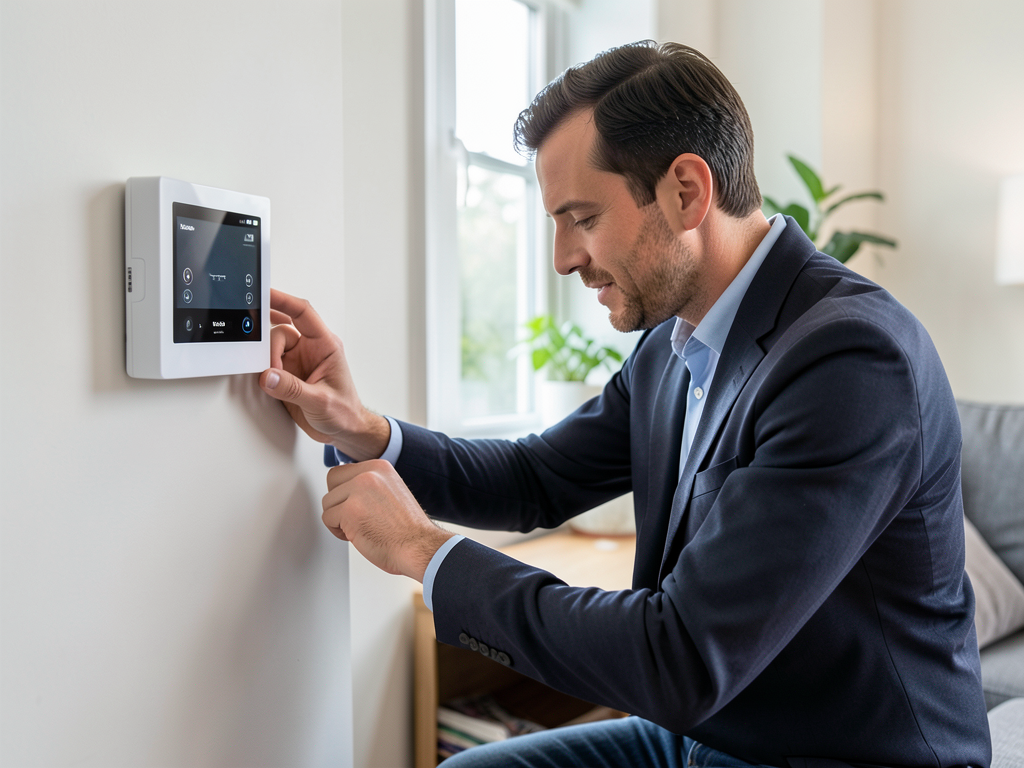
Yes, a faulty thermostat frequently causes short cycling. If your thermostat sits too close to a window, vent, or heat source, it senses false temperatures and cycles prematurely. Older mechanical thermostats lose calibration over time. Loose wiring causes intermittent signals that start and stop your system erratically. Dead batteries in programmable models create glitches. In Seattle homes with heat pumps, incorrect thermostat settings for heating versus cooling mode trigger short cycling. Dirt buildup inside the thermostat affects sensor accuracy. Upgrading to a modern programmable or smart thermostat often resolves cycling issues and improves comfort while reducing energy waste.

How Seattle's Marine Climate Accelerates Short Cycling in HVAC Systems

Seattle's year-round humidity and moderate temperatures create unique HVAC challenges. Unlike drier climates where air conditioners run continuously in summer, Seattle systems cycle more frequently due to lower cooling loads. This increases the risk of short cycling when components like thermostats or capacitors begin to fail. Our damp winters also cause condensation in ductwork and electrical connections, which can trigger intermittent compressor shutdowns. Homes near Puget Sound, Lake Union, or Green Lake experience higher moisture levels that accelerate coil corrosion and sensor degradation. These conditions make regular diagnostics critical for Seattle HVAC systems.

Peak HVAC Seattle understands the specific demands of marine climate HVAC performance. We work with the same housing stock you live in, from pre-war homes in Queen Anne to mid-century split-levels in Northgate. We know how Seattle Energy Code affects duct sealing requirements and when permits are required for system modifications. Our technicians are trained on the nuances of older forced air systems common in Seattle neighborhoods. When you call us, you get a team that knows your home, your climate, and the local codes that affect your repair options.
HVAC Services in The Seattle Area

Conveniently located to serve the greater Seattle area, Peak HVAC Seattle is dedicated to providing reliable and prompt services to our community. Our local presence ensures we can respond quickly to your needs, delivering expert heating and cooling solutions right to your doorstep. Whether you’re a homeowner or business owner, we’re committed to being your trusted, neighborhood HVAC partner for a perfectly comfortable indoor environment.

Address:
Peak HVAC Seattle, 401 Broadway E, Seattle, WA, 98102

Additional Services We Offer

Our news updates

Latest Articles & News from The Blogs

The difference between standard filters and HEPA filtration for your Bitter Lake home Standard HVAC filters and HEPA filtration systems…

The difference between standard filters and HEPA filtration for your Bitter Lake home

The difference between standard filters and HEPA filtration for your Bitter Lake home Standard HVAC filters and HEPA filtration systems…

How to hide your outdoor AC unit with landscaping in Olympic View without breaking it

How to hide your outdoor AC unit with landscaping in Olympic View without breaking it If you live in Olympic…

Protecting your expensive hardwood floors in Hunt's Point from seasonal warping

Protecting your expensive hardwood floors in Hunt’s Point from seasonal warping Seattle’s maritime climate creates a silent threat to your…

Contact Us

Every short cycle wears down your system. Do not wait until your compressor fails. Call Peak HVAC Seattle at (564) 220-5899 for same-day diagnostics and repair. We fix it right the first time.