




Menu

Furnace Pilot Light Issues in Seattle | Expert Diagnosis and Permanent Fixes

When your pilot light keeps going out or refuses to stay lit, our technicians diagnose the root cause fast and fix furnace pilot light problems correctly the first time for Seattle homeowners.

Slider Image 1
Slider Image 2
Slider Image 3
Slider Image 4
Slider Image 5
Slider Image 7
Slider Image 8
Slider Image 9
Slider Image 10
Slider Image 11

Why Your Pilot Light Keeps Failing in Seattle Homes

You wake up to a cold house. The furnace is off. Again. You relight the pilot, it burns for a few hours, then dies. This cycle repeats until you stop trusting your heating system entirely.

Furnace pilot light problems are frustrating because they seem random. One day the flame holds steady. The next day it flickers out without warning. You are not imagining the inconsistency. Seattle's damp marine climate creates conditions that accelerate pilot light malfunctions in ways homeowners in drier regions rarely see.

The Puget Sound area experiences high humidity year-round. Moisture infiltrates furnace cabinets through basement foundations, crawl spaces, and attics with poor vapor barriers. This moisture corrodes thermocouples faster than normal wear patterns suggest. The thermocouple is a safety device that senses pilot flame heat. When corrosion builds up, it fails to register the flame properly and shuts off the gas supply as a safety measure.

Seattle's natural gas composition also plays a role. Our gas contains trace amounts of sulfur compounds that leave deposits on pilot orifices over time. These deposits restrict gas flow and create weak, unstable flames that cannot generate enough heat to keep the thermocouple engaged. The flame looks lit, but it is too weak to function.

A pilot light that won't stay lit signals one of five mechanical failures: thermocouple degradation, orifice blockage, gas pressure irregularities, draft interference from ventilation issues, or control valve malfunction. Each cause requires a different repair approach. Relighting the pilot repeatedly does not address the underlying gas furnace pilot light malfunction. It wastes your time and risks incomplete combustion that produces carbon monoxide.

You need diagnostic accuracy, not guesswork.

Why Your Pilot Light Keeps Failing in Seattle Homes
How We Fix Pilot Light Problems Correctly

How We Fix Pilot Light Problems Correctly

We do not assume. We test.

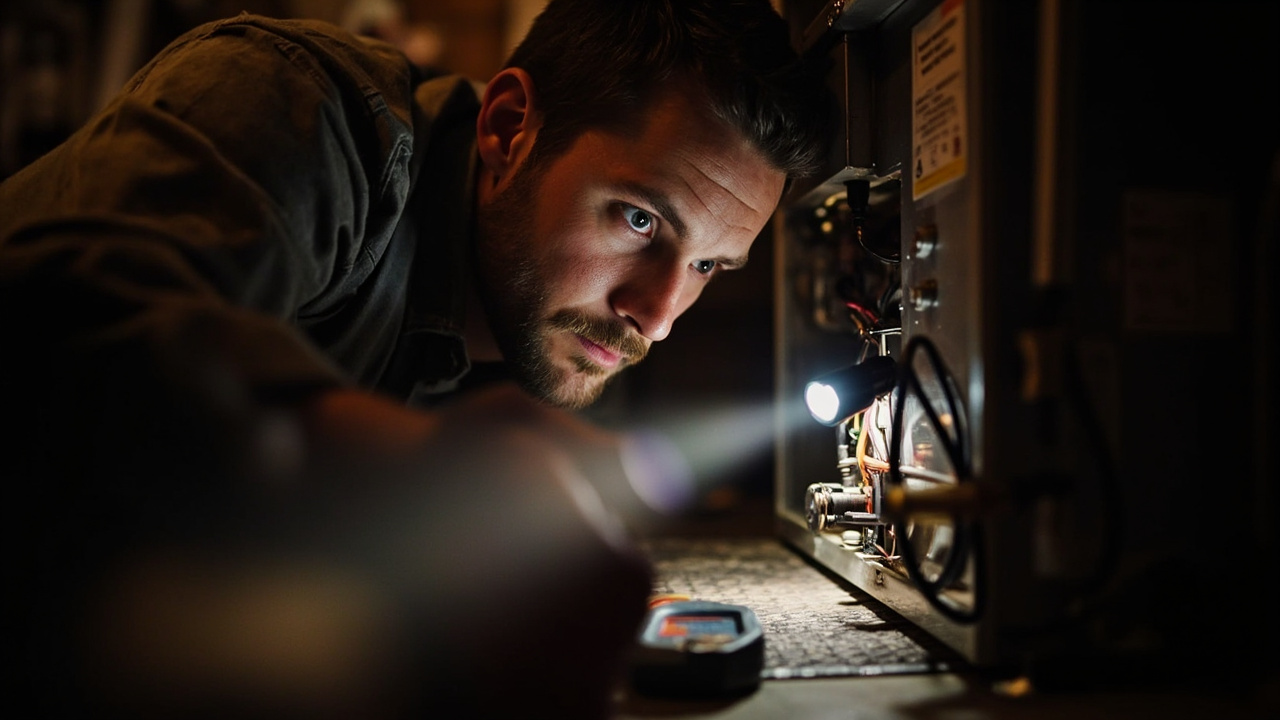
Our diagnostic protocol begins with a thermocouple millivoltage test. A functioning thermocouple generates between 25 and 35 millivolts when heated by the pilot flame. Readings below 20 millivolts indicate failure. Readings above 35 millivolts with intermittent shutoffs suggest control valve issues, not thermocouple problems. This distinction matters because replacing a good thermocouple when the valve is failing wastes your money and leaves the problem unsolved.

We measure gas pressure at the manifold with a manometer. Residential natural gas systems in Seattle should deliver between 3.2 and 3.7 inches of water column pressure to the furnace. Pressure below this range creates weak pilot flames. Pressure spikes above this range can blow out the pilot or cause erratic behavior. If pressure is unstable, we trace the issue back through the gas line to identify restrictions, regulator faults, or supply problems from Puget Sound Energy.

We inspect the pilot orifice under magnification. Carbon buildup and sulfur deposits are invisible to the naked eye but catastrophic to flame stability. We remove the orifice, clear the blockage with precision tools, and verify proper gas flow before reassembly. We do not skip this step even when the flame looks normal. A partially blocked orifice will fail again within weeks.

We check draft and combustion air flow. Seattle homes built before 1985 often have undersized combustion air supplies. Modern weatherization efforts seal homes tighter, which starves furnaces of oxygen. Inadequate air creates negative pressure that pulls the pilot flame away from the thermocouple. We measure draft with a pressure gauge and verify combustion air pathways meet current mechanical code requirements.

We replace components with exact OEM parts matched to your furnace model, not universal aftermarket substitutes that create new problems.

What Happens During Your Service Call

Furnace Pilot Light Issues in Seattle | Expert Diagnosis and Permanent Fixes
01

Initial Safety Assessment

We arrive and immediately test for carbon monoxide in your living spaces and near the furnace cabinet. If CO is present, we shut down the system and ventilate the area before proceeding. Safety takes priority over speed. We verify the pilot assembly is cool enough to handle, inspect the burner chamber for soot or corrosion, and check gas shut-off valve operation.
02

Component-Level Diagnostics

We run the thermocouple voltage test, measure gas pressure, remove and inspect the pilot orifice, and test the gas control valve for proper cycling. We use a combustion analyzer to measure oxygen and CO levels in the flue. This data tells us whether the problem is mechanical, gas supply related, or combustion air related. We document findings and explain what failed and why.
03

Repair and Verification

We install the necessary parts, reassemble the pilot assembly, and relight the system. We monitor the pilot flame for 20 minutes to verify stable operation. We test the thermocouple under load by cycling the thermostat multiple times. We recheck gas pressure and CO levels post-repair. You receive a written summary of what we found, what we fixed, and what to watch for going forward.

Why Seattle Homeowners Choose Peak HVAC Seattle for Pilot Light Repairs

Seattle's housing stock presents unique challenges. Homes in Ballard, Fremont, and Queen Anne were built between 1920 and 1950 with gravity furnaces later converted to forced air systems. These conversions often left original gas lines undersized for modern furnace demands. Homes in Bellevue and Redmond from the 1970s and 1980s have original thermocouples now 40 to 50 years old, far beyond their expected 20-year lifespan. Newer construction in West Seattle and Columbia City features high-efficiency furnaces with electronic ignition, but builders sometimes installed them in crawl spaces with inadequate moisture barriers.

We work on all of these configurations daily. We know which furnace brands were popular in each decade and which parts fail first. We stock thermocouples for Lennox, Carrier, Trane, Rheem, and Goodman units manufactured from 1975 forward. We carry pilot orifices in the five sizes most common to Seattle installations. This parts availability means we complete most repairs in a single visit without ordering delays.

Our technicians train on Seattle-specific code requirements. The Seattle Mechanical Code requires specific combustion air provisions based on furnace BTU input and room volume. We verify your installation meets these standards during every service call. If it does not, we explain the deficiency and the correction process. Many pilot light problems trace back to code violations from previous installations by unlicensed contractors.

We also understand the Puget Sound Energy gas system. PSE periodically adjusts supply pressure to balance demand across neighborhoods. These adjustments can destabilize pilot flames in furnaces with marginal gas valves. We communicate with PSE when we suspect supply issues and coordinate pressure tests to distinguish utility problems from equipment problems.

You are not hiring a generic HVAC company. You are hiring technicians who know Seattle's housing, Seattle's climate, and Seattle's infrastructure.

What to Expect When You Call Peak HVAC Seattle

Same-Day Service Availability

We dispatch technicians within two hours for pilot light failures because we know you have no heat. Most service calls take 60 to 90 minutes from arrival to completion. If we need to order a part, we provide a temporary repair solution to restore heat while we wait for the component. We schedule follow-up appointments around your availability, not ours. You receive a two-hour arrival window with text updates when the technician is en route.

Transparent Diagnostic Process

You receive a verbal explanation of our findings before we proceed with repairs. We show you the failed component and explain why it failed. We provide a written estimate that itemizes parts and labor separately. If the repair cost approaches replacement value for an aging furnace, we tell you. We never upsell services you do not need. Our goal is to solve the pilot light problem efficiently and give you accurate information to make informed decisions about your heating system.

Quality Parts and Workmanship

We install OEM thermocouples and gas valves from the original manufacturer whenever possible. These parts fit correctly and last longer than universal aftermarket components. We torque gas fittings to manufacturer specifications to prevent leaks. We verify pilot flame geometry matches the factory flame pattern before we leave. You receive documentation of all parts installed, including model numbers and serial numbers. The repair either works or we return at no additional charge to correct it.

Post-Repair Support and Maintenance

We offer a 90-day workmanship guarantee on all pilot light repairs. If the same component fails within 90 days, we replace it at no charge. We also provide maintenance recommendations to prevent future failures. For homes with chronic moisture issues, we suggest combustion air improvements or dehumidification solutions. For aging furnaces, we outline which components are likely to fail next so you can budget accordingly. You receive a follow-up call one week after service to verify the repair is holding.

Frequently Asked Questions

You Have Questions,
We Have Answers

Why is my furnace pilot light not igniting? +

Your pilot light fails to ignite due to a few common culprits. Gas supply issues are first. Check if your gas valve is fully open. A faulty thermocouple can also prevent ignition by shutting off gas flow when it incorrectly senses no flame. Dirty pilot orifices block gas, especially in Seattle's damp climate where moisture accelerates buildup. Draft issues from Seattle's persistent wind can blow out the flame before it stabilizes. A malfunctioning gas valve or damaged igniter will also stop ignition. If you've checked the basics and still have no flame, shut off gas immediately and call a licensed technician.

What are the common causes of pilot light issues? +

Pilot light problems stem from predictable failures. Thermocouples wear out and fail to detect flame, cutting gas supply as a safety measure. Dirt and carbon deposits clog the pilot orifice, restricting gas flow. Seattle's marine air carries moisture that corrodes components faster than drier climates. Draft problems from poorly sealed ductwork or exhaust vents extinguish flames repeatedly. Gas pressure irregularities from your utility provider can weaken the flame. Faulty gas valves stick or fail to open fully. In older Seattle homes, original pilot assemblies may simply have reached end of life after decades of wet-season use.

What are the symptoms of a bad igniter on a furnace? +

A failing igniter shows clear warning signs. You hear clicking but see no flame. The igniter glows orange or white but your burners never light. You smell gas without ignition, indicating the igniter isn't creating enough heat. Cracks in the ceramic igniter body are visible during inspection. Your furnace cycles on and off without heating your Seattle home. The igniter takes multiple attempts to light burners, or it lights them inconsistently. Some igniters glow weakly or not at all. If you notice these symptoms, replace the igniter immediately. A cracked igniter can allow dangerous gas buildup.

How do I know if my thermocouple is bad? +

Test your thermocouple with these checks. The pilot lights but won't stay lit when you release the button. Your pilot flame is weak, yellow, or flickering instead of steady blue. Visible corrosion or damage appears on the thermocouple tip. You can also test voltage with a multimeter. A working thermocouple generates 25 to 35 millivolts when heated. Seattle's humidity accelerates thermocouple corrosion, shortening their lifespan. If the thermocouple tip sits too far from the flame or is bent, it won't heat properly. Replace thermocouples every few years as preventive maintenance in marine climates.

What to do if the pilot light won't relight? +

Follow these steps if your pilot won't relight. Turn the gas valve to OFF and wait five minutes for any gas to dissipate. Check that your main gas supply is on. Turn the valve to PILOT and hold down the reset button. Light the pilot with a long lighter while holding the button for 30 to 60 seconds. Release slowly. If the flame dies immediately, your thermocouple likely failed. If you smell strong gas or the pilot won't light after three attempts, stop. Shut off gas at the valve and call a professional. Gas leaks are serious in enclosed Seattle basements.

How to bleed a gas line for a furnace? +

Bleeding a gas line removes trapped air after service or new installation. Turn off the furnace and locate the gas valve. Crack open the union fitting closest to the furnace using two wrenches. You'll hear a hissing sound as air escapes. Once you smell gas, the line is bled. Quickly tighten the fitting. This task requires care. Over-loosening can create leaks or damage threads. In Seattle's older homes with galvanized pipe, corroded fittings can break easily. If you're uncomfortable working with gas connections, hire a licensed technician. Improper bleeding wastes gas and creates explosion risks.

How to clean a pilot light thermocouple? +

Clean your thermocouple to restore reliable ignition. Turn off gas and let components cool completely. Locate the thermocouple near the pilot light. It's a copper tube with a sensor tip in the flame path. Use fine-grit sandpaper or an emery cloth to gently polish the sensor tip. Remove carbon buildup and corrosion without aggressive scrubbing. Wipe clean with a dry cloth. Avoid steel wool, which leaves metallic debris. Check the position. The tip should sit directly in the blue part of the pilot flame. Seattle's moisture accelerates carbon buildup, so clean thermocouples annually during fall furnace prep.

Is it expensive to repair a pilot light? +

Pilot light repairs are affordable compared to full furnace replacement. Thermocouple replacement is the most common fix. Parts are inexpensive, but labor varies by Seattle contractor and access difficulty. Cleaning services cost less than component replacement. Igniter replacement for electronic ignition systems costs more than thermocouples but remains budget-friendly. Gas valve replacement is the priciest pilot-related repair. Emergency calls during Seattle's cold snaps carry premium rates. Regular maintenance prevents expensive failures. If your furnace is over 15 years old and needs multiple repairs, replacement may offer better value than repeated fixes.

How to tell if your pilot light is bad? +

A bad pilot light displays visible problems. The flame appears yellow or orange instead of steady blue, indicating incomplete combustion or dirty components. The flame is weak, small, or flickers constantly. It goes out frequently, requiring repeated relighting. You see soot buildup around the pilot assembly. The flame makes unusual hissing or popping sounds. In Seattle homes, excessive moisture can cause rust on the pilot assembly, weakening gas flow. No flame at all when the gas valve is in the PILOT position signals complete failure. Any of these signs mean your pilot needs professional attention before heating season.

What is the life expectancy of a furnace igniter? +

Hot surface igniters last three to seven years under normal conditions. Usage patterns affect lifespan. Seattle furnaces cycling frequently during mild, damp winters experience more wear than systems in extreme climates with longer continuous runs. Voltage fluctuations shorten igniter life. Poor maintenance accelerates failure. Igniters are fragile ceramic components that crack from thermal stress or physical contact. If your furnace is 10 years old with the original igniter, plan for replacement soon. Keep a spare igniter on hand during winter. Failed igniters leave you without heat, and parts availability can delay repairs during peak season.

How Seattle's Marine Climate Accelerates Thermocouple Corrosion

Seattle's proximity to Puget Sound creates year-round humidity levels between 60 and 80 percent. This moisture condenses inside furnace cabinets located in unheated basements and crawl spaces. Thermocouples are bimetallic sensors that generate voltage through heat differential. When moisture corrodes the junction point, voltage output drops and the gas valve interprets this as pilot failure. Homes in Ballard, West Seattle, and Georgetown experience faster corrosion rates because they sit closer to sea level with higher groundwater tables. The salt air compounds the problem by accelerating oxidation on all metal components.

Peak HVAC Seattle has serviced furnaces in King County for over two decades. We understand how Seattle's climate impacts equipment lifespan and failure patterns. Our technicians carry moisture test equipment to measure relative humidity inside furnace cabinets. When humidity exceeds 70 percent, we recommend vapor barrier improvements or cabinet ventilation upgrades. We also stock marine-grade thermocouples with corrosion-resistant coatings for homes in high-moisture areas. Choosing a local company means choosing technicians who anticipate problems before they escalate.
HVAC Services in The Seattle Area

Conveniently located to serve the greater Seattle area, Peak HVAC Seattle is dedicated to providing reliable and prompt services to our community. Our local presence ensures we can respond quickly to your needs, delivering expert heating and cooling solutions right to your doorstep. Whether you’re a homeowner or business owner, we’re committed to being your trusted, neighborhood HVAC partner for a perfectly comfortable indoor environment.

Address:
Peak HVAC Seattle, 401 Broadway E, Seattle, WA, 98102

Additional Services We Offer

Our news updates

Latest Articles & News from The Blogs

The difference between standard filters and HEPA filtration for your Bitter Lake home Standard HVAC filters and HEPA filtration systems…

The difference between standard filters and HEPA filtration for your Bitter Lake home

The difference between standard filters and HEPA filtration for your Bitter Lake home Standard HVAC filters and HEPA filtration systems…

How to hide your outdoor AC unit with landscaping in Olympic View without breaking it

How to hide your outdoor AC unit with landscaping in Olympic View without breaking it If you live in Olympic…

Protecting your expensive hardwood floors in Hunt's Point from seasonal warping

Protecting your expensive hardwood floors in Hunt’s Point from seasonal warping Seattle’s maritime climate creates a silent threat to your…

Contact Us

Call Peak HVAC Seattle at (564) 220-5899 now for same-day pilot light repair. Our technicians are ready to diagnose the problem and restore your heat fast. No guessing, no delays, no callbacks.