




Menu

Carbon Monoxide Leak Detection in Seattle – 24/7 Emergency Response and Immediate Dispatch

Peak HVAC Seattle provides urgent carbon monoxide check services with technicians arriving in minutes, not hours, equipped with professional CO gas detection tools to protect your family from this silent killer.

Slider Image 1
Slider Image 2
Slider Image 3
Slider Image 4
Slider Image 5
Slider Image 7
Slider Image 8
Slider Image 9
Slider Image 10
Slider Image 11

Carbon Monoxide Poisoning Happens Fast in Seattle Homes

Your carbon monoxide detector just went off. You feel dizzy, nauseous, or confused. This is not a drill. Carbon monoxide has no smell, no taste, and no color. By the time you notice symptoms, you have already been breathing poison.

Seattle homes face unique CO risks. Our damp marine climate causes furnace heat exchangers to corrode faster than in drier regions. When rainwater saturates masonry chimneys, venting systems fail. Older homes in Ballard, Queen Anne, and Capitol Hill still use aging gas furnaces and water heaters with compromised combustion chambers. When Pacific storms keep you sealed inside for days, even minor combustion problems become deadly.

Emergency carbon monoxide testing is not about waiting until morning. CO concentrations spike within minutes. At 800 parts per million, you lose consciousness in 45 minutes. At 1,600 ppm, you have 20 minutes before death. Professional CO leak inspection requires calibrated electronic sensors, not just your wall detector. Your home alarm tells you there is a problem. Our urgent carbon monoxide check pinpoints the exact source.

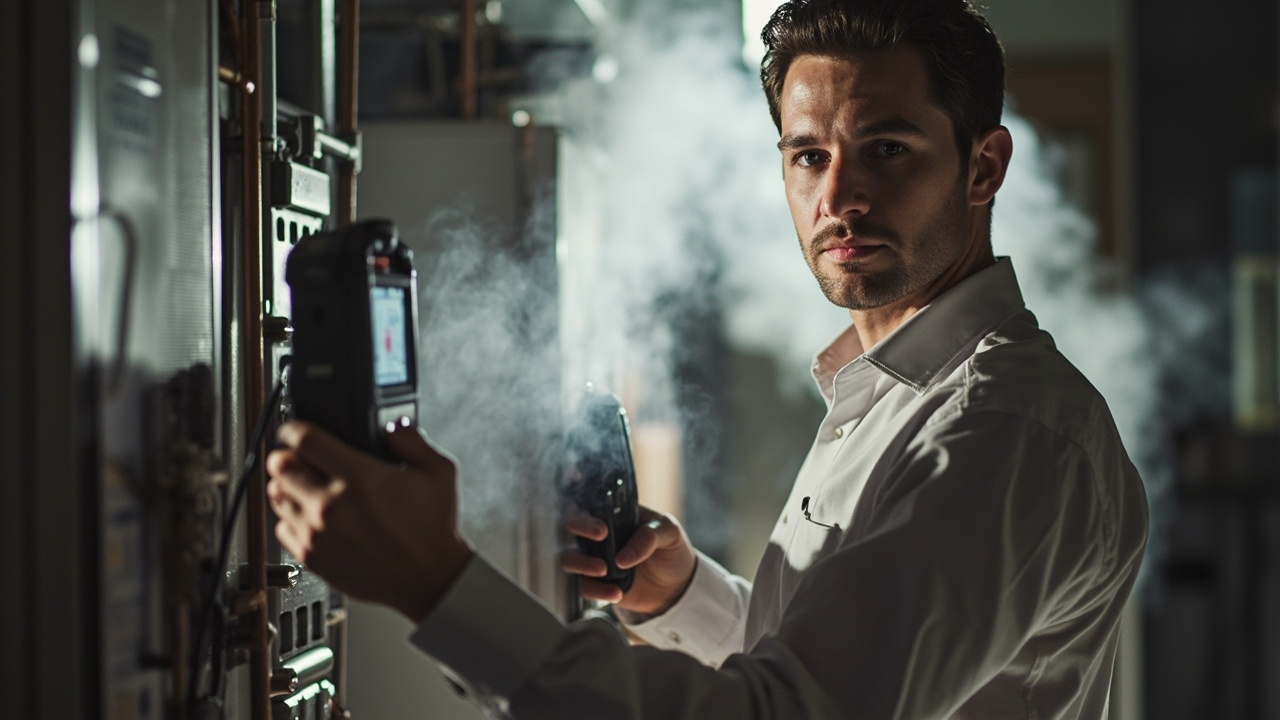
Peak HVAC Seattle dispatches carbon monoxide leak testing specialists immediately. We arrive with multi-gas analyzers that measure ambient CO levels in every room, trace leak paths through ductwork, and test combustion efficiency at every gas appliance. Our CO gas detection service isolates the failing component, whether it is a cracked heat exchanger, blocked flue pipe, or backdrafting water heater. Every minute you wait increases exposure.

Carbon Monoxide Poisoning Happens Fast in Seattle Homes
How We Locate and Stop the Carbon Monoxide Source

How We Locate and Stop the Carbon Monoxide Source

Professional CO leak inspection requires more than walking through with a handheld sensor. Carbon monoxide stratifies. It concentrates near ceilings when warm, pools in basements when cool, and hides in wall cavities near failed vent connectors. We measure CO at breathing height in every occupied space, then trace concentration gradients back to the origin.

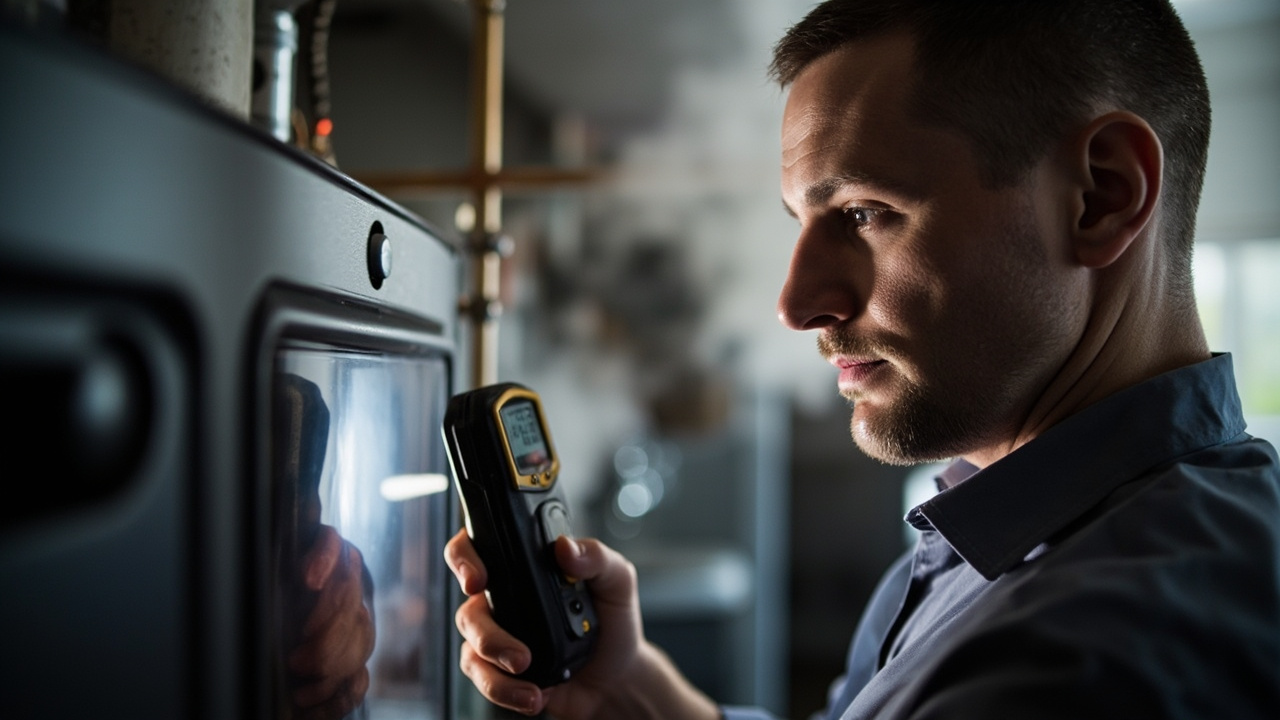
Our technicians test ambient CO first, then isolate each gas appliance. We disconnect furnaces, water heaters, and ranges from their flue systems, then run combustion analysis on each unit individually. Electronic analyzers measure oxygen depletion, CO production in parts per million, and draft pressure at the flue collar. If your furnace produces 400 ppm CO but your flue only drafts at negative 0.01 inches of water column, combustion gases are spilling into your living space instead of venting outside.

We inspect heat exchangers with borescope cameras, looking for hairline cracks invisible to the naked eye. We check flue pipe joints for separation, verify chimney liner integrity, and test for negative pressure caused by exhaust fans or leaky ductwork. Seattle homes with atmospheric venting are especially vulnerable when kitchen or bathroom fans create backdraft conditions.

Once we identify the leak source, we shut down the appliance, tag it as unsafe, and ventilate the home. We explain exactly what failed, why it happened, and what repair or replacement will make your system safe. You get documentation for insurance claims and a written safety report. We do not restart equipment until combustion testing confirms zero spillage.

What Happens During Emergency CO Detection

Carbon Monoxide Leak Detection in Seattle – 24/7 Emergency Response and Immediate Dispatch
01

Immediate Ventilation and Safety

The moment we arrive, we evacuate occupants and open windows to reduce indoor CO concentration. Our technicians wear calibrated personal CO monitors and use ventilation fans to clear contaminated air. We measure outdoor CO levels to confirm ventilation is working, then begin systematic testing once ambient readings drop below dangerous thresholds. Your safety happens before diagnosis.
02

Appliance-by-Appliance Combustion Analysis

We test every gas-burning device in your home. Each furnace, water heater, range, and fireplace gets isolated combustion testing. Our analyzers measure CO output, excess air, flue draft, and gas pressure at each appliance. We use thermal imaging to detect overheated heat exchangers and borescopes to inspect internal combustion chambers. This finds hidden cracks and corrosion that cause intermittent leaks.
03

Source Identification and Lockout

Once we locate the failing equipment, we red-tag it and disable gas supply. You receive a detailed report documenting CO levels, failed components, and photos of damage. We provide immediate repair or replacement options with transparent pricing. If you need temporary heat, we can install electric space heaters until permanent repairs are complete. You get written confirmation your home is safe before we leave.

Why Seattle Residents Trust Peak HVAC for CO Emergencies

Carbon monoxide emergencies require technicians who understand Seattle heating systems. Our marine climate accelerates corrosion inside furnace combustion chambers. Salt air from Puget Sound oxidizes heat exchangers faster than manufacturer estimates predict. Homes built before 1990 in neighborhoods like Fremont, Wallingford, and Green Lake often have original furnaces operating decades past safe lifespan.

Peak HVAC Seattle specializes in aging gas heating equipment common to Seattle homes. We know which furnace models develop stress cracks at the clam shell connection, which water heaters backdraft when basement doors close, and how improperly sized flue pipes create spillage during windy conditions. Our technicians carry replacement heat exchangers, draft inducers, and vent connectors on every truck.

We understand Seattle building codes for combustion air and venting. Many older homes lack adequate makeup air, especially after energy efficiency upgrades sealed the building envelope. When you add a high-CFM range hood or whole-house fan, you create negative pressure that pulls combustion gases out of naturally drafting appliances. We test for depressurization using manometers and blower door equipment, then recommend proper makeup air solutions.

Our emergency response covers all of King County, including Bellevue, Renton, and Redmond. We answer calls 24 hours a day, every day of the year. When you call, you speak directly with a dispatcher who can have a technician at your door in under an hour for most Seattle neighborhoods. We do not use answering services. We do not make you wait until morning. CO exposure is cumulative, and every minute increases risk.

What to Expect When You Call for Emergency CO Testing

Response Time and Availability

Peak HVAC Seattle maintains emergency response teams around the clock. When you call (564) 220-5899, you reach a live dispatcher immediately. We prioritize CO emergencies above all other service calls. Technicians carry full diagnostic equipment in their vehicles, so there is no delay waiting for specialty tools. Most Seattle-area homes receive service within 60 minutes of your call. We work nights, weekends, and holidays without surcharges designed to discourage emergency calls. If your CO alarm sounds, we respond.

The Diagnostic Process

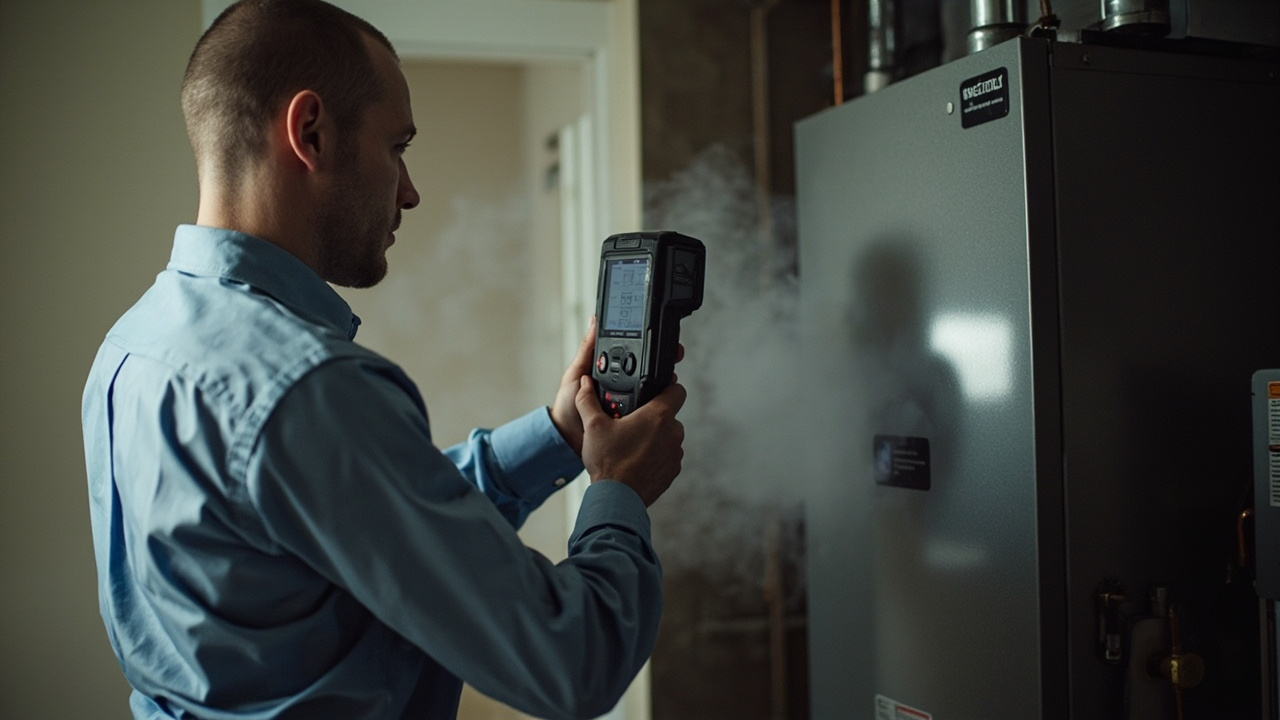
Our technicians arrive with electronic combustion analyzers, digital manometers, thermal cameras, and borescope inspection equipment. Testing begins with ambient air sampling in every room, then progresses to individual appliance combustion analysis. We measure CO output at the appliance, then at the flue outlet, to detect spillage. You receive real-time explanations of every measurement and what it means for your safety. Diagnostic testing takes 60 to 90 minutes for a typical home. You get written documentation of all readings and findings before we discuss repair options.

Repair and Safety Clearance

If we find a cracked heat exchanger, failed draft inducer, or blocked flue, we explain your options clearly. Many repairs can be completed the same day using parts we stock on our trucks. Furnace replacements can be completed within 24 hours if needed. We do not restart any equipment until combustion testing confirms safe operation. Before leaving, we perform final ambient CO testing throughout your home and provide written safety clearance. You receive photos documenting the problem and the completed repair.

Follow-Up and Prevention

After emergency CO leak testing, we schedule a follow-up visit within one week to retest ambient levels and verify repairs are holding. You receive recommendations for annual combustion safety inspections to catch problems before they become emergencies. We can install low-level CO monitors that alert you to dangerous trends before your standard alarm triggers. For homes with chronic combustion problems, we offer whole-system evaluations including makeup air testing, chimney liner inspection, and ventilation system analysis. Prevention is cheaper than emergencies.

Frequently Asked Questions

You Have Questions,
We Have Answers

How do you tell if you have a carbon monoxide leak? +

You cannot see or smell carbon monoxide. Warning signs include persistent headaches, dizziness, nausea, confusion, or flu-like symptoms that improve when you leave home. Check for physical clues like yellow or orange burner flames instead of blue, soot buildup around appliances, or condensation on windows near gas equipment. In Seattle homes with older furnaces or gas water heaters, improper venting during our damp winters increases risk. If you suspect a leak, evacuate immediately and call 911. Install carbon monoxide detectors on every floor and near bedrooms. Get your HVAC system inspected annually before heating season starts.

What are two warning signs of carbon monoxide leak? +

First, watch for physical symptoms in your household. Headaches, dizziness, weakness, or nausea that everyone experiences at home but not elsewhere signal danger. Second, inspect your fuel-burning appliances. Flickering yellow or orange flames, excessive soot, or rust around furnace vents indicate incomplete combustion producing carbon monoxide. Seattle's wet climate can corrode vent pipes and block exhaust systems, trapping deadly gas indoors. If your carbon monoxide detector sounds or you notice these signs, leave your home immediately. Do not investigate the source yourself. Call emergency services from outside, then contact a licensed HVAC technician to locate and repair the leak before re-entering.

Can a phone app detect carbon monoxide? +

No reliable phone app can detect carbon monoxide. Your smartphone lacks the specialized electrochemical sensors required to measure carbon monoxide levels. Apps claiming detection capability are dangerous scams that give false security. Some smart home systems connect to standalone carbon monoxide detectors and send alerts to your phone, but the phone itself detects nothing. In Seattle, where many homes use natural gas heating, you need UL-listed carbon monoxide detectors with electrochemical sensors on every floor. Replace detectors every five to seven years. Do not rely on technology that does not exist. Install proper detectors and schedule annual HVAC inspections to prevent leaks.

Will a carbon monoxide detector go off if there is a gas leak? +

No, standard carbon monoxide detectors do not detect natural gas leaks. Natural gas is mostly methane, while carbon monoxide forms when fuel burns incompletely. These are different gases requiring different sensors. You need separate natural gas detectors or explosive gas detectors if you want leak detection. However, a malfunctioning gas appliance can produce both natural gas leaks and carbon monoxide simultaneously. If you smell rotten eggs (the odorant added to natural gas), evacuate immediately and call your utility company. Seattle homeowners with gas furnaces, water heaters, or stoves should install both carbon monoxide and natural gas detectors for complete protection.

Can small amounts of carbon monoxide make you sick? +

Yes, even low-level carbon monoxide exposure causes serious health problems. Prolonged exposure to concentrations as low as 70 parts per million triggers headaches, fatigue, nausea, and impaired judgment. Vulnerable populations including children, elderly residents, and those with heart conditions experience symptoms faster. In Seattle homes with poor ventilation, carbon monoxide accumulates gradually during winter when windows stay closed. Chronic low-level poisoning mimics flu symptoms, leading many to ignore the danger. Install detectors that display carbon monoxide levels, not just alarm at high concentrations. If your detector shows any reading or you experience unexplained symptoms, evacuate and call professionals immediately.

How long can you live in a house with a carbon monoxide leak? +

This depends entirely on concentration levels, but the answer is never safe. At 400 parts per million, headaches and nausea start within three hours, death within three hours more. At 800 parts per million, unconsciousness occurs within two hours, death soon after. At 1,600 parts per million or higher, death can occur within one hour. Even surviving exposure causes permanent neurological damage. Seattle homes with blocked chimney flues or cracked heat exchangers can reach lethal levels overnight while you sleep. You cannot adapt or build tolerance to carbon monoxide. Evacuate immediately if you suspect a leak. Every minute counts. Call 911, then contact an HVAC professional for emergency repairs.

How quickly will you know if you have carbon monoxide poisoning? +

Symptoms appear within minutes to hours depending on concentration. At high levels (1,600 parts per million or more), you lose consciousness within 20 minutes. At moderate levels (400 parts per million), headaches and dizziness start within one to two hours. Low-level exposure produces subtle symptoms that worsen over days or weeks. Many Seattle residents mistake early carbon monoxide poisoning for winter colds or flu. Critical difference: symptoms improve when you leave home. If everyone in your household feels sick simultaneously, especially during heating season, suspect carbon monoxide immediately. Do not wait for confirmation. Evacuate, call emergency services, and seek medical attention. Brain damage begins before you realize danger.

Can a small gas leak make you feel sick? +

Yes, small gas leaks cause nausea, headaches, dizziness, breathing difficulty, and fatigue. Natural gas displaces oxygen, creating hypoxia even without ignition risk. The mercaptan odorant added to natural gas also irritates respiratory systems. Seattle homes with older gas lines or DIY appliance installations face higher leak risks. However, carbon monoxide from incomplete combustion is the deadlier threat because you cannot smell it. If you smell gas (rotten eggs), ventilate immediately, evacuate without using electronics or creating sparks, and call your utility company from outside. Then schedule inspection of all gas appliances and connections to prevent both gas leaks and carbon monoxide production.

How can I detect CO in my home? +

Install UL-listed carbon monoxide detectors with electrochemical sensors on every floor, especially near sleeping areas and within 15 feet of fuel-burning appliances. Place them at breathing height, not on ceilings where carbon monoxide may not accumulate first. Test detectors monthly and replace batteries twice yearly. Replace entire units every five to seven years per manufacturer guidelines. Schedule annual HVAC inspections before Seattle's heating season to catch cracked heat exchangers, blocked vents, or backdrafting issues. Check furnace flames for blue color and proper ventilation. Never ignore detector alarms or symptoms like unexplained headaches. Professional inspection is the only way to confirm your home is safe.

How do I use my iPhone to detect carbon monoxide at home? +

Your iPhone cannot detect carbon monoxide. Apple devices lack the specialized sensors required for gas detection. Any app claiming this capability is fraudulent and dangerous. What you can do is connect compatible smart carbon monoxide detectors to your iPhone through HomeKit or manufacturer apps. These systems send alerts when standalone detectors trigger, but your phone performs no actual detection. For Seattle homes, invest in hardwired carbon monoxide detectors with battery backup on every level. Smart connectivity adds convenience but never replaces proper detection equipment. Focus on UL-listed detectors with electrochemical sensors and professional HVAC maintenance, not smartphone gimmicks that provide false security.

Why Seattle's Marine Climate Increases Carbon Monoxide Risks

Seattle's damp marine air accelerates corrosion inside gas furnaces and water heaters. When Pacific moisture infiltrates combustion chambers, metal oxidizes faster than in arid climates. Heat exchangers develop pinhole leaks and stress cracks years before expected lifespan. Masonry chimneys absorb rainwater, causing brick and mortar deterioration that blocks flue paths or allows CO to seep into living spaces. Seattle homes with atmospheric venting face higher backdraft risk during storm conditions when wind creates negative pressure. Professional CO leak inspection catches these regional problems before they become life-threatening emergencies.

Peak HVAC Seattle understands Seattle building codes for combustion appliance venting and makeup air requirements. Our technicians know which neighborhoods have aging gas infrastructure, which home styles lack adequate combustion air, and how Seattle weather patterns affect appliance performance. We work with local building inspectors and insurance adjusters regularly, so documentation meets city requirements for permits and claims. Choosing a local company means working with technicians who have diagnosed CO problems in homes exactly like yours, in your neighborhood, under the same climate conditions.
HVAC Services in The Seattle Area

Conveniently located to serve the greater Seattle area, Peak HVAC Seattle is dedicated to providing reliable and prompt services to our community. Our local presence ensures we can respond quickly to your needs, delivering expert heating and cooling solutions right to your doorstep. Whether you’re a homeowner or business owner, we’re committed to being your trusted, neighborhood HVAC partner for a perfectly comfortable indoor environment.

Address:
Peak HVAC Seattle, 401 Broadway E, Seattle, WA, 98102

Additional Services We Offer

Our news updates

Latest Articles & News from The Blogs

How a modern HVAC system helps your Mercer Island home sell faster during a staging Buyers walking through your Mercer…

How a modern HVAC system helps your Mercer Island home sell faster during a staging

How a modern HVAC system helps your Mercer Island home sell faster during a staging Buyers walking through your Mercer…

Safe ventilation for woodworking and metal shops in Georgetown garages

Georgetown’s industrial heritage and maker culture mean many Seattle residents have converted their garages into woodworking or metal shops. But…

Integrating your security system with your HVAC for a safer Somerset home in 2026

Integrating your security system with your HVAC for a safer Somerset home in 2026 Smart home technology is evolving fast…

Contact Us

Do not wait if you suspect a carbon monoxide problem. Peak HVAC Seattle responds to emergencies 24/7 with no delay. Call (564) 220-5899 now for immediate dispatch. Our technicians arrive equipped to locate the source, stop the leak, and restore safety to your home tonight.