




Menu

Emergency Furnace Repair in Seattle – Technicians Dispatched in 60 Minutes or Less

When your furnace fails during a Seattle cold snap, you need more than promises. You need a technician at your door fast. Peak HVAC Seattle dispatches licensed professionals to your home within 60 minutes, ready to diagnose and restore heat to your family.

Slider Image 1
Slider Image 2
Slider Image 3
Slider Image 4
Slider Image 5
Slider Image 7
Slider Image 8
Slider Image 9
Slider Image 10
Slider Image 11

Why Furnace Failures Hit Seattle Homes Without Warning

Seattle's damp marine climate creates the perfect storm for furnace breakdowns. Condensation accumulates inside heat exchangers. Salt air from Puget Sound corrodes electrical connections. The constant cycling between 35 and 50 degrees forces your furnace to run longer cycles than systems in drier climates, wearing out ignitors, flame sensors, and blower motors faster.

When your furnace quits at 2 a.m. with temperatures dropping into the 30s, you are not dealing with an inconvenience. You are facing a health risk. Pipes freeze in crawl spaces under older Craftsman homes in Ballard and Queen Anne. Families with infants or elderly members cannot wait until morning. Thermostats dropping below 55 degrees trigger pipe damage that turns a simple furnace repair into a plumbing disaster.

You need 24 hour furnace repair that understands Seattle's unique challenges. Gas furnaces in neighborhoods like Wallingford and Fremont often share ventilation systems with water heaters. A cracked heat exchanger does not just stop heat. It risks carbon monoxide exposure. Urgent heating repair means checking combustion safety, not just replacing parts. Our emergency heater repair teams carry diagnostic tools to test for gas leaks, CO levels, and draft pressure because your family's safety depends on more than just restoring warmth.

Peak HVAC Seattle keeps trucks stocked with common failure parts for Lennox, Carrier, and Trane systems because these brands dominate Seattle installations. When you call for 24/7 furnace service, we arrive ready to fix the problem on the first visit. Immediate heating system repair is not about selling you a new furnace at 3 a.m. It is about getting your heat back on so your family stays safe until daylight.

Why Furnace Failures Hit Seattle Homes Without Warning
How We Diagnose and Repair Your Furnace in One Emergency Visit

How We Diagnose and Repair Your Furnace in One Emergency Visit

Most emergency calls stem from five failure points: ignitor burnout, flame sensor fouling, pressure switch malfunction, blower motor failure, or thermostat wiring issues. Our technicians start with a sequence of operation test, forcing your furnace through each startup phase while monitoring voltage at every connection point.

We use a combustion analyzer to measure flue gas temperature and CO levels. High CO readings indicate a cracked heat exchanger, which we document with photos before shutting the system down. Low flue temps point to blocked venting, common in Seattle homes where moss and debris clog exterior terminations. We carry replacement draft inducers and pressure switches because these components fail frequently in our wet climate.

For ignition problems, we test voltage at the control board, then at the ignitor itself. A weak transformer or failing capacitor can mimic ignitor failure. We replace the actual failed component, not everything in the ignition chain. If your blower runs but produces no heat, we check the flame sensor with a microamp meter. Sensors coated in carbon residue from incomplete combustion read false and shut off the gas valve. We clean sensors with emery cloth and verify proper flame rectification before closing the panel.

Pressure switch failures happen when condensate drains clog. Seattle's hard water leaves mineral deposits in drain lines. We clear blockages with a wet vac and verify proper drainage slope. If your furnace short cycles, we check refrigerant charge on heat pump systems and measure static pressure in ductwork. Undersized returns or blocked filters cause high head pressure that trips safety limits.

Peak HVAC Seattle technicians carry thermal imaging cameras to find hot spots on electrical connections and cold spots on heat exchangers. We provide you with a written diagnostic report before making repairs so you understand exactly what failed and why.

What Happens When You Call for Emergency Furnace Service

Emergency Furnace Repair in Seattle – Technicians Dispatched in 60 Minutes or Less
01

Immediate Dispatch and Arrival

You call our emergency line at (564) 220-5899 and speak directly with a dispatcher, not an answering service. We collect your address, symptoms, and furnace make and model. Our GPS system identifies the closest available technician. You receive a text with technician name, photo, and estimated arrival time. Most Seattle addresses see a truck within 60 minutes, even during overnight hours.
02

On-Site Diagnosis and Repair

The technician performs a full system diagnostic, testing electrical components, gas pressure, airflow, and combustion efficiency. We explain what failed and show you the problem using photos or live meter readings. If we carry the part, we complete the repair immediately. For uncommon components, we provide temporary heat solutions and return with parts the same day. You approve all work before we start.
03

System Testing and Verification

After repairs, we run your furnace through multiple heat cycles, monitoring temperatures at supply registers and return grilles. We verify proper ignition timing, flame color, and burner operation. You receive a written completion report listing all repairs, parts replaced, and system performance readings. We test your thermostat and walk you through any maintenance steps to prevent future failures before leaving your home.

Why Seattle Homeowners Trust Peak HVAC for Furnace Emergencies

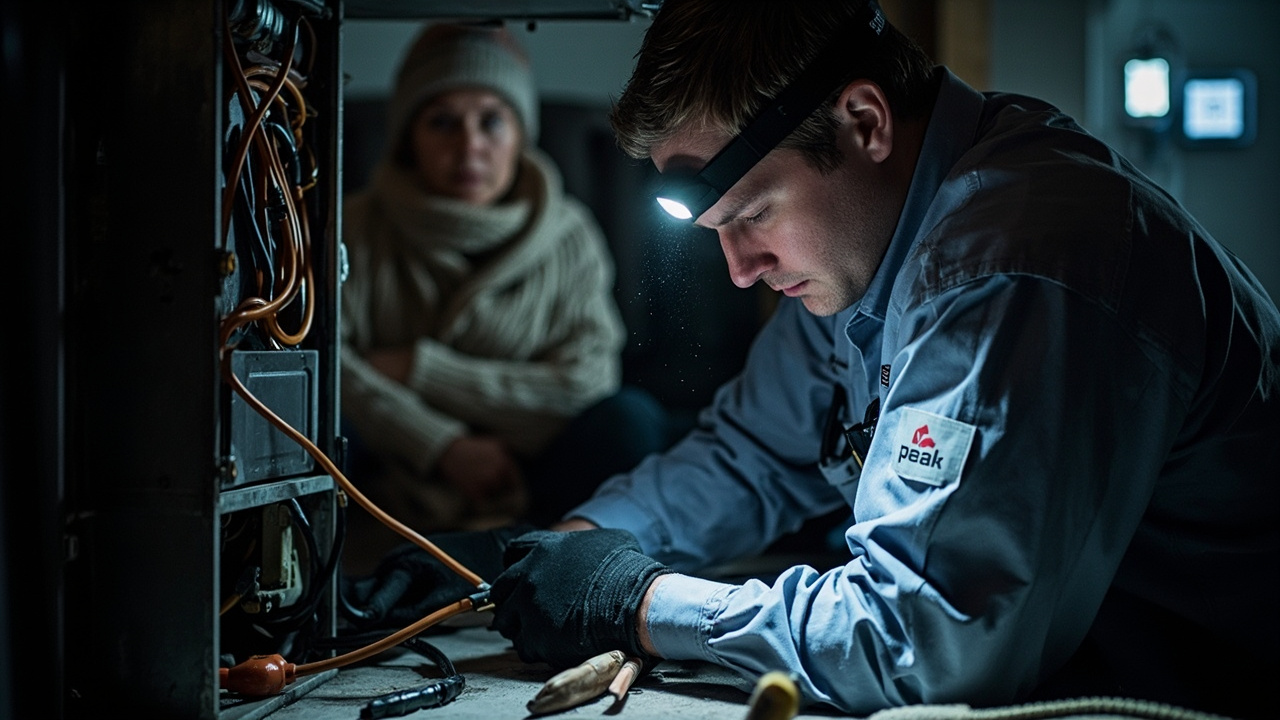
Emergency repairs require technicians who stock the right parts and understand local installation quirks. Homes in Seattle's older neighborhoods like Capitol Hill and Ravenna have furnaces installed in crawl spaces with limited headroom. Our technicians carry low-profile creepers and headlamps designed for tight access. We know which brands local contractors installed in the 1990s and which parts fail first.

Seattle's building codes require specific venting configurations for gas furnaces. Homes built after 2010 use PVC venting that requires precise slope calculations. We carry replacement PVC, brackets, and cement to repair damaged vent pipes that leak combustion gases into wall cavities. Older homes use metal B-vent that corrodes where it penetrates the roof. We inspect the entire vent path during emergency calls because a failed furnace often signals a bigger ventilation problem.

Our trucks carry parts for Lennox, Trane, Carrier, Rheem, and Goodman systems because these five brands represent 80 percent of Seattle installations. We maintain relationships with local suppliers who open their warehouses for after-hours part pulls when we need a control board or gas valve for an uncommon model. You will not wait three days for a part to ship from another state.

Peak HVAC Seattle employs technicians who live in neighborhoods we serve. Our Green Lake technician knows the split-level homes on the north slope that trap cold air in lower-level furnace rooms. Our West Seattle technician understands the moisture problems in homes near Alki Beach. Local knowledge matters when diagnosing why your furnace failed and how to prevent repeat breakdowns.

We provide transparent pricing before starting work. Emergency calls carry a premium for after-hours dispatch, but we never inflate part costs or add hidden fees. You receive an itemized invoice showing labor, parts, and diagnostic charges. Most emergency repairs fall between basic service and major component replacement, and we explain your options if the repair cost approaches replacement territory.

What to Expect During Your Emergency Furnace Repair

Response Time and Availability

Peak HVAC Seattle operates 24/7 emergency dispatch every day of the year. When you call (564) 220-5899, you reach a live person who dispatches a technician immediately. We staff night crews specifically for emergency calls, not on-call techs who need to drive in from home. During severe cold snaps, we add overflow crews to handle increased call volume. You receive arrival time updates via text, and our average response time for Seattle addresses sits under 60 minutes. We prioritize calls involving families with young children, elderly residents, or medical equipment that requires climate control.

Diagnostic Process and Communication

Your technician arrives with a fully stocked truck and diagnostic equipment including multimeters, combustion analyzers, and thermal cameras. We start with a visual inspection, then move to electrical testing and airflow measurements. You stay informed through each step. We show you failed components, explain what caused the failure, and discuss whether age or maintenance played a role. If your furnace needs multiple repairs, we prioritize what restores heat immediately versus what can wait. You receive photos of the problem and written documentation of all findings before approving any repair work.

Repair Quality and Parts

We install OEM parts when available and high-quality aftermarket components when originals are discontinued. Every part comes with manufacturer documentation and performance specifications. We do not use refurbished control boards or salvaged electrical components on emergency repairs. After installation, we test system performance under load, measuring temperature rise, airflow velocity, and combustion efficiency. Your furnace must meet manufacturer specifications before we close the access panel. We clean up our work area, dispose of failed parts, and provide you with old components if you request them for records or warranty claims.

Follow-Up and Maintenance Recommendations

Emergency repairs often reveal deferred maintenance issues. We provide a written assessment noting air filter condition, blower wheel cleanliness, and any signs of wear on belts or bearings. You receive honest recommendations about what needs immediate attention versus what to monitor. We schedule follow-up maintenance visits if your furnace requires cleaning or adjustment beyond the scope of emergency work. Our customer portal tracks your repair history so future technicians can reference past problems and parts replaced. We send filter change reminders based on your system type and household conditions to help prevent future breakdowns.

Frequently Asked Questions

You Have Questions,
We Have Answers

How much does emergency furnace repair cost? +

Emergency furnace repair in Seattle typically costs $150 to $500 for after-hours service calls, depending on the time of day and severity of the issue. Weekend and holiday rates run higher. The diagnostic fee covers the technician's time to identify the problem. Parts and labor add to the base cost. Common repairs like ignitor replacement or blower motor fixes fall in the mid-range. Complex issues like heat exchanger cracks cost more. Many Seattle HVAC companies offer upfront pricing before starting work. Payment plans help spread costs for major repairs.

Who to call if your furnace is not working? +

Call a licensed HVAC contractor immediately when your furnace stops working. Look for companies offering 24/7 emergency service in the Seattle area. Avoid calling general handymen for furnace issues. Heating systems require specialized training and tools. Check that the contractor holds a Washington state HVAC license. Read online reviews focusing on emergency response times. Ask neighbors in your Seattle neighborhood for referrals. Keep your HVAC company's number saved in your phone before winter hits. Fast response matters when temperatures drop near freezing.

What is the $5000 rule? +

The $5000 rule helps you decide between repair and replacement. Take your furnace's age and multiply it by the repair cost estimate. If the result exceeds $5000, replace the unit. If it falls below $5000, repair makes financial sense. Example: A 15-year-old furnace needs $400 in repairs. That equals $6000, so replacement wins. A 10-year-old furnace needing $400 in repairs equals $4000, so repair it. This rule accounts for aging equipment reliability and efficiency losses. Seattle's wet climate accelerates wear, making this calculation important for residents.

What counts as an HVAC emergency? +

An HVAC emergency means no heat when outdoor temperatures drop below 40 degrees, especially with children or elderly residents at home. Gas smells indicate immediate danger. Strange burning odors suggest electrical problems or overheating components. Carbon monoxide detector alarms require instant action. Complete system failure during Seattle's coldest months qualifies as urgent. Frozen pipes from lack of heat create water damage risks. Unusual noises like loud banging or metal scraping signal internal failures. Visible flames or sparks near the unit demand immediate shutdown and professional help.

What if I can't afford to replace my furnace? +

If you cannot afford furnace replacement, explore financing options through HVAC contractors. Many Seattle companies offer payment plans with zero interest for qualified buyers. Check for utility company rebates on high-efficiency models. Washington state energy assistance programs help low-income households. Consider a home equity line of credit for lower interest rates. Some contractors accept credit cards. Ask about repairing your current system instead of full replacement. Space heaters provide temporary relief for single rooms. Community action agencies sometimes offer emergency heating assistance during winter months.

What is the most expensive thing to fix on a furnace? +

Heat exchanger replacement costs the most, often $1500 to $3000 in labor and parts. This component transfers combustion heat to air without mixing gases. Cracks in heat exchangers create carbon monoxide risks. Replacing it requires dismantling major furnace sections. Many technicians recommend full system replacement instead because the labor cost approaches new equipment prices. Control boards and integrated circuit boards also run expensive. Blower motors and draft inducer motors fall in the mid-range. Seattle's damp climate accelerates corrosion, shortening heat exchanger lifespan in older systems.

How do I force my furnace to start? +

First, check your thermostat settings. Set it to heat mode and raise temperature five degrees above room temp. Verify the circuit breaker did not trip. Reset it if needed. Check the furnace power switch near the unit. Locate the reset button on the burner assembly and press it once. Wait five minutes before trying again. Replace the air filter if clogged. Dirty filters trigger safety shutoffs. If the pilot light went out, relight it following manufacturer instructions. Never force mechanical parts or bypass safety switches. Call a technician if these steps fail.

What is the most common furnace failure? +

Ignitor failure tops the list of common furnace problems in Seattle. Modern furnaces use hot surface igniters that crack from repeated heating cycles. Dirty flame sensors prevent burners from staying lit. The sensor reads the flame but corrosion blocks the signal. Clogged air filters restrict airflow, causing overheating shutdowns. Draft inducer motors fail from bearing wear. Thermostat malfunctions send incorrect signals to the furnace. Cracked heat exchangers occur in furnaces over 15 years old. Seattle's humidity accelerates rust on electrical connections, causing intermittent failures.

How to heat a house when the furnace is broken? +

Use portable electric space heaters in occupied rooms only. Never leave them unattended or use extension cords. Close interior doors to trap heat in smaller areas. Hang blankets over doorways to reduce drafts. Reverse ceiling fans to push warm air down from ceilings. Open curtains on south-facing windows during daylight. Layer clothing and use extra blankets at night. Move to a single room and heat only that space. Check into a hotel if temperatures inside drop below 50 degrees. Call emergency repair services immediately. Seattle's winter dampness makes indoor cold feel worse.

What are signs my HVAC needs replacing? +

Furnaces over 15 years old showing frequent breakdowns need replacement. Rising energy bills indicate declining efficiency. Yellow pilot light flames suggest incomplete combustion and carbon monoxide risk. Blue flames indicate proper operation. Uneven heating between rooms signals failing components. Excessive dust or poor air quality points to circulation problems. Loud banging, rattling, or squealing noises indicate worn parts. Visible rust or corrosion on the cabinet exterior shows age. The blower runs constantly without reaching set temperature. Seattle's marine climate shortens equipment life compared to drier regions.

How Seattle's Marine Climate Accelerates Furnace Corrosion and Component Failure

Seattle's combination of salt air, high humidity, and temperature swings creates aggressive corrosion inside furnace cabinets. Homes within five miles of Puget Sound experience faster deterioration of heat exchangers and flue pipes. The constant moisture condenses on cold metal surfaces during startup, allowing chlorides from marine air to attack steel and aluminum components. Furnaces in West Seattle, Magnolia, and Ballard often show rust damage years before similar units installed in drier climates. Emergency furnace repair calls spike during fall and spring when temperature fluctuations force systems to cycle more frequently, exposing corroded components to thermal stress that triggers sudden failures.

Peak HVAC Seattle has served neighborhoods from Northgate to Georgetown for years, building relationships with property managers and homeowners who need reliable 24/7 furnace service. Our technicians understand Seattle's mix of housing stock, from 1920s bungalows with gravity furnaces to modern townhomes with high-efficiency condensing units. We stock parts specific to local installation practices and know which HVAC contractors did quality work versus rushed installations. When you need urgent heating repair, choosing a company that knows your neighborhood's typical furnace configurations means faster diagnosis and fewer return trips for parts.
HVAC Services in The Seattle Area

Conveniently located to serve the greater Seattle area, Peak HVAC Seattle is dedicated to providing reliable and prompt services to our community. Our local presence ensures we can respond quickly to your needs, delivering expert heating and cooling solutions right to your doorstep. Whether you’re a homeowner or business owner, we’re committed to being your trusted, neighborhood HVAC partner for a perfectly comfortable indoor environment.

Address:
Peak HVAC Seattle, 401 Broadway E, Seattle, WA, 98102

Additional Services We Offer

Our news updates

Latest Articles & News from The Blogs

How a modern HVAC system helps your Mercer Island home sell faster during a staging Buyers walking through your Mercer…

How a modern HVAC system helps your Mercer Island home sell faster during a staging

How a modern HVAC system helps your Mercer Island home sell faster during a staging Buyers walking through your Mercer…

Safe ventilation for woodworking and metal shops in Georgetown garages

Georgetown’s industrial heritage and maker culture mean many Seattle residents have converted their garages into woodworking or metal shops. But…

Integrating your security system with your HVAC for a safer Somerset home in 2026

Integrating your security system with your HVAC for a safer Somerset home in 2026 Smart home technology is evolving fast…

Contact Us

Your family should not spend another hour in the cold. Call Peak HVAC Seattle now at (564) 220-5899 for immediate emergency furnace repair. Our technicians are dispatched within minutes and arrive ready to restore heat to your home tonight.