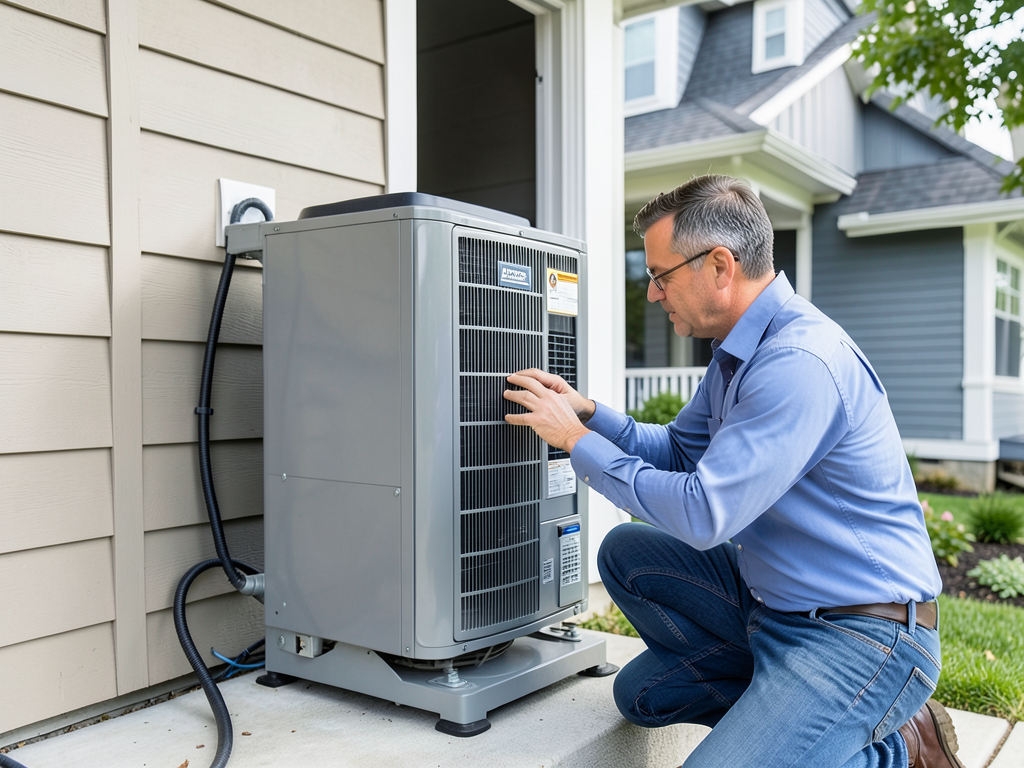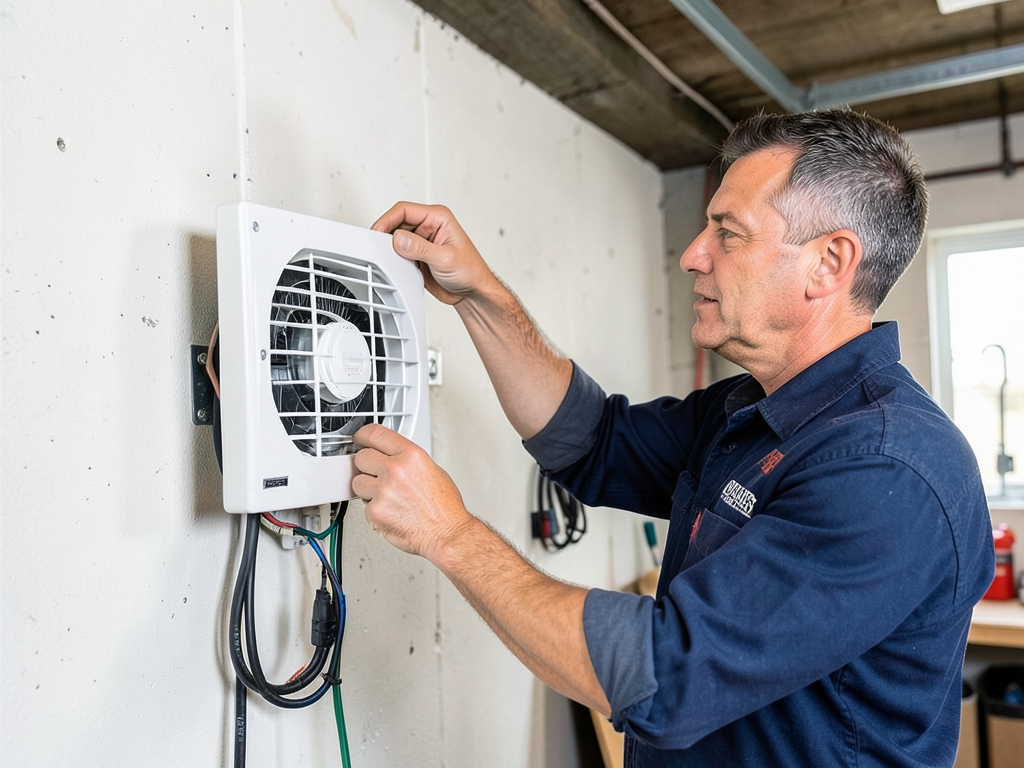








Seattle's proximity to Puget Sound creates year-round humidity levels that promote mold proliferation inside homes. Outdoor relative humidity averages 75% to 85% from October through May, and indoor humidity follows unless mechanically controlled. Mold spores germinate when relative humidity exceeds 60% for more than 48 hours. Without dehumidification, Seattle homes create ideal conditions for Cladosporium, Penicillium, and Aspergillus growth on organic materials including drywall, wood framing, and HVAC ductwork. The problem intensifies in neighborhoods near water, including West Seattle, Magnolia, and Seward Park, where marine air drives humidity even higher. Effective indoor air pollution solutions must address both particulate filtration and humidity control to prevent ongoing mold contamination.
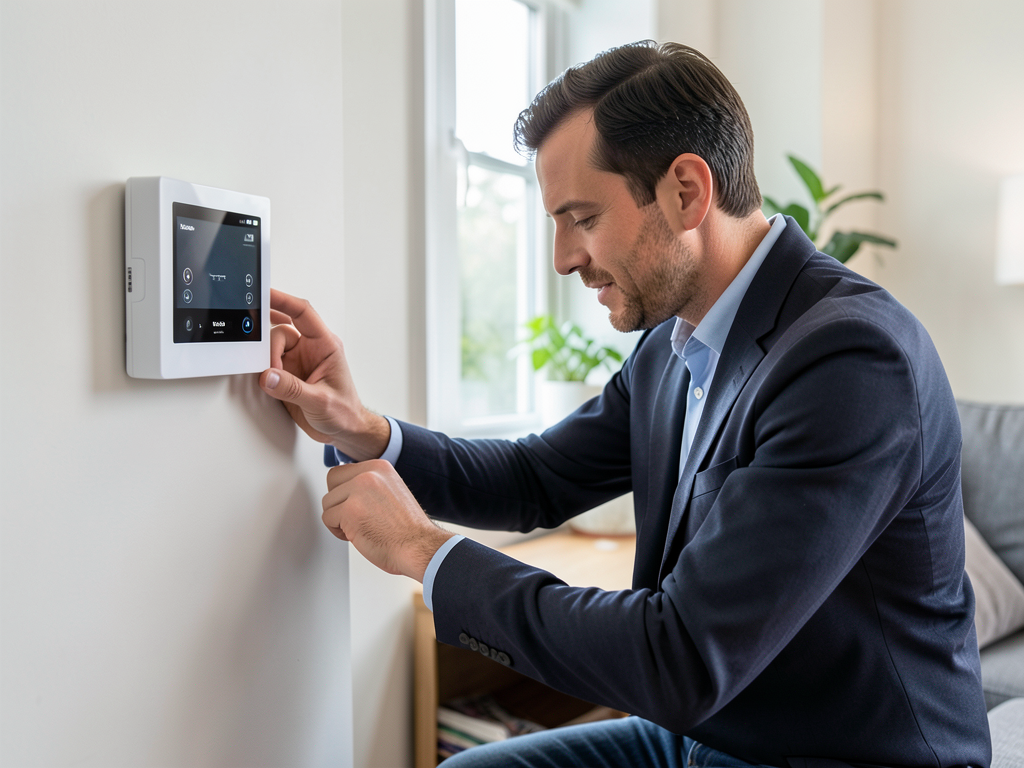
Peak HVAC Seattle has addressed IAQ challenges in Seattle homes since the company's founding, working with residential clients across all city neighborhoods. We understand local construction methods, including pier-and-beam foundations common in older homes that create moisture pathways, and the ventilation challenges in Cape Cod-style homes with finished attic bedrooms. We maintain relationships with local building inspectors and stay current on Seattle's evolving energy codes, which now mandate mechanical ventilation in most residential renovations. Our technicians carry equipment specifically selected for Pacific Northwest climate conditions, not generic systems designed for national markets. When you choose local HVAC air quality control experts, you get solutions engineered for Seattle's specific environmental challenges.