







Menu

Indoor Air Quality Solutions in Seattle – Breathe Cleaner Air Year-Round with Comprehensive IAQ Services

Peak HVAC Seattle delivers complete indoor air quality solutions that address Seattle's unique moisture and allergen challenges, from whole-home filtration systems to humidity control and ventilation upgrades designed for Pacific Northwest homes.

Slider Image 1
Slider Image 2
Slider Image 3
Slider Image 4
Slider Image 5
Slider Image 7
Slider Image 8
Slider Image 9
Slider Image 10
Slider Image 11

Why Seattle Homes Face Unique Indoor Air Quality Challenges

Seattle's climate creates a perfect storm for indoor air quality problems. The persistent moisture from October through June feeds mold growth in crawl spaces, attics, and ductwork. Your HVAC system circulates these spores throughout your home every time it runs.

The Pacific Northwest traps marine air between the Cascades and the Olympics, creating a microclimate where humidity levels swing wildly between seasons. Winter condensation breeds mildew. Spring pollen from Douglas fir and alder trees infiltrates through leaky duct systems. Summer wildfires from Eastern Washington push particulate matter west, and your filtration system either catches it or your lungs do.

Neighborhoods like Queen Anne and Capitol Hill face additional challenges. Older homes built before 1950 lack proper ventilation. Modern energy-efficient retrofits seal these homes tight, trapping volatile organic compounds from furniture, cleaning products, and building materials. You are breathing recycled air loaded with contaminants.

The Puget Sound region also deals with radon seepage from glacial till deposits. King County ranks moderate for radon risk, but pockets in North Seattle and Shoreline test higher. Without proper indoor air pollution solutions, these invisible threats accumulate.

Your HVAC system is either your best defense or your biggest liability. A standard builder-grade filter catches less than 20 percent of airborne particles. You need residential air quality services that address Seattle's specific challenges, not generic solutions designed for Phoenix or Miami. Peak HVAC Seattle understands what works in this climate because we live here and service systems in every microclimate from Ballard to Beacon Hill.

Why Seattle Homes Face Unique Indoor Air Quality Challenges
How Professional IAQ Improvement Services Actually Work

How Professional IAQ Improvement Services Actually Work

Real IAQ improvement services start with diagnostic testing, not product sales. We measure particulate counts, humidity levels, carbon dioxide concentrations, and airflow rates. A blower door test reveals where unconditioned air enters your home. Duct leakage testing shows how much conditioned air you are losing before it reaches living spaces.

Seattle homes need layered home air quality systems because no single product solves everything. A MERV 13 filter catches particles down to 0.3 microns, including mold spores and pollen. But it does nothing for humidity or volatile organic compounds. You need mechanical ventilation, either an energy recovery ventilator or heat recovery ventilator, to exchange stale indoor air with fresh outdoor air without wasting heating or cooling energy.

Humidity control requires both dehumidification in winter and proper ventilation in summer. Seattle's heating season runs eight months. During this time, indoor relative humidity should stay between 30 and 50 percent. Too low causes respiratory irritation. Too high feeds mold. A whole-home dehumidifier integrated with your forced-air system maintains the sweet spot automatically.

UV-C germicidal lights installed in your air handler destroy biological contaminants before they circulate. These lights target the evaporator coil, where condensation creates ideal conditions for microbial growth. A clean coil also improves system efficiency and airflow.

Duct sealing and insulation complete the system. Leaky ducts in unconditioned spaces pull in attic dust, crawl space moisture, and garage fumes. We seal connections with mastic compound, not tape, and insulate to R-8 minimum. This turns your ductwork from a contamination highway into a clean delivery system. Peak HVAC Seattle designs HVAC air quality control systems based on your home's age, construction type, and specific indoor air pollution sources.

What Happens During Your IAQ Assessment and Installation

Indoor Air Quality Solutions in Seattle – Breathe Cleaner Air Year-Round with Comprehensive IAQ Services
01

Initial Air Quality Testing

We deploy particulate counters, humidity sensors, and carbon dioxide monitors throughout your home to establish baseline readings. A thermal imaging camera reveals hidden moisture problems in walls and ceilings. We inspect your existing HVAC system, ductwork, and ventilation components. Testing takes 90 minutes and identifies every contamination source, from leaky return plenums to inadequate bathroom exhaust fans. You receive detailed measurements, not vague observations.
02

Custom System Design

Based on test results, we engineer a home air quality system specific to your home's cubic footage, occupancy, and contamination profile. This includes equipment selection, placement locations, and integration with your existing HVAC system. We calculate required airflow rates using ASHRAE 62.2 ventilation standards. You see equipment specifications, energy consumption estimates, and a phased installation plan if budget requires staging improvements. No cookie-cutter packages or oversold equipment.
03

Installation and Verification

Installation follows manufacturer specifications and local mechanical codes. We integrate filtration, ventilation, humidity control, and UV systems into a unified solution controlled by your thermostat or dedicated IAQ controller. After installation, we retest air quality metrics to verify improvement. You receive before-and-after particulate counts, humidity readings, and airflow measurements. We program equipment, train you on maintenance requirements, and schedule your first filter change. Verification proves the system works.

Why Seattle Homeowners Choose Peak HVAC Seattle for Indoor Air Quality Solutions

You need a contractor who understands Seattle building stock. Homes in Wallingford differ from new construction in Redmond. A 1920s Craftsman in Fremont has knob-and-tube wiring, limited attic access, and no dedicated return air system. A 1970s split-level in Lake City has a gravity furnace and uninsulated ductwork in a vented crawl space. A 2010 townhouse in South Lake Union is sealed tight with minimal ventilation. Peak HVAC Seattle has worked on every housing type in King County.

We stay current on Seattle energy code requirements, which influence IAQ installations. The 2021 Washington State Energy Code requires mechanical ventilation in new and extensively remodeled homes. Many contractors ignore this during HVAC replacements. We design systems that comply with current code and improve upon it when budget allows.

Our team understands Seattle's microclimates. West Seattle near Alki gets marine air and salt exposure. Homes in Maple Leaf and Northgate deal with pollen from Green Lake and surrounding tree canopy. Properties near industrial areas south of Georgetown face different air quality challenges than residential neighborhoods in Magnolia. We do not install the same system in every home.

You also need honest guidance on what works and what does not. Overpriced "medical-grade" filters often restrict airflow so much they damage your blower motor. Ozone generators marketed as air purifiers actually create respiratory irritants. Cheap portable HEPA units treat one room while ignoring the other 2,000 square feet. We recommend residential air quality services based on building science and measured results, not profit margins.

Peak HVAC Seattle services what we install. Your IAQ system requires filter changes, UV bulb replacements, and periodic testing. We maintain customer equipment records and contact you when service is due. You are not tracking maintenance schedules yourself.

What to Expect from Professional Indoor Air Quality Solutions

Assessment Timeline and Scheduling

Initial IAQ assessments take place within one week of your call. Testing requires access to your HVAC system, attic, crawl space, and all living areas. The process takes 90 minutes to two hours depending on home size and system complexity. We schedule assessments during business hours Monday through Saturday. You receive a detailed report within 48 hours showing current air quality measurements, identified problems, and recommended solutions. Installation scheduling depends on equipment availability and project scope. Simple filter and UV upgrades happen within days. Whole-home ventilation systems requiring ductwork modifications take one to two weeks from approval to completion.

Comprehensive Indoor Air Quality Evaluation

Our evaluation goes beyond selling you an air cleaner. We test particulate concentrations in multiple rooms using calibrated laser particle counters. Humidity sensors measure relative humidity and temperature differentials between floors. A duct blaster quantifies leakage rates in your distribution system. We inspect insulation levels, vapor barriers, and potential moisture intrusion points. Carbon dioxide measurements reveal ventilation adequacy. If you smell mold but cannot see it, thermal imaging locates hidden moisture problems behind walls and ceilings. You receive photos, measurements, and prioritized recommendations. The assessment identifies root causes, not symptoms, so you invest money where it matters most.

Measurable Air Quality Improvement

Effective home air quality systems deliver measurable results, not marketing claims. After installation, we retest using the same equipment and locations as the initial assessment. Particulate counts should drop 60 to 85 percent depending on baseline conditions and installed equipment. Humidity levels stabilize within the target range. Carbon dioxide concentrations decrease, indicating improved ventilation. You see the data proving your investment worked. Most clients notice reduced dust accumulation on furniture, fewer allergy symptoms, and elimination of musty odors within two weeks. Respiratory improvements take longer, but you breathe demonstrably cleaner air immediately. We document everything so you have proof of performance.

Ongoing Maintenance and System Support

Indoor air quality systems require regular maintenance to remain effective. Filters need replacement every three to six months depending on type and contamination load. UV bulbs lose effectiveness after 12 to 18 months even though they still glow. Energy recovery ventilator cores require annual cleaning. We track your equipment and contact you when service is due. Maintenance visits include filter replacement, UV bulb inspection, airflow verification, and spot testing to confirm continued performance. You receive reminder calls and can schedule service online. We stock common filters and parts for systems we install, which eliminates waiting for special orders. Maintenance plans available for clients who prefer scheduled service without tracking dates themselves.

Frequently Asked Questions

You Have Questions,
We Have Answers

How Seattle's Marine Climate and Dense Tree Canopy Amplify Indoor Air Quality Problems

Seattle sits in a convergence zone where marine air from Puget Sound collides with continental air masses deflected by the Cascade Range. This creates persistent cloud cover and high humidity from October through June. Your home's building envelope absorbs moisture during wet months and releases it during dry summer weeks. This cycle drives mold growth in hidden cavities and overwhelms standard HVAC systems not designed for Pacific Northwest conditions. The urban forest canopy covering neighborhoods from Ravenna to West Seattle drops massive pollen loads each spring, while dense Douglas fir stands in surrounding areas contribute year-round biological particulates. Wildfires east of the Cascades now send smoke west every summer, turning Seattle's air quality from excellent to hazardous within hours. Your HVAC air quality control system must handle extreme swings that desert and subtropical climates never face.

Seattle's building codes and energy efficiency programs create additional IAQ considerations that out-of-state contractors miss. The Seattle Energy Code requires tighter building envelopes and mechanical ventilation in new construction and major renovations. Many older homes in neighborhoods like Ballard, Greenwood, and Mount Baker were recently upgraded with new windows and insulation but lack adequate ventilation systems. These improvements trap indoor pollutants. Peak HVAC Seattle designs IAQ improvement services that balance energy efficiency with healthy ventilation rates. We understand Seattle Department of Construction and Inspections requirements and work with local building officials regularly. Our technicians train on Seattle-specific challenges at industry events hosted by PHCC Western Washington. When you choose local expertise for residential air quality services, you get solutions engineered for Seattle's unique conditions, not generic approaches that fail in our climate.
HVAC Services in The Seattle Area

Conveniently located to serve the greater Seattle area, Peak HVAC Seattle is dedicated to providing reliable and prompt services to our community. Our local presence ensures we can respond quickly to your needs, delivering expert heating and cooling solutions right to your doorstep. Whether you’re a homeowner or business owner, we’re committed to being your trusted, neighborhood HVAC partner for a perfectly comfortable indoor environment.

Address:
Peak HVAC Seattle, 401 Broadway E, Seattle, WA, 98102

Additional Services We Offer

Our news updates

Latest Articles & News from The Blogs

How a modern HVAC system helps your Mercer Island home sell faster during a staging Buyers walking through your Mercer…

How a modern HVAC system helps your Mercer Island home sell faster during a staging

How a modern HVAC system helps your Mercer Island home sell faster during a staging Buyers walking through your Mercer…

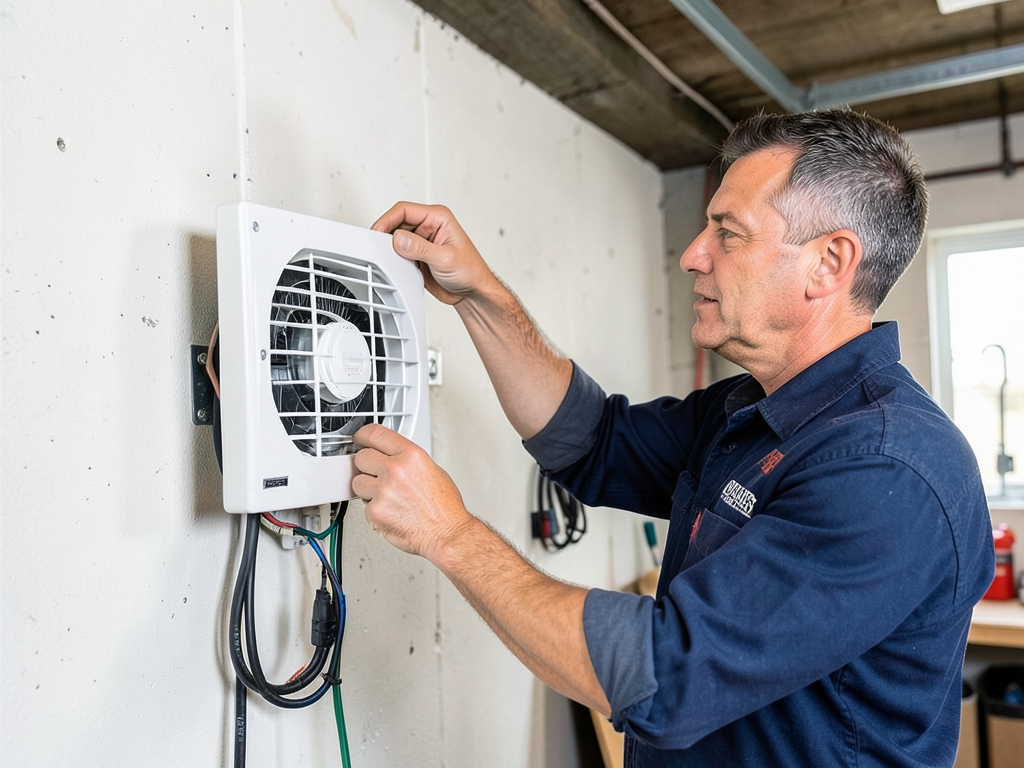
Safe ventilation for woodworking and metal shops in Georgetown garages

Georgetown’s industrial heritage and maker culture mean many Seattle residents have converted their garages into woodworking or metal shops. But…

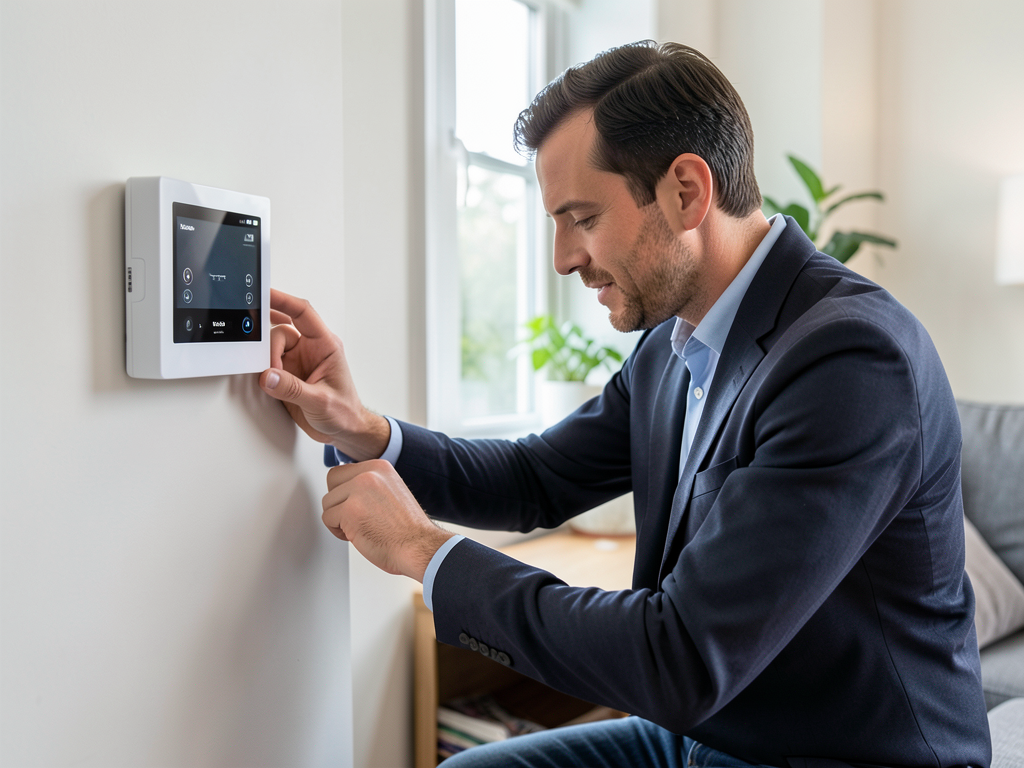
Integrating your security system with your HVAC for a safer Somerset home in 2026

Integrating your security system with your HVAC for a safer Somerset home in 2026 Smart home technology is evolving fast…

Contact Us

Schedule your comprehensive indoor air quality assessment this week. Call Peak HVAC Seattle at (564) 220-5899 to book testing and receive your detailed IAQ report within 48 hours. Stop guessing about your home's air quality and start measuring it.