




Menu

Air Conditioning Installation in Seattle – Engineered for Marine Air and Year-Round Comfort

Peak HVAC Seattle delivers precision air conditioning installation designed for Seattle's unique marine climate, ensuring efficient cooling during heat waves and optimal dehumidification through wet months.

Slider Image 1
Slider Image 2
Slider Image 3
Slider Image 4
Slider Image 5
Slider Image 7
Slider Image 8
Slider Image 9
Slider Image 10
Slider Image 11

Why Seattle Homes Demand Purpose-Built AC Systems

Seattle's marine climate creates a deceptive cooling challenge. Most residents assume mild summers mean any air conditioner will work. That assumption fails during the heat waves that now regularly push temperatures into the 90s, when homes built without cooling in mind turn into heat traps. Your home's tight envelope, designed to retain warmth during rainy months, works against you when temperatures spike.

The Puget Sound's high humidity compounds the problem. Standard AC unit installation approaches used in drier climates leave Seattle homes clammy and uncomfortable. You need a system sized and configured for moisture management, not just temperature drop. Undersized units cycle too frequently. Oversized units cool too quickly without removing humidity. Both scenarios waste energy and leave you uncomfortable.

Seattle's neighborhoods present additional complications. Older homes in Ballard, Fremont, and Capitol Hill often lack existing ductwork. Split-level homes in West Seattle and Queen Anne create zoning challenges. Newer construction in South Lake Union demands high-efficiency systems to meet stricter energy codes. A generic central air installation ignores these realities.

The shift toward multi-day heat events makes air conditioner replacement a safety issue, not a luxury. Peak HVAC Seattle approaches AC installation through the lens of Seattle's specific climate patterns, building characteristics, and evolving weather extremes. We size systems using Manual J load calculations that account for your home's solar exposure, insulation levels, and the marine air's moisture content. Your comfort depends on getting these fundamentals right from day one.

Why Seattle Homes Demand Purpose-Built AC Systems
How We Engineer AC Systems for Pacific Northwest Conditions

How We Engineer AC Systems for Pacific Northwest Conditions

Peak HVAC Seattle starts every new air conditioner install with a comprehensive load assessment. We measure your home's actual cooling demand using ACCA Manual J protocols, adjusting for Seattle's latitude, typical summer dew points, and your home's construction type. This eliminates the guesswork that leads to comfort complaints and high utility bills.

We prioritize variable-speed compressor technology for Seattle installations. These systems modulate output to match real-time demand, running longer at lower speeds to remove humidity while maintaining temperature. This matters during Seattle's typical summer pattern of warm days and cool nights. The system adjusts continuously instead of cycling on and off, improving efficiency by 30 to 40 percent compared to single-stage units.

Refrigerant line placement requires careful attention in Seattle homes. We route lines through conditioned spaces whenever possible to prevent condensation issues during humid months. Exterior line sets get upgraded insulation and UV-resistant jackets to handle the moisture and shade conditions common in tree-canopied neighborhoods. Drain line routing accounts for Seattle's heavy rain, ensuring condensate disposal integrates with your existing drainage systems without creating erosion or foundation concerns.

Ductwork design separates competent installation from shortcuts. We calculate friction loss and airflow velocity for every supply and return run. Poorly designed ducts create pressure imbalances that rob comfort from bedrooms and upper floors. We seal all duct joints with mastic and commission the system using a flow hood to verify CFM delivery at each register. The difference between theoretical and actual performance shows up in your comfort and energy bills. We verify both before calling the job complete.

What Happens During Your AC Installation

Air Conditioning Installation in Seattle – Engineered for Marine Air and Year-Round Comfort
01

In-Home Load Analysis

We measure your home's square footage, insulation values, window orientation, and occupancy patterns. Our technicians use specialized software to calculate your exact cooling load, accounting for Seattle's solar angles and typical humidity levels. This determines the right system capacity and configuration for your specific home, preventing the oversizing and undersizing problems that plague most installations.
02

System Installation and Integration

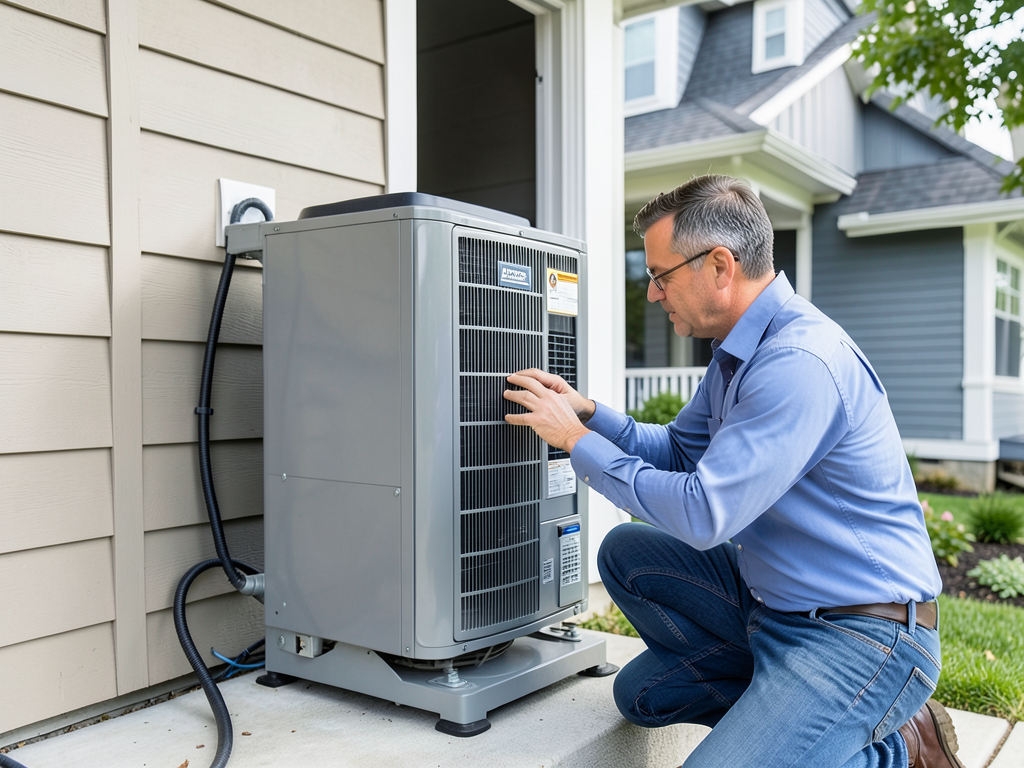
Our crew installs the outdoor condenser on a composite pad that prevents settling in Seattle's clay soil. We run pre-insulated refrigerant lines, install the air handler or furnace coil, and integrate the thermostat with your existing system. All electrical connections follow NEC standards and Seattle's electrical code amendments. We pressure-test refrigerant lines and pull a deep vacuum before charging the system to manufacturer specifications.
03

Commissioning and Verification

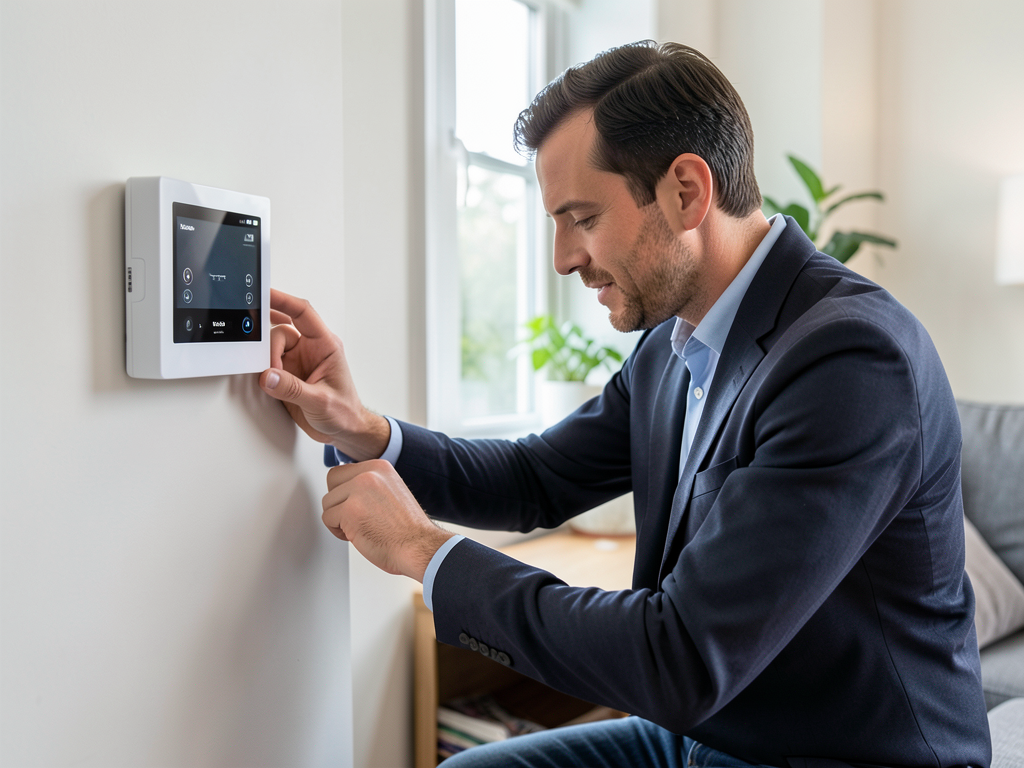
We measure airflow at every register using a flow hood, verify refrigerant charge with superheat and subcooling measurements, and test the condensate drain under load. You receive a commissioning report showing actual versus designed performance. We program your thermostat for optimal efficiency, explain the control features, and demonstrate the air filter location. Your system gets logged into our maintenance database for future service tracking.

Why Seattle Homeowners Choose Peak HVAC for AC Installation

Peak HVAC Seattle understands the construction patterns that define Seattle neighborhoods. We have installed systems in every housing type, from 1920s Craftsman homes in Wallingford to modern townhomes in Capitol Hill. This experience matters when you are retrofitting central air into a home that was never designed for it. We know where to route ducts in balloon-framed walls, how to integrate with hydronic heating systems, and which condensers work in tight side yards common to Seattle lots.

Our familiarity with Seattle's building codes prevents costly mistakes. The city's energy code requires specific SEER ratings and refrigerant types. Our installations meet these requirements without the delays and re-inspection fees that plague installers unfamiliar with local amendments. We pull permits for every job and coordinate inspections on your behalf. You get a legal installation that protects your home's value and your family's safety.

We size systems conservatively because Seattle's cooling season remains relatively short. An oversized AC system costs more upfront, wastes energy, and fails to dehumidify properly. Our load calculations account for Seattle's typical summer conditions, not the design temperatures used in Phoenix or Houston. This prevents the short-cycling and humidity problems that make homes feel clammy even when temperatures drop.

Equipment selection prioritizes efficiency and quiet operation. Seattle homes sit on smaller lots with closer neighbors than sprawling suburban developments. We install sound-attenuated condensers and position them to minimize noise transmission to outdoor living spaces and adjacent properties. Variable-speed technology runs quieter than single-stage systems while delivering better comfort and lower operating costs. These details matter in dense urban neighborhoods where noise ordinances apply and backyard space is limited.

What to Expect from Your AC Installation Project

Project Timeline and Scheduling

Most air conditioning installation projects in Seattle complete in one to two days, depending on system complexity and whether you need new ductwork. We schedule installations during weekday windows to minimize disruption. Our crews arrive with all equipment and materials staged to avoid multiple trips. You receive a detailed timeline during the estimate phase, including permit processing time. Peak HVAC Seattle maintains inventory of common system sizes to reduce lead times. Emergency replacements during heat waves get priority scheduling. We communicate proactively if weather or supply chain issues affect your installation date.

Pre-Installation Assessment Process

Your assessment starts with a room-by-room evaluation of your home's cooling needs. We photograph existing equipment, measure electrical service capacity, and inspect potential condenser locations for code compliance and optimal performance. You receive equipment options tailored to your home's characteristics and your budget. We explain efficiency ratings, noise levels, and feature differences in plain language. The assessment includes a written proposal with itemized costs for equipment, labor, and any necessary upgrades to electrical service or ductwork. Most assessments complete in 60 to 90 minutes.

Installation Quality and Performance

Peak HVAC Seattle installs to ACCA Quality Installation standards, verified through third-party field audits. Your system gets commissioned using diagnostic equipment that measures actual airflow, refrigerant charge, and temperature split across the coil. We document these measurements in your project file. Installation includes upgraded air filtration, programmable thermostat setup, and weatherproof disconnects at the condenser. All ductwork gets sealed with mastic and insulated to R-8 minimum. You receive a walkthrough explaining system operation, maintenance requirements, and warranty registration. The difference shows up in consistent comfort and lower energy bills.

Ongoing Support and Maintenance

Every air conditioner replacement includes manufacturer warranty registration and documentation of your system's specifications. We recommend annual maintenance visits before cooling season to verify refrigerant charge, clean coils, and test safety controls. Our maintenance plans include priority scheduling and discounted service rates. You gain access to our customer portal for service history, filter replacement reminders, and direct scheduling. Peak HVAC Seattle maintains detailed records of your installation, making future service faster and more accurate. Most manufacturers require documented annual maintenance to maintain warranty coverage. We handle that tracking for you.

Frequently Asked Questions

You Have Questions,
We Have Answers

How much would it cost to have air conditioning installed? +

Air conditioning installation costs in Seattle vary based on system type, home size, and ductwork condition. A ductless mini-split runs $3,000 to $10,000, while central AC ranges from $5,000 to $12,000. Seattle's mild summers mean many homes lack existing ductwork, making ductless systems popular and cost-effective. Older homes in neighborhoods like Capitol Hill or Ballard often require electrical panel upgrades, adding to the total. Your existing HVAC infrastructure, insulation quality, and chosen SEER rating all impact final pricing. Get multiple quotes from licensed contractors who understand Seattle's unique building codes and climate considerations.

What is the $5000 rule for AC? +

The $5,000 rule is a repair-versus-replace guideline. Multiply your system's age by the repair cost. If the result exceeds $5,000, replacement makes more financial sense than repair. For example, a 12-year-old unit needing a $500 compressor repair equals $6,000, suggesting replacement. This rule helps Seattle homeowners decide when aging equipment becomes a money drain. Consider that newer units offer better efficiency for our cool, damp climate and lower energy bills. The rule is not absolute but provides a practical framework for decision-making when your AC fails during our brief but intense summer heat waves.

How expensive is it to install an AC unit? +

AC installation costs depend on system type and complexity. Basic window units install for $150 to $300. Ductless mini-splits run $3,000 to $10,000 for multi-zone setups. Central air conditioning systems range from $5,000 to $12,000 or more. Seattle homes often lack ductwork, making ductless systems attractive despite higher upfront costs. Factors include your home's square footage, insulation, number of zones needed, and electrical capacity. Homes near Green Lake or Queen Anne with older electrical systems may need panel upgrades. Installation complexity increases costs, especially in homes with crawl spaces or limited attic access common to Pacific Northwest construction.

How much does Home Depot charge to install an AC unit? +

Home Depot subcontracts installation to local contractors, with costs varying by system and scope. Expect $300 to $600 for window unit installation and $3,000 to $8,000 for ductless mini-splits through their network. Central AC installation quotes depend on your specific needs. The big-box approach means less control over which contractor arrives at your Seattle home. You may get better value and personalized service from local HVAC companies familiar with Seattle's building codes, permit requirements, and climate challenges like high humidity and temperature swings. Local contractors also understand microclimates across neighborhoods from West Seattle to Shoreline.

How much does an air conditioner cost for a 2000 sq ft home? +

A 2,000-square-foot Seattle home needs a 3 to 4-ton AC unit, costing $5,500 to $10,000 installed for central air. Ductless mini-split systems for the same space run $6,000 to $12,000, depending on zones. Seattle's mild climate means you can size conservatively compared to hotter regions. Factors include insulation quality, window efficiency, ceiling height, and sun exposure. Homes in neighborhoods like Fremont or Magnolia with good tree cover need less cooling capacity. Existing ductwork condition matters for central systems. Poor insulation in older Seattle homes increases required tonnage and operating costs long-term.

What is the cheapest way to install air conditioning? +

Window units offer the cheapest AC option at $200 to $800 per unit, plus minimal installation costs. Portable AC units run $300 to $700 with zero installation. For whole-home cooling in Seattle, high-efficiency ductless mini-splits provide the best long-term value despite higher upfront costs. They avoid expensive ductwork installation and reduce energy bills in our mild climate. Retrofit central AC into existing forced-air heating ducts if you have them. Schedule installation during fall or winter when demand drops and contractors offer better rates. Financing options spread costs over time. Proper sizing prevents oversized units that waste money.

Is the 600 tax credit for air conditioners? +

The federal Energy Efficient Home Improvement Credit offers up to $600 annually for qualifying air conditioners, not a flat $600. Your new AC must meet ENERGY STAR Most Efficient criteria with specific SEER2 ratings. The Inflation Reduction Act extended this credit through 2032. Heat pumps qualify for a separate $2,000 credit, making them attractive for Seattle's heating and cooling needs. You claim the credit on IRS Form 5695 when filing taxes. Keep your Manufacturer's Certification Statement and installation receipts. Consult a tax professional for your specific situation, as income limits and other requirements apply to maximize available credits.

What is the best month to buy an HVAC system? +

Fall and winter are the best months to buy HVAC systems in Seattle. Contractors have lighter schedules from October through March, offering better pricing and faster installation. You avoid the summer rush when demand spikes during our heat waves. Equipment manufacturers run promotions during off-peak months. Planning ahead means you choose your preferred contractor rather than taking whoever has availability during a July heatwave. Seattle's mild springs allow comfortable installation windows before cooling season. You also have time to research options, compare quotes, and secure financing without pressure. Book early for spring installation to beat the summer crowd.

How much does a new HVAC system cost 4000 square feet? +

A 4,000-square-foot home needs a 5 to 7-ton system, costing $8,000 to $18,000 or more for central AC installation. Ductless mini-split systems for this size run $12,000 to $20,000 with multiple zones. Seattle's climate allows for conservative sizing compared to hotter regions. Large homes in areas like Laurelhurst or Madison Park may need zone-based systems for efficiency. Existing ductwork condition, insulation quality, and ceiling heights all impact final costs. Multi-story homes require careful load calculations per floor. High-efficiency systems cost more upfront but reduce operating expenses in our moderate climate with occasional summer heat.

What is the lifespan of an AC unit? +

AC units last 15 to 20 years in Seattle with proper maintenance. Our mild climate with limited annual use extends equipment life compared to year-round usage in hotter regions. Ductless mini-splits often reach 20 years. Coastal humidity from Puget Sound can accelerate corrosion if units are not maintained. Annual tune-ups, filter changes, and keeping outdoor units clear of debris maximize lifespan. Signs your unit is failing include frequent repairs, rising energy bills, and inconsistent cooling. After 12 to 15 years, plan for replacement as efficiency degrades and repair costs climb. Modern high-efficiency units justify replacement even if older systems still function.

How Seattle's Marine Climate Shapes AC System Requirements

The Puget Sound creates microclimates that complicate air conditioning installation across Seattle. Homes in West Seattle face afternoon sun exposure and maritime breezes that moderate temperatures differently than properties in Ballard or Green Lake. The Sound's moisture raises dew points during summer months, requiring systems that prioritize latent cooling capacity over sensible cooling alone. Seattle's typical summer pattern of 75-degree days with 60-degree nights demands variable-capacity systems that adjust to these swings without wasting energy. AC unit installation that ignores these marine air characteristics leaves homeowners fighting humidity even when temperatures feel reasonable.

Seattle's energy code updates in 2021 raised minimum efficiency requirements and restricted refrigerant types for new installations. Peak HVAC Seattle stays current with these amendments, ensuring your central air installation meets code without requiring expensive re-work after inspection. Our relationships with Seattle's building inspectors streamline the permitting process. We understand which installations require structural engineering stamps and which qualify for over-the-counter permits. This local knowledge prevents the delays and surprise costs that out-of-area contractors create. Your neighbors throughout Capitol Hill, Ballard, and Queen Anne have relied on our expertise to navigate Seattle's unique requirements.
HVAC Services in The Seattle Area

Conveniently located to serve the greater Seattle area, Peak HVAC Seattle is dedicated to providing reliable and prompt services to our community. Our local presence ensures we can respond quickly to your needs, delivering expert heating and cooling solutions right to your doorstep. Whether you’re a homeowner or business owner, we’re committed to being your trusted, neighborhood HVAC partner for a perfectly comfortable indoor environment.

Address:
Peak HVAC Seattle, 401 Broadway E, Seattle, WA, 98102

Additional Services We Offer

Our news updates

Latest Articles & News from The Blogs

The difference between standard filters and HEPA filtration for your Bitter Lake home Standard HVAC filters and HEPA filtration systems…

The difference between standard filters and HEPA filtration for your Bitter Lake home

The difference between standard filters and HEPA filtration for your Bitter Lake home Standard HVAC filters and HEPA filtration systems…

How to hide your outdoor AC unit with landscaping in Olympic View without breaking it

How to hide your outdoor AC unit with landscaping in Olympic View without breaking it If you live in Olympic…

Protecting your expensive hardwood floors in Hunt's Point from seasonal warping

Protecting your expensive hardwood floors in Hunt’s Point from seasonal warping Seattle’s maritime climate creates a silent threat to your…

Contact Us

Seattle's next heat wave is coming. Peak HVAC Seattle will assess your home's cooling needs and provide a detailed installation proposal with transparent pricing. Call (564) 220-5899 now to schedule your in-home evaluation and take control of your comfort before temperatures spike.