




Federal Way sits in a marine climate zone where humidity runs high year-round and temperature swings between seasons test heating and cooling systems constantly. The moisture from Puget Sound creates condensation issues that corrode coils, breed mold in ducts, and strain compressors. Winter temps drop into the 30s, demanding reliable furnaces for months. Summer heat spikes into the 80s, pushing air conditioners hard during brief but intense warm periods.
The soil here holds water, which means crawl spaces stay damp and basement HVAC equipment fights rust and moisture damage. Homes in neighborhoods like West Campus and Adelaide run forced-air systems that pull humid outside air through filters, creating maintenance demands most climates don't see. Systems installed without proper drainage planning or moisture controls fail early in Federal Way conditions.
Local building codes require specific ventilation standards to combat moisture buildup, but older homes built before updated codes lack adequate air exchange. This creates indoor air quality problems and forces HVAC systems to work harder. Peak HVAC Seattle understands these Federal Way-specific challenges and sizes equipment, designs drainage, and specifies materials that survive marine climate exposure.
Peak HVAC Seattle operates differently than most contractors in Federal Way. We stock parts for the systems actually installed in this area, which means no waiting three days for a capacitor or blower motor. Our trucks carry inventory for Lennox, Trane, Carrier, and Rheem units common to South King County homes. When we arrive, we fix the problem that day in most cases.
We train our technicians on marine climate HVAC issues other companies ignore. Condensate drain clogs, corroded electrical connections from humidity, mold growth in ductwork, these problems show up constantly in Federal Way but get misdiagnosed by techs who don't understand moisture's impact on heating and cooling equipment. Our crew knows what to look for because we work here daily.
Peak HVAC Seattle gives you honest assessments. If your 12-year-old furnace needs a $200 part and has five more years of life, we tell you that instead of pushing a $6,000 replacement. We make money on volume and reputation, not overselling desperate homeowners. Federal Way residents call us back because we solve problems without creating new ones.
We also respond fast because we're based locally, not dispatching from Tacoma or Seattle. Our service area focuses on South King County, which means we reach most Federal Way neighborhoods in under an hour during normal conditions. When your heat goes out at 9 PM on a January night, that response time matters. We run 24-hour emergency service because HVAC failures don't wait for business hours.

Peak HVAC Seattle specializes in moisture-related HVAC problems that plague Federal Way homes. We design drainage systems, specify rust-resistant components, and install equipment that survives high humidity. Our technicians diagnose condensation issues, mold growth, and corrosion damage other contractors miss because they don't work in marine climates daily.

Our trucks stock parts for systems common to Federal Way neighborhoods. We carry capacitors, contactors, thermostats, blower motors, ignitors, and circuit boards for major brands. This inventory investment means we complete most repairs in one visit instead of ordering parts and returning days later when you're still without heat or cooling.
Peak HVAC Seattle tells you what your system actually needs, not what generates the biggest invoice. We repair equipment when repair makes sense and recommend replacement when systems are truly done. Our technicians explain options, costs, and realistic lifespans so you make informed decisions without pressure or manipulation.
We operate from South King County, which puts our crews close to Federal Way neighborhoods. Most service calls get response times under an hour. Our 24-hour emergency service covers nights and weekends because furnace failures and AC breakdowns don't schedule themselves around business hours. When you call, we come quickly.
Peak HVAC Seattle handles every aspect of heating and cooling for Federal Way properties. Our service range covers emergency repairs when systems fail, planned maintenance to prevent breakdowns, and full installations when equipment reaches end of life. We work on furnaces, air conditioners, heat pumps, ductwork, thermostats, and air quality equipment.
Federal Way's mix of single-family homes, apartments, and commercial buildings demands contractors who understand different system types and applications. We service residential forced-air systems, ductless mini-splits popular in newer construction, and commercial rooftop units. Our technicians carry certifications for refrigerant handling, electrical work, and gas line service.
The marine climate here creates specific service needs. Humidity causes condensate drain clogs, corrodes electrical connections, and breeds mold in ductwork. We clean coils, clear drains, treat mold, and replace corroded components as part of standard maintenance. These preventive steps extend equipment life and prevent failures during peak heating and cooling seasons. Peak HVAC Seattle structures services around three core categories based on urgency and scope.
Peak HVAC Seattle runs 24-hour emergency service for heating and AC failures. We diagnose failed furnaces, broken air conditioners, thermostat malfunctions, and refrigerant leaks any time day or night. Our trucks stock common parts for same-visit repairs. We troubleshoot electrical issues, replace failed components, restore refrigerant charge, and get systems running. Emergency calls get priority dispatch with response times under an hour for most Federal Way locations.
Regular maintenance prevents most HVAC failures and extends equipment life in Federal Way's humid climate. Peak HVAC Seattle cleans coils, clears condensate drains, checks refrigerant levels, tests electrical connections, lubricates motors, and replaces filters. We catch small problems before they become expensive failures. Maintenance visits happen on your schedule, typically twice yearly before heating and cooling seasons. Service plans available for homes and commercial properties.
When systems reach end of life or you're building new construction, Peak HVAC Seattle handles complete installations. We size equipment properly for Federal Way climate conditions, design ductwork for efficient airflow, and install moisture management systems. Our installations include furnaces, air conditioners, heat pumps, ductless mini-splits, and hybrid systems. We pull permits, coordinate inspections, and warranty all work. Equipment options range from standard efficiency to high-efficiency models.
Federal Way's marine climate and housing stock create predictable HVAC problems. High humidity corrodes components, clogs drains, and breeds mold. Temperature swings between seasons stress systems that run constantly. Older homes lack proper ventilation, forcing equipment to work harder. Newer construction often has undersized ductwork or poorly designed airflow.
Peak HVAC Seattle sees the same issues repeatedly in Federal Way neighborhoods. Condensate drains clog with algae and stop draining, causing water damage and shutdowns. Outdoor units corrode from salt air and moisture. Indoor coils freeze from restricted airflow. Thermostats fail from humidity exposure. Ductwork in crawl spaces grows mold from constant dampness.
These problems accelerate wear on heating and cooling equipment. A furnace that might last 20 years in a dry climate fails at 12 years here if not properly maintained. Air conditioners corrode and leak refrigerant. Blower motors burn out from constant use. Understanding these patterns helps us diagnose problems quickly and recommend solutions that work long-term in Federal Way conditions.
High humidity creates constant condensation that drains through small plastic lines. These drains clog with algae, mold, and debris, causing water to back up and overflow. The overflow damages ceilings, walls, and flooring. Clogged drains also trigger safety switches that shut systems down. Peak HVAC Seattle clears drains, treats algae growth, and installs secondary drain pans to prevent damage.
Humidity corrodes electrical connections, contactors, and circuit boards inside HVAC equipment. Corroded connections cause intermittent failures, burned wires, and complete breakdowns. Systems work fine one day and fail the next because corrosion finally breaks the circuit. We replace corroded components, seal electrical boxes better, and apply protective coatings to extend component life in Federal Way's damp environment.
Damp crawl spaces and high indoor humidity create perfect conditions for mold growth inside ducts and air handlers. Mold spreads throughout homes every time systems run, causing health problems and musty odors. Peak HVAC Seattle treats existing mold, seals ductwork to prevent moisture infiltration, and installs UV lights that kill mold spores. Controlling humidity at the source prevents recurring mold problems.
Many Federal Way homes have improperly sized HVAC systems that run constantly and fail early. Contractors who don't perform load calculations install equipment that's too small for the space or too large, which causes short cycling. Poor ductwork design restricts airflow and strains blowers. We assess existing systems, identify sizing and design problems, and correct issues that cause premature failure and high energy bills.
Peak HVAC Seattle runs service calls differently than most HVAC contractors. When you call, you talk to someone who understands heating and cooling systems, not a call center reading a script. We ask questions about your problem, schedule service quickly, and give you realistic arrival windows. Our technicians call ahead when they're on the way.
Techs arrive in stocked trucks with tools and common parts. They diagnose problems systematically, explain what failed and why, and present repair options with honest pricing. No surprise charges or hidden fees. If we quote $350 for a repair, that's what you pay. We don't discover additional problems that conveniently add $500 to the bill.
After repairs, we test systems thoroughly to confirm they're working correctly. We explain what we did, what you should watch for, and when to schedule follow-up maintenance. Our work comes with warranties on parts and labor. If something goes wrong with our repair, we return and make it right at no additional charge. Federal Way customers work with the same company from first call through follow-up service.
Peak HVAC Seattle answers phones with knowledgeable staff who schedule service efficiently. We provide arrival windows and call ahead when technicians are close. During diagnosis, techs explain problems in plain language without technical jargon or pressure tactics. You understand what's wrong, what it costs to fix, and what happens if you wait. We answer questions directly and give you the information needed to make good decisions about your HVAC system.
Our technicians diagnose problems first, then quote complete repair costs before starting work. The quote includes parts, labor, and any fees. We don't discover convenient additional problems after we're already there. If diagnosis reveals multiple issues, we prioritize repairs by urgency and let you decide what to fix now versus later. Prices stay firm. The quote you approve is what you pay when we finish.
After completing repairs, Peak HVAC Seattle runs systems through complete cycles to verify proper operation. We check temperatures, airflow, safety controls, and electrical draws. Testing catches problems before we leave, not after you call back days later. All repairs include warranties on parts and labor. If our work fails, we return and fix it at no charge. You get documentation of work completed and warranty terms in writing.
Peak HVAC Seattle keeps service simple and predictable. You call with a problem, we diagnose it accurately, and we fix it right. No runarounds, no upselling, no games. Here's exactly how it works.
Call (564) 220-5899 or request service online. We ask questions about your HVAC problem and schedule a technician quickly. Emergency calls get same-day service, often within an hour. Standard appointments schedule within 24 to 48 hours based on your availability. We provide arrival windows and call 30 minutes ahead. Technicians arrive in marked trucks with full diagnostic equipment and common repair parts.
Technicians inspect your system, test components, and identify the problem. We explain what failed, why it failed, and what's needed to fix it. You receive a detailed quote covering all costs before we start repairs. We answer questions and discuss options if multiple repair approaches exist. No work begins until you approve the price and scope. Diagnostic fees apply for service calls and get credited toward approved repairs.
Once approved, we complete repairs using quality parts and proper techniques. Systems get tested thoroughly to confirm correct operation. We verify temperatures, check airflow, test safety controls, and run complete heating or cooling cycles. You receive documentation of work completed, warranty information, and maintenance recommendations. Payment is due when work is finished. We clean up the work area and haul away old parts.
Federal Way falls under Washington State energy code requirements that specify minimum efficiency ratings and installation standards for HVAC equipment. Current code requires furnaces meet a minimum 95 percent AFUE rating for new installations, meaning 95 percent of fuel converts to heat. Air conditioners must achieve at least 14 SEER efficiency rating. These minimums ensure equipment operates efficiently in Pacific Northwest climate conditions.
Marine climate creates moisture management requirements that go beyond basic code. Condensate drainage must handle high humidity loads year-round, not just during cooling season. Equipment installed in crawl spaces or basements needs elevated mounting and corrosion-resistant components because Federal Way soil stays damp. Outdoor units require protective coatings and regular maintenance to survive salt air exposure from Puget Sound.
Proper sizing calculations account for Federal Way's climate zone, home construction, insulation values, window areas, and air infiltration rates. Manual J load calculations determine exact heating and cooling requirements. Undersized systems run constantly and fail early. Oversized systems short cycle, waste energy, and don't control humidity properly. Ductwork design follows Manual D standards for airflow, with properly sized supply and return runs.
Installation quality matters more than equipment brand in Federal Way conditions. Refrigerant charge must be exact. Ductwork needs proper sealing to prevent energy loss and moisture infiltration. Electrical connections require corrosion protection. Condensate drains need proper slope and algae treatment. Peak HVAC Seattle follows manufacturer specifications and code requirements on every installation and repair because shortcuts lead to callbacks and failures.
Washington State mandates minimum efficiency ratings for HVAC equipment. Furnaces must meet 95 percent AFUE minimum. Air conditioners require 14 SEER ratings or higher. Heat pumps need 8.2 HSPF heating performance. These standards ensure equipment operates efficiently in Pacific Northwest climate conditions. Peak HVAC Seattle installs only code-compliant systems and can explain efficiency ratings and their impact on operating costs.
Federal Way's humid marine climate demands installation practices beyond basic code. Equipment needs corrosion-resistant components, elevated mounting in damp spaces, and enhanced condensate drainage. Outdoor units require protective coatings. Electrical connections need moisture sealing. Ductwork must be sealed completely to prevent moisture infiltration from crawl spaces. These upgrades prevent premature failure common in coastal Washington locations.
Correctly sized HVAC systems match heating and cooling output to building requirements calculated using Manual J procedures. Variables include square footage, insulation values, window areas, orientation, and local climate data. Oversized systems waste energy and short cycle. Undersized systems run constantly and fail early. Peak HVAC Seattle performs load calculations on every installation to ensure proper sizing for Federal Way conditions and your specific property.
High humidity accelerates maintenance needs compared to dry climates. Condensate drains require cleaning twice yearly to prevent clogs and algae growth. Coils need annual cleaning to remove corrosion and buildup. Electrical connections require inspection and treatment to prevent moisture damage. Filters need changing every 30 to 90 days depending on usage. Regular maintenance extends equipment life significantly in Federal Way's challenging environment.
This video explains HVAC challenges specific to Federal Way's marine climate and how high humidity affects heating and cooling systems. Peak HVAC Seattle covers condensate drain problems, electrical corrosion, mold growth in ductwork, and proper maintenance requirements for Federal Way homes. Viewers learn why equipment fails faster in coastal Washington and how to prevent breakdowns through correct installation and regular service.
Peak HVAC Seattle serves all Federal Way neighborhoods from Steel Lake to Lakota, West Campus to Camelot. Our service area covers the entire city from the King County line south to the Pierce County border. We know Federal Way's geography and reach most locations within an hour during normal conditions.
The West Campus area near Lakehaven has many older homes with original HVAC systems needing replacement or major repairs. We work on forced-air furnaces and air conditioners in these established neighborhoods regularly. Steel Lake and Mirror Lake areas have a mix of housing ages with various system types. Lakota and East Campus neighborhoods include newer construction with modern high-efficiency equipment. We service all system types regardless of age or complexity.
Commercial properties along Pacific Highway South and business districts near Commons Mall require different service approaches than residential calls. We handle rooftop units, larger capacity systems, and commercial refrigeration for Federal Way businesses. Response times stay quick because we're based in South King County, not dispatching crews from distant locations.
Properties near Dash Point and the Puget Sound waterfront face the most severe corrosion and moisture problems from salt air exposure. Outdoor units corrode faster this close to water. We recommend more frequent maintenance and corrosion-resistant components for these locations. Moving inland toward Auburn, humidity remains high but salt exposure decreases slightly.
Federal Way's position between Seattle and Tacoma makes it convenient for our service routes. We cover adjacent areas in Des Moines, Kent, Auburn, and Puyallup when needed, but Federal Way remains a core service area where we maintain fast response times and strong customer relationships. Our technicians know the city's neighborhoods, housing stock, and common HVAC issues from working here daily.
The $5000 rule is a guideline for deciding whether to repair or replace your system. Multiply the repair cost by your unit's age. If the total exceeds $5000, replacement makes more financial sense. For example, a $400 repair on a 15-year-old system equals $6000, suggesting replacement is smarter. In Federal Way's damp climate, older systems often struggle with efficiency and mold issues. This rule helps you avoid throwing money at a dying unit when a new, efficient system would serve you better long-term.
A complete HVAC system replacement varies widely based on system type, home size, and efficiency rating. Federal Way homes face consistent moisture and moderate temperatures, which influence equipment choices. Ductless mini-splits, heat pumps, and traditional forced-air systems each carry different price points. Installation complexity matters too. Older homes in the Twin Lakes or Adelaide neighborhoods may require ductwork modifications. Energy-efficient models cost more upfront but slash utility bills in our temperate Pacific Northwest climate. Always get multiple quotes from licensed contractors.
HVAC job costs depend entirely on the scope. Routine maintenance runs far less than emergency repairs or full installations. In Federal Way, common jobs include filter changes, thermostat replacements, duct cleaning, and coil maintenance. Emergency calls during winter cold snaps or summer heat waves cost more due to urgency. Ductwork repair or modification adds expense. System tune-ups prevent costly breakdowns. The best approach is preventive maintenance, which catches small issues before they become expensive failures in our humid, mold-prone climate.
The $5000 rule is a guideline for deciding whether to repair or replace your system. Multiply the repair cost by your unit's age. If the total exceeds $5000, replacement makes more financial sense. For example, a $400 repair on a 15-year-old system equals $6000, suggesting replacement is smarter. In Federal Way's damp climate, older systems often struggle with efficiency and mold issues. This rule helps you avoid throwing money at a dying unit when a new, efficient system would serve you better long-term.
A complete HVAC system replacement varies widely based on system type, home size, and efficiency rating. Federal Way homes face consistent moisture and moderate temperatures, which influence equipment choices. Ductless mini-splits, heat pumps, and traditional forced-air systems each carry different price points. Installation complexity matters too. Older homes in the Twin Lakes or Adelaide neighborhoods may require ductwork modifications. Energy-efficient models cost more upfront but slash utility bills in our temperate Pacific Northwest climate. Always get multiple quotes from licensed contractors.
HVAC job costs depend entirely on the scope. Routine maintenance runs far less than emergency repairs or full installations. In Federal Way, common jobs include filter changes, thermostat replacements, duct cleaning, and coil maintenance. Emergency calls during winter cold snaps or summer heat waves cost more due to urgency. Ductwork repair or modification adds expense. System tune-ups prevent costly breakdowns. The best approach is preventive maintenance, which catches small issues before they become expensive failures in our humid, mold-prone climate.
Replacing HVAC for a 2000 square foot home depends on system type and efficiency. Federal Way's mild winters and moderate summers allow for heat pump systems, which provide both heating and cooling efficiently. Homes near Steel Lake or Dash Point may need dehumidification features due to proximity to water. Existing ductwork condition matters. Homes built before 1990 often need duct sealing or replacement. Higher SEER ratings reduce long-term energy costs but increase upfront investment. Get site-specific assessments before committing.
Tax deductions for HVAC depend on energy efficiency qualifications under federal programs. The Inflation Reduction Act extended credits for high-efficiency heat pumps and systems meeting specific ENERGY STAR criteria. You may qualify for rebates if your new system significantly reduces energy consumption. Federal Way homeowners should verify current IRS guidelines and consult a tax professional. State and local utility rebates through Puget Sound Energy may also apply. Keep all receipts and manufacturer certifications. Tax laws change annually, so confirm eligibility before purchasing.
The 3-minute rule prevents compressor damage by requiring a 3-minute wait between system cycles. When your air conditioner shuts off, refrigerant pressure needs time to equalize throughout the system. Restarting too quickly forces the compressor to work against high pressure, causing wear and potential failure. Modern thermostats and control boards enforce this delay automatically. In Federal Way's moderate climate, short-cycling indicates problems like refrigerant leaks, oversized equipment, or thermostat issues. If your system cycles rapidly, call a technician immediately.
HVAC systems last 15 to 20 years with proper maintenance. Federal Way's high humidity accelerates corrosion and mold growth, which can shorten lifespan if neglected. Heat pumps, common in our area, average 15 years. Furnaces last slightly longer. Coastal proximity near Dash Point or Redondo means salt air exposure, reducing equipment life. Annual tune-ups, filter changes, and prompt repairs extend longevity. Systems installed in the early 2000s are due for replacement. Newer high-efficiency models handle our damp climate better than older units.
Fall and early spring offer the best HVAC buying opportunities. Contractors face lower demand after summer cooling season and before winter heating rushes. You gain better scheduling flexibility and sometimes promotional pricing. In Federal Way, late September through November is ideal. Avoid waiting until your system fails during a January cold snap or July heatwave. Off-season installations let technicians work without time pressure. You also test your new system before extreme weather hits. Plan ahead rather than buying during emergency breakdowns when you have zero negotiating power.
Installing AC in a 1500 square foot house depends on system type and existing infrastructure. If you have ductwork from a furnace, adding a central air conditioner costs less than starting from scratch. Federal Way's moderate summers make ductless mini-splits popular for homes without ducts, like those in older Adelaide neighborhoods. Window units are cheapest but inefficient. Heat pumps provide both heating and cooling, ideal for our climate. Electrical panel upgrades sometimes add cost. Get multiple quotes and verify contractor licensing before signing contracts.
Insurance rarely covers HVAC repairs from normal wear and tear. Homeowners policies typically exclude maintenance issues and aging equipment failures. However, if your system fails due to a covered peril like fire, lightning strike, or vandalism, insurance may pay. Sudden mechanical breakdown riders exist but add premium costs. In Federal Way, storm damage from fallen trees or flooding might qualify for coverage. Always document damage immediately and review your policy. Regular maintenance prevents most failures, which keeps you from needing insurance claims altogether.
Replacing HVAC for a 2000 square foot home depends on system type and efficiency. Federal Way's mild winters and moderate summers allow for heat pump systems, which provide both heating and cooling efficiently. Homes near Steel Lake or Dash Point may need dehumidification features due to proximity to water. Existing ductwork condition matters. Homes built before 1990 often need duct sealing or replacement. Higher SEER ratings reduce long-term energy costs but increase upfront investment. Get site-specific assessments before committing.
Tax deductions for HVAC depend on energy efficiency qualifications under federal programs. The Inflation Reduction Act extended credits for high-efficiency heat pumps and systems meeting specific ENERGY STAR criteria. You may qualify for rebates if your new system significantly reduces energy consumption. Federal Way homeowners should verify current IRS guidelines and consult a tax professional. State and local utility rebates through Puget Sound Energy may also apply. Keep all receipts and manufacturer certifications. Tax laws change annually, so confirm eligibility before purchasing.
The 3-minute rule prevents compressor damage by requiring a 3-minute wait between system cycles. When your air conditioner shuts off, refrigerant pressure needs time to equalize throughout the system. Restarting too quickly forces the compressor to work against high pressure, causing wear and potential failure. Modern thermostats and control boards enforce this delay automatically. In Federal Way's moderate climate, short-cycling indicates problems like refrigerant leaks, oversized equipment, or thermostat issues. If your system cycles rapidly, call a technician immediately.
HVAC systems last 15 to 20 years with proper maintenance. Federal Way's high humidity accelerates corrosion and mold growth, which can shorten lifespan if neglected. Heat pumps, common in our area, average 15 years. Furnaces last slightly longer. Coastal proximity near Dash Point or Redondo means salt air exposure, reducing equipment life. Annual tune-ups, filter changes, and prompt repairs extend longevity. Systems installed in the early 2000s are due for replacement. Newer high-efficiency models handle our damp climate better than older units.
Fall and early spring offer the best HVAC buying opportunities. Contractors face lower demand after summer cooling season and before winter heating rushes. You gain better scheduling flexibility and sometimes promotional pricing. In Federal Way, late September through November is ideal. Avoid waiting until your system fails during a January cold snap or July heatwave. Off-season installations let technicians work without time pressure. You also test your new system before extreme weather hits. Plan ahead rather than buying during emergency breakdowns when you have zero negotiating power.
Installing AC in a 1500 square foot house depends on system type and existing infrastructure. If you have ductwork from a furnace, adding a central air conditioner costs less than starting from scratch. Federal Way's moderate summers make ductless mini-splits popular for homes without ducts, like those in older Adelaide neighborhoods. Window units are cheapest but inefficient. Heat pumps provide both heating and cooling, ideal for our climate. Electrical panel upgrades sometimes add cost. Get multiple quotes and verify contractor licensing before signing contracts.
Insurance rarely covers HVAC repairs from normal wear and tear. Homeowners policies typically exclude maintenance issues and aging equipment failures. However, if your system fails due to a covered peril like fire, lightning strike, or vandalism, insurance may pay. Sudden mechanical breakdown riders exist but add premium costs. In Federal Way, storm damage from fallen trees or flooding might qualify for coverage. Always document damage immediately and review your policy. Regular maintenance prevents most failures, which keeps you from needing insurance claims altogether.
Conveniently located to serve the greater Seattle area, Peak HVAC Seattle is dedicated to providing reliable and prompt services to our community. Our local presence ensures we can respond quickly to your needs, delivering expert heating and cooling solutions right to your doorstep. Whether you’re a homeowner or business owner, we’re committed to being your trusted, neighborhood HVAC partner for a perfectly comfortable indoor environment.
Address:
Federal Way, WA, 98003
Every Phinney Ridge home releases carbon every time the furnace kicks on or the AC runs. The good news is you can track and reduce those emissions without sacrificing comfort. Seattle's carbon-free hydroelectric grid makes…
How a modern HVAC system helps your Mercer Island home sell faster during a staging…
Georgetown’s industrial heritage and maker culture mean many Seattle residents have converted their garages into…
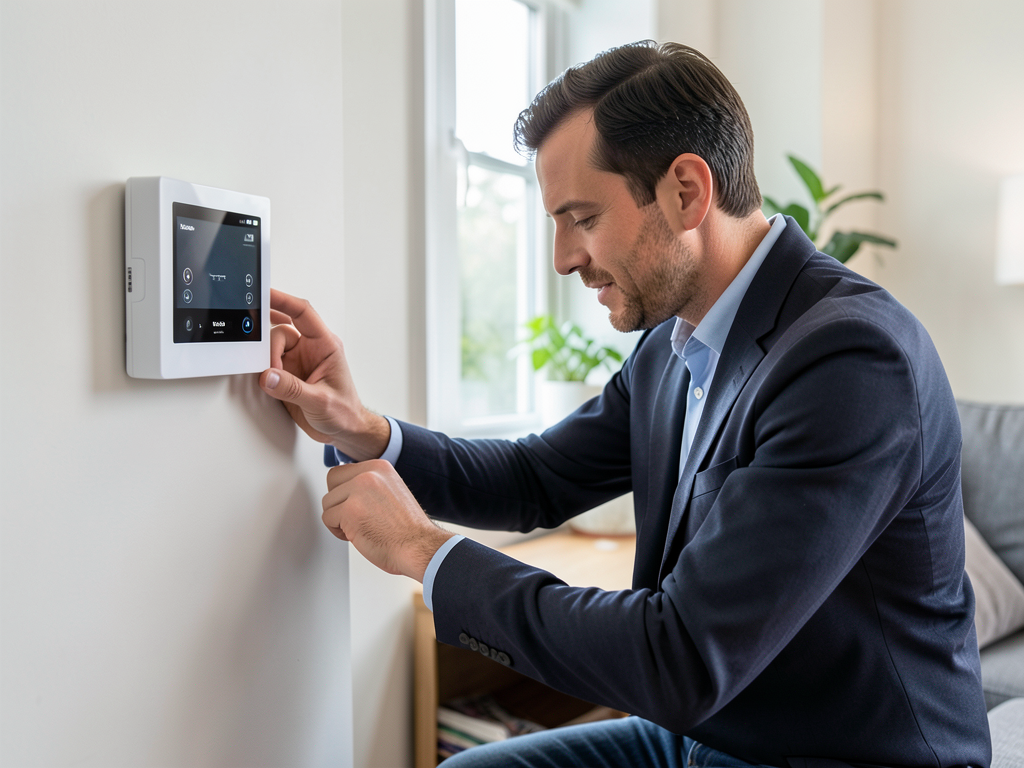
Integrating your security system with your HVAC for a safer Somerset home in 2026 Smart…
Your heating or cooling problem won't fix itself. Peak HVAC Seattle responds quickly with honest diagnosis and quality repairs. Call (564) 220-5899 now for same-day service. We answer phones 24 hours for emergencies and schedule standard appointments within 48 hours.