
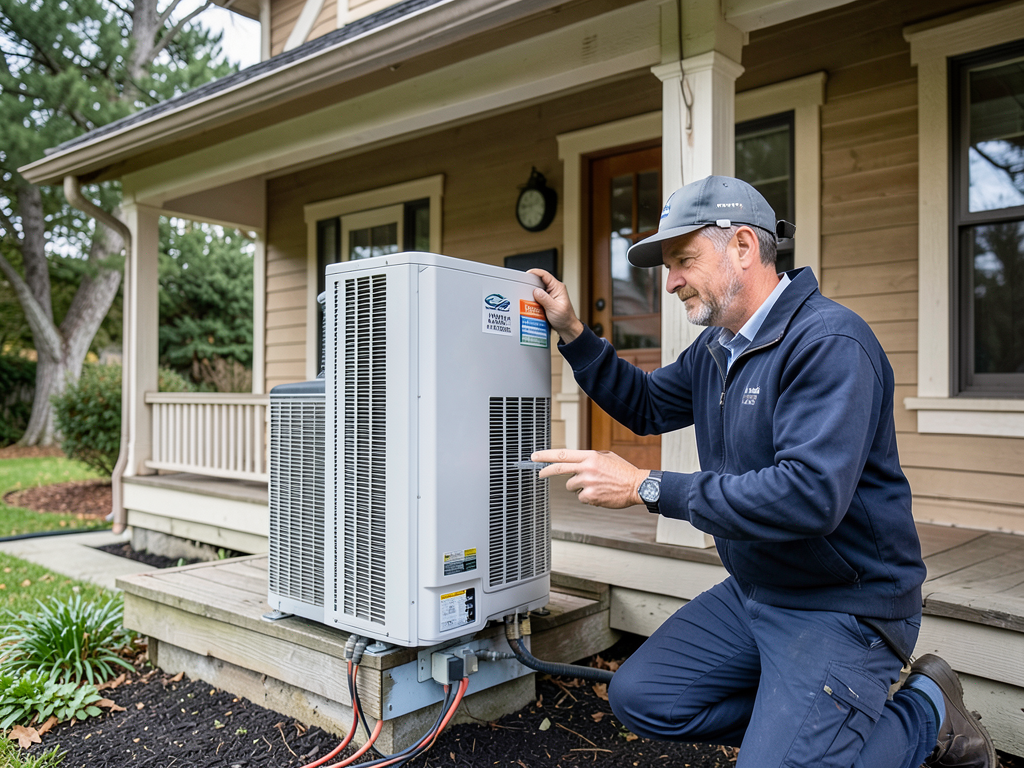
Ways to finance a new HVAC system for your Mount Baker home without breaking the bank
Replacing your HVAC system in Mount Baker doesn’t have to drain your savings account. With rising energy costs and Seattle’s damp climate putting extra strain on heating systems, many homeowners face the tough choice between comfort and affordability. The good news is that multiple financing options exist specifically for Mount Baker residents, combining federal tax credits, local utility rebates, and flexible payment plans to make high-efficiency heat pumps and furnaces more accessible than ever. Energy Star Federal Tax Credits.
Mount Baker’s historic homes built in the early 1900s often have aging HVAC systems that struggle with Seattle’s humidity and temperature swings. Modern high-efficiency systems can cut energy bills by 30-50%, but the upfront cost of $8,000-$15,000 can feel overwhelming. Smart financing turns this major expense into manageable monthly payments while taking advantage of thousands in available rebates and tax credits. Keeping your historic Queen Anne home cool with ductless AC options.
Why Mount Baker homeowners need modern HVAC financing
Seattle’s climate creates unique HVAC challenges. Mount Baker’s proximity to Lake Washington means higher humidity levels that accelerate wear on older systems. The area’s mix of craftsman bungalows and mid-century homes often have undersized ductwork or outdated electrical panels that need upgrades when installing modern heat pumps. These additional requirements can push installation costs higher than expected.. Read more about Integrating your HVAC system with solar panels in the Rainier Valley.
Energy prices in Washington State continue climbing, with Puget Sound Energy reporting a 12% increase in residential heating costs over the past three years. A new high-efficiency system typically pays for itself in 5-7 years through reduced utility bills, but most homeowners can’t wait that long for the return on investment. Financing bridges this gap by spreading costs over time while you start saving immediately. Puget Sound Energy Rebates.
Mount Baker’s housing stock includes many homes over 75 years old that still use original furnaces or window units. These systems often operate at 60-70% efficiency compared to today’s 95%+ efficient models. The difference means hundreds of dollars wasted each winter on heating that escapes through poorly insulated ducts or outdated equipment. Who to call for 24 hour emergency furnace repair in West Seattle.
Available financing options for Seattle HVAC installations
Several financing programs work together to make HVAC replacement affordable for Mount Baker homeowners. Understanding each option helps you maximize savings and choose the best combination for your situation.
Federal tax credits under the Inflation Reduction Act
The federal government offers up to $2,000 in tax credits for qualifying heat pump installations through 2032. This credit covers 30% of installation costs including equipment, labor, and necessary electrical upgrades. For a $12,000 system, that’s $3,600 back at tax time, though the credit caps at $2,000 per year.
Heat pumps must meet Energy Star certification and minimum efficiency standards to qualify. Ground-source heat pumps qualify for even larger credits up to $2,000, though installation costs are typically higher. The credit applies to your federal tax liability, so you need to owe taxes to benefit fully.
Puget Sound Energy rebates
Puget Sound Energy offers rebates up to $1,500 for high-efficiency heat pump installations. These rebates apply to both air-source and ground-source systems that meet specific efficiency ratings. The program requires installation by a certified contractor and includes an energy audit to verify savings.
Additional PSE rebates may be available for duct sealing, smart thermostats, and electrical panel upgrades. These can add $300-$800 to your total savings. Mount Baker homeowners often qualify for enhanced rebates if their homes are over 20 years old or if they’re replacing electric resistance heating.
Seattle City Light incentives
Seattle City Light provides rebates up to $1,200 for heat pump installations in homes served by their electrical grid. These incentives focus on reducing summer cooling demand and improving overall energy efficiency. The program prioritizes homes in Seattle’s urban core, making Mount Baker residents particularly eligible.
City Light also offers special programs for low-income households that can cover up to 90% of installation costs. These programs require income verification but provide substantial savings for qualifying Mount Baker residents.
Financing through HVAC contractors
Most reputable HVAC companies partner with financing institutions to offer flexible payment options. These programs often provide promotional rates and simplified approval processes specifically for home improvement projects. The best air conditioning options for bungalows and cottages around Green Lake.
0% APR promotional financing
Many contractors offer 12-18 months of 0% APR financing for qualified customers. These promotions allow you to spread payments without interest charges, making budgeting easier. After the promotional period, standard rates typically apply, so planning to pay off the balance during the introductory period maximizes savings.
Approval often happens within minutes during your consultation. These programs usually require good credit (typically 660+ FICO score) but have less stringent requirements than traditional bank loans.
Long-term fixed-rate financing
For larger projects or customers who prefer lower monthly payments, 5-10 year fixed-rate loans provide predictable budgeting. Rates typically range from 6-12% APR depending on credit score and loan amount. A $10,000 system might cost $110-$180 per month over 5-10 years.
These loans often have no prepayment penalties, allowing you to pay off early when you receive tax credits or rebates. Some programs even structure payments to align with expected rebate payments.
Lease-to-own programs
Lease-to-own options provide lower upfront costs with the option to purchase later. Monthly payments are typically 20-30% lower than traditional financing, but you don’t build equity until you exercise the purchase option. These programs work well for homeowners who need immediate relief from high energy bills but aren’t ready to commit to ownership.
Maintenance is often included in lease payments, providing additional peace of mind. At the end of the lease term, you can purchase the equipment at a predetermined price or upgrade to newer technology. Preventative HVAC maintenance plans that actually save money for Redmond families.
The 5-step process to affordable HVAC installation
Following a structured approach helps Mount Baker homeowners maximize savings while minimizing stress during the HVAC replacement process.
- Schedule a professional assessment
A certified HVAC technician evaluates your current system, home layout, and electrical capacity. This diagnostic includes checking ductwork integrity, measuring room volumes, and assessing insulation levels. The assessment typically costs $99-$199 but is often credited toward installation if you proceed.
- Explore rebate and credit eligibility
Your contractor should verify which federal, state, and local incentives apply to your specific situation. This includes checking your tax liability for credits, verifying PSE and City Light eligibility, and identifying any income-based programs you might qualify for.
- Compare financing offers
Review multiple financing options including contractor promotions, bank loans, and lease programs. Compare total costs including interest over the loan term, not just monthly payments. Some 0% APR offers with higher equipment costs may be better than lower monthly payments with interest.
- Schedule installation during off-peak seasons
Spring and fall typically offer better pricing and faster scheduling than winter emergencies. Contractors often provide seasonal discounts, and you avoid the premium rates charged during extreme weather events when demand spikes.
- Coordinate rebate paperwork and inspections
Many rebates require post-installation inspections and documentation. Your contractor should handle this process, ensuring you receive all available incentives. Keep copies of all paperwork for tax purposes and future reference.. Read more about A complete HVAC inspection checklist for people buying a home in Des Moines.
Mount Baker-specific considerations
Mount Baker’s unique characteristics affect HVAC installation and financing decisions. The neighborhood’s historic district status means exterior modifications require approval from the Mount Baker Community Club. Heat pump outdoor units must be positioned to minimize visual impact on historic facades.
Many Mount Baker homes built before 1940 have knob-and-tube wiring that can’t support modern HVAC systems. Electrical upgrades add $1,500-$3,000 to installation costs but may be partially covered by rebates. Some homes need panel upgrades from 60-amp to 100-amp or 200-amp service. Weekend HVAC Service.
The area’s mature tree canopy creates shade that reduces cooling loads but can block airflow around outdoor units. Strategic placement and proper clearance become critical for system efficiency. Some homes require tree trimming permits from the city before installation.
Cost comparison: Traditional vs. high-efficiency systems
| System Type | Upfront Cost | Annual Operating Cost | Lifetime Savings | Payback Period |
|---|---|---|---|---|
| Standard Efficiency | $6,000-$8,000 | $1,200-$1,500 | $0 | N/A |
| High-Efficiency Heat Pump | $10,000-$15,000 | $600-$900 | $6,000-$9,000 | 5-7 years |
| Ductless Mini-Split | $8,000-$12,000 | $500-$800 | $7,000-$10,000 | 4-6 years |
Credit score requirements and what they mean
Understanding credit score tiers helps you prepare for financing approval and anticipate interest rates. Different programs have varying requirements, and knowing where you stand prevents surprises during the application process.
| Credit Score Range | APR Range | Maximum Loan Amount | Typical Terms |
|---|---|---|---|
| 750+ | 4.99%-7.99% | $25,000+ | 60-120 months |
| 700-749 | 7.99%-11.99% | $20,000+ | 60-120 months |
| 660-699 | 11.99%-15.99% | $15,000+ | 36-84 months |
| 620-659 | 15.99%-19.99% | $10,000+ | 24-60 months |
Most HVAC financing programs require minimum scores of 620-640, though some promotional offers require 680+. If your score is below 620, consider credit-building strategies or exploring alternative financing through credit unions or energy efficiency programs.
Maximizing your HVAC investment
Beyond financing, several strategies help Mount Baker homeowners get the most value from their HVAC investment. Proper maintenance extends system life and maintains efficiency, while smart thermostat technology optimizes performance.
Smart thermostats typically cost $150-$300 but can reduce energy consumption by 10-15%. Many utility rebate programs cover part or all of this cost. Wi-Fi enabled models allow remote monitoring and adjustment, preventing energy waste when you’re away from home.
Regular maintenance including filter changes, coil cleaning, and system inspections prevents costly repairs and maintains efficiency. Annual maintenance contracts typically cost $150-$300 per year but can extend system life by 3-5 years.
Consider zoning systems for multi-story Mount Baker homes. These allow different temperature settings for different areas, reducing energy waste in unused spaces. While adding $1,000-$2,500 to installation costs, zoning can improve comfort and efficiency significantly.
Emergency financing for system failures
When your furnace fails during a Seattle cold snap, waiting for traditional financing isn’t an option. Many contractors offer expedited approval processes for emergency replacements, often providing same-day approval and next-day installation.
Emergency financing typically has higher interest rates but provides immediate relief. Some programs offer bridge loans that cover the full cost with terms designed for quick payoff once you receive tax credits or rebates. These short-term loans (3-12 months) often have lower rates than standard emergency financing.
Mount Baker’s older homes are particularly vulnerable to winter failures due to age and Seattle’s humidity accelerating component wear. Having a financing plan ready before emergencies occur reduces stress and prevents rushed decisions that cost more long-term.
Frequently Asked Questions
What credit score do I need to finance a new HVAC system?
Most HVAC financing programs require credit scores of 620 or higher, though the best rates and terms typically require scores above 680. Some promotional offers may require scores of 700+. If your credit score is lower, consider credit union loans or exploring income-based assistance programs through Seattle City Light.
How do I qualify for the federal tax credit?
To qualify for the federal 25C tax credit, you must owe federal income taxes in the year you claim the credit. The system must be Energy Star certified and installed in your primary residence. Keep all receipts and certification documents for your tax preparer. The credit applies to 30% of costs up to $2,000 per year.
Can I combine multiple rebates and credits?
Yes, you can typically combine federal tax credits, state rebates, and local utility incentives. However, some programs have specific rules about stacking benefits. For example, PSE rebates may reduce your federal credit calculation. Your contractor should help navigate these requirements to maximize your total savings.
How long does the financing approval process take?
Most HVAC financing approvals happen within minutes during your initial consultation. Emergency approvals can be even faster, sometimes within 30 minutes. Traditional bank loans for HVAC projects typically take 2-5 business days for approval and funding.
What happens if I sell my home before the financing is paid off?
Most HVAC financing agreements are personal loans that you’re responsible for regardless of home ownership. Some programs allow the loan to transfer to the new owner if they qualify, while others require payoff at sale. Check your specific agreement terms before proceeding with financing.
Are there financing options for renters who want to improve their HVAC system?
Most HVAC financing programs require property ownership since the improvements become part of the home’s value. However, some landlords may qualify for financing to upgrade rental properties, especially if tenants agree to modest rent increases to cover costs. Energy efficiency improvements may qualify for special programs through local housing authorities.
How do I know if my home qualifies for enhanced rebates?
Homes over 20 years old, those with electric resistance heating, and properties in certain Seattle neighborhoods often qualify for enhanced rebates. Your HVAC contractor can perform an energy assessment to determine eligibility. Seattle City Light and PSE websites also provide qualification tools and income-based program information.
What’s the difference between a heat pump and traditional furnace financing?
Heat pump installations typically qualify for larger rebates and tax credits because they provide both heating and cooling. Federal credits cap at $2,000 but cover 30% of costs. Traditional furnaces may have smaller incentives but often have lower upfront costs. Your contractor can compare lifetime costs including energy savings for both options.
Call (564) 220-5899 today to schedule your free HVAC assessment and explore financing options that make your Mount Baker home more comfortable without breaking the bank. Our team specializes in navigating rebates and tax credits to maximize your savings while providing transparent pricing and flexible payment plans.
You may also find this helpful. Deciding between a tankless or traditional water heater for your Madison Park remodel.
{
“@context”: “https://schema.org”,
“@type”: “BlogPosting”,
“headline”: “Ways to finance a new HVAC system for your Mount Baker home without breaking the bank”,
“description”: “Discover flexible HVAC financing options for Mount Baker homeowners in Seattle. Learn about rebates, tax credits, and payment plans that make new heat pumps affordable.”,
“wordCount”: 2251,
“datePublished”: “2026-03-19T14:15:00.000Z”,
“dateModified”: “2026-03-19T14:15:00.000Z”,
“inLanguage”: “en-US”,
“mainEntityOfPage”: {
“@type”: “WebPage”,
“@id”: “https://peakhvacseattle.com”
},
“publisher”: {
“@type”: “LocalBusiness”,
“name”: “Peak HVAC Seattle”,
“url”: “https://peakhvacseattle.com”
},
“author”: {
“@type”: “Organization”,
“name”: “Peak HVAC Seattle”,
“url”: “https://peakhvacseattle.com”
},
“image”: {
“@type”: “ImageObject”,
“url”: “https://peakhvacseattle.com/wp-content/uploads/2026/03/ways-to-finance-a-new-hvac-system-for-your-mount-b-1.png”
}
}
{
“@context”: “https://schema.org”,
“@type”: “HVACBusiness”,
“name”: “Peak HVAC Seattle”,
“url”: “https://peakhvacseattle.com”,
“address”: {
“@type”: “PostalAddress”,
“addressLocality”: “Seattle”
},
“areaServed”: {
“@type”: “City”,
“name”: “Seattle”
}
}
{
“@context”: “https://schema.org”,
“@type”: “FAQPage”,
“mainEntity”: [
{
“@type”: “Question”,
“name”: “What credit score do I need to finance a new HVAC system?”,
“acceptedAnswer”: {
“@type”: “Answer”,
“text”: “Most HVAC financing programs require credit scores of 620 or higher, though the best rates and terms typically require scores above 680. Some promotional offers may require scores of 700+. If your credit score is lower, consider credit union loans or exploring income-based assistance programs through Seattle City Light.”
}
},
{
“@type”: “Question”,
“name”: “How do I qualify for the federal tax credit?”,
“acceptedAnswer”: {
“@type”: “Answer”,
“text”: “To qualify for the federal 25C tax credit, you must owe federal income taxes in the year you claim the credit. The system must be Energy Star certified and installed in your primary residence. Keep all receipts and certification documents for your tax preparer. The credit applies to 30% of costs up to $2,000 per year.”
}
},
{
“@type”: “Question”,
“name”: “Can I combine multiple rebates and credits?”,
“acceptedAnswer”: {
“@type”: “Answer”,
“text”: “Yes, you can typically combine federal tax credits, state rebates, and local utility incentives. However, some programs have specific rules about stacking benefits. For example, PSE rebates may reduce your federal credit calculation. Your contractor should help navigate these requirements to maximize your total savings.”
}
},
{
“@type”: “Question”,
“name”: “How long does the financing approval process take?”,
“acceptedAnswer”: {
“@type”: “Answer”,
“text”: “Most HVAC financing approvals happen within minutes during your initial consultation. Emergency approvals can be even faster, sometimes within 30 minutes. Traditional bank loans for HVAC projects typically take 2-5 business days for approval and funding.”
}
},
{
“@type”: “Question”,
“name”: “What happens if I sell my home before the financing is paid off?”,
“acceptedAnswer”: {
“@type”: “Answer”,
“text”: “Most HVAC financing agreements are personal loans that you’re responsible for regardless of home ownership. Some programs allow the loan to transfer to the new owner if they qualify, while others require payoff at sale. Check your specific agreement terms before proceeding with financing.”
}
},
{
“@type”: “Question”,
“name”: “Are there financing options for renters who want to improve their HVAC system?”,
“acceptedAnswer”: {
“@type”: “Answer”,
“text”: “Most HVAC financing programs require property ownership since the improvements become part of the home’s value. However, some landlords may qualify for financing to upgrade rental properties, especially if tenants agree to modest rent increases to cover costs. Energy efficiency improvements may qualify for special programs through local housing authorities.”
}
},
{
“@type”: “Question”,
“name”: “How do I know if my home qualifies for enhanced rebates?”,
“acceptedAnswer”: {
“@type”: “Answer”,
“text”: “Homes over 20 years old, those with electric resistance heating, and properties in certain Seattle neighborhoods often qualify for enhanced rebates. Your HVAC contractor can perform an energy assessment to determine eligibility. Seattle City Light and PSE websites also provide qualification tools and income-based program information.”
}
},
{
“@type”: “Question”,
“name”: “What’s the difference between a heat pump and traditional furnace financing?”,
“acceptedAnswer”: {
“@type”: “Answer”,
“text”: “Heat pump installations typically qualify for larger rebates and tax credits because they provide both heating and cooling. Federal credits cap at $2,000 but cover 30% of costs. Traditional furnaces may have smaller incentives but often have lower upfront costs. Your contractor can compare lifetime costs including energy savings for both options.”
}
}
]
}
{
“@context”: “https://schema.org”,
“@type”: “HowTo”,
“name”: “How to Finance Your HVAC System”,
“step”: [
{
“@type”: “HowToStep”,
“position”: 1,
“name”: “Schedule a professional assessment”,
“text”: “A certified HVAC technician evaluates your current system, home layout, and electrical capacity. This diagnostic includes checking ductwork integrity, measuring room volumes, and assessing insulation levels. The assessment typically costs $99-$199 but is often credited toward installation if you proceed.”
},
{
“@type”: “HowToStep”,
“position”: 2,
“name”: “Explore rebate and credit eligibility”,
“text”: “Your contractor should verify which federal, state, and local incentives apply to your specific situation. This includes checking your tax liability for credits, verifying PSE and City Light eligibility, and identifying any income-based programs you might qualify for.”
},
{
“@type”: “HowToStep”,
“position”: 3,
“name”: “Compare financing offers”,
“text”: “Review multiple financing options including contractor promotions, bank loans, and lease programs. Compare total costs including interest over the loan term, not just monthly payments. Some 0% APR offers with higher equipment costs may be better than lower monthly payments with interest.”
},
{
“@type”: “HowToStep”,
“position”: 4,
“name”: “Schedule installation during off-peak seasons”,
“text”: “Spring and fall typically offer better pricing and faster scheduling than winter emergencies. Contractors often provide seasonal discounts, and you avoid the premium rates charged during extreme weather events when demand spikes.”
},
{
“@type”: “HowToStep”,
“position”: 5,
“name”: “Coordinate rebate paperwork and inspections”,
“text”: “Many rebates require post-installation inspections and documentation. Your contractor should handle this process, ensuring you receive all available incentives. Keep copies of all paperwork for tax purposes and future reference.”
}
],
“image”: “https://peakhvacseattle.com/wp-content/uploads/2026/03/ways-to-finance-a-new-hvac-system-for-your-mount-b-1.png”
}
{
“@context”: “https://schema.org”,
“@type”: “BreadcrumbList”,
“itemListElement”: [
{
“@type”: “ListItem”,
“position”: 1,
“name”: “Home”,
“item”: “https://peakhvacseattle.com”
},
{
“@type”: “ListItem”,
“position”: 2,
“name”: “Blog”,
“item”: “https://peakhvacseattle.com/blog”
},
{
“@type”: “ListItem”,
“position”: 3,
“name”: “Ways to finance a new HVAC system for your Mount Baker home without breaking the bank”
}
]
}
{
“@context”: “https://schema.org”,
“@type”: “Service”,
“serviceType”: “HVAC”,
“provider”: {
“@type”: “LocalBusiness”,
“name”: “Peak HVAC Seattle”,
“url”: “https://peakhvacseattle.com”
},
“areaServed”: {
“@type”: “City”,
“name”: “Seattle”
},
“description”: “Discover flexible HVAC financing options for Mount Baker homeowners in Seattle. Learn about rebates, tax credits, and payment plans that make new heat pumps affordable.”
}