
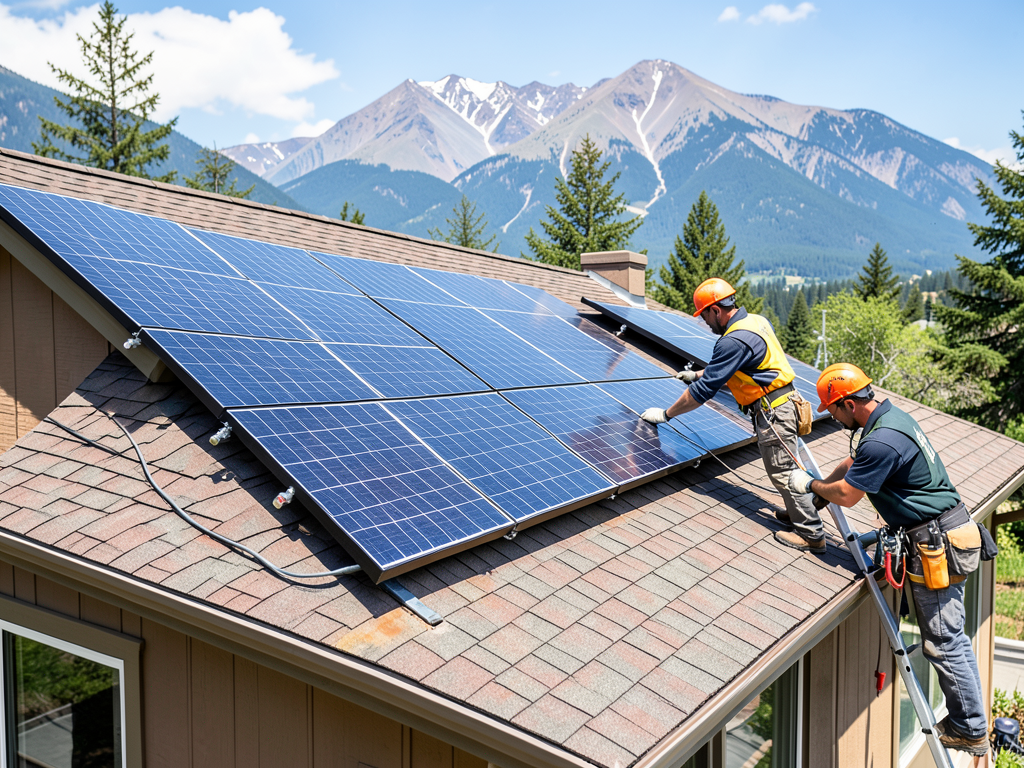
Integrating your HVAC system with solar panels in the Rainier Valley
Rainier Valley homeowners can cut heating and cooling costs by up to 70% by pairing modern heat pumps with solar panels. Seattle’s net metering policy and federal tax credits make this combination more affordable than ever in 2026. With proper system sizing, your HVAC can run almost entirely on clean energy even during our cloudy winters. Seattle City Light net metering.
Modern photovoltaic panels produce power even on overcast days, and Washington’s tiered electricity rates mean every solar watt offsets expensive peak-hour energy use. A correctly sized solar array can cover the annual electricity needs of a high-efficiency heat pump, eliminating most utility bills. The upfront investment typically pays for itself in 6-10 years through energy savings and available rebates. Why your Ballard home needs professional furnace repair before the first freeze.
Peak HVAC Seattle designs solar-ready HVAC systems that handle Seattle’s unique climate challenges. Our technicians calculate exact heating loads for your home’s insulation, windows, and square footage to match the right solar capacity. We handle permits, coordinate with Seattle City Light for net metering, and ensure your system meets all Washington State Mechanical Code requirements.
Why Rainier Valley homes are perfect for solar HVAC
Rainier Valley’s mix of mid-century and newer homes offers great roof space for solar panels while needing efficient heating for our damp winters. South-facing roofs without tall trees can generate 80-90% of a heat pump’s annual electricity needs. The area’s moderate temperatures mean heat pumps work efficiently year-round without extreme cold spikes that drain power.
Seattle City Light’s net metering program credits you for excess solar production during summer, building a bank of energy you can draw from in winter. This matters because Rainier Valley homes use more electricity for heating than cooling. The utility’s time-of-use rates also mean solar power offsets the most expensive energy during evening peak hours.
Local building codes require specific clearances and structural assessments for rooftop solar installations. Peak HVAC Seattle’s team knows Rainier Valley’s inspection requirements and ensures your system passes on the first try. We also consider factors like roof age, chimney placement, and nearby trees that affect long-term solar production.
Types of solar-ready HVAC systems for Seattle homes
Air-source heat pumps are the most common solar-compatible HVAC choice in Rainier Valley. These units use electricity to move heat rather than generate it, making them three to four times more efficient than electric resistance heating. Modern heat pumps with SEER2 ratings of 18+ and HSPF2 ratings of 10+ provide reliable heating even when temperatures drop to 20°F.
Hybrid systems combine a heat pump with a gas furnace backup for the coldest days. This setup reduces solar panel requirements while maintaining efficiency. Geothermal heat pumps, though more expensive to install, use stable ground temperatures to achieve even higher efficiency and work perfectly with solar arrays.
DC-powered HVAC units can connect directly to solar panels without inverters, reducing system complexity and energy loss. These are ideal for off-grid applications or backup power during outages. AC-powered systems use standard inverters but offer more flexibility in panel placement and system expansion.
Learn more about emergency heating options if your solar HVAC needs backup during extreme weather.
Financial incentives that make solar HVAC affordable
The federal Investment Tax Credit (ITC) covers 30% of your total solar HVAC system cost through 2032. For a typical Rainier Valley home, this could mean $9,000-$12,000 back on your taxes. Washington State also exempts solar equipment from sales tax, saving another 6.5% on installation costs. Federal Solar Tax Credit.
Seattle City Light offers additional rebates for energy-efficient heat pumps and solar installations. Their program provides up to $1,500 for heat pump upgrades and $500 for solar assessments. Puget Sound Energy customers can access similar incentives through their Energy Efficiency program.
Net metering policies in Washington State allow you to sell excess solar power back to the grid at retail rates. Over a year, this can offset 100% of your HVAC electricity use. Some utilities also offer time-of-use rates that maximize solar savings by charging more during peak hours when your panels produce the most.
Peak HVAC Seattle helps you navigate all available incentives and handles the paperwork for tax credits and utility rebates. We provide detailed cost-benefit analyses showing exactly when your system will pay for itself based on your home’s energy usage patterns.
Calculating the right solar capacity for your HVAC
A typical Rainier Valley home with a 2,000-square-foot living space needs a 3-4 ton heat pump that uses 3,000-4,000 kWh annually for heating and cooling. To power this with solar, you’ll need a 4-6 kW solar array producing 4,000-6,000 kWh per year.
Seattle averages 3.5-4 peak sun hours daily, so a 5 kW system generates about 17.5-20 kWh on a sunny day. During our cloudiest winter months, production drops to 30-40% of peak capacity. Battery storage can bridge these gaps, storing excess summer production for winter use.
Roof orientation significantly affects solar production. South-facing roofs generate the most power, while east and west orientations produce 15-20% less. Peak HVAC Seattle’s solar assessment includes shade analysis using drone technology to identify trees, chimneys, and other obstructions that reduce panel efficiency.
System sizing also depends on your home’s insulation quality and air sealing. Older Rainier Valley homes often need smaller HVAC systems after proper weatherization, reducing solar requirements. We recommend starting with an energy audit to identify efficiency improvements before sizing your solar array.
Installation process and technical requirements
Solar HVAC installation in Rainier Valley requires permits from Seattle Department of Construction and Inspections. The process includes structural engineering review for rooftop panels, electrical permits for inverter installation, and HVAC permits for the heat pump system. Peak HVAC Seattle manages all permitting and coordinates inspections to minimize delays.
Roof condition is critical for solar installation. Your roof should have at least 10 years of life remaining before adding panels. We inspect for damaged shingles, soft spots, and proper flashing that could cause leaks. For homes with aging roofs, we coordinate with roofing contractors to ensure proper integration.
Battery storage options include Tesla Powerwall, Enphase, and LG Chem systems. These provide backup power during outages and help maximize solar self-consumption. A typical 10-13.5 kWh battery can power essential circuits for 24-48 hours, including your HVAC during moderate weather. The best air conditioning options for bungalows and cottages around Green Lake.
Smart thermostats optimize solar HVAC performance by learning your schedule and weather patterns. They can pre-cool or pre-heat your home during peak solar production hours, reducing evening grid usage. Integration with home automation systems allows remote monitoring and control of both solar production and HVAC operation.
Seasonal performance in Seattle’s climate
Seattle’s marine climate affects solar HVAC performance differently than other regions. Our mild summers mean air conditioning loads are lower than in hotter areas, reducing solar capacity requirements. However, our cloudy winters require careful system sizing to ensure adequate heating when solar production is lowest.
Modern heat pumps maintain efficiency in temperatures as low as 5°F, but Seattle rarely sees sustained cold below freezing. This means your heat pump can handle most winter heating needs without backup resistance heating that would drain solar batteries. The key is proper sizing for your home’s specific heat loss characteristics.
Humidity levels in Rainier Valley can affect both solar panel efficiency and HVAC performance. Panels lose about 0.5% efficiency per degree above 77°F, but Seattle’s moderate temperatures keep this minimal. High humidity can reduce heat pump efficiency slightly, but proper system sizing compensates for this effect.
Wind patterns around Beacon Hill and the Duwamish River valley can create microclimates that affect both solar production and heating needs. Peak HVAC Seattle’s local experience helps us account for these variations when designing your system. We consider factors like prevailing winds, fog patterns, and temperature inversions specific to your exact location.
Maintenance and long-term performance
Solar panels require minimal maintenance in Seattle’s climate. Rain naturally cleans most debris, but occasional washing removes bird droppings and pollen that can reduce efficiency by 5-10%. Annual inspections check for loose connections, cracked panels, and proper inverter operation. Most panels carry 25-year warranties guaranteeing at least 80% of original output. Preventative HVAC maintenance plans that actually save money for Redmond families.
Heat pumps need regular filter changes and coil cleaning to maintain efficiency. In Rainier Valley’s damp climate, checking for condensate drain blockages prevents water damage. Annual professional maintenance includes checking refrigerant levels, cleaning coils, and testing electrical connections. Well-maintained systems can last 15-20 years. Commercial Duct Cleaning.
Solar monitoring systems track panel performance and alert you to issues like shading from new tree growth or failing components. Many systems include mobile apps showing real-time production, consumption, and battery status. This visibility helps you optimize usage patterns to maximize solar benefits.
Peak HVAC Seattle offers maintenance plans specifically for solar HVAC systems. Our technicians are trained in both HVAC and solar technologies, ensuring comprehensive service. We provide 24/7 emergency support for critical heating and cooling issues, even on weekends and holidays. Weekend HVAC Service.
Comparing utility options for net metering
Seattle City Light offers the most favorable net metering terms for solar HVAC users. Their program credits you at full retail rates for excess production and allows annual true-up of any remaining credits. The utility’s progressive rate structure means solar power offsets your most expensive energy first.
Puget Sound Energy has different net metering rules that can affect your solar economics. Their program uses a monthly true-up rather than annual, which can result in losing credits if you produce more than you use in a month. However, PSE’s higher electricity rates in some areas can make solar more valuable.
Time-of-use rates add another dimension to solar economics. Seattle City Light’s peak hours typically align with solar production in summer but not winter. Understanding these patterns helps optimize system sizing and battery storage capacity. Peak HVAC Seattle analyzes your specific utility’s rate structure to maximize your savings.
Some utilities also offer demand charges that can affect commercial solar HVAC installations. These charges are based on your highest power draw during peak hours, making battery storage more valuable for reducing demand fees. We help businesses understand these complex rate structures when designing commercial solar HVAC systems.
Getting started with your solar HVAC project
The first step is a comprehensive energy assessment of your Rainier Valley home. This includes analyzing your past energy bills, inspecting your home’s insulation and air sealing, and evaluating your roof for solar potential. We use thermal imaging to identify heat loss areas that affect HVAC sizing.
Next, we design a system that meets your specific needs and budget. This includes selecting the right heat pump size, determining optimal solar array capacity, and recommending battery storage if desired. We provide detailed proposals showing equipment specifications, installation timelines, and projected energy savings.
Permitting typically takes 2-4 weeks depending on Seattle’s current workload. Once permits are approved, installation takes 3-5 days for most residential systems. This includes removing old equipment, installing the new heat pump, mounting solar panels, and connecting the electrical system.
After installation, we handle utility interconnection and commissioning. This includes setting up net metering accounts, programming smart thermostats, and training you on system operation. We provide ongoing support and monitoring to ensure your system performs as designed.
Ready to eliminate your HVAC energy bills? Call (564) 220-5899 today to schedule your free solar assessment. Our Rainier Valley experts will show you exactly how much you can save with solar-powered heating and cooling.
Frequently Asked Questions
How much does a solar HVAC system cost in Rainier Valley?
A complete solar HVAC system for a typical Rainier Valley home costs $25,000-$35,000 before incentives. After federal tax credits and Washington State sales tax exemption, your net cost is usually $15,000-$20,000. The exact price depends on your home’s size, insulation quality, and solar access.
Can solar panels power my furnace during a winter storm?
Modern heat pumps use electricity instead of gas, so solar panels can power them during outages if you have battery backup. A typical 10 kWh battery can run a heat pump for 8-12 hours in moderate weather. For extended outages, we recommend supplemental backup heating options.
How long does it take to install solar HVAC in Seattle?
From initial consultation to final commissioning, the process takes 6-8 weeks. Permitting takes 2-4 weeks, installation requires 3-5 days, and utility interconnection adds another 1-2 weeks. Peak HVAC Seattle can often expedite permitting through our established relationships with local inspectors.
Will my solar panels still work during Seattle’s cloudy winters?
Yes, solar panels produce power even on cloudy days, though at reduced efficiency. Modern panels generate 10-25% of their rated capacity during heavy overcast conditions. Seattle’s net metering program lets you bank excess summer production to offset winter deficits, ensuring year-round energy availability.
What maintenance do solar HVAC systems require?
Solar panels need occasional cleaning and annual inspections. Heat pumps require filter changes every 1-3 months and annual professional maintenance. Battery systems need periodic capacity testing. Peak HVAC Seattle offers maintenance plans that include all these services to keep your system running at peak efficiency.
{
“@context”: “https://schema.org”,
“@type”: “BlogPosting”,
“headline”: “Integrating your HVAC system with solar panels in the Rainier Valley”,
“description”: “Learn how to power your Rainier Valley HVAC with solar panels. Discover local incentives, installation tips, and cost savings specific to Seattle’s climate and energy rates.”,
“wordCount”: 2194,
“datePublished”: “2026-04-09T08:25:00.000Z”,
“dateModified”: “2026-04-09T08:25:00.000Z”,
“inLanguage”: “en-US”,
“mainEntityOfPage”: {
“@type”: “WebPage”,
“@id”: “https://peakhvacseattle.com”
},
“publisher”: {
“@type”: “LocalBusiness”,
“name”: “Peak HVAC Seattle”,
“url”: “https://peakhvacseattle.com”
},
“author”: {
“@type”: “Organization”,
“name”: “Peak HVAC Seattle”,
“url”: “https://peakhvacseattle.com”
},
“image”: {
“@type”: “ImageObject”,
“url”: “https://peakhvacseattle.com/wp-content/uploads/2026/03/integrating-your-hvac-system-with-solar-panels-in-1.png”
}
}
{
“@context”: “https://schema.org”,
“@type”: “HVACBusiness”,
“name”: “Peak HVAC Seattle”,
“url”: “https://peakhvacseattle.com”,
“address”: {
“@type”: “PostalAddress”,
“addressLocality”: “Seattle”
},
“areaServed”: {
“@type”: “City”,
“name”: “Seattle”
}
}
{
“@context”: “https://schema.org”,
“@type”: “FAQPage”,
“mainEntity”: [
{
“@type”: “Question”,
“name”: “How much does a solar HVAC system cost in Rainier Valley?”,
“acceptedAnswer”: {
“@type”: “Answer”,
“text”: “A complete solar HVAC system for a typical Rainier Valley home costs $25,000-$35,000 before incentives. After federal tax credits and Washington State sales tax exemption, your net cost is usually $15,000-$20,000. The exact price depends on your home’s size, insulation quality, and solar access.”
}
},
{
“@type”: “Question”,
“name”: “Can solar panels power my furnace during a winter storm?”,
“acceptedAnswer”: {
“@type”: “Answer”,
“text”: “Modern heat pumps use electricity instead of gas, so solar panels can power them during outages if you have battery backup. A typical 10 kWh battery can run a heat pump for 8-12 hours in moderate weather. For extended outages, we recommend supplemental backup heating options.”
}
},
{
“@type”: “Question”,
“name”: “How long does it take to install solar HVAC in Seattle?”,
“acceptedAnswer”: {
“@type”: “Answer”,
“text”: “From initial consultation to final commissioning, the process takes 6-8 weeks. Permitting takes 2-4 weeks, installation requires 3-5 days, and utility interconnection adds another 1-2 weeks. Peak HVAC Seattle can often expedite permitting through our established relationships with local inspectors.”
}
},
{
“@type”: “Question”,
“name”: “Will my solar panels still work during Seattle’s cloudy winters?”,
“acceptedAnswer”: {
“@type”: “Answer”,
“text”: “Yes, solar panels produce power even on cloudy days, though at reduced efficiency. Modern panels generate 10-25% of their rated capacity during heavy overcast conditions. Seattle’s net metering program lets you bank excess summer production to offset winter deficits, ensuring year-round energy availability.”
}
},
{
“@type”: “Question”,
“name”: “What maintenance do solar HVAC systems require?”,
“acceptedAnswer”: {
“@type”: “Answer”,
“text”: “Solar panels need occasional cleaning and annual inspections. Heat pumps require filter changes every 1-3 months and annual professional maintenance. Battery systems need periodic capacity testing. Peak HVAC Seattle offers maintenance plans that include all these services to keep your system running at peak efficiency.”
}
}
]
}
{
“@context”: “https://schema.org”,
“@type”: “BreadcrumbList”,
“itemListElement”: [
{
“@type”: “ListItem”,
“position”: 1,
“name”: “Home”,
“item”: “https://peakhvacseattle.com”
},
{
“@type”: “ListItem”,
“position”: 2,
“name”: “Blog”,
“item”: “https://peakhvacseattle.com/blog”
},
{
“@type”: “ListItem”,
“position”: 3,
“name”: “Integrating your HVAC system with solar panels in the Rainier Valley”
}
]
}
{
“@context”: “https://schema.org”,
“@type”: “Service”,
“serviceType”: “HVAC”,
“provider”: {
“@type”: “LocalBusiness”,
“name”: “Peak HVAC Seattle”,
“url”: “https://peakhvacseattle.com”
},
“areaServed”: {
“@type”: “City”,
“name”: “Seattle”
},
“description”: “Learn how to power your Rainier Valley HVAC with solar panels. Discover local incentives, installation tips, and cost savings specific to Seattle’s climate and energy rates.”
}