
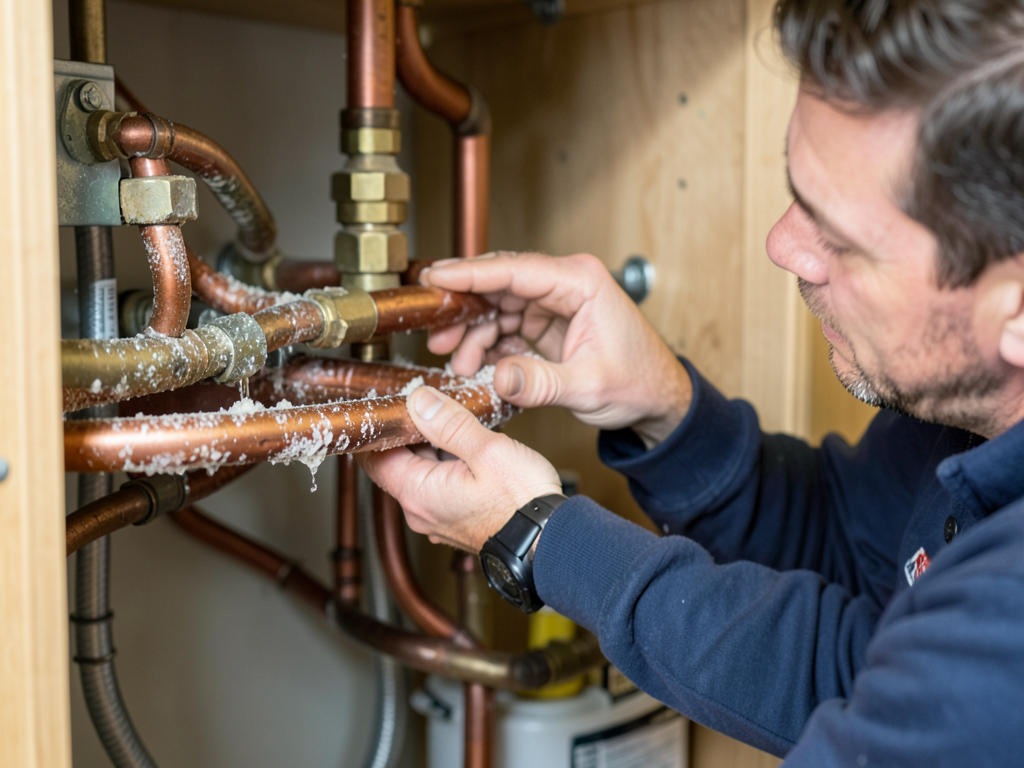
Understanding water source heat pumps in Belltown high rise condos
Water source heat pumps in Belltown high rise condos use a closed-loop system connected to a central boiler and cooling tower. These systems provide efficient heating and cooling by transferring heat between the water loop and your unit. Unlike traditional air-source systems, WSHPs don’t have outdoor condensers and instead rely on the building’s water infrastructure.. Read more about Heating and cooling challenges for floating homes in Portage Bay.
Belltown’s high-rise developments, particularly along 5th Avenue and near the Seattle Center, commonly use these systems due to their compact design and energy efficiency in multi-unit buildings. Understanding how your unit works helps you recognize when something goes wrong and communicate effectively with technicians. Seattle City Light energy efficiency tips.
How water source heat pumps differ from traditional HVAC systems
Traditional residential HVAC systems use outdoor condensers and indoor air handlers connected by refrigerant lines. Water source heat pumps eliminate the outdoor unit entirely. Instead, they connect to your building’s central water loop through a coaxial heat exchanger inside the unit.
The building’s central plant maintains the water loop at specific temperatures year-round. In summer, the cooling tower removes heat from the loop. In winter, the boiler adds heat. Your individual unit then either adds or removes heat from this circulating water to condition your space.
This design means individual unit failures rarely affect the entire building. However, problems with the central plant or water loop can impact multiple units simultaneously.
Common water source heat pump problems in Belltown condos
Water source heat pumps experience several failure patterns specific to their design. The most frequent issue involves the coaxial heat exchanger becoming scaled or fouled, especially in buildings with hard water. This reduces heat transfer efficiency and causes the unit to run longer cycles.
Refrigerant leaks in the sealed refrigeration circuit are another common problem. Unlike traditional systems where you might see oil stains on an outdoor unit, WSHP leaks often appear as ice formation on the internal coils or a gradual loss of cooling capacity.
Signs your condo heat pump needs repair
Watch for these warning signs that indicate your WSHP needs attention. No cooling or heating when the thermostat calls for it often indicates compressor failure or control board issues. Unusual noises like grinding, clicking, or rattling suggest failing bearings or loose components. Why your Ballard home needs professional furnace repair before the first freeze.
Water leaking from the unit typically means a clogged condensate drain or a cracked condensate pan. Excessive vibration can indicate an unbalanced blower wheel or failing compressor mounts. Short cycling where the unit turns on and off rapidly often points to thermostat problems or refrigerant issues.
Understanding your building’s water loop system
Your condo’s water source heat pump connects to a larger building-wide system. The central plant typically includes a boiler for winter heating and a cooling tower for summer cooling. These maintain the loop water temperature between approximately 60°F and 90°F.
The water loop circulates through each floor’s mechanical room, with individual units tapping into the loop through isolation valves. Building management monitors loop pressure and temperature. If the loop temperature drifts outside normal ranges, it affects all connected units.
Brands commonly found in Seattle high-rise buildings
Several manufacturers dominate the Seattle condo market. ClimateMaster produces units widely installed in buildings from the 1980s through present. Their horizontal and vertical configurations fit various closet and ceiling space constraints.
Whalen Company units appear frequently in newer developments, particularly in South Lake Union and downtown Seattle. These often feature improved energy efficiency and quieter operation. Carrier and Daikin also have significant market share in Seattle’s high-rise market.
The repair process for condo water source heat pumps
Professional repair follows a systematic approach. Technicians first verify the building’s water loop temperature and pressure, as these affect unit performance. They then check the unit’s control board for error codes, which provide specific diagnostic information.
Next comes testing the compressor, fan motor, and reversing valve operation. The coaxial heat exchanger requires inspection for scaling or fouling. Refrigerant levels must be checked, as WSHPs use sealed systems that rarely need charging unless there’s a leak.
HOA and building management coordination
Repairing WSHPs in condos requires coordination with building management. Technicians need access to mechanical rooms for loop isolation and may need to coordinate with other residents if multiple units require service. Weekend HVAC Service.
Most Seattle HOAs require technicians to provide certificates of insurance and sometimes need advance notice for after-hours work. Some buildings restrict service hours to minimize disruption to other residents.
Preventative maintenance for water source heat pumps
Annual maintenance prevents most major failures. This includes cleaning or replacing air filters monthly, checking condensate drain lines for clogs, and inspecting the blower wheel for dirt buildup. The heat exchanger should be cleaned every 2-3 years to prevent scaling. Preventative HVAC maintenance plans that actually save money for Redmond families.
Technicians should also check electrical connections for corrosion, test capacitor performance, and verify proper refrigerant charge. These simple steps extend unit life and prevent emergency breakdowns. Who to call for 24 hour emergency furnace repair in West Seattle.
Water quality and heat exchanger scaling
Seattle’s water quality affects WSHP performance. While not as hard as some regions, Seattle water contains minerals that can accumulate on heat exchanger surfaces over time. This scaling insulates the heat transfer surfaces, reducing efficiency.
Buildings with water softening systems see less scaling but may experience other issues like corrosion if the softener isn’t properly maintained. The Seattle Public Utilities water quality report shows seasonal variations that can affect system performance.
Energy efficiency considerations for WSHPs
Water source heat pumps typically achieve 20-30% better efficiency than comparable air-source systems. This efficiency comes from the stable water loop temperatures compared to fluctuating outdoor air temperatures.
However, building-wide efficiency depends on proper loop temperature management. If the central plant runs the loop too hot or too cold, individual units must work harder to achieve desired temperatures.
Emergency repair protocols for condo residents
When your WSHP fails, first check the thermostat settings and circuit breakers. If these don’t resolve the issue, contact building management to verify the water loop is operating normally. If the loop is fine, call a technician who specializes in WSHPs rather than general HVAC contractors.
Keep your unit’s model number and serial number handy when calling for service. This helps technicians bring appropriate parts and tools.
Cost factors for WSHP repairs in Seattle
Repair costs vary significantly based on the problem. Simple issues like clogged drains or dirty filters might cost $150-300. Heat exchanger cleaning ranges from $400-800. Compressor replacement typically costs $1,200-2,500 including labor. Commercial Duct Cleaning.
Emergency after-hours service adds 50-100% to standard rates. Some buildings charge technicians access fees that get passed to residents.
Replacement vs. repair decisions
Units over 15 years old with major failures often warrant replacement rather than repair. New units offer better efficiency and reliability. However, replacing a WSHP in a condo can be complicated by space constraints and building regulations.
Consider replacement if repair costs exceed 50% of a new unit’s price or if the unit has required multiple repairs in the past two years.
Local building codes and regulations
Seattle’s mechanical code requires specific installation practices for WSHPs in high-rises. Units must have proper condensate drainage to prevent water damage. Electrical connections require dedicated circuits with appropriate overcurrent protection.
The Seattle Energy Code mandates minimum efficiency standards for new installations. Building permits are required for unit replacements, and some buildings require HOA approval before any mechanical work.
Climate considerations for Seattle WSHPs
Seattle’s marine climate affects WSHP performance. High humidity increases condensate production and can lead to drain line clogs. The mild winters mean WSHPs rarely face extreme cold stress, but the damp conditions can accelerate corrosion of electrical components.
Summer heat waves, which have become more common in recent years, push units to their cooling limits. Units sized for typical Seattle weather may struggle during extended high-temperature periods.
Future trends in condo HVAC technology
Newer WSHP designs incorporate variable-speed compressors and smart controls for improved efficiency. Some buildings are exploring geothermal loops that could replace traditional boiler/tower systems, though the high retrofit cost limits adoption.
Internet-connected controls allow residents to monitor performance and receive alerts about potential issues before they cause failures.
Finding qualified technicians in Seattle
Not all HVAC technicians have experience with water source heat pumps. Look for contractors who specifically mention WSHP experience and familiarity with Seattle’s high-rise buildings. Ask about their experience with your unit’s brand and their understanding of building water loop systems.
Check reviews for mentions of condo work and verify they carry appropriate insurance for multi-family building service.
Frequently Asked Questions
How long do water source heat pumps typically last?
With proper maintenance, WSHPs in condos typically last 15-20 years. Units in buildings with good water quality and regular maintenance often reach the upper end of this range. Harsh water conditions or neglected maintenance can reduce lifespan to 10-12 years.
Can I replace my WSHP with a different brand?
Yes, but the replacement must match your building’s water loop specifications. The new unit needs the same capacity and should fit in the existing space. Some buildings have specific requirements for unit replacements, so check with building management before proceeding.
Why is my WSHP making a clicking noise?
Clicking noises often indicate a failing reversing valve or control relay. The reversing valve switches the unit between heating and cooling modes, and its solenoid can wear out over time. This is a common issue that requires professional diagnosis and repair.
Conclusion
Understanding your condo’s water source heat pump helps you maintain comfort and avoid unexpected breakdowns. These systems offer excellent efficiency but require specific knowledge for proper repair and maintenance. By recognizing warning signs early and working with qualified technicians familiar with Seattle’s high-rise buildings, you can keep your system running reliably for years to come.
Call (564) 220-5899 today to schedule your inspection. Our technicians specialize in Belltown high-rise water source heat pump systems and can diagnose problems quickly to get your comfort restored. For more information, visit ASHRAE standards for HVAC systems.
{
“@context”: “https://schema.org”,
“@type”: “BlogPosting”,
“headline”: “Understanding water source heat pumps in Belltown high rise condos”,
“description”: “Learn how water source heat pumps work in Belltown high-rises, common repair issues, and maintenance tips specific to Seattle’s condo buildings.”,
“wordCount”: 1689,
“datePublished”: “2026-04-10T09:35:00.000Z”,
“dateModified”: “2026-04-10T09:35:00.000Z”,
“inLanguage”: “en-US”,
“mainEntityOfPage”: {
“@type”: “WebPage”,
“@id”: “https://peakhvacseattle.com”
},
“publisher”: {
“@type”: “LocalBusiness”,
“name”: “Peak HVAC Seattle”,
“url”: “https://peakhvacseattle.com”
},
“author”: {
“@type”: “Organization”,
“name”: “Peak HVAC Seattle”,
“url”: “https://peakhvacseattle.com”
},
“image”: {
“@type”: “ImageObject”,
“url”: “https://peakhvacseattle.com/wp-content/uploads/2026/03/understanding-water-source-heat-pumps-in-belltown-1.png”
}
}
{
“@context”: “https://schema.org”,
“@type”: “HVACBusiness”,
“name”: “Peak HVAC Seattle”,
“url”: “https://peakhvacseattle.com”,
“address”: {
“@type”: “PostalAddress”,
“addressLocality”: “Seattle”
},
“areaServed”: {
“@type”: “City”,
“name”: “Seattle”
}
}
{
“@context”: “https://schema.org”,
“@type”: “FAQPage”,
“mainEntity”: [
{
“@type”: “Question”,
“name”: “How long do water source heat pumps typically last?”,
“acceptedAnswer”: {
“@type”: “Answer”,
“text”: “With proper maintenance, WSHPs in condos typically last 15-20 years. Units in buildings with good water quality and regular maintenance often reach the upper end of this range. Harsh water conditions or neglected maintenance can reduce lifespan to 10-12 years.”
}
},
{
“@type”: “Question”,
“name”: “Can I replace my WSHP with a different brand?”,
“acceptedAnswer”: {
“@type”: “Answer”,
“text”: “Yes, but the replacement must match your building’s water loop specifications. The new unit needs the same capacity and should fit in the existing space. Some buildings have specific requirements for unit replacements, so check with building management before proceeding.”
}
},
{
“@type”: “Question”,
“name”: “Why is my WSHP making a clicking noise?”,
“acceptedAnswer”: {
“@type”: “Answer”,
“text”: “Clicking noises often indicate a failing reversing valve or control relay. The reversing valve switches the unit between heating and cooling modes, and its solenoid can wear out over time. This is a common issue that requires professional diagnosis and repair.”
}
}
]
}
{
“@context”: “https://schema.org”,
“@type”: “BreadcrumbList”,
“itemListElement”: [
{
“@type”: “ListItem”,
“position”: 1,
“name”: “Home”,
“item”: “https://peakhvacseattle.com”
},
{
“@type”: “ListItem”,
“position”: 2,
“name”: “Blog”,
“item”: “https://peakhvacseattle.com/blog”
},
{
“@type”: “ListItem”,
“position”: 3,
“name”: “Understanding water source heat pumps in Belltown high rise condos”
}
]
}
{
“@context”: “https://schema.org”,
“@type”: “Service”,
“serviceType”: “HVAC”,
“provider”: {
“@type”: “LocalBusiness”,
“name”: “Peak HVAC Seattle”,
“url”: “https://peakhvacseattle.com”
},
“areaServed”: {
“@type”: “City”,
“name”: “Seattle”
},
“description”: “Learn how water source heat pumps work in Belltown high-rises, common repair issues, and maintenance tips specific to Seattle’s condo buildings.”
}