
Quick DIY energy checks for Skyway residents before calling a pro
Your energy bills climbing faster than Seattle’s summer temperatures? Before you pick up the phone to call an HVAC technician, there are five simple checks you can perform yourself that might solve the problem and save you money. In Skyway’s older homes, built during Seattle’s post-war boom, efficiency issues often stem from basic maintenance problems rather than major mechanical failures. Preventative HVAC maintenance plans that actually save money for Redmond families.
Start with your air filter. A clogged filter forces your system to work harder, increasing energy consumption by up to 15%. Check if light passes through it when held up to a lamp. If not, replace it with a MERV 8-11 rated filter—Skyway’s moderate humidity levels don’t require the MERV 13 filters needed for wildfire-prone areas east of Lake Washington.
Thermostat calibration is next. Set your thermostat to 68°F in winter and 78°F in summer. Use a separate thermometer to verify accuracy. A miscalibrated thermostat can cause your system to run longer than necessary, wasting energy and money.
Check your outdoor condenser unit. Skyway’s combination of pine trees and deciduous foliage means debris accumulation is common. Clear away leaves, grass clippings, and any vegetation within two feet of the unit. Ensure the unit sits level on its pad—settling is common in Skyway’s glacial till soil.
Inspect your ductwork in accessible areas. Look for disconnected joints, especially in crawlspaces where Skyway’s high water table can cause shifting. Seal small gaps with foil tape, not duct tape, which degrades quickly in Seattle’s damp climate.. Read more about Deciding between a quick furnace repair or a full replacement in your Greenwood home.
Finally, check your vents and registers. Ensure they’re not blocked by furniture, rugs, or curtains. Skyway’s mid-century homes often have floor registers that get covered over time, reducing airflow and forcing your system to work harder.
If these checks don’t resolve your issue, you may have a refrigerant leak, failing compressor, or duct leakage requiring professional tools and expertise. Call (564) 220-5899 to schedule an inspection with a technician who understands Skyway’s unique housing stock and climate challenges.
5 signs your HVAC system is losing efficiency
Energy efficiency problems develop gradually, making them easy to miss until your utility bill arrives. Here are five indicators that your system needs attention: Why your Ballard home needs professional furnace repair before the first freeze.
- Uneven temperatures between rooms – If your living room is comfortable but bedrooms remain cold, you may have duct leakage or airflow restrictions common in Skyway’s 1950s-era homes.
- System running constantly – Modern heat pumps should cycle on and off. Continuous operation suggests your system can’t meet demand, possibly due to low refrigerant or dirty coils.
- Strange noises – Grinding, squealing, or rattling sounds indicate mechanical wear. The bearings in older motors often fail during Skyway’s damp winters when moisture affects lubrication.
- Dust accumulation – Excessive dust around vents suggests leaky ductwork pulling in attic or crawlspace contaminants, a common issue in Skyway’s pier-and-beam foundations.
- Ice on refrigerant lines – Ice formation on copper lines outside your furnace indicates restricted airflow or refrigerant problems, both of which reduce efficiency.
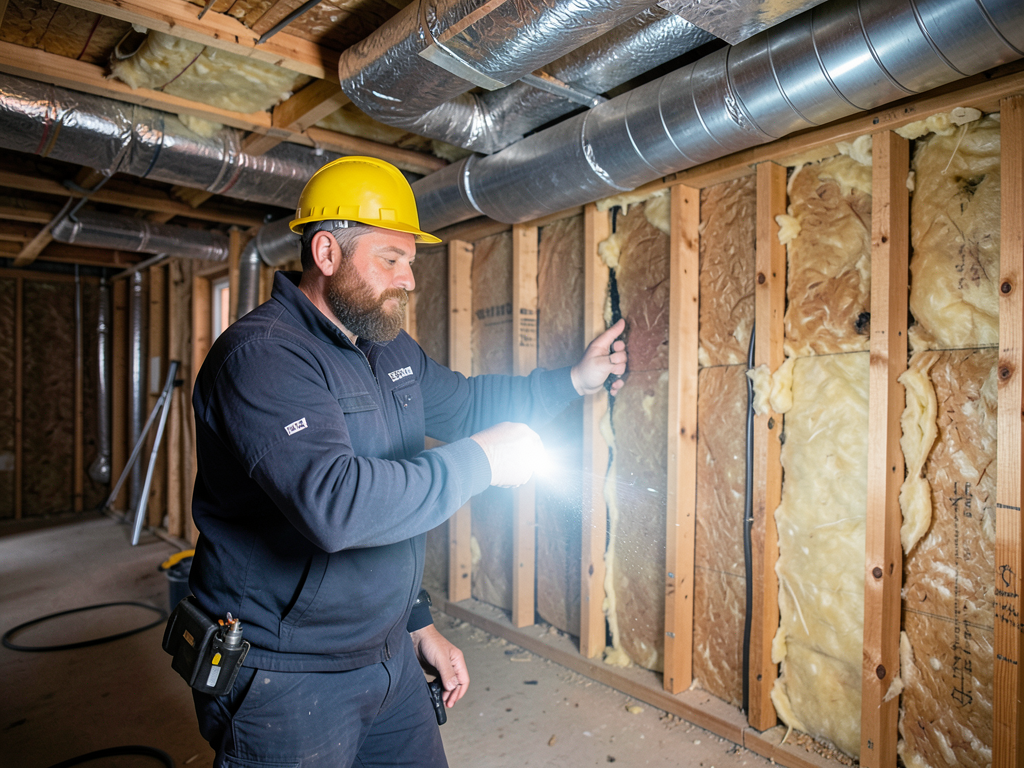
Diagram showing common efficiency problems in mid-century Seattle homes, including duct leakage, dirty coils, and thermostat misplacement.
DIY troubleshooting checklist before you call a pro
- Check and replace air filter
Locate your filter (typically in return duct or furnace cabinet). Hold it to a light source. If you can’t see light through it, replace with a new MERV 8-11 filter. For Skyway’s dust levels, check monthly during heavy use seasons. Who to call for 24 hour emergency furnace repair in West Seattle.
- Test thermostat accuracy
Place a reliable thermometer next to your thermostat. Wait 15 minutes and compare readings. If they differ by more than 2°F, your thermostat may need calibration or replacement. Many Skyway homes still have mercury thermostats that drift over time.
- Clean condenser coils
Turn off power at the breaker. Remove the top grille and gently clean coils with a soft brush or vacuum with brush attachment. Skyway’s combination of evergreen pollen and urban dust creates unique coil fouling patterns.
- Check refrigerant line insulation
Inspect the larger refrigerant line (suction line) for damaged or missing insulation. Compromised insulation causes energy loss and can lead to line freezing in Skyway’s temperature swings.. Read more about How Douglas fir needles can damage your AC unit in Olympic Hills.
- Test airflow at vents
Hold a tissue or light piece of paper near each vent with the system running. Weak airflow indicates duct problems or blower issues. Compare airflow between rooms to identify blockages.
Seattle-specific efficiency factors affecting Skyway homes
Skyway’s location in the Rainier Valley creates unique HVAC challenges. The area sits in a microclimate that’s slightly warmer and drier than downtown Seattle but more prone to temperature inversions than areas east of I-5.
Heat pumps, now standard in 68% of new Seattle installations according to Puget Sound Energy data, require specific maintenance in Skyway’s conditions. The area’s occasional temperature inversions can cause heat pumps to ice up more frequently than in other Seattle neighborhoods. Check your unit’s defrost cycle operation during cold mornings. Puget Sound Energy rebates.
Skyway’s housing stock presents particular challenges. Many homes built between 1945 and 1975 have original ductwork in unconditioned spaces. Washington State Energy Code now requires duct sealing to less than 6% leakage, but older systems often leak 20-30%, forcing your system to work harder.
The area’s glacial till soil, deposited by the Vashon Ice Sheet 14,000 years ago, affects outdoor unit installation. Units placed on improperly compacted fill settle unevenly, causing vibration and inefficiency. Check if your condenser sits level using a standard carpenter’s level.
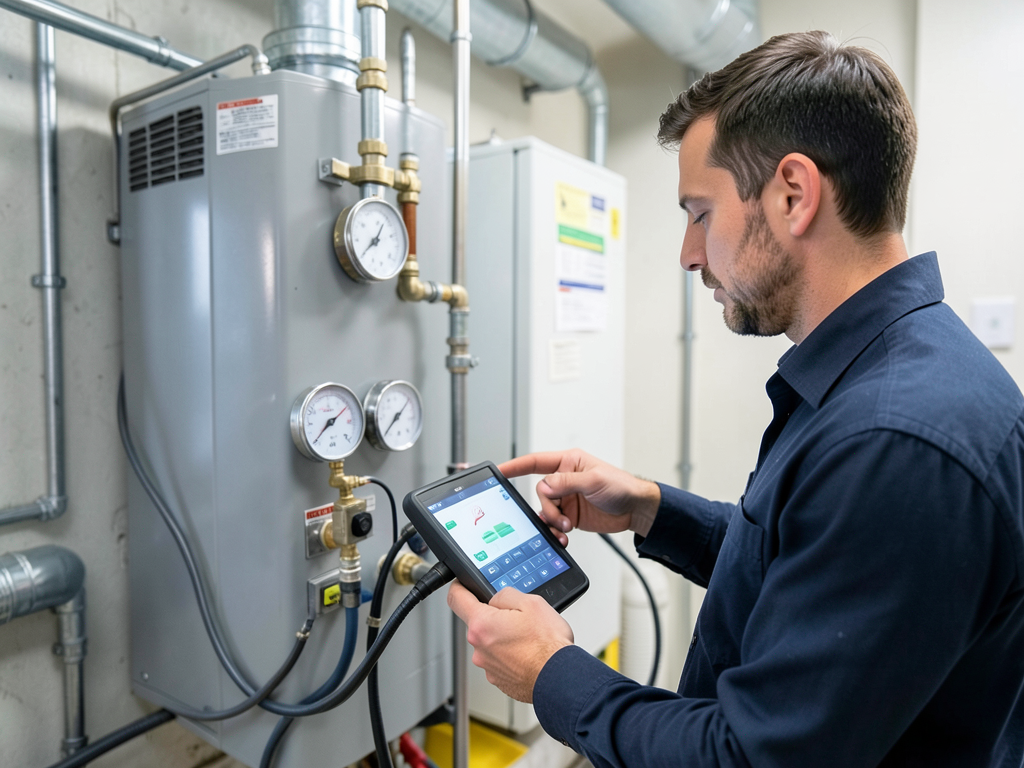
Technician using a digital manometer to test static pressure in a Skyway home’s duct system, identifying restrictions that reduce efficiency.
When professional intervention is required
DIY checks can resolve many issues, but certain problems require professional diagnosis and repair. Here’s when to call (564) 220-5899:
Refrigerant leaks cannot be fixed with consumer products. The EPA mandates that only certified technicians handle refrigerants under Section 608 of the Clean Air Act. Symptoms include hissing sounds, ice on lines, and gradually decreasing cooling capacity.. Read more about Affordable cooling options for first-time buyers in Roxhill.
Electrical issues pose safety hazards. If your breaker trips when the HVAC starts, or you notice burning smells, turn off the system immediately. Skyway’s older homes often have aluminum wiring that creates unique electrical challenges in HVAC systems.. Read more about What to do when your heat pump starts icing over in Victory Heights.
Duct leakage testing requires specialized equipment. A duct blaster test, which pressurizes your duct system to measure leakage, can identify problems that visual inspection misses. Homes in Skyway with accessible crawlspaces often show 25-40% leakage without testing.
Refrigerant charge verification requires manifold gauges and temperature measurement. Incorrect charge, whether from leaks or improper installation, can reduce efficiency by 20-30% and damage compressors.
Motor and compressor diagnostics need ammeters and multimeters. A failing motor draws excessive current, reducing efficiency and potentially causing electrical hazards. The sound of a failing bearing—a distinct rumbling or grinding—indicates imminent failure.
Maximizing ROI: local Seattle rebates and incentives
Seattle City Light and Puget Sound Energy offer rebates that can offset 30-50% of efficiency upgrade costs. Current programs include:
| Upgrade Type | Seattle City Light Rebate | PSE Rebate | Federal Tax Credit |
|---|---|---|---|
| Heat Pump Installation | Up to $1,500 | Up to $2,500 | 30% up to $2,000 |
| Duct Sealing | $250 flat | $250 flat | None |
| Smart Thermostat | $75 rebate | $75 rebate | None |
| High-Efficiency Furnace | Up to $700 | Up to $700 | 30% up to $600 |
Seattle’s Energy Smart Services program offers free energy audits for qualifying households. During these audits, technicians use thermal imaging cameras to identify heat loss patterns specific to Skyway’s housing stock. Weekend HVAC Service.
The Washington State Clean Energy Fund provides 0% financing for energy efficiency improvements, with terms up to 10 years. This program has helped over 5,000 Seattle homeowners upgrade their systems since 2022.
Before and after thermal imaging showing heat loss reduction after duct sealing in a Skyway rambler, with surface temperature differences of up to 18°F.
Frequently Asked Questions
How often should I change my air filter in Skyway?
Check your filter monthly during peak heating and cooling seasons. In Skyway’s conditions, replace every 60-90 days under normal use, or every 30 days if you have pets or live near major roads.
Can I clean my own condenser coils?
Yes, with the power off. Use a soft brush or vacuum with brush attachment. Avoid pressure washers, which can bend delicate fins. For stubborn dirt, use a no-rinse coil cleaner available at hardware stores.
What’s the ideal thermostat setting for Seattle’s climate?
Set to 68°F in winter when home, 55°F when away for more than 4 hours. In summer, 78°F when home, 85°F when away. Each degree adjustment can impact energy use by 3-5%.
How do I know if my ductwork needs professional sealing?
If rooms have inconsistent temperatures, your system runs constantly, or you notice dust around vents, you likely have duct leakage. A professional test can quantify leakage and identify specific problem areas.
Are heat pumps effective in Skyway’s winter temperatures?
Yes. Modern cold-climate heat pumps operate efficiently down to 5°F. Skyway’s winter lows rarely stay below freezing for extended periods, making heat pumps highly effective year-round.
Call (564) 220-5899 today to schedule your inspection. Our technicians understand Skyway’s unique housing stock and can identify efficiency issues that generic service calls often miss. Don’t wait until your system fails during the next cold snap—proactive maintenance prevents costly emergency repairs. For more information, visit Energy.gov HVAC maintenance guide.
You may also find this helpful. How to stop drafts from ruining the comfort of your Windermere manor.
{
“@context”: “https://schema.org”,
“@type”: “BlogPosting”,
“headline”: “Quick DIY energy checks for Skyway residents before calling a pro”,
“description”: “Save money and troubleshoot HVAC issues yourself with these 5 quick checks for Skyway homes. Learn when to DIY and when to call (564) 220-5899.”,
“wordCount”: 1562,
“datePublished”: “2026-04-11T10:07:00.000Z”,
“dateModified”: “2026-04-11T10:07:00.000Z”,
“inLanguage”: “en-US”,
“mainEntityOfPage”: {
“@type”: “WebPage”,
“@id”: “https://peakhvacseattle.com”
},
“publisher”: {
“@type”: “LocalBusiness”,
“name”: “Peak HVAC Seattle”,
“url”: “https://peakhvacseattle.com”
},
“author”: {
“@type”: “Organization”,
“name”: “Peak HVAC Seattle”,
“url”: “https://peakhvacseattle.com”
},
“image”: {
“@type”: “ImageObject”,
“url”: “https://peakhvacseattle.com/wp-content/uploads/2026/03/quick-diy-energy-checks-for-skyway-residents-befor-1.png”
}
}
{
“@context”: “https://schema.org”,
“@type”: “HVACBusiness”,
“name”: “Peak HVAC Seattle”,
“url”: “https://peakhvacseattle.com”,
“address”: {
“@type”: “PostalAddress”,
“addressLocality”: “Seattle”
},
“areaServed”: {
“@type”: “City”,
“name”: “Seattle”
}
}
{
“@context”: “https://schema.org”,
“@type”: “FAQPage”,
“mainEntity”: [
{
“@type”: “Question”,
“name”: “How often should I change my air filter in Skyway?”,
“acceptedAnswer”: {
“@type”: “Answer”,
“text”: “Check your filter monthly during peak heating and cooling seasons. In Skyway’s conditions, replace every 60-90 days under normal use, or every 30 days if you have pets or live near major roads.”
}
},
{
“@type”: “Question”,
“name”: “Can I clean my own condenser coils?”,
“acceptedAnswer”: {
“@type”: “Answer”,
“text”: “Yes, with the power off. Use a soft brush or vacuum with brush attachment. Avoid pressure washers, which can bend delicate fins. For stubborn dirt, use a no-rinse coil cleaner available at hardware stores.”
}
},
{
“@type”: “Question”,
“name”: “What’s the ideal thermostat setting for Seattle’s climate?”,
“acceptedAnswer”: {
“@type”: “Answer”,
“text”: “Set to 68°F in winter when home, 55°F when away for more than 4 hours. In summer, 78°F when home, 85°F when away. Each degree adjustment can impact energy use by 3-5%.”
}
},
{
“@type”: “Question”,
“name”: “How do I know if my ductwork needs professional sealing?”,
“acceptedAnswer”: {
“@type”: “Answer”,
“text”: “If rooms have inconsistent temperatures, your system runs constantly, or you notice dust around vents, you likely have duct leakage. A professional test can quantify leakage and identify specific problem areas.”
}
},
{
“@type”: “Question”,
“name”: “Are heat pumps effective in Skyway’s winter temperatures?”,
“acceptedAnswer”: {
“@type”: “Answer”,
“text”: “Yes. Modern cold-climate heat pumps operate efficiently down to 5°F. Skyway’s winter lows rarely stay below freezing for extended periods, making heat pumps highly effective year-round.”
}
}
]
}
{
“@context”: “https://schema.org”,
“@type”: “HowTo”,
“name”: “How to troubleshoot HVAC efficiency”,
“step”: [
{
“@type”: “HowToStep”,
“position”: 1,
“name”: “Check and replace air filter”,
“text”: “Locate your filter (typically in return duct or furnace cabinet). Hold it to a light source. If you can’t see light through it, replace with a new MERV 8-11 filter. For Skyway’s dust levels, check monthly during heavy use seasons. Who to call for 24 hour emergency furnace repair in West Seattle.”
},
{
“@type”: “HowToStep”,
“position”: 2,
“name”: “Test thermostat accuracy”,
“text”: “Place a reliable thermometer next to your thermostat. Wait 15 minutes and compare readings. If they differ by more than 2°F, your thermostat may need calibration or replacement. Many Skyway homes still have mercury thermostats that drift over time.”
},
{
“@type”: “HowToStep”,
“position”: 3,
“name”: “Clean condenser coils”,
“text”: “Turn off power at the breaker. Remove the top grille and gently clean coils with a soft brush or vacuum with brush attachment. Skyway’s combination of evergreen pollen and urban dust creates unique coil fouling patterns.”
},
{
“@type”: “HowToStep”,
“position”: 4,
“name”: “Check refrigerant line insulation”,
“text”: “Inspect the larger refrigerant line (suction line) for damaged or missing insulation. Compromised insulation causes energy loss and can lead to line freezing in Skyway’s temperature swings.”
},
{
“@type”: “HowToStep”,
“position”: 5,
“name”: “Test airflow at vents”,
“text”: “Hold a tissue or light piece of paper near each vent with the system running. Weak airflow indicates duct problems or blower issues. Compare airflow between rooms to identify blockages.”
}
],
“image”: “https://peakhvacseattle.com/wp-content/uploads/2026/03/quick-diy-energy-checks-for-skyway-residents-befor-1.png”
}
{
“@context”: “https://schema.org”,
“@type”: “BreadcrumbList”,
“itemListElement”: [
{
“@type”: “ListItem”,
“position”: 1,
“name”: “Home”,
“item”: “https://peakhvacseattle.com”
},
{
“@type”: “ListItem”,
“position”: 2,
“name”: “Blog”,
“item”: “https://peakhvacseattle.com/blog”
},
{
“@type”: “ListItem”,
“position”: 3,
“name”: “Quick DIY energy checks for Skyway residents before calling a pro”
}
]
}
{
“@context”: “https://schema.org”,
“@type”: “Service”,
“serviceType”: “HVAC”,
“provider”: {
“@type”: “LocalBusiness”,
“name”: “Peak HVAC Seattle”,
“url”: “https://peakhvacseattle.com”
},
“areaServed”: {
“@type”: “City”,
“name”: “Seattle”
},
“description”: “Save money and troubleshoot HVAC issues yourself with these 5 quick checks for Skyway homes. Learn when to DIY and when to call (564) 220-5899.”
}