
Keeping urban construction dust out of your Yesler Terrace apartment
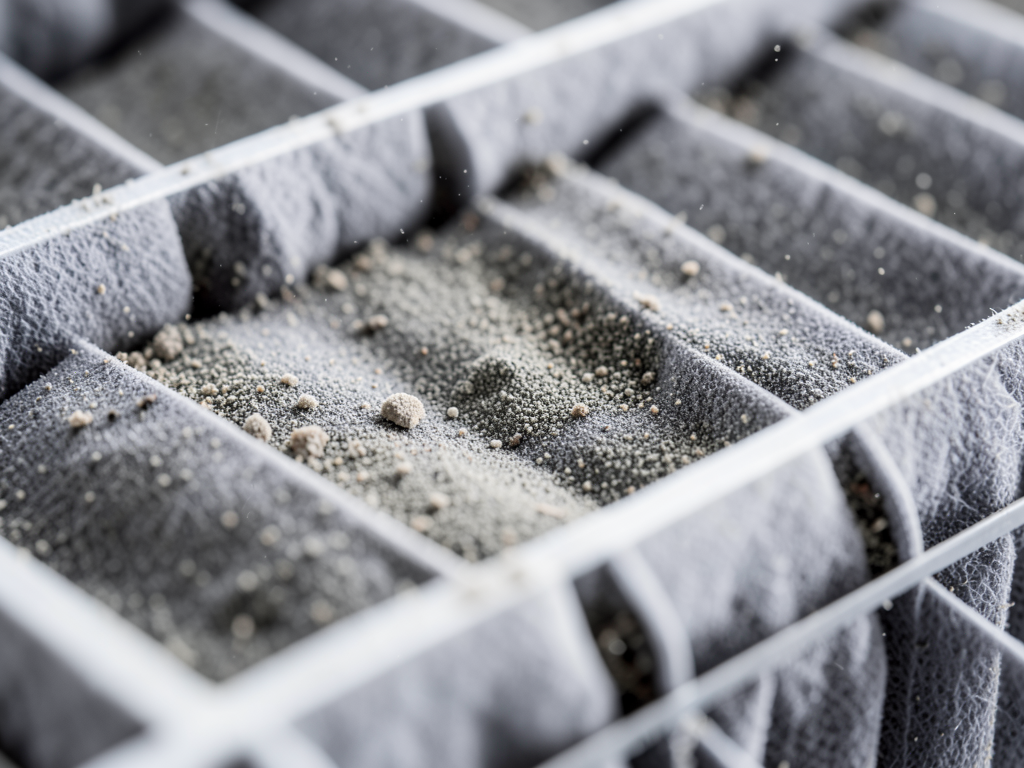
Construction dust from the massive redevelopment in Yesler Terrace is making its way into your apartment through your HVAC system. Fine silica particles from drywall cutting and sawdust from framing are circulating through your vents, settling on furniture, and potentially damaging your heating and cooling equipment. The Pacific Northwest’s high humidity means this dust often clumps together, creating stubborn buildup in your ductwork and on your air filters.
Construction dust particles range from 0.5 to 100 microns. Your standard MERV 8 filter captures only about 35% of these particles. Without proper filtration, this dust coats your evaporator coils, reduces airflow, and forces your system to work harder. In Seattle’s damp climate, this dust also creates the perfect environment for mold growth inside your ducts. Seattle Department of Construction and Inspections.
How construction dust damages your HVAC system
Fine construction particulates bypass standard filters and accumulate on your furnace’s heat exchanger. This buildup acts like insulation, preventing proper heat transfer and potentially causing your system to overheat. The blower motor also collects dust on its bearings, creating friction that shortens motor life. In older Yesler Terrace buildings with original ductwork, construction dust can cause severe blockages in bends and junctions where airflow already struggles. Who to call for 24 hour emergency furnace repair in West Seattle.
Seattle’s high humidity makes construction dust particularly problematic. When dust mixes with moisture in the air, it forms a sticky paste that adheres to surfaces. This paste collects on your evaporator coils, reducing their efficiency by up to 30%. The damp environment also means this dust-mold mixture can begin growing within 24-48 hours of settling.
Construction dust air filters that work
MERV ratings measure filter efficiency. For construction dust, you need at least MERV 11, which captures 85% of particles between 3-10 microns. MERV 13 filters capture 90% of particles down to 1 micron, including most construction dust. Higher MERV ratings create more resistance to airflow, which can strain older HVAC systems.. Read more about The difference between standard filters and HEPA filtration for your Bitter Lake home.
The key is balancing filtration with airflow. A MERV 13 filter might reduce your system’s airflow by 15-20%, but during active construction, this trade-off protects your equipment. Once construction ends, you can return to a MERV 8 or 11 filter. Pleated filters with activated carbon also help capture volatile organic compounds (VOCs) released during construction.
Construction dust differs from normal household dust in particle size and composition. Standard filters handle skin cells and pollen well but struggle with the fine silica and gypsum particles from construction. These particles are often smaller than 10 microns and can pass through standard filters, requiring specialized filtration media.
Sealing your apartment during construction
During heavy construction phases, sealing your HVAC return vents prevents dust from being drawn into your system. Use magnetic vent covers or temporary plastic sheeting with painter’s tape. Keep windows closed and use portable HEPA air purifiers in main living areas. Run your HVAC system on fan-only mode periodically to circulate air through your portable filters.
Construction timing matters in Seattle. Summer construction creates different challenges than winter work. Summer dust mixes with pollen and wildfire smoke, while winter dust combines with moisture and heating system operation. Adjust your filtration strategy based on the season and type of construction activity nearby.
Seattle-specific construction dust challenges
Seattle’s marine climate affects how construction dust behaves. The constant moisture in the air causes dust particles to absorb water, increasing their weight and causing them to settle faster than in dry climates. This also means the dust forms a more tenacious film when it lands on surfaces.
The Yesler Terrace redevelopment involves multiple phases of construction, creating year-round dust exposure for nearby residents. Different construction activities produce different dust types. Framing generates coarse sawdust, while drywall installation creates ultra-fine silica dust. Tiling produces ceramic dust, and demolition creates mixed debris. Each requires slightly different filtration approaches.
Seattle’s building codes require construction sites to use dust control measures, but enforcement varies. The Seattle Department of Construction and Inspections (SDCI) mandates water spraying for dust suppression, but wind can carry particles hundreds of feet. Understanding these local regulations helps you advocate for better dust control in your area.
Filter maintenance during construction
Construction dust requires more frequent filter changes. During active construction, check your filter every 2-3 weeks instead of the usual 1-3 months. A filter that normally lasts 90 days might need replacement in 15-20 days during heavy construction. Signs your filter needs changing include visible dust buildup, reduced airflow from vents, and increased system cycling. Why your Ballard home needs professional furnace repair before the first freeze.
The 48-hour rule applies during construction. If you can see dust accumulating on surfaces within 48 hours of cleaning, your filter isn’t keeping up. This indicates you need either a higher MERV rating or more frequent changes. Document your filter changes with photos to track construction dust levels over time. Keeping your historic Queen Anne home cool with ductless AC options.
Post-construction HVAC recovery
After construction ends, your HVAC system needs recovery time. Run your system with a fresh MERV 13 filter for 72 hours to capture remaining dust. Then schedule professional duct cleaning to remove accumulated debris. This is especially important in older Yesler Terrace buildings where ducts may have gaps or poor seals. Commercial Duct Cleaning.
Check your evaporator coils and blower motor for dust buildup. Construction dust often bypasses filters and settles on these components. A professional cleaning removes this buildup and restores system efficiency. Also inspect your ductwork for any construction debris that may have entered through gaps or unsealed joints.
Comparing filter options for construction dust
| Filter Type | Construction Dust Capture | Airflow Impact | Best For |
|---|---|---|---|
| MERV 8 Pleated | 35% of construction dust | Minimal | Light construction nearby |
| MERV 11 Pleated | 65% of construction dust | Slight | Medium construction activity |
| MERV 13 Pleated | 85% of construction dust | Moderate | Heavy construction nearby |
| HEPA Box Filter | 99% of construction dust | High | Critical protection needed |
When to call a professional
Call a professional if you notice reduced airflow from multiple vents, unusual system noises, or if your energy bills increase during construction periods. These symptoms indicate dust is affecting your system’s performance. Also call if you see visible dust blowing from vents or if family members experience increased allergy symptoms.
Professional duct cleaning becomes necessary when construction dust creates visible buildup inside your ductwork. Signs include dust accumulation around vent registers, musty odors when the system runs, and visible dust trails in duct runs visible through vent openings. In Yesler Terrace’s older buildings, construction dust can accumulate in decades of existing debris.
Consider a professional assessment if your building is over 20 years old. Older HVAC systems may not handle high-MERV filters well, and a professional can recommend system-specific solutions. They can also check for construction-related damage to your system, such as bent fins on the evaporator coil or debris in the blower assembly.
Long-term protection strategies
Install a whole-house air purifier that works with your existing HVAC system. These units provide continuous high-level filtration without the airflow restrictions of standard high-MERV filters. They’re particularly valuable in Yesler Terrace where construction may continue for years as redevelopment progresses.
Consider upgrading to a variable-speed blower motor. These motors adjust their speed based on demand and can handle the additional resistance of high-efficiency filtration better than single-speed motors. They also improve overall system efficiency and comfort while providing better air filtration.
Monitor local construction schedules through the Seattle DCI website. Knowing when heavy construction phases occur helps you prepare your filtration strategy. You might increase filter changes or upgrade temporarily during peak construction periods, then return to normal maintenance afterward. Preventative HVAC maintenance plans that actually save money for Redmond families.
Health considerations for construction dust
Construction dust contains more than just dirt. Silica dust from concrete and drywall can cause respiratory issues. Wood dust from cutting contains allergens. Paint particles and VOCs from finishes add chemical exposure. The combination creates a complex mixture that standard residential filtration wasn’t designed to handle.
People with asthma, allergies, or respiratory conditions are particularly vulnerable to construction dust. Even healthy individuals may experience symptoms like coughing, sneezing, or eye irritation. Children and elderly residents face higher risks from prolonged exposure to construction particulates.
Seattle’s humidity affects how these particles interact with your respiratory system. Damp air causes particles to absorb moisture and become slightly larger, potentially making them easier to trap in your upper respiratory tract. However, the moisture also helps these particles stay airborne longer, increasing exposure time.
Cost-effective protection methods
Balance protection with practicality. During light construction, a MERV 11 filter changed monthly provides adequate protection. For heavy construction, use MERV 13 filters and change them every 2-3 weeks. This approach costs more than standard maintenance but prevents expensive HVAC repairs from dust damage.
Calculate the cost of prevention versus repair. A $30 MERV 13 filter changed every three weeks during six months of construction costs about $240. Compare this to potential repairs: $500 for duct cleaning, $800 for blower motor replacement, or $2,000+ for heat exchanger damage from dust accumulation.
Consider the resale value of your apartment. Well-maintained HVAC systems with documented filtration during construction periods can be a selling point. Buyers in Yesler Terrace know about the ongoing development and appreciate evidence of proper system protection.
Frequently Asked Questions
Will construction dust void my furnace warranty?
Construction dust itself won’t void your warranty, but damage caused by dust buildup can. If dust causes your heat exchanger to fail or your blower motor to burn out, manufacturers may deny warranty claims if they determine inadequate maintenance contributed to the failure.
How long should I use high-MERV filters after construction ends?
Continue using MERV 13 filters for at least 30 days after visible construction ends. This captures remaining dust in your system and prevents it from recirculating. After 30 days, you can return to MERV 8-11 filters unless you prefer the improved air quality of higher filtration.
Can I install a HEPA filter in my standard HVAC system?
Standard residential HVAC systems typically cannot handle true HEPA filters due to their extreme airflow restriction. However, some systems can accommodate HEPA-rated box filters designed for HVAC use. A professional assessment determines if your system can handle this level of filtration.
Take action now to protect your apartment
Construction dust in Yesler Terrace isn’t going away soon. The ongoing redevelopment means years of potential exposure for your HVAC system. Start with a MERV 11 filter today and monitor how quickly it gets dirty. If you see dust accumulating within two weeks, upgrade to MERV 13 and check it more frequently.
Don’t wait until you hear strange noises from your furnace or notice reduced airflow. By then, construction dust has already begun damaging your system. A simple filter upgrade now prevents expensive repairs later. Your HVAC system protects you from Seattle’s weather extremes – protect it from construction dust in return.
Call (564) 220-5899 today to schedule a professional assessment of your HVAC system’s ability to handle construction dust. We’ll recommend the right filtration solution for your specific apartment and construction exposure level. Don’t let construction dust shorten your system’s life or compromise your indoor air quality.
Pick up the phone and call (564) 220-5899 before the next construction phase begins. A quick inspection now can save you thousands in repairs and ensure your family breathes clean air despite the ongoing development around Yesler Terrace. For more information, visit ASHRAE MERV filter standards.
You may also find this helpful. Neutralizing ferry exhaust and traffic odors in your Fauntleroy house.
{
“@context”: “https://schema.org”,
“@type”: “BlogPosting”,
“headline”: “Keeping urban construction dust out of your Yesler Terrace apartment”,
“description”: “Protect your Yesler Terrace apartment from construction dust with expert HVAC filtration strategies and local building code insights.”,
“wordCount”: 1922,
“datePublished”: “2026-05-03T15:17:00.000Z”,
“dateModified”: “2026-05-03T15:17:00.000Z”,
“inLanguage”: “en-US”,
“mainEntityOfPage”: {
“@type”: “WebPage”,
“@id”: “https://peakhvacseattle.com”
},
“publisher”: {
“@type”: “LocalBusiness”,
“name”: “Peak HVAC Seattle”,
“url”: “https://peakhvacseattle.com”
},
“author”: {
“@type”: “Organization”,
“name”: “Peak HVAC Seattle”,
“url”: “https://peakhvacseattle.com”
},
“image”: {
“@type”: “ImageObject”,
“url”: “https://peakhvacseattle.com/wp-content/uploads/2026/03/keeping-urban-construction-dust-out-of-your-yesler-1.png”
}
}
{
“@context”: “https://schema.org”,
“@type”: “HVACBusiness”,
“name”: “Peak HVAC Seattle”,
“url”: “https://peakhvacseattle.com”,
“address”: {
“@type”: “PostalAddress”,
“addressLocality”: “Seattle”
},
“areaServed”: {
“@type”: “City”,
“name”: “Seattle”
}
}
{
“@context”: “https://schema.org”,
“@type”: “FAQPage”,
“mainEntity”: [
{
“@type”: “Question”,
“name”: “Will construction dust void my furnace warranty?”,
“acceptedAnswer”: {
“@type”: “Answer”,
“text”: “Construction dust itself won’t void your warranty, but damage caused by dust buildup can. If dust causes your heat exchanger to fail or your blower motor to burn out, manufacturers may deny warranty claims if they determine inadequate maintenance contributed to the failure.”
}
},
{
“@type”: “Question”,
“name”: “How long should I use high-MERV filters after construction ends?”,
“acceptedAnswer”: {
“@type”: “Answer”,
“text”: “Continue using MERV 13 filters for at least 30 days after visible construction ends. This captures remaining dust in your system and prevents it from recirculating. After 30 days, you can return to MERV 8-11 filters unless you prefer the improved air quality of higher filtration.”
}
},
{
“@type”: “Question”,
“name”: “Can I install a HEPA filter in my standard HVAC system?”,
“acceptedAnswer”: {
“@type”: “Answer”,
“text”: “Standard residential HVAC systems typically cannot handle true HEPA filters due to their extreme airflow restriction. However, some systems can accommodate HEPA-rated box filters designed for HVAC use. A professional assessment determines if your system can handle this level of filtration.”
}
}
]
}
{
“@context”: “https://schema.org”,
“@type”: “BreadcrumbList”,
“itemListElement”: [
{
“@type”: “ListItem”,
“position”: 1,
“name”: “Home”,
“item”: “https://peakhvacseattle.com”
},
{
“@type”: “ListItem”,
“position”: 2,
“name”: “Blog”,
“item”: “https://peakhvacseattle.com/blog”
},
{
“@type”: “ListItem”,
“position”: 3,
“name”: “Keeping urban construction dust out of your Yesler Terrace apartment”
}
]
}
{
“@context”: “https://schema.org”,
“@type”: “Service”,
“serviceType”: “HVAC”,
“provider”: {
“@type”: “LocalBusiness”,
“name”: “Peak HVAC Seattle”,
“url”: “https://peakhvacseattle.com”
},
“areaServed”: {
“@type”: “City”,
“name”: “Seattle”
},
“description”: “Protect your Yesler Terrace apartment from construction dust with expert HVAC filtration strategies and local building code insights.”
}