
The difference between standard filters and HEPA filtration for your Bitter Lake home
Standard HVAC filters and HEPA filtration systems serve different purposes in your home. Standard filters capture dust and debris to protect your furnace, while HEPA filters remove microscopic particles for superior air quality. The key difference comes down to efficiency ratings, airflow resistance, and whether your existing HVAC system can handle the increased pressure drop. Who to call for 24 hour emergency furnace repair in West Seattle.
For Bitter Lake homeowners dealing with traffic pollution from Aurora Avenue and seasonal wildfire smoke, understanding these differences matters. Most residential furnaces cannot handle true HEPA filters without modifications, which can lead to motor burnout and higher energy bills. This guide breaks down exactly what you need to know before upgrading your home’s air filtration system.
The Core Difference: MERV Ratings Explained
Standard HVAC filters use MERV ratings from 1 to 16, with most residential systems using MERV 8 to 11. These filters capture particles between 3 to 10 microns, including dust, pollen, and pet dander. True HEPA filters achieve MERV ratings of 17 to 20 and capture particles as small as 0.3 microns, including bacteria, smoke, and some viruses.
The term “HEPA-type” or “HEPA-like” on retail filters is marketing language. These filters typically achieve MERV 13 to 16 ratings but fall short of true HEPA performance. Only filters meeting DOE standard 28.3 capture 99.97% of particles at 0.3 microns, the benchmark for genuine HEPA filtration.
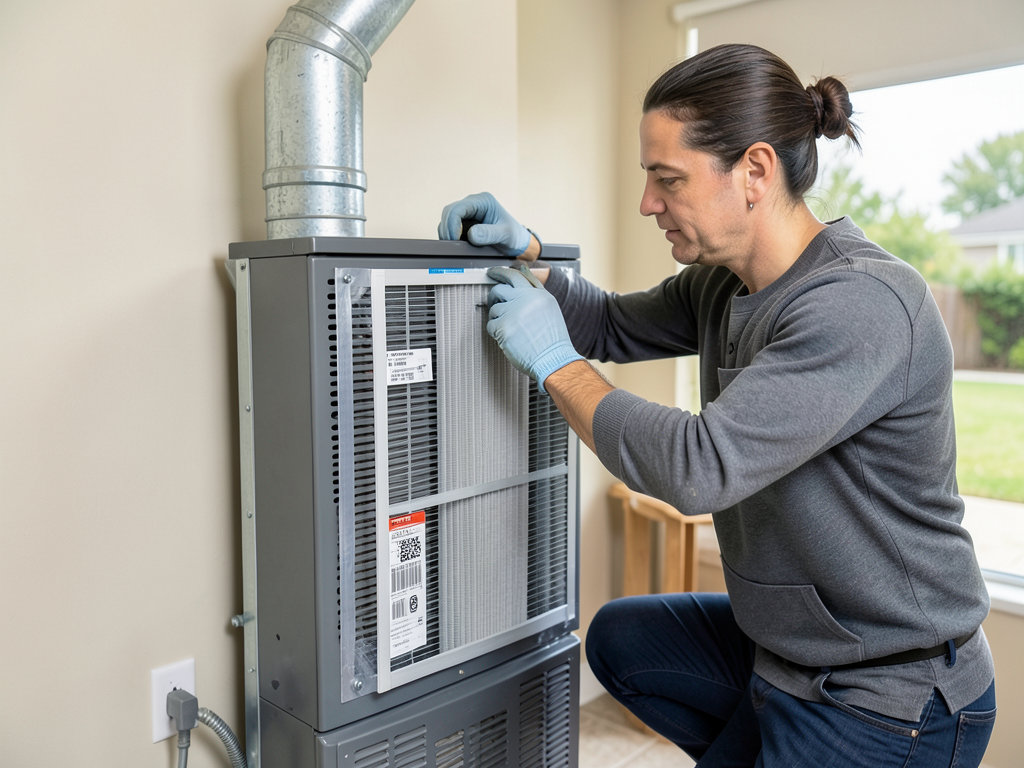
Diagram comparing particle sizes captured by MERV 11, MERV 16, and True HEPA filters, showing the dramatic difference in filtration efficiency.
The ‘Airflow’ Trap: Why HEPA Isn’t Always Better
HEPA filters create significant static pressure that standard residential blowers cannot overcome. When your furnace motor works harder to push air through dense HEPA media, several problems occur: increased energy consumption, reduced heating and cooling efficiency, and premature motor failure. The pressure drop across a true HEPA filter can be 3 to 5 times higher than a standard MERV 11 filter.
Washington State Energy Code Section 502.4.2.1 requires proper system design for any filtration upgrade. Installing a HEPA filter without verifying your blower’s static pressure capacity violates building code and voids most manufacturer warranties. Many Bitter Lake homes built between 1960 and 1990 have furnaces with motors that cannot handle the resistance of true HEPA filtration. Washington State Energy Code Section 502.4.2.1.
Diagnostic testing involves measuring Total External Static Pressure with a manometer. Readings above 0.5 inches water column indicate your system may struggle with HEPA filtration. Our technicians use this test before recommending any filter upgrades to prevent costly motor damage.
Seattle Air Quality Considerations
Western Washington faces unique air quality challenges that influence filtration decisions. Puget Sound Clean Air Agency data shows August and September bring the highest particulate matter levels due to wildfire smoke drifting from Eastern Washington and British Columbia. These events produce PM2.5 particles that standard MERV 11 filters cannot effectively capture. Puget Sound Clean Air Agency.
The damp climate creates additional concerns. Mold spores thrive in Seattle’s humidity, and many Bitter Lake homes have crawl spaces or basements prone to moisture issues. Standard filters capture larger mold spores, but finer filtration becomes necessary when dealing with extensive mold growth or water damage.
Douglas fir and alder pollen create seasonal allergy problems specific to the Pacific Northwest. These allergens range from 10 to 90 microns, well within the capture range of MERV 13 filters. During peak pollen seasons, upgrading from MERV 11 to MERV 13 provides noticeable relief without the airflow restrictions of HEPA filtration.
Cost-Benefit Analysis
Standard MERV 11 filters cost $10 to $20 and last 3 months. True HEPA filters cost $80 to $150 and may need replacement every 6 to 12 months depending on air quality conditions. The initial filter cost difference is substantial, but the real expense comes from potential system modifications.. Read more about Improving the air quality in your SeaTac home to filter out airplane exhaust and jet fuel smells.
Adding a HEPA bypass system to your existing furnace costs $800 to $2,500 installed. This includes a separate HEPA unit that cleans return air before it enters your furnace, maintaining proper airflow while providing HEPA-level filtration. Without this modification, your furnace may require a $600 to $1,200 motor replacement within two years of HEPA filter installation.
Energy costs increase by 15% to 30% when standard furnaces work harder to push air through dense filters. Over a heating season, this translates to $150 to $400 in additional electricity or gas costs. The filter itself may save money on fewer doctor visits for allergy sufferers, but system damage can negate those savings quickly.
Alternatives for Superior Air Quality
MERV 13 filters offer an excellent middle ground for Seattle homeowners. These filters capture 90% of particles between 1 and 3 microns, including most wildfire smoke particles and finer allergens. They create minimal static pressure increase while providing significant air quality improvements over standard MERV 11 filters.
Whole-home air purifiers work with your existing system without creating airflow restrictions. These units use electronic or UV filtration methods that capture particles without dense media resistance. Installation costs range from $400 to $1,200 and include units that specifically target smoke, VOCs, or biological contaminants.
Standalone HEPA air purifiers for individual rooms cost $200 to $600 and provide true HEPA filtration without affecting your HVAC system. For Bitter Lake’s 2 to 3 bedroom homes, placing units in bedrooms and living areas during smoke events delivers targeted protection where you spend most of your time.

Technician using a manometer to measure static pressure across an HVAC filter, demonstrating the diagnostic test required before HEPA filter installation.
Making the Right Choice for Your Bitter Lake Home
Your decision depends on several factors specific to your home and health needs. Homes within 500 feet of Aurora Avenue face higher traffic-related pollution and may benefit more from enhanced filtration. Properties with recent mold issues or water damage require assessment of moisture sources before investing in expensive filtration systems. Why your Ballard home needs professional furnace repair before the first freeze.
Consider your HVAC system’s age and condition. Furnaces over 15 years old often have motors operating near their capacity limits. Adding HEPA filtration to these systems guarantees premature failure. Newer high-efficiency furnaces with variable-speed blowers handle increased resistance better than older single-speed units.
Health considerations matter significantly. Families with asthma, severe allergies, or compromised immune systems may justify the expense of HEPA bypass systems. For general dust and pollen control, MERV 13 filters provide excellent results without risking system damage.
Side-by-side comparison of standard pleated filter and HEPA filter, showing the density difference and airflow resistance characteristics.
System Compatibility Testing
Before upgrading any filter, professional testing determines your system’s capacity. The process takes 30 minutes and includes measuring static pressure across the filter, checking blower motor specifications, and evaluating ductwork design. Systems with long runs or multiple bends create additional resistance that compounds with dense filtration media.
Many Bitter Lake homes have original ductwork from the 1960s and 1970s. These systems often have undersized returns that already create pressure issues. Adding HEPA filtration to compromised ductwork guarantees poor performance and potential system damage. Testing identifies these problems before expensive mistakes occur.
The test also checks for proper filter sizing. Oversized filters create gaps that allow unfiltered air to bypass the media entirely. Our technicians measure exact filter cavity dimensions and verify seal integrity to ensure maximum filtration efficiency regardless of the filter type chosen.
Maintenance Requirements and Longevity
HEPA filters require more frequent monitoring than standard filters. While they may last 6 to 12 months, air quality conditions in Seattle often necessitate 3 to 4 month replacement intervals during smoke season. The higher cost per filter makes this more expensive over time.
Standard filters show visible dirt loading that indicates replacement time. HEPA filters often appear clean while significantly restricting airflow. Pressure gauges or differential pressure switches become necessary to determine replacement timing accurately. Without these indicators, homeowners risk running restricted systems for months.
Electronic air cleaners require quarterly cleaning of collector plates and annual UV bulb replacement. These maintenance tasks add $100 to $200 annually but provide consistent performance without the pressure drop issues of media filters. The choice between media and electronic filtration often comes down to maintenance preference and budget. Preventative HVAC maintenance plans that actually save money for Redmond families.
Wildfire Smoke Protection Strategy
During severe smoke events, even MERV 13 filters struggle with the particle load. The Washington Department of Health recommends creating a “clean room” with portable HEPA filtration rather than relying solely on your central system. This approach provides better protection while avoiding potential furnace damage from prolonged high particulate loading.
For homes with gas furnaces, smoke events create additional concerns. Smoke particles can coat heat exchangers and burners, reducing efficiency and potentially creating carbon monoxide risks. Professional cleaning after severe smoke events becomes necessary regardless of your filtration strategy. Commercial Duct Cleaning.
The most effective approach combines MERV 13 filtration for daily use with portable HEPA units for severe events. This strategy provides year-round air quality improvement without risking your primary heating system during the months when you need it most.
Energy Efficiency Impact
Filter selection directly affects your energy bills. Standard MERV 11 filters add minimal resistance, increasing energy use by 5% to 10%. MERV 13 filters add 10% to 15% resistance. True HEPA filters can double your fan energy consumption if your system can run them at all.
The energy impact extends beyond electricity costs. Restricted airflow causes furnaces to run longer cycles to achieve the same temperature, increasing wear on heat exchangers and other components. This additional runtime can reduce system lifespan by 2 to 5 years, representing thousands in premature replacement costs.
Variable-speed furnaces mitigate some energy concerns by adjusting fan speed to maintain airflow. However, even these advanced systems have limits. Running a variable-speed blower at maximum capacity for months to overcome filter resistance creates heat buildup and reduces the motor’s operational life.
Professional Assessment Benefits
Professional assessment identifies issues that homeowners often miss. Duct leaks allow unfiltered air to enter the system, reducing filtration effectiveness regardless of the filter type. Our technicians use thermal imaging to locate these leaks and recommend sealing solutions that improve overall system performance.
Many Bitter Lake homes have finished basements with inadequate return air pathways. This creates negative pressure that pulls unfiltered air from wall cavities and crawl spaces. Addressing these issues often provides more air quality improvement than upgrading to expensive filters.
Professional assessment also includes evaluating your home’s specific air quality needs. A home with pets, recent remodeling, or moisture issues requires different filtration strategies than a newly constructed, tightly sealed home. Generic recommendations often miss these crucial factors.
Frequently Asked Questions
Can I just install a HEPA filter in my existing furnace?
No, most residential furnaces cannot handle the static pressure of true HEPA filters. Installation without system modifications will likely damage your blower motor and void your warranty. Professional testing determines if your system can support HEPA filtration or if alternative solutions are needed.
How often should I replace my HVAC filter in Seattle?
Standard MERV 11 filters typically need replacement every 3 months. During wildfire smoke events, monthly replacement may be necessary. MERV 13 filters generally last 3 to 4 months under normal conditions but require more frequent changes during high pollen seasons or smoke events.
What MERV rating is best for wildfire smoke?
MERV 13 filters capture most wildfire smoke particles effectively. For severe smoke events, MERV 16 or true HEPA filtration provides superior protection but requires system modifications. During extreme smoke, combining MERV 13 filtration with portable HEPA units in occupied spaces offers the best balance of protection and system safety.
Will a better filter reduce my allergy symptoms?
Yes, upgrading from MERV 8 to MERV 13 typically reduces allergy symptoms by 50% to 80% for most people. The improvement depends on your specific allergens and the severity of your reactions. Homes with pets or recent water damage may require additional filtration strategies beyond standard upgrades.
Take Action for Better Air Quality
Don’t guess about your home’s filtration needs. The wrong filter choice can damage your heating system and cost thousands in repairs. Our technicians provide professional assessment that includes static pressure testing, system evaluation, and customized recommendations based on your specific home and health needs.
Call (564) 220-5899 today to schedule your professional HVAC assessment. We’ll test your system’s capacity, evaluate your air quality concerns, and recommend the most effective solution for your Bitter Lake home. Don’t wait until wildfire season or allergy season hits – proper filtration starts with understanding your system’s capabilities.
Pick up the phone and call (564) 220-5899 before the next smoke event or allergy season begins. Your heating system’s health and your family’s air quality depend on making the right filtration choice from the start. We serve Bitter Lake and all Seattle neighborhoods with expert HVAC services backed by years of local experience. Weekend HVAC Service.
You may also find this helpful. Does your new gas stove in Ballard need a high-power range hood?.
You may also find this helpful. Ways your indoor plant collection might be affecting the air quality in your Phinney Ridge home.
You may also find this helpful. Safe ventilation for woodworking and metal shops in Georgetown garages.
{
“@context”: “https://schema.org”,
“@type”: “BlogPosting”,
“headline”: “The difference between standard filters and HEPA filtration for your Bitter Lake home”,
“description”: “Learn the real difference between standard HVAC filters and HEPA filtration for your Seattle-area home. Understand airflow impact, MERV ratings, and why HEPA isn’t always better.”,
“wordCount”: 2160,
“datePublished”: “2026-05-21T10:22:00.000Z”,
“dateModified”: “2026-05-21T10:22:00.000Z”,
“inLanguage”: “en-US”,
“mainEntityOfPage”: {
“@type”: “WebPage”,
“@id”: “https://peakhvacseattle.com”
},
“publisher”: {
“@type”: “LocalBusiness”,
“name”: “Peak HVAC Seattle”,
“url”: “https://peakhvacseattle.com”
},
“author”: {
“@type”: “Organization”,
“name”: “Peak HVAC Seattle”,
“url”: “https://peakhvacseattle.com”
},
“image”: {
“@type”: “ImageObject”,
“url”: “https://peakhvacseattle.com/wp-content/uploads/2026/03/the-difference-between-standard-filters-and-hepa-f-1.png”
}
}
{
“@context”: “https://schema.org”,
“@type”: “HVACBusiness”,
“name”: “Peak HVAC Seattle”,
“url”: “https://peakhvacseattle.com”,
“address”: {
“@type”: “PostalAddress”,
“addressLocality”: “Seattle”
},
“areaServed”: {
“@type”: “City”,
“name”: “Seattle”
}
}
{
“@context”: “https://schema.org”,
“@type”: “FAQPage”,
“mainEntity”: [
{
“@type”: “Question”,
“name”: “Can I just install a HEPA filter in my existing furnace?”,
“acceptedAnswer”: {
“@type”: “Answer”,
“text”: “No, most residential furnaces cannot handle the static pressure of true HEPA filters. Installation without system modifications will likely damage your blower motor and void your warranty. Professional testing determines if your system can support HEPA filtration or if alternative solutions are needed.”
}
},
{
“@type”: “Question”,
“name”: “How often should I replace my HVAC filter in Seattle?”,
“acceptedAnswer”: {
“@type”: “Answer”,
“text”: “Standard MERV 11 filters typically need replacement every 3 months. During wildfire smoke events, monthly replacement may be necessary. MERV 13 filters generally last 3 to 4 months under normal conditions but require more frequent changes during high pollen seasons or smoke events.”
}
},
{
“@type”: “Question”,
“name”: “What MERV rating is best for wildfire smoke?”,
“acceptedAnswer”: {
“@type”: “Answer”,
“text”: “MERV 13 filters capture most wildfire smoke particles effectively. For severe smoke events, MERV 16 or true HEPA filtration provides superior protection but requires system modifications. During extreme smoke, combining MERV 13 filtration with portable HEPA units in occupied spaces offers the best balance of protection and system safety.”
}
},
{
“@type”: “Question”,
“name”: “Will a better filter reduce my allergy symptoms?”,
“acceptedAnswer”: {
“@type”: “Answer”,
“text”: “Yes, upgrading from MERV 8 to MERV 13 typically reduces allergy symptoms by 50% to 80% for most people. The improvement depends on your specific allergens and the severity of your reactions. Homes with pets or recent water damage may require additional filtration strategies beyond standard upgrades.”
}
}
]
}
{
“@context”: “https://schema.org”,
“@type”: “BreadcrumbList”,
“itemListElement”: [
{
“@type”: “ListItem”,
“position”: 1,
“name”: “Home”,
“item”: “https://peakhvacseattle.com”
},
{
“@type”: “ListItem”,
“position”: 2,
“name”: “Blog”,
“item”: “https://peakhvacseattle.com/blog”
},
{
“@type”: “ListItem”,
“position”: 3,
“name”: “The difference between standard filters and HEPA filtration for your Bitter Lake home”
}
]
}
{
“@context”: “https://schema.org”,
“@type”: “Service”,
“serviceType”: “HVAC”,
“provider”: {
“@type”: “LocalBusiness”,
“name”: “Peak HVAC Seattle”,
“url”: “https://peakhvacseattle.com”
},
“areaServed”: {
“@type”: “City”,
“name”: “Seattle”
},
“description”: “Learn the real difference between standard HVAC filters and HEPA filtration for your Seattle-area home. Understand airflow impact, MERV ratings, and why HEPA isn’t always better.”
}