
Connecting your Kenmore home HVAC system to a smart home hub for better efficiency
Smart HVAC integration is transforming how Seattle homeowners manage comfort and energy costs. With Kenmore systems still prevalent in many Puget Sound homes, connecting them to modern smart home hubs can cut heating bills by 15-20% while giving you remote control from anywhere. The damp Pacific Northwest climate makes smart scheduling especially valuable, automatically adjusting for humidity swings and unexpected cold snaps. Puget Sound Energy smart thermostat rebates.
Before diving into compatibility and installation, it helps to understand what makes Kenmore systems unique. Many units built in the 2000s use proprietary Carrier or Goodman components, meaning the integration process varies by model. Some require simple thermostat swaps, while others need communication modules or C-wire adapters. Puget Sound Energy offers rebates up to $100 for qualifying smart thermostats, and Seattle City Light provides additional incentives for energy-efficient upgrades. ENERGY STAR smart thermostat program.
The most common smart home platforms—Amazon Alexa, Google Home, Apple HomeKit, and Samsung SmartThings—work with Kenmore systems through third-party thermostats like Nest, Ecobee, or Honeywell. These devices communicate via Wi-Fi and can integrate with Kenmore’s own Kenmore Smart app for basic functions. However, advanced features like variable-speed fan control or dual-fuel optimization may require professional setup.
Making Your Kenmore HVAC System ‘Smart’: Compatibility Overview
Kenmore HVAC units fall into three main compatibility categories based on their control boards and age. Understanding which category your system belongs to determines the best integration path.
Older Kenmore furnaces (pre-2010) typically lack modern communication protocols. These systems require a C-wire for smart thermostats to function properly. Without it, you’ll need a power extender kit or professional rewiring. The control board may also need a firmware update to work with newer thermostats. Who to call for 24 hour emergency furnace repair in West Seattle.
Mid-range Kenmore systems (2010-2018) often support basic smart thermostat functions but miss advanced features like humidity control or multi-stage reporting. These units work well with popular smart thermostats but may not show detailed diagnostic information in your app.
Newer Kenmore units (2018+) sometimes include built-in Wi-Fi modules compatible with Kenmore’s Smart Connect platform. These can integrate directly with the Kenmore Smart app but may require adapters for third-party systems like Nest or Ecobee.
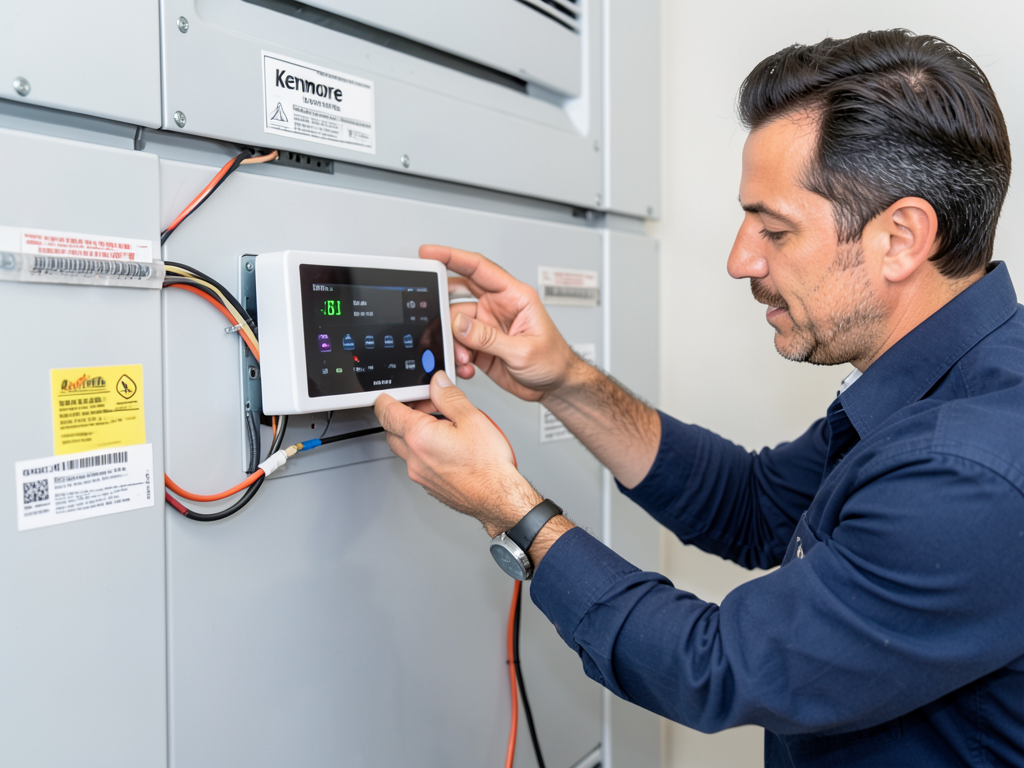
Compatibility Matrix for Common Kenmore HVAC Models
| Kenmore Model Series | Smart Thermostat Options | C-wire Required? | Special Requirements |
|---|---|---|---|
| Elite 90 Series | Nest Learning, Ecobee SmartPremium, Honeywell Home T9 | Yes | Communication module for full feature access |
| High-Efficiency 95 Series | Ecobee, Honeywell, Google Nest | Often | Power extender kit if no C-wire |
| Standard Efficiency 80 Series | Nest E, Honeywell Home, Emerson Sensi | Sometimes | Basic smart functions only |
| Heat Pump Models (post-2015) | Ecobee SmartPremium, Nest Learning | Yes | Emergency heat control support |
| Ductless Mini-Split Systems | IR blaster thermostats, Sensibo | No | Line-of-sight control required |
Top Smart Thermostats for Kenmore Furnaces and AC Units
Choosing the right smart thermostat depends on your Kenmore model, budget, and desired features. Here are the top performers for Seattle homes, considering our unique climate challenges.
The Nest Learning Thermostat (3rd generation) offers excellent compatibility with Kenmore systems and learns your schedule automatically. Its Farsight display shows temperature and time when you enter the room. For Seattle’s variable weather, the Eco mode adjusts based on local forecasts.
Ecobee SmartPremium provides the most advanced features for Kenmore integration. It includes an indoor air quality monitor, remote sensors for multi-room averaging, and works with both 2-wire and C-wire setups. The SmartSensor technology is particularly useful in Seattle’s drafty older homes where temperature varies by room.
Google Nest Thermostat is a budget-friendly option that still offers solid Kenmore compatibility. It lacks some advanced features but includes energy-saving suggestions based on Seattle City Light rates and PSE peak pricing.
Honeywell Home T9 works exceptionally well with Kenmore’s communicating systems. It supports humidity control—crucial for Seattle’s damp climate—and integrates with both smart home platforms and Kenmore’s own app.
For Kenmore heat pump systems, the Ecobee SmartPremium offers the best emergency heat management. It can automatically switch between heat pump and auxiliary heat based on outdoor temperature and your utility’s rate structure.
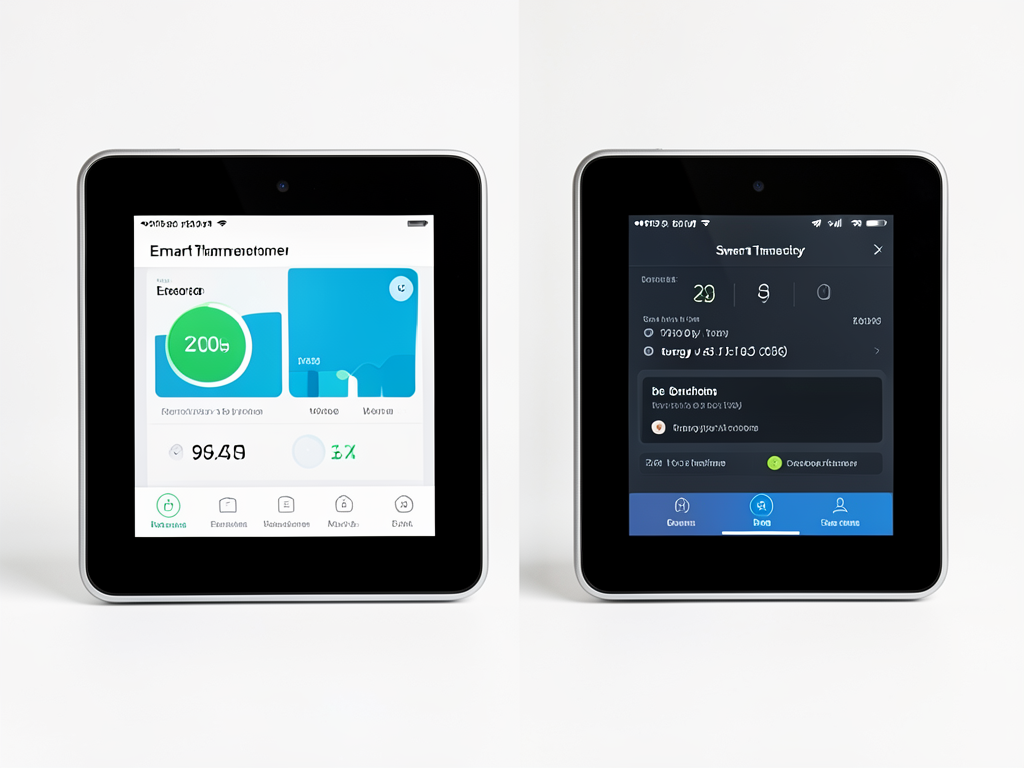
Technical Requirements: C-Wires and Communication Modules
Understanding the technical requirements prevents installation headaches and ensures your smart thermostat works reliably. The most critical component is often the C-wire (common wire).
The C-wire provides continuous 24V power to smart thermostats. Without it, many devices can’t maintain their Wi-Fi connection or display features. In Seattle homes, especially those built before 2000, C-wires are often missing because older thermostats only needed power for the display.
Testing for a C-wire is straightforward. Remove your existing thermostat and look for a blue wire connected to the C terminal. If it’s absent, you have three options: install a C-wire, use a power extender kit, or choose a thermostat designed for C-wire-free operation. The best air conditioning options for bungalows and cottages around Green Lake.
Power extender kits are the most common DIY solution. They work by stealing power from the existing wiring when the HVAC isn’t running. However, they can cause issues with older Kenmore systems, particularly those with electronic ignition or variable-speed blowers.
Communication modules are required for advanced features on newer Kenmore systems. These modules connect to your furnace’s control board and enable two-way communication with smart thermostats. They’re essential for features like filter life monitoring, system diagnostics, and multi-stage operation reporting.
For Seattle’s climate, consider the impact of humidity on your smart thermostat. The Pacific Northwest’s high moisture levels can affect battery life and wireless connectivity. Choose thermostats with humidity sensors and ensure proper installation away from exterior walls and windows.
According to the Washington State Energy Code (WSEC), Section 401.4, all new HVAC installations must include proper wiring for future smart thermostat integration. This means running a C-wire during any major furnace or AC replacement, even if you don’t plan to install a smart thermostat immediately.
Local Energy Rebates for Smart Integration in the Seattle Area
Seattle-area utilities offer substantial rebates for smart HVAC upgrades, making the investment much more attractive. These programs change annually, so always verify current offerings before purchasing.
Puget Sound Energy (PSE) offers rebates up to $100 for ENERGY STAR certified smart thermostats. The program requires installation by a certified contractor and applies to both gas and electric heating systems. For Kenmore systems, PSE specifically covers models from 2010 or newer.
Seattle City Light provides additional incentives through their Energy Smart Services program. Customers can receive up to $75 for qualifying smart thermostats, with an extra $25 bonus for heat pump systems. The utility also offers free energy audits that include smart thermostat recommendations. Weekend HVAC Service.
Snohomish County PUD and Tacoma Public Utilities run similar programs with slightly different requirements. Most cover the same thermostat models but may have different installation deadlines or contractor certification requirements.
The federal ENERGY STAR program offers a tax credit of up to $50 for smart thermostats purchased in 2026. This credit applies to both DIY and professionally installed systems but requires keeping purchase documentation. Keeping your historic Queen Anne home cool with ductless AC options.
For commercial properties in Seattle, the Seattle 2030 District initiative provides additional incentives for buildings that reduce energy consumption by 50% or more. Smart HVAC control is often the fastest path to meeting these targets.
Beyond direct rebates, smart thermostats can qualify for Time-of-Use (TOU) rate programs offered by PSE and Seattle City Light. These programs charge lower rates during off-peak hours, and smart thermostats can automatically shift heating and cooling to save money.
When calculating ROI, factor in Seattle’s electricity rates (around $0.11/kWh for PSE residential customers) and the typical 15-20% energy savings smart thermostats provide. Most homeowners recoup their investment within 18-24 months through utility savings alone.
Why Professional Installation Matters for Smart HVAC
While DIY smart thermostat installation seems straightforward, professional installation ensures compatibility, safety, and optimal performance—especially for Kenmore systems in Seattle homes.
Professional installers understand Kenmore’s proprietary wiring configurations. Many units use non-standard color coding or require specific dip switch settings. An experienced technician can identify these nuances in minutes, preventing hours of troubleshooting.. Read more about Managing HVAC settings for your short term rental or Airbnb in the Central District.
Safety is a primary concern with older Kenmore systems. Many Seattle homes have furnaces over 15 years old with deteriorating wiring or corroded connections. A professional inspection can identify potential hazards before they cause system failures or fire risks.
Professional installation includes proper calibration for Seattle’s climate. This means setting up humidity control for our wet winters, configuring emergency heat for occasional cold snaps, and programming schedules that account for our marine layer mornings and sunny afternoons.
Warranty protection is another key benefit. Many smart thermostat manufacturers void warranties for DIY installation, especially on systems that require wiring modifications. Professional installation typically includes a workmanship guarantee and maintains manufacturer warranties.
Integration with existing smart home systems often requires expertise beyond basic thermostat installation. Professionals can configure Alexa or Google Home routines, set up geofencing for automatic away modes, and integrate with other smart devices like humidifiers or air purifiers.
For Kenmore systems with communicating capabilities, professional setup ensures you get full feature access. This includes filter life monitoring, system diagnostics, and energy usage reporting—features that often require specific configuration sequences.
According to the National Electrical Code (NEC) Article 334.30, all low-voltage thermostat wiring must be properly secured and protected. Professional installers follow these requirements, preventing wire damage that could cause system failures or safety hazards.
Professional installation typically takes 1-2 hours for straightforward swaps and 2-4 hours for complex integrations. The cost ranges from $150-300, which is often offset by utility rebates and the extended lifespan of properly calibrated systems.
Frequently Asked Questions
Will my old Kenmore furnace work with a smart thermostat?
Yes, most Kenmore furnaces from the past 20 years work with smart thermostats. However, units older than 2000 may require a C-wire or power extender kit. The specific model number determines compatibility—look for a label inside your furnace cabinet for exact specifications.
How much can I save with a smart thermostat in Seattle?
Seattle homeowners typically save 15-20% on heating costs with smart thermostats. Given our mild climate and PSE’s electricity rates, the average household saves $120-180 annually. Smart scheduling is particularly effective here because it adapts to our variable weather patterns.
Do I need to upgrade my entire HVAC system to go smart?
No, you only need to replace the thermostat. The furnace, AC, and ductwork remain unchanged. However, if your system is over 15 years old, a professional might recommend a maintenance check to ensure compatibility and identify any needed repairs. Preventative HVAC maintenance plans that actually save money for Redmond families.
Can I control my Kenmore system remotely from my phone?
Yes, all modern smart thermostats offer remote control via smartphone apps. You can adjust temperature, set schedules, and monitor energy usage from anywhere with internet connection. Some Kenmore systems also work with the Kenmore Smart app for basic functions.
What if my Kenmore system has a communicating thermostat already?
Communicating systems can often be upgraded to smart thermostats, but they may lose some advanced features. A professional can determine if a communication module or adapter is needed to maintain full functionality while adding smart capabilities.
Are smart thermostats worth it for Seattle’s mild climate?
Absolutely. Seattle’s climate actually makes smart thermostats more effective because they can optimize for our frequent temperature swings and high humidity. The energy savings are comparable to colder climates, and the comfort benefits are often greater due to better humidity control.
How long does installation take?
Simple replacements take 30-60 minutes. Complex installations involving C-wire runs or communication modules take 2-4 hours. Professional installation includes testing and calibration, which is crucial for optimal performance in Seattle’s climate.
Will a smart thermostat work during power outages?
Smart thermostats need power to operate, but most retain basic scheduling for several hours during outages. Battery backup models can maintain Wi-Fi connectivity longer. For Seattle’s occasional winter storms, consider a whole-home backup power solution for complete protection.
Can I install a smart thermostat myself?
DIY installation is possible for simple swaps, but Kenmore systems often require professional expertise. Incorrect wiring can damage your HVAC system or create safety hazards. Professional installation ensures proper setup and maintains warranties.
What’s the best smart thermostat for a Kenmore heat pump?
For Kenmore heat pumps, the Ecobee SmartPremium offers the best features, including advanced emergency heat management and humidity control. The Nest Learning Thermostat is also excellent, particularly for its learning capabilities and Seattle weather integration.
Do smart thermostats work with zoning systems?
Yes, but zoning compatibility varies by thermostat model. Most smart thermostats support basic zoning, but advanced features may require specific zoning controllers. Kenmore systems with communicating thermostats often have better zoning integration.
How do I know if I need a C-wire?
Check your current thermostat wiring. If you see a blue wire connected to the C terminal, you have a C-wire. If not, you’ll need one for most smart thermostats. Some models work without C-wires using power stealing, but this isn’t ideal for Kenmore systems.
Can smart thermostats integrate with other smart home devices?
Yes, modern smart thermostats integrate with most smart home platforms. They can work with Amazon Alexa, Google Home, Apple HomeKit, and Samsung SmartThings. Integration allows for automated routines, like turning down heat when you arm your security system.
What about humidity control in Seattle?
Seattle’s high humidity makes humidity control important. Smart thermostats with humidity sensors can help manage indoor moisture levels, preventing mold growth and improving comfort. Models like Ecobee and Honeywell T9 offer the best humidity management features.
Will my utility company know I installed a smart thermostat?
Most utility rebate programs require reporting installation, but they don’t continuously monitor your usage. Some programs offer additional incentives for allowing limited data sharing, which helps them understand energy-saving patterns and improve future programs.
How often should I update my smart thermostat’s software?
Smart thermostats update automatically when connected to Wi-Fi. These updates often include security patches, bug fixes, and new features. Ensure your home Wi-Fi remains active to receive these important updates.
Can I use voice commands with my Kenmore smart thermostat?
Yes, most smart thermostats support voice commands through Amazon Alexa or Google Assistant. You can adjust temperature, change modes, and check status using voice commands. Some models also work with Apple Siri through HomeKit integration.
What happens if my smart thermostat breaks?
Smart thermostats typically revert to basic heating/cooling functions if they fail. Your HVAC system continues working, but you lose smart features. Most manufacturers offer 2-3 year warranties, and professional installers often provide additional coverage.
Are there any security concerns with smart thermostats?
Modern smart thermostats use encryption and secure authentication. However, like any connected device, they can be vulnerable if not properly secured. Use strong passwords, keep firmware updated, and consider network segmentation for added security.
- Identify Your Kenmore Model
Locate the model number on your furnace or air handler. This determines compatibility and required components. Most Kenmore units have a label inside the cabinet with exact specifications.
- Check Existing Wiring
Remove your current thermostat and examine the wiring. Count the wires and look for a C-wire (blue wire to C terminal). Take photos of the wiring configuration for reference during installation.
- Choose Compatible Thermostat
Select a smart thermostat that matches your Kenmore model and wiring setup. Consider features like humidity control for Seattle’s climate and integration with your existing smart home platform.
- Install Power Extender if Needed
If you lack a C-wire, install a power extender kit according to manufacturer instructions. This provides the continuous power smart thermostats need without running new wiring.
- Mount and Connect Thermostat
Follow the thermostat’s installation guide, connecting wires exactly as labeled. Double-check all connections before restoring power to your HVAC system.
- Configure for Seattle Climate
Set up schedules that account for our marine climate, configure humidity settings, and enable energy-saving features based on PSE or Seattle City Light rate structures.
- Connect to Smart Home Hub
Use the thermostat’s app to connect to your Wi-Fi network, then integrate with your smart home platform (Alexa, Google Home, etc.) following the manufacturer’s instructions.
- Test and Calibrate
Run your system through heating and cooling cycles, verify all modes work correctly, and adjust settings based on actual performance in your home.
- Apply for Rebates
Submit your utility rebate application with proof of purchase and installation. Keep all documentation for potential tax credits as well.
- Monitor and Optimize
Use the energy reports and usage data to fine-tune your settings over the first few weeks, maximizing both comfort and efficiency.
Smart HVAC integration for Kenmore systems represents a significant opportunity for Seattle homeowners to improve comfort while reducing energy costs. The combination of local utility rebates, our mild climate’s optimization potential, and modern smart technology makes this upgrade both practical and financially attractive.
Professional installation ensures your system works reliably and safely, especially important for older Kenmore units common in Seattle-area homes. The investment typically pays for itself within two years through energy savings and rebate programs.
Ready to make your Kenmore system smarter? Call (564) 220-5899 today to schedule your inspection. Our technicians understand Kenmore’s unique requirements and Seattle’s climate challenges, ensuring your smart thermostat installation delivers maximum comfort and efficiency.
Don’t wait for the next cold snap to realize your system could be working smarter. Pick up the phone and call (564) 220-5899 before the next storm hits. We’ll help you choose the right smart thermostat and handle the entire installation process, including rebate paperwork.
You may also find this helpful. The hidden reason your Seward Park house has cold spots (Hint – It is your thermostat placement).
{
“@context”: “https://schema.org”,
“@type”: “BlogPosting”,
“headline”: “Connecting your Kenmore home HVAC system to a smart home hub for better efficiency”,
“description”: “Learn how to integrate your Kenmore HVAC system with smart home hubs in Seattle. Discover energy rebates, C-wire requirements, and professional installation for better efficiency.”,
“wordCount”: 2913,
“datePublished”: “2026-03-14T13:10:00.000Z”,
“dateModified”: “2026-03-14T13:10:00.000Z”,
“inLanguage”: “en-US”,
“mainEntityOfPage”: {
“@type”: “WebPage”,
“@id”: “https://peakhvacseattle.com”
},
“publisher”: {
“@type”: “LocalBusiness”,
“name”: “Peak HVAC Seattle”,
“url”: “https://peakhvacseattle.com”
},
“author”: {
“@type”: “Organization”,
“name”: “Peak HVAC Seattle”,
“url”: “https://peakhvacseattle.com”
},
“image”: {
“@type”: “ImageObject”,
“url”: “https://peakhvacseattle.com/wp-content/uploads/2026/03/connecting-your-kenmore-home-hvac-system-to-a-smar-1.png”
}
}
{
“@context”: “https://schema.org”,
“@type”: “HVACBusiness”,
“name”: “Peak HVAC Seattle”,
“url”: “https://peakhvacseattle.com”,
“address”: {
“@type”: “PostalAddress”,
“addressLocality”: “Seattle”
},
“areaServed”: {
“@type”: “City”,
“name”: “Seattle”
}
}
{
“@context”: “https://schema.org”,
“@type”: “FAQPage”,
“mainEntity”: [
{
“@type”: “Question”,
“name”: “Will my old Kenmore furnace work with a smart thermostat?”,
“acceptedAnswer”: {
“@type”: “Answer”,
“text”: “Yes, most Kenmore furnaces from the past 20 years work with smart thermostats. However, units older than 2000 may require a C-wire or power extender kit. The specific model number determines compatibility—look for a label inside your furnace cabinet for exact specifications.”
}
},
{
“@type”: “Question”,
“name”: “How much can I save with a smart thermostat in Seattle?”,
“acceptedAnswer”: {
“@type”: “Answer”,
“text”: “Seattle homeowners typically save 15-20% on heating costs with smart thermostats. Given our mild climate and PSE’s electricity rates, the average household saves $120-180 annually. Smart scheduling is particularly effective here because it adapts to our variable weather patterns.”
}
},
{
“@type”: “Question”,
“name”: “Do I need to upgrade my entire HVAC system to go smart?”,
“acceptedAnswer”: {
“@type”: “Answer”,
“text”: “No, you only need to replace the thermostat. The furnace, AC, and ductwork remain unchanged. However, if your system is over 15 years old, a professional might recommend a maintenance check to ensure compatibility and identify any needed repairs. Preventative HVAC maintenance plans that actually save money for Redmond families.”
}
},
{
“@type”: “Question”,
“name”: “Can I control my Kenmore system remotely from my phone?”,
“acceptedAnswer”: {
“@type”: “Answer”,
“text”: “Yes, all modern smart thermostats offer remote control via smartphone apps. You can adjust temperature, set schedules, and monitor energy usage from anywhere with internet connection. Some Kenmore systems also work with the Kenmore Smart app for basic functions.”
}
},
{
“@type”: “Question”,
“name”: “What if my Kenmore system has a communicating thermostat already?”,
“acceptedAnswer”: {
“@type”: “Answer”,
“text”: “Communicating systems can often be upgraded to smart thermostats, but they may lose some advanced features. A professional can determine if a communication module or adapter is needed to maintain full functionality while adding smart capabilities.”
}
},
{
“@type”: “Question”,
“name”: “Are smart thermostats worth it for Seattle’s mild climate?”,
“acceptedAnswer”: {
“@type”: “Answer”,
“text”: “Absolutely. Seattle’s climate actually makes smart thermostats more effective because they can optimize for our frequent temperature swings and high humidity. The energy savings are comparable to colder climates, and the comfort benefits are often greater due to better humidity control.”
}
},
{
“@type”: “Question”,
“name”: “How long does installation take?”,
“acceptedAnswer”: {
“@type”: “Answer”,
“text”: “Simple replacements take 30-60 minutes. Complex installations involving C-wire runs or communication modules take 2-4 hours. Professional installation includes testing and calibration, which is crucial for optimal performance in Seattle’s climate.”
}
},
{
“@type”: “Question”,
“name”: “Will a smart thermostat work during power outages?”,
“acceptedAnswer”: {
“@type”: “Answer”,
“text”: “Smart thermostats need power to operate, but most retain basic scheduling for several hours during outages. Battery backup models can maintain Wi-Fi connectivity longer. For Seattle’s occasional winter storms, consider a whole-home backup power solution for complete protection.”
}
},
{
“@type”: “Question”,
“name”: “Can I install a smart thermostat myself?”,
“acceptedAnswer”: {
“@type”: “Answer”,
“text”: “DIY installation is possible for simple swaps, but Kenmore systems often require professional expertise. Incorrect wiring can damage your HVAC system or create safety hazards. Professional installation ensures proper setup and maintains warranties.”
}
},
{
“@type”: “Question”,
“name”: “What’s the best smart thermostat for a Kenmore heat pump?”,
“acceptedAnswer”: {
“@type”: “Answer”,
“text”: “For Kenmore heat pumps, the Ecobee SmartPremium offers the best features, including advanced emergency heat management and humidity control. The Nest Learning Thermostat is also excellent, particularly for its learning capabilities and Seattle weather integration.”
}
},
{
“@type”: “Question”,
“name”: “Do smart thermostats work with zoning systems?”,
“acceptedAnswer”: {
“@type”: “Answer”,
“text”: “Yes, but zoning compatibility varies by thermostat model. Most smart thermostats support basic zoning, but advanced features may require specific zoning controllers. Kenmore systems with communicating thermostats often have better zoning integration.”
}
},
{
“@type”: “Question”,
“name”: “How do I know if I need a C-wire?”,
“acceptedAnswer”: {
“@type”: “Answer”,
“text”: “Check your current thermostat wiring. If you see a blue wire connected to the C terminal, you have a C-wire. If not, you’ll need one for most smart thermostats. Some models work without C-wires using power stealing, but this isn’t ideal for Kenmore systems.”
}
},
{
“@type”: “Question”,
“name”: “Can smart thermostats integrate with other smart home devices?”,
“acceptedAnswer”: {
“@type”: “Answer”,
“text”: “Yes, modern smart thermostats integrate with most smart home platforms. They can work with Amazon Alexa, Google Home, Apple HomeKit, and Samsung SmartThings. Integration allows for automated routines, like turning down heat when you arm your security system.”
}
},
{
“@type”: “Question”,
“name”: “What about humidity control in Seattle?”,
“acceptedAnswer”: {
“@type”: “Answer”,
“text”: “Seattle’s high humidity makes humidity control important. Smart thermostats with humidity sensors can help manage indoor moisture levels, preventing mold growth and improving comfort. Models like Ecobee and Honeywell T9 offer the best humidity management features.”
}
},
{
“@type”: “Question”,
“name”: “Will my utility company know I installed a smart thermostat?”,
“acceptedAnswer”: {
“@type”: “Answer”,
“text”: “Most utility rebate programs require reporting installation, but they don’t continuously monitor your usage. Some programs offer additional incentives for allowing limited data sharing, which helps them understand energy-saving patterns and improve future programs.”
}
},
{
“@type”: “Question”,
“name”: “How often should I update my smart thermostat’s software?”,
“acceptedAnswer”: {
“@type”: “Answer”,
“text”: “Smart thermostats update automatically when connected to Wi-Fi. These updates often include security patches, bug fixes, and new features. Ensure your home Wi-Fi remains active to receive these important updates.”
}
},
{
“@type”: “Question”,
“name”: “Can I use voice commands with my Kenmore smart thermostat?”,
“acceptedAnswer”: {
“@type”: “Answer”,
“text”: “Yes, most smart thermostats support voice commands through Amazon Alexa or Google Assistant. You can adjust temperature, change modes, and check status using voice commands. Some models also work with Apple Siri through HomeKit integration.”
}
},
{
“@type”: “Question”,
“name”: “What happens if my smart thermostat breaks?”,
“acceptedAnswer”: {
“@type”: “Answer”,
“text”: “Smart thermostats typically revert to basic heating/cooling functions if they fail. Your HVAC system continues working, but you lose smart features. Most manufacturers offer 2-3 year warranties, and professional installers often provide additional coverage.”
}
},
{
“@type”: “Question”,
“name”: “Are there any security concerns with smart thermostats?”,
“acceptedAnswer”: {
“@type”: “Answer”,
“text”: “Modern smart thermostats use encryption and secure authentication. However, like any connected device, they can be vulnerable if not properly secured. Use strong passwords, keep firmware updated, and consider network segmentation for added security.”
}
}
]
}
{
“@context”: “https://schema.org”,
“@type”: “HowTo”,
“name”: “How to Connect Your Kenmore HVAC to a Smart Home Hub”,
“step”: [
{
“@type”: “HowToStep”,
“position”: 1,
“name”: “Identify Your Kenmore Model”,
“text”: “Locate the model number on your furnace or air handler. This determines compatibility and required components. Most Kenmore units have a label inside the cabinet with exact specifications.”
},
{
“@type”: “HowToStep”,
“position”: 2,
“name”: “Check Existing Wiring”,
“text”: “Remove your current thermostat and examine the wiring. Count the wires and look for a C-wire (blue wire to C terminal). Take photos of the wiring configuration for reference during installation.”
},
{
“@type”: “HowToStep”,
“position”: 3,
“name”: “Choose Compatible Thermostat”,
“text”: “Select a smart thermostat that matches your Kenmore model and wiring setup. Consider features like humidity control for Seattle’s climate and integration with your existing smart home platform.”
},
{
“@type”: “HowToStep”,
“position”: 4,
“name”: “Install Power Extender if Needed”,
“text”: “If you lack a C-wire, install a power extender kit according to manufacturer instructions. This provides the continuous power smart thermostats need without running new wiring.”
},
{
“@type”: “HowToStep”,
“position”: 5,
“name”: “Mount and Connect Thermostat”,
“text”: “Follow the thermostat’s installation guide, connecting wires exactly as labeled. Double-check all connections before restoring power to your HVAC system.”
},
{
“@type”: “HowToStep”,
“position”: 6,
“name”: “Configure for Seattle Climate”,
“text”: “Set up schedules that account for our marine climate, configure humidity settings, and enable energy-saving features based on PSE or Seattle City Light rate structures.”
},
{
“@type”: “HowToStep”,
“position”: 7,
“name”: “Connect to Smart Home Hub”,
“text”: “Use the thermostat’s app to connect to your Wi-Fi network, then integrate with your smart home platform (Alexa, Google Home, etc.) following the manufacturer’s instructions.”
},
{
“@type”: “HowToStep”,
“position”: 8,
“name”: “Test and Calibrate”,
“text”: “Run your system through heating and cooling cycles, verify all modes work correctly, and adjust settings based on actual performance in your home.”
},
{
“@type”: “HowToStep”,
“position”: 9,
“name”: “Apply for Rebates”,
“text”: “Submit your utility rebate application with proof of purchase and installation. Keep all documentation for potential tax credits as well.”
},
{
“@type”: “HowToStep”,
“position”: 10,
“name”: “Monitor and Optimize”,
“text”: “Use the energy reports and usage data to fine-tune your settings over the first few weeks, maximizing both comfort and efficiency.”
}
],
“image”: “https://peakhvacseattle.com/wp-content/uploads/2026/03/connecting-your-kenmore-home-hvac-system-to-a-smar-1.png”
}
{
“@context”: “https://schema.org”,
“@type”: “BreadcrumbList”,
“itemListElement”: [
{
“@type”: “ListItem”,
“position”: 1,
“name”: “Home”,
“item”: “https://peakhvacseattle.com”
},
{
“@type”: “ListItem”,
“position”: 2,
“name”: “Blog”,
“item”: “https://peakhvacseattle.com/blog”
},
{
“@type”: “ListItem”,
“position”: 3,
“name”: “Connecting your Kenmore home HVAC system to a smart home hub for better efficiency”
}
]
}
{
“@context”: “https://schema.org”,
“@type”: “Service”,
“serviceType”: “HVAC”,
“provider”: {
“@type”: “LocalBusiness”,
“name”: “Peak HVAC Seattle”,
“url”: “https://peakhvacseattle.com”
},
“areaServed”: {
“@type”: “City”,
“name”: “Seattle”
},
“description”: “Learn how to integrate your Kenmore HVAC system with smart home hubs in Seattle. Discover energy rebates, C-wire requirements, and professional installation for better efficiency.”
}