
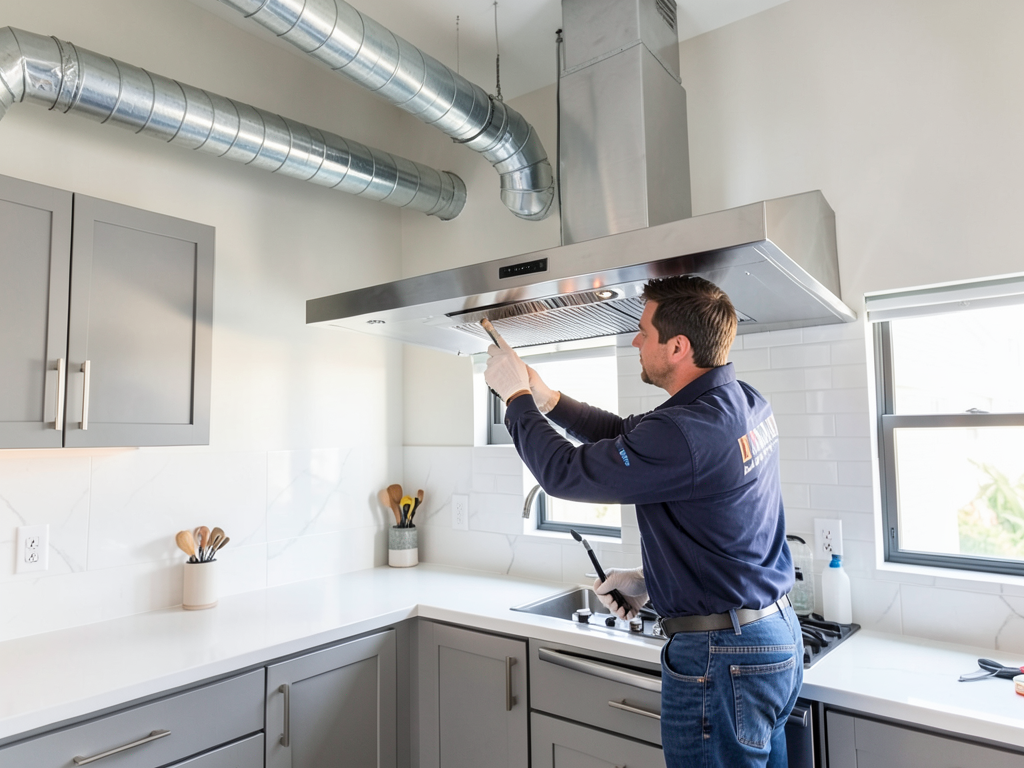
Does your new gas stove in Ballard need a high-power range hood?
If you’re installing a new gas range in your Ballard kitchen you’re likely wondering about ventilation requirements. Seattle’s building codes require specific airflow standards for gas cooking appliances to maintain indoor air quality and safety. This guide breaks down when you need a high-CFM hood and what Seattle’s mechanical codes actually require. Why your Ballard home needs professional furnace repair before the first freeze.
Seattle’s mechanical code requirements for gas stove ventilation
Seattle follows the Washington State Mechanical Code which sets strict standards for kitchen ventilation. For gas ranges the code requires exhaust hoods to remove combustion byproducts and cooking contaminants effectively. The minimum requirement starts at 100 CFM for standard gas cooktops but increases significantly for high-BTU burners. Washington State Mechanical Code.
Most new gas ranges in Ballard homes produce 40,000 to 60,000 BTU which means you need at least 150 to 250 CFM of exhaust. If your range has a high-output burner exceeding 10,000 BTU you’ll need 100 CFM per linear foot of cooktop width.. Read more about Why your high ceiling loft in Ballard is so hard to keep warm and how to fix it.
When does Seattle require makeup air for your range hood?
Seattle’s energy code requires makeup air systems when your range hood exceeds 400 CFM. This prevents negative pressure that can cause backdrafting of combustion appliances and bring in unfiltered outdoor air through cracks and gaps.
Backdrafting creates serious safety hazards by pulling carbon monoxide from water heaters or furnaces back into your living space. The makeup air system brings in filtered outdoor air to balance the exhaust volume maintaining neutral pressure in your home. Who to call for 24 hour emergency furnace repair in West Seattle.
Many Ballard homes built after 2010 are tightly sealed for energy efficiency which makes makeup air even more critical. Without it your powerful hood creates strong negative pressure that can affect your entire HVAC system’s performance.
Gas vs electric stove ventilation requirements
Gas stoves require more ventilation than electric cooktops because they produce combustion byproducts including carbon monoxide and water vapor. Electric stoves primarily need ventilation for smoke grease and odors rather than harmful gases.. Read more about Safe ventilation for woodworking and metal shops in Georgetown garages.
For gas ranges you need 10 CFM per 1,000 BTU of burner output. A typical 50,000 BTU gas range needs 500 CFM minimum. Electric cooktops only need 100 CFM per linear foot of cooking surface regardless of burner count.
The combustion aspect makes gas stove ventilation a mechanical code issue rather than just a comfort concern. This is why Seattle inspectors scrutinize gas range installations more closely than electric ones.
Types of range hoods for Ballard kitchens
Wall-mounted hoods work well for ranges against exterior walls and provide the most powerful ventilation. Island hoods are necessary when your range sits in a kitchen island and require special duct routing through the ceiling.
Under-cabinet hoods fit in standard cabinet configurations and work for moderate ventilation needs. Downdraft systems pull air down through the floor and are popular in open-concept Ballard kitchens but provide less effective ventilation than overhead systems.
Recirculating hoods with charcoal filters don’t meet Seattle’s mechanical code for gas ranges. They’re only acceptable for electric cooktops or as supplemental filtration in conjunction with ducted systems.
Ductwork considerations for Seattle homes
Seattle’s damp climate requires insulated ductwork to prevent condensation and mold growth. Metal ducts should have at least R-4 insulation in unconditioned spaces like attics and crawl spaces.
The most common mistake is using flexible ducting which restricts airflow and creates noise. Seattle inspectors require rigid metal ductwork for all range hood installations with smooth interior surfaces to maximize airflow efficiency.
Backdraft dampers prevent outside air from entering through the hood when not in use. These should be installed at the exterior wall cap and tested for proper operation during installation.
Indoor air quality benefits of proper gas stove ventilation
Gas cooking produces nitrogen dioxide formaldehyde and fine particulate matter that affect respiratory health. Seattle’s air quality concerns make proper ventilation even more important for families with asthma or allergies.
High-CFM ventilation removes cooking odors quickly and prevents grease buildup on cabinets and walls. This reduces cleaning frequency and prevents potential fire hazards from accumulated grease deposits. Commercial Duct Cleaning.
Proper ventilation also controls moisture from boiling and steam cooking preventing mold growth in Seattle’s already humid environment. This is especially important in Ballard’s older homes with less effective moisture barriers.
Permit requirements for range hood installation in Seattle
Seattle requires mechanical permits for range hood installations exceeding 400 CFM or any gas appliance modification. The permit process includes duct sizing calculations and exterior termination point approval.
Inspectors verify that makeup air systems activate simultaneously with the hood and that all combustion safety requirements are met. They also check that duct routing doesn’t interfere with structural elements or create fire hazards.
DIY installations without permits can result in fines and require costly retrofits to pass inspection. Professional installation ensures code compliance and protects your home’s resale value.
Cost factors for professional range hood installation
Installation costs vary based on your kitchen layout and existing infrastructure. Basic replacements in existing locations cost less than new installations requiring wall or ceiling modifications.
Makeup air systems add significant cost but are mandatory for high-CFM hoods in Seattle. These systems include dampers controls and additional ductwork that must integrate with your existing HVAC.
Older Ballard homes may need electrical upgrades to handle the additional load of high-powered ventilation systems. This is especially true in homes with original knob-and-tube wiring or undersized circuits.
Smart ventilation options for modern Ballard kitchens
Modern range hoods include sensors that automatically adjust fan speed based on smoke and heat detection. These smart systems provide optimal ventilation while minimizing noise and energy consumption.
Some systems integrate with home automation platforms allowing voice control and scheduling. This is particularly useful in Ballard’s tech-savvy households where kitchen ventilation is part of a larger smart home ecosystem.
Energy recovery ventilators can provide makeup air while recovering heat from exhaust air reducing energy costs in Seattle’s climate. These systems are becoming more common in new Ballard construction.
Common ventilation mistakes to avoid
The most frequent error is undersizing the hood for your cooking needs. Many homeowners choose decorative hoods that look good but don’t provide adequate CFM for their gas range.
Improper duct routing creates excessive bends and restrictions reducing airflow efficiency. Each 90-degree bend reduces effective duct length by 10 to 15 feet equivalent.
Ignoring makeup air requirements leads to backdrafting and poor indoor air quality. This is especially problematic in Ballard’s tightly sealed modern homes where pressure imbalances are more pronounced.
Professional installation benefits
Professional installers understand Seattle’s specific requirements and can navigate the permit process efficiently. They ensure proper duct sizing and routing to maximize ventilation performance.
Experienced technicians can identify potential issues like structural obstacles or electrical limitations before installation begins. This prevents costly mid-project changes and delays.
Professional installation includes testing for proper operation and compliance with all safety standards. This gives you peace of mind that your system will perform as intended.
Maintenance tips for your range hood system
Regular filter cleaning prevents grease buildup that reduces airflow efficiency. Most metal mesh filters can be cleaned in the dishwasher every one to three months depending on usage.
Check exterior vent caps for obstructions like bird nests or debris that can restrict airflow. Seattle’s wet climate can cause corrosion on metal components requiring occasional cleaning and lubrication.
Test your makeup air system annually to ensure it activates properly with your hood. Listen for unusual noises that might indicate failing dampers or motors needing replacement.
Energy efficiency considerations
Energy Star certified range hoods use 70% less energy than standard models while maintaining effective ventilation. These models include variable speed controls and efficient motors that reduce operating costs.
Heat recovery systems can reduce energy loss from makeup air by 60 to 80% in Seattle’s climate. These systems transfer heat from exhaust air to incoming makeup air reducing heating costs.
Proper duct insulation prevents condensation that can lead to mold growth and reduces heat loss in winter. This is particularly important in Ballard’s older homes with less effective insulation.
Future-proofing your kitchen ventilation
Consider your long-term cooking needs when selecting ventilation capacity. If you plan to upgrade to a higher-BTU range later you’ll need adequate ventilation from the start.
Oversizing your duct system slightly provides flexibility for future upgrades without requiring major modifications. This is cost-effective compared to retrofitting larger ducts later.
Smart home integration capabilities allow your ventilation system to work with other kitchen appliances and environmental sensors. This future-proofs your investment as home automation technology continues to evolve.
Call (564) 220-5899 today to schedule your inspection
Don’t guess about your gas stove ventilation requirements. Call Peak HVAC Seattle at (564) 220-5899 for a professional assessment of your Ballard kitchen’s ventilation needs. Our experts understand Seattle’s mechanical codes and can ensure your installation meets all requirements while providing optimal performance.
Pick up the phone and call (564) 220-5899 before you purchase that new gas range. We’ll help you select the right ventilation system and handle all permit requirements so you can cook with confidence knowing your kitchen is safe and code-compliant.
Frequently Asked Questions
Do I need a permit for a range hood replacement in Seattle?
Yes if your new hood exceeds 400 CFM or you’re modifying gas lines. Seattle requires mechanical permits for high-CFM installations to ensure proper makeup air and safety compliance.
Can I install a range hood myself in Ballard?
You can but DIY installations often fail inspection and may create safety hazards. Professional installation ensures code compliance and proper integration with your home’s systems.
How do I know if my gas range needs makeup air?
If your range hood produces over 400 CFM you need makeup air. Signs of negative pressure include difficulty opening doors when the hood runs and backdrafting from other appliances. For more information, visit CDC Carbon Monoxide Safety.
You may also find this helpful. How to keep your Shorewood bathroom from getting moldy during the damp Seattle winters.
{
“@context”: “https://schema.org”,
“@type”: “BlogPosting”,
“headline”: “Does your new gas stove in Ballard need a high-power range hood?”,
“description”: “Learn Seattle’s mechanical codes for gas stove ventilation and when your Ballard kitchen needs makeup air. Peak HVAC Seattle ensures code compliance and indoor air quality.”,
“wordCount”: 1651,
“datePublished”: “2026-05-17T06:40:00.000Z”,
“dateModified”: “2026-05-17T06:40:00.000Z”,
“inLanguage”: “en-US”,
“mainEntityOfPage”: {
“@type”: “WebPage”,
“@id”: “https://peakhvacseattle.com”
},
“publisher”: {
“@type”: “LocalBusiness”,
“name”: “Peak HVAC Seattle”,
“url”: “https://peakhvacseattle.com”
},
“author”: {
“@type”: “Organization”,
“name”: “Peak HVAC Seattle”,
“url”: “https://peakhvacseattle.com”
},
“image”: {
“@type”: “ImageObject”,
“url”: “https://peakhvacseattle.com/wp-content/uploads/2026/03/does-your-new-gas-stove-in-ballard-need-a-high-pow-1.png”
}
}
{
“@context”: “https://schema.org”,
“@type”: “HVACBusiness”,
“name”: “Peak HVAC Seattle”,
“url”: “https://peakhvacseattle.com”,
“address”: {
“@type”: “PostalAddress”,
“addressLocality”: “Seattle”
},
“areaServed”: {
“@type”: “City”,
“name”: “Seattle”
}
}
{
“@context”: “https://schema.org”,
“@type”: “FAQPage”,
“mainEntity”: [
{
“@type”: “Question”,
“name”: “When does Seattle require makeup air for your range hood?”,
“acceptedAnswer”: {
“@type”: “Answer”,
“text”: “Seattle’s energy code requires makeup air systems when your range hood exceeds 400 CFM. This prevents negative pressure that can cause backdrafting of combustion appliances and bring in unfiltered outdoor air through cracks and gaps.”
}
},
{
“@type”: “Question”,
“name”: “Do I need a permit for a range hood replacement in Seattle?”,
“acceptedAnswer”: {
“@type”: “Answer”,
“text”: “Yes if your new hood exceeds 400 CFM or you’re modifying gas lines. Seattle requires mechanical permits for high-CFM installations to ensure proper makeup air and safety compliance.”
}
},
{
“@type”: “Question”,
“name”: “Can I install a range hood myself in Ballard?”,
“acceptedAnswer”: {
“@type”: “Answer”,
“text”: “You can but DIY installations often fail inspection and may create safety hazards. Professional installation ensures code compliance and proper integration with your home’s systems.”
}
},
{
“@type”: “Question”,
“name”: “How do I know if my gas range needs makeup air?”,
“acceptedAnswer”: {
“@type”: “Answer”,
“text”: “If your range hood produces over 400 CFM you need makeup air. Signs of negative pressure include difficulty opening doors when the hood runs and backdrafting from other appliances. For more information, visit CDC Carbon Monoxide Safety.”
}
}
]
}
{
“@context”: “https://schema.org”,
“@type”: “BreadcrumbList”,
“itemListElement”: [
{
“@type”: “ListItem”,
“position”: 1,
“name”: “Home”,
“item”: “https://peakhvacseattle.com”
},
{
“@type”: “ListItem”,
“position”: 2,
“name”: “Blog”,
“item”: “https://peakhvacseattle.com/blog”
},
{
“@type”: “ListItem”,
“position”: 3,
“name”: “Does your new gas stove in Ballard need a high-power range hood?”
}
]
}
{
“@context”: “https://schema.org”,
“@type”: “Service”,
“serviceType”: “HVAC”,
“provider”: {
“@type”: “LocalBusiness”,
“name”: “Peak HVAC Seattle”,
“url”: “https://peakhvacseattle.com”
},
“areaServed”: {
“@type”: “City”,
“name”: “Seattle”
},
“description”: “Learn Seattle’s mechanical codes for gas stove ventilation and when your Ballard kitchen needs makeup air. Peak HVAC Seattle ensures code compliance and indoor air quality.”
}