
How to keep your Shorewood bathroom from getting moldy during the damp Seattle winters
Shorewood bathrooms face a unique mold challenge. The combination of Puget Sound’s high humidity and Seattle’s cool, wet winters creates perfect conditions for bathroom mold growth. Mold spores need moisture, warmth, and organic material to thrive. Your bathroom provides all three.
Seattle averages 38 inches of rain annually with winter humidity often exceeding 80%. Shorewood homes, many built in the 1960s-1980s, frequently have inadequate ventilation systems that struggle to keep up with moisture loads from daily showers and baths.
The good news? You can stop bathroom mold with the right ventilation strategy. This guide covers the science of moisture control, specific HVAC solutions for Shorewood homes, and Washington State code requirements that protect your family’s health. Washington State Energy Code.
Why Seattle bathrooms are mold magnets
Seattle’s climate creates a perfect storm for bathroom mold. The Pacific Northwest experiences what locals call the “Big Dark” – months of cool, damp weather where outdoor relative humidity rarely drops below 70%.
Shorewood’s proximity to Puget Sound means marine air constantly flows through the area. This air holds more moisture than inland air. When warm shower steam meets cool bathroom surfaces, condensation forms. That water becomes the breeding ground for mold.
Older Shorewood homes often lack proper bathroom ventilation. Many were built before Washington State Energy Code (WSEC) ventilation requirements existed. Bathrooms without exhaust fans trap moisture inside, creating ideal conditions for black mold growth on walls, ceilings, and grout.
Common mold locations in Shorewood bathrooms:
- Ceiling corners where warm air meets cold surfaces
- Behind toilets where condensation collects
- Under bathroom cabinets where plumbing creates temperature differences
- Inside exhaust fan housings where dust traps moisture
Black mold (Stachybotrys chartarum) thrives in these conditions. It releases mycotoxins that can trigger respiratory issues, especially in children and elderly residents. The EPA recommends keeping indoor humidity between 30-50% to prevent mold growth. EPA mold prevention guidelines.
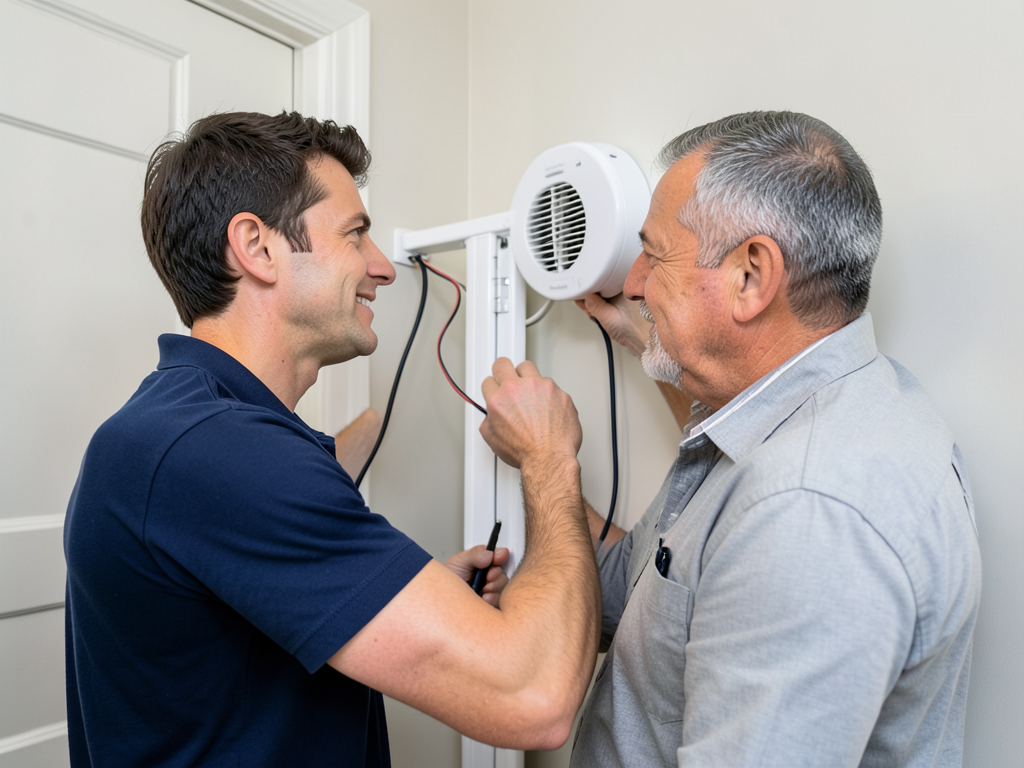
Diagram showing moisture condensation patterns in a typical Shorewood bathroom during winter months
The science of ventilation: CFM and Sones
Proper bathroom ventilation requires understanding two key metrics: Cubic Feet per Minute (CFM) and Sones.
CFM measures airflow volume. The Home Ventilation Institute recommends 1 CFM per square foot of bathroom space plus 50 CFM for each toilet. For a 60-square-foot bathroom with a toilet: (60 x 1) + 50 = 110 CFM minimum.
Washington State Energy Code Section R303.3 requires mechanical ventilation in all bathrooms. The code mandates exhaust fans must vent directly outdoors, not into attics or crawl spaces where moisture causes structural damage.
Sones measure fan noise level. A 1.0 sone fan sounds like a quiet refrigerator. A 4.0 sone fan sounds like normal conversation. Lower sone ratings mean people actually use the fan. Many homeowners disable loud fans, defeating the purpose.
Panasonic WhisperCeiling fans achieve 0.3 sones at 80 CFM. These fans run continuously at low speed or activate with humidity sensors. The low noise profile ensures consistent operation.
Key ventilation calculations:
- Room volume = length x width x ceiling height
- Required CFM = (room volume ÷ 60) x 8 air changes per hour
- Timer switches should run 20 minutes after shower ends
Proper duct sizing matters. Undersized ducts create backpressure, reducing actual CFM delivery. A 4-inch duct handles up to 80 CFM. Larger bathrooms need 6-inch ducts minimum.
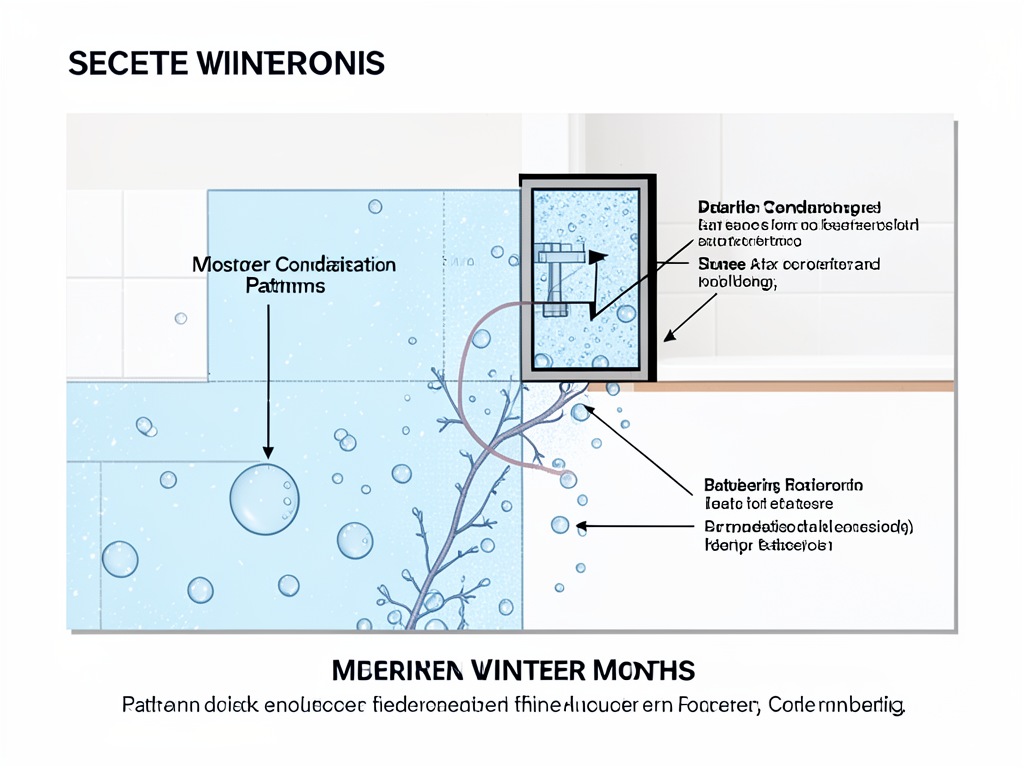
Photo showing proper duct installation with insulated exhaust pipe running to exterior wall
Advanced HVAC solutions for Shorewood homes
Standard exhaust fans often fail in Shorewood’s climate. The constant moisture load overwhelms basic systems. Advanced solutions provide better protection.
Humidity-sensing switches automatically activate fans when moisture levels exceed 60%. These switches prevent human error – you never forget to turn on the fan. The switch shuts off when humidity drops below 50%, saving energy.
Energy Recovery Ventilators (ERVs) exchange indoor stale air with fresh outdoor air while transferring heat and moisture. In winter, ERVs preheat incoming air using outgoing warm air. This process maintains indoor humidity around 45% – the sweet spot for comfort and mold prevention.
Whole-house dehumidification systems work with existing HVAC equipment. These units remove excess moisture before it enters bathrooms. For Shorewood’s climate, a 70-pint per day capacity handles typical moisture loads.
Make-Up Air Units (MAUs) balance building pressure. When exhaust fans run, they create negative pressure that pulls moist outdoor air through cracks. MAUs provide replacement air, maintaining neutral pressure and preventing backdrafting of combustion appliances.
Installation considerations for Shorewood homes:
- Many homes have shallow roof cavities limiting duct routing options
- Older electrical panels may need upgrades for new ventilation equipment
- Exterior wall insulation affects duct efficiency
Professional installation ensures code compliance. Washington State requires permits for new ventilation systems. Improper installation creates fire hazards and moisture damage.
Technician installing a humidity-sensing switch in a Shorewood bathroom remodel
Professional inspection vs. DIY cleaning
Many Shorewood homeowners try DIY mold removal with bleach solutions. This approach often makes problems worse. Bleach kills surface mold but doesn’t address underlying moisture issues. Dead mold still releases mycotoxins.
Professional inspection identifies root causes. Technicians use moisture meters to detect hidden water sources. Thermal imaging cameras reveal temperature differences indicating moisture intrusion. Air quality testing measures mold spore counts.
Common issues found during Shorewood inspections:
- Disconnected exhaust ducts dumping moisture into attics
- Backdraft dampers stuck open, allowing cold air infiltration
- Insulation gaps around penetrations creating cold spots
- Improper fan sizing causing inadequate ventilation
Professional remediation follows IICRC S520 standards. This industry standard requires containment barriers, negative air pressure, and HEPA filtration during mold removal. DIY attempts often spread spores throughout the home.
When to call a professional:
- Visible mold covers more than 10 square feet
- Musty odors persist after cleaning
- Family members experience unexplained respiratory issues
- Water damage history exists
Professional services include moisture source elimination, not just surface cleaning. This approach provides lasting results instead of recurring mold problems. Weekend HVAC Service.
Washington State building codes for ventilation
Washington State Energy Code (WSEC) Chapter 13 sets ventilation requirements for residential buildings. These codes protect occupant health and prevent moisture damage.
Key code requirements:
- Bathrooms must have mechanical exhaust ventilation
- Exhaust fans must vent directly outdoors
- Minimum airflow: 50 CFM intermittent or 20 CFM continuous
- Ducts must be insulated in unconditioned spaces
- Backdraft dampers required on exterior terminations
Washington State Mechanical Code Section 403 mandates specific fan ratings. Fans must achieve rated CFM at 0.25 inches water column static pressure. This ensures adequate performance despite duct losses.
Seattle City Code adds local requirements. Exhaust fans in new construction must include timers or humidity sensors. The city also requires ENERGY STAR certified fans in most residential applications.
Code compliance protects homeowners. Non-compliant installations can void insurance claims for moisture damage. They also create liability if moisture problems affect neighboring units in multi-family buildings.
Permit requirements vary by jurisdiction. Seattle requires permits for new ventilation installations. King County may require additional inspections for homes in flood zones or near wetlands.
Professional contractors stay current on code changes. Washington updates energy codes every three years. Recent changes increased ventilation requirements for tighter building envelopes.
Frequently Asked Questions
How much does bathroom ventilation installation cost in Shorewood?
Basic exhaust fan replacement costs $300-500. Complete ventilation system installation ranges from $1,200-3,500 depending on home configuration and equipment selection.
Can I install a bathroom fan myself?
DIY installation is possible but risky. Electrical work requires permits in most jurisdictions. Improper duct installation causes moisture damage. Professional installation ensures code compliance and warranty protection.
How long should I run my bathroom fan?
Run fans 20 minutes after showering or bathing. Timer switches automate this process. Continuous operation at low speed (30-50 CFM) provides better moisture control in Shorewood’s climate.
What’s the best bathroom fan brand for Seattle homes?
Panasonic Whisper series leads in reliability and noise control. Broan-NuTone offers good value options. Both brands meet Washington State energy efficiency requirements. The best air conditioning options for bungalows and cottages around Green Lake.
Will a new fan eliminate existing mold?
New ventilation prevents future mold growth but doesn’t remove existing mold. Professional remediation is required for active mold problems. The new fan prevents recurrence after cleanup.
Take action before mold takes over
Bathroom mold in Shorewood homes isn’t just unsightly – it’s a health hazard that worsens during Seattle’s damp winters. The combination of high humidity, cool temperatures, and inadequate ventilation creates perfect mold-growing conditions.
You have options. Basic exhaust fan replacement provides immediate improvement. Advanced solutions like ERVs and humidity-sensing switches offer comprehensive protection. Professional inspection identifies hidden problems that DIY approaches miss.
Washington State building codes require proper ventilation for good reason. These requirements protect your family’s health and your home’s structure. Non-compliant installations create liability and can void insurance coverage.
Don’t wait until mold spreads through your walls. Call (564) 220-5899 today to schedule your bathroom ventilation inspection. Our NATE-certified technicians understand Shorewood’s unique climate challenges and Washington State code requirements.
Pick up the phone and call (564) 220-5899 before the next storm hits. We’ll evaluate your current system, identify moisture sources, and recommend solutions that keep your bathroom mold-free year-round.
Your family deserves clean air and a healthy home. Let’s make your Shorewood bathroom a mold-free zone this winter.
{
“@context”: “https://schema.org”,
“@type”: “BlogPosting”,
“headline”: “How to keep your Shorewood bathroom from getting moldy during the damp Seattle winters”,
“description”: “Stop bathroom mold in Shorewood homes with Seattle-specific HVAC ventilation strategies. Learn how high humidity and cool winters create perfect mold conditions and what to do about it.”,
“wordCount”: 1536,
“datePublished”: “2026-03-13T09:17:00.000Z”,
“dateModified”: “2026-03-13T09:17:00.000Z”,
“inLanguage”: “en-US”,
“mainEntityOfPage”: {
“@type”: “WebPage”,
“@id”: “https://peakhvacseattle.com”
},
“publisher”: {
“@type”: “LocalBusiness”,
“name”: “Peak HVAC Seattle”,
“url”: “https://peakhvacseattle.com”
},
“author”: {
“@type”: “Organization”,
“name”: “Peak HVAC Seattle”,
“url”: “https://peakhvacseattle.com”
},
“image”: {
“@type”: “ImageObject”,
“url”: “https://peakhvacseattle.com/wp-content/uploads/2026/03/how-to-keep-your-shorewood-bathroom-from-getting-m-1.png”
}
}
{
“@context”: “https://schema.org”,
“@type”: “HVACBusiness”,
“name”: “Peak HVAC Seattle”,
“url”: “https://peakhvacseattle.com”,
“address”: {
“@type”: “PostalAddress”,
“addressLocality”: “Seattle”
},
“areaServed”: {
“@type”: “City”,
“name”: “Seattle”
}
}
{
“@context”: “https://schema.org”,
“@type”: “FAQPage”,
“mainEntity”: [
{
“@type”: “Question”,
“name”: “How much does bathroom ventilation installation cost in Shorewood?”,
“acceptedAnswer”: {
“@type”: “Answer”,
“text”: “Basic exhaust fan replacement costs $300-500. Complete ventilation system installation ranges from $1,200-3,500 depending on home configuration and equipment selection.”
}
},
{
“@type”: “Question”,
“name”: “Can I install a bathroom fan myself?”,
“acceptedAnswer”: {
“@type”: “Answer”,
“text”: “DIY installation is possible but risky. Electrical work requires permits in most jurisdictions. Improper duct installation causes moisture damage. Professional installation ensures code compliance and warranty protection.”
}
},
{
“@type”: “Question”,
“name”: “How long should I run my bathroom fan?”,
“acceptedAnswer”: {
“@type”: “Answer”,
“text”: “Run fans 20 minutes after showering or bathing. Timer switches automate this process. Continuous operation at low speed (30-50 CFM) provides better moisture control in Shorewood’s climate.”
}
},
{
“@type”: “Question”,
“name”: “What’s the best bathroom fan brand for Seattle homes?”,
“acceptedAnswer”: {
“@type”: “Answer”,
“text”: “Panasonic Whisper series leads in reliability and noise control. Broan-NuTone offers good value options. Both brands meet Washington State energy efficiency requirements. The best air conditioning options for bungalows and cottages around Green Lake.”
}
},
{
“@type”: “Question”,
“name”: “Will a new fan eliminate existing mold?”,
“acceptedAnswer”: {
“@type”: “Answer”,
“text”: “New ventilation prevents future mold growth but doesn’t remove existing mold. Professional remediation is required for active mold problems. The new fan prevents recurrence after cleanup.”
}
}
]
}
{
“@context”: “https://schema.org”,
“@type”: “BreadcrumbList”,
“itemListElement”: [
{
“@type”: “ListItem”,
“position”: 1,
“name”: “Home”,
“item”: “https://peakhvacseattle.com”
},
{
“@type”: “ListItem”,
“position”: 2,
“name”: “Blog”,
“item”: “https://peakhvacseattle.com/blog”
},
{
“@type”: “ListItem”,
“position”: 3,
“name”: “How to keep your Shorewood bathroom from getting moldy during the damp Seattle winters”
}
]
}
{
“@context”: “https://schema.org”,
“@type”: “Service”,
“serviceType”: “HVAC”,
“provider”: {
“@type”: “LocalBusiness”,
“name”: “Peak HVAC Seattle”,
“url”: “https://peakhvacseattle.com”
},
“areaServed”: {
“@type”: “City”,
“name”: “Seattle”
},
“description”: “Stop bathroom mold in Shorewood homes with Seattle-specific HVAC ventilation strategies. Learn how high humidity and cool winters create perfect mold conditions and what to do about it.”
}