
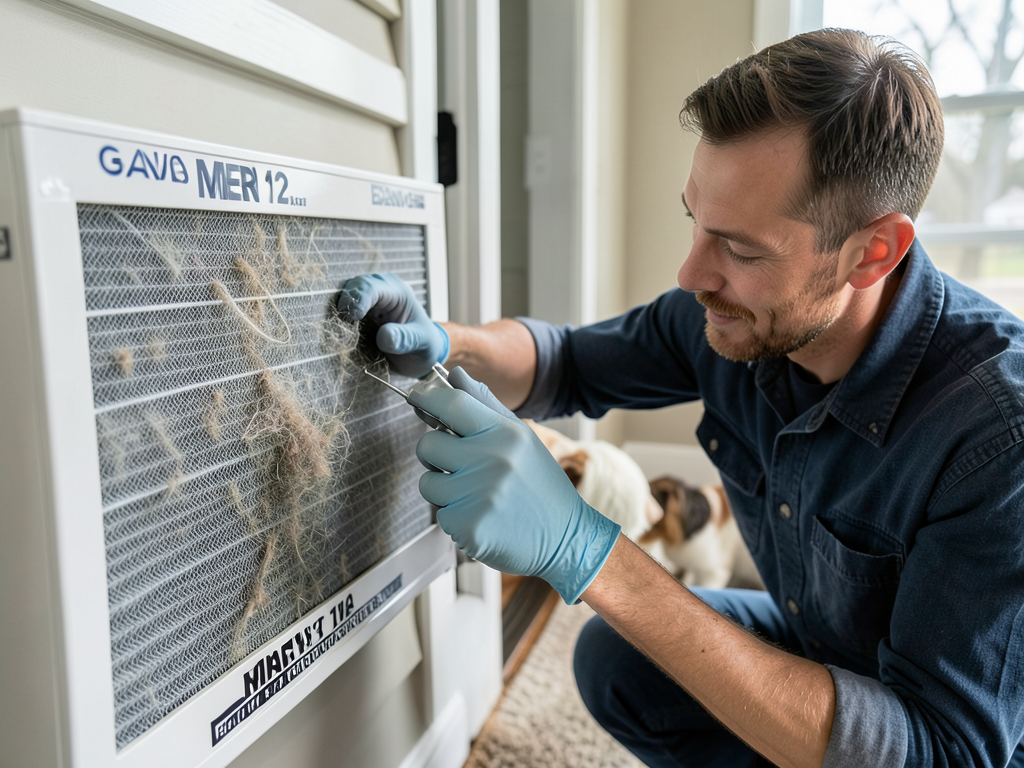
Dealing with pet hair and dander in your Georgetown home HVAC system
Georgetown homeowners know that Seattle’s damp climate creates unique challenges for indoor air quality, especially when pets are part of the family. Pet dander and hair don’t just settle on furniture—they circulate through your HVAC system, clogging filters, coating ductwork, and triggering allergies. In Georgetown’s older homes near the Duwamish River, where humidity levels often exceed 70%, dander particles can clump together and stick to duct surfaces, creating persistent air quality issues that standard cleaning can’t fix. Commercial Duct Cleaning.
The good news is that targeted solutions exist. From high-efficiency MERV filters to whole-home air purification systems, you can significantly reduce pet-related allergens while protecting your HVAC equipment from premature wear. This guide covers the specific challenges Georgetown pet owners face and provides actionable steps to create a healthier home environment.
The Challenge: Why Seattle’s Climate Makes Pet Dander Worse
Georgetown’s location along the Duwamish River creates a microclimate with higher humidity than many Seattle neighborhoods. This moisture-rich air causes pet dander—microscopic skin flakes that are the primary allergen—to absorb water vapor and become heavier. Instead of staying airborne briefly, these damp particles settle more quickly on surfaces and inside your ductwork.
Older Georgetown homes, many built before 1970, often have uninsulated metal ducts that sweat in humid conditions. This condensation creates a sticky surface where pet dander accumulates, forming layers that standard filter changes can’t address. The result is a continuous recirculation of allergens through your living spaces, even when your pets are elsewhere in the house.
High-Efficiency Air Filters: MERV 11 vs. MERV 13
When choosing filters for pet-heavy households, the MERV rating determines how effectively particles are captured. MERV 11 filters trap 85% of particles between 3-10 microns, including most pet dander. MERV 13 filters capture 90% of particles in this range plus smaller allergens down to 1 micron.
For Georgetown homes, MERV 13 provides better protection but requires careful consideration of your HVAC system’s blower capacity. Older systems may struggle with the increased airflow resistance, causing the blower motor to work harder and potentially overheat. A simple diagnostic test involves checking your system’s static pressure with a manometer—if readings exceed 0.5 inches of water column, you may need to step down to MERV 11 or upgrade your blower motor.
Filter Comparison Table
| Filter Type | MERV Rating | Pet Dander Capture | Airflow Impact | Recommended For |
|---|---|---|---|---|
| Standard Fiberglass | 4-6 | 10-20% | Minimal | Pet-free homes |
| Pleated MERV 11 | 11 | 85% | Low | 1-2 pets, older systems |
| Pleated MERV 13 | 13 | 90%+ | Moderate | Multi-pet homes, newer systems |
| HEPA | 17-20 | 99.97% | High | Severe allergies, standalone units |
Whole-Home Air Purifiers and Scrubbers
Standalone air purifiers work for single rooms, but whole-home systems integrate with your existing HVAC to clean air throughout your Georgetown house. Active systems like the iWave use needle-point bipolar ionization to charge particles, causing them to clump together and be captured by your filter. Passive systems like the APCO-X use activated carbon and UV-C light to neutralize odors and kill bacteria.
For pet owners, the iWave-R model specifically targets pet proteins that cause allergic reactions. The system installs directly in your air handler where it treats air before it circulates through ducts. In Georgetown’s older homes, this prevents the buildup of pet-related biofilms in ductwork—a common issue where dander combines with moisture to create a breeding ground for mold and bacteria.
The Role of Professional Duct Cleaning
Duct cleaning becomes essential in multi-pet Georgetown homes every 3-5 years, compared to 5-7 years for pet-free households. The process involves negative air pressure combined with mechanical agitation to dislodge accumulated debris. Professional duct cleaners use cameras to inspect duct interiors, revealing the extent of pet hair and dander buildup that homeowners can’t see.
During a typical cleaning in a Georgetown home with two dogs, technicians might remove 2-4 pounds of accumulated pet hair and dander from a standard duct system. This material, when disturbed, can trigger allergy symptoms for weeks. The cleaning also removes the biofilm layer where bacteria thrive, improving overall indoor air quality beyond just pet-related issues.
Humidity Control: Dehumidifiers as a Dander Defense
Maintaining indoor humidity between 40-50% prevents pet dander from becoming sticky and adhering to surfaces. In Georgetown’s damp climate, whole-home dehumidifiers integrate with your HVAC system to extract excess moisture before it enters living spaces. These units can remove 70-100 pints of water daily during Seattle’s wet season.
The relationship between humidity and dander is straightforward: when relative humidity exceeds 60%, dander particles absorb moisture and become electrostatically charged. This causes them to cling to duct walls, filter media, and even clothing. A properly sized dehumidifier not only improves air quality but also reduces the frequency of filter changes and duct cleanings needed in pet households.
Maintenance Schedule for Multi-Pet Households
Georgetown pet owners should follow this maintenance schedule to keep their HVAC systems running efficiently: Preventative HVAC maintenance plans that actually save money for Redmond families.
- Monthly Filter Inspection
Check filters every 30 days. In multi-pet homes, replace every 30-60 days regardless of manufacturer recommendations. Use a MERV 11 or 13 filter appropriate for your system.
- Quarterly Vent Cleaning
Remove vent covers and vacuum supply and return vents. Use a brush attachment to dislodge hair from duct openings. This prevents blockages that reduce airflow.
- Bi-Annual Professional Inspection
Schedule HVAC maintenance in spring and fall. Technicians should check blower motor cleanliness, as pet hair accumulation here causes overheating and premature failure.
- Annual Duct Assessment
Have ducts inspected with a camera every 12 months. Look for signs of excessive buildup, moisture damage, or mold growth that indicates more frequent cleaning is needed.
- Every 3-5 Years: Complete Duct Cleaning
Schedule professional cleaning based on inspection results and number of pets. Homes with multiple pets or allergy sufferers may need more frequent service. Weekend HVAC Service.
Additional Strategies for Georgetown Pet Owners
Beyond HVAC-specific solutions, several practices reduce the burden on your system. Regular pet grooming—ideally outdoors or in a garage—captures loose hair before it enters your home. Washing pet bedding weekly in hot water eliminates accumulated dander. Using HEPA-filter vacuums with sealed systems prevents redistribution of particles during cleaning. EPA Indoor Air Quality Guidelines.
Georgetown’s proximity to the Duwamish River means outdoor allergens often enter homes through open windows. During high pollen seasons, keep windows closed and use your HVAC system’s fan mode to circulate air through filters. This creates a barrier against both outdoor allergens and the moisture that makes dander problems worse.
When to Call a Professional
Signs that indicate you need professional HVAC service include: persistent allergy symptoms despite regular filter changes, visible dust accumulation near vents within days of cleaning, unusual HVAC noises that suggest motor strain, or musty odors when the system runs. These symptoms often indicate that pet-related debris has accumulated beyond what standard maintenance can address.
Professional technicians can perform static pressure tests to determine if your system is struggling with current filter requirements. They can also inspect blower compartments for hair buildup—a common issue that reduces efficiency by up to 30% and leads to expensive motor replacements.
Georgetown-Specific Considerations
Georgetown’s industrial heritage means many homes have converted warehouses or mixed-use buildings with unique HVAC challenges. These spaces often have higher ceilings and larger volumes of air to condition, making proper filtration even more critical. The neighborhood’s proximity to major transportation corridors also means outdoor air quality issues that compound indoor pet-related concerns.
Local building codes in Georgetown require proper ventilation in converted spaces, but many older buildings have been modified without permits. This can create pressure imbalances that draw unfiltered air through gaps in ductwork, bypassing your filtration system entirely. A professional assessment can identify these issues and recommend sealing solutions.. Read more about Fresh air without the chill (How HRV and ERV systems work for new Bothell builds).
Dealing with pet hair and dander requires a comprehensive approach that addresses both the symptoms and underlying causes. By combining proper filtration, humidity control, and regular maintenance, Georgetown pet owners can enjoy cleaner air without sacrificing the comfort of their furry family members.
Frequently Asked Questions
How often should I change my HVAC filter with pets?
Most manufacturers recommend changing filters every 90 days, but pet owners should check filters monthly and replace every 30-60 days. Homes with multiple pets or allergy sufferers may need monthly replacements regardless of filter appearance.
Can pet dander damage my HVAC system?
Yes. Pet hair and dander can clog filters, coat blower motors, and accumulate in ductwork. This reduces efficiency, increases energy costs, and can lead to premature system failure. Regular maintenance prevents these issues.
What’s the best MERV rating for pet owners?
MERV 11 captures 85% of pet dander particles and works well for most systems. MERV 13 captures more but may strain older HVAC equipment. A professional can test your system’s static pressure to determine the appropriate rating.
How do I know if my ducts need cleaning?
Signs include visible dust near vents, persistent allergy symptoms, musty odors when the system runs, or if you’ve never had ducts cleaned in a home with pets. Professional inspection with a camera reveals buildup that isn’t visible from vent openings.
Ready to improve your Georgetown home’s air quality? Call (564) 220-5899 today to schedule your inspection. Our NATE-certified technicians understand the unique challenges of Seattle’s climate and can recommend solutions tailored to your specific situation.
Don’t wait until allergy season hits—call (564) 220-5899 now to breathe easier tomorrow. For more information, visit ASHRAE HVAC Standards.
You may also find this helpful. Getting rid of stubborn cooking smells in your open concept Maple Leaf townhome.
You may also find this helpful. Why your furnace smells like burning dust and when you should actually worry.
{
“@context”: “https://schema.org”,
“@type”: “BlogPosting”,
“headline”: “Dealing with pet hair and dander in your Georgetown home HVAC system”,
“description”: “Struggling with pet hair and dander in your Georgetown home? Learn how Seattle’s humidity affects your HVAC and discover MERV filters, air purifiers, and maintenance tips from local experts.”,
“wordCount”: 1566,
“datePublished”: “2026-03-24T13:48:00.000Z”,
“dateModified”: “2026-03-24T13:48:00.000Z”,
“inLanguage”: “en-US”,
“mainEntityOfPage”: {
“@type”: “WebPage”,
“@id”: “https://peakhvacseattle.com”
},
“publisher”: {
“@type”: “LocalBusiness”,
“name”: “Peak HVAC Seattle”,
“url”: “https://peakhvacseattle.com”
},
“author”: {
“@type”: “Organization”,
“name”: “Peak HVAC Seattle”,
“url”: “https://peakhvacseattle.com”
},
“image”: {
“@type”: “ImageObject”,
“url”: “https://peakhvacseattle.com/wp-content/uploads/2026/03/dealing-with-pet-hair-and-dander-in-your-georgetow-1.png”
}
}
{
“@context”: “https://schema.org”,
“@type”: “HVACBusiness”,
“name”: “Peak HVAC Seattle”,
“url”: “https://peakhvacseattle.com”,
“address”: {
“@type”: “PostalAddress”,
“addressLocality”: “Seattle”
},
“areaServed”: {
“@type”: “City”,
“name”: “Seattle”
}
}
{
“@context”: “https://schema.org”,
“@type”: “FAQPage”,
“mainEntity”: [
{
“@type”: “Question”,
“name”: “How often should I change my HVAC filter with pets?”,
“acceptedAnswer”: {
“@type”: “Answer”,
“text”: “Most manufacturers recommend changing filters every 90 days, but pet owners should check filters monthly and replace every 30-60 days. Homes with multiple pets or allergy sufferers may need monthly replacements regardless of filter appearance.”
}
},
{
“@type”: “Question”,
“name”: “Can pet dander damage my HVAC system?”,
“acceptedAnswer”: {
“@type”: “Answer”,
“text”: “Yes. Pet hair and dander can clog filters, coat blower motors, and accumulate in ductwork. This reduces efficiency, increases energy costs, and can lead to premature system failure. Regular maintenance prevents these issues.”
}
},
{
“@type”: “Question”,
“name”: “What’s the best MERV rating for pet owners?”,
“acceptedAnswer”: {
“@type”: “Answer”,
“text”: “MERV 11 captures 85% of pet dander particles and works well for most systems. MERV 13 captures more but may strain older HVAC equipment. A professional can test your system’s static pressure to determine the appropriate rating.”
}
},
{
“@type”: “Question”,
“name”: “How do I know if my ducts need cleaning?”,
“acceptedAnswer”: {
“@type”: “Answer”,
“text”: “Signs include visible dust near vents, persistent allergy symptoms, musty odors when the system runs, or if you’ve never had ducts cleaned in a home with pets. Professional inspection with a camera reveals buildup that isn’t visible from vent openings.”
}
}
]
}
{
“@context”: “https://schema.org”,
“@type”: “HowTo”,
“name”: “HVAC Maintenance Schedule for Pet Owners”,
“step”: [
{
“@type”: “HowToStep”,
“position”: 1,
“name”: “Monthly Filter Inspection”,
“text”: “Check filters every 30 days. In multi-pet homes, replace every 30-60 days regardless of manufacturer recommendations. Use a MERV 11 or 13 filter appropriate for your system.”
},
{
“@type”: “HowToStep”,
“position”: 2,
“name”: “Quarterly Vent Cleaning”,
“text”: “Remove vent covers and vacuum supply and return vents. Use a brush attachment to dislodge hair from duct openings. This prevents blockages that reduce airflow.”
},
{
“@type”: “HowToStep”,
“position”: 3,
“name”: “Bi-Annual Professional Inspection”,
“text”: “Schedule HVAC maintenance in spring and fall. Technicians should check blower motor cleanliness, as pet hair accumulation here causes overheating and premature failure.”
},
{
“@type”: “HowToStep”,
“position”: 4,
“name”: “Annual Duct Assessment”,
“text”: “Have ducts inspected with a camera every 12 months. Look for signs of excessive buildup, moisture damage, or mold growth that indicates more frequent cleaning is needed.”
},
{
“@type”: “HowToStep”,
“position”: 5,
“name”: “Every 3-5 Years: Complete Duct Cleaning”,
“text”: “Schedule professional cleaning based on inspection results and number of pets. Homes with multiple pets or allergy sufferers may need more frequent service. Weekend HVAC Service.”
}
],
“image”: “https://peakhvacseattle.com/wp-content/uploads/2026/03/dealing-with-pet-hair-and-dander-in-your-georgetow-1.png”
}
{
“@context”: “https://schema.org”,
“@type”: “BreadcrumbList”,
“itemListElement”: [
{
“@type”: “ListItem”,
“position”: 1,
“name”: “Home”,
“item”: “https://peakhvacseattle.com”
},
{
“@type”: “ListItem”,
“position”: 2,
“name”: “Blog”,
“item”: “https://peakhvacseattle.com/blog”
},
{
“@type”: “ListItem”,
“position”: 3,
“name”: “Dealing with pet hair and dander in your Georgetown home HVAC system”
}
]
}
{
“@context”: “https://schema.org”,
“@type”: “Service”,
“serviceType”: “HVAC”,
“provider”: {
“@type”: “LocalBusiness”,
“name”: “Peak HVAC Seattle”,
“url”: “https://peakhvacseattle.com”
},
“areaServed”: {
“@type”: “City”,
“name”: “Seattle”
},
“description”: “Struggling with pet hair and dander in your Georgetown home? Learn how Seattle’s humidity affects your HVAC and discover MERV filters, air purifiers, and maintenance tips from local experts.”
}