Improving air quality for home-based daycares in Licton Springs
Washington state daycare providers face strict indoor air quality requirements that protect developing lungs from mold, allergens, and wildfire smoke. Home-based daycare operators in Licton Springs must balance compliance with comfort while managing Seattle’s damp climate and seasonal air quality challenges. Washington Department of Children, Youth, and Families.
The Washington Department of Children, Youth, and Families (DCYF) requires specific ventilation standards for licensed home daycares. These standards become particularly critical in Licton Springs where older homes near North Seattle College often have aging ductwork and limited natural ventilation. Local daycare providers must address both regulatory compliance and the unique environmental factors that affect children’s health. Environmental Protection Agency indoor air quality guidelines.
Seattle’s climate creates specific indoor air quality challenges for daycare operators. The combination of high humidity, frequent rainfall, and occasional summer wildfire smoke requires specialized HVAC solutions that generic residential systems cannot provide. Home daycare owners need equipment that handles continuous occupancy, manages moisture levels, and filters fine particulate matter effectively.. Read more about Ways your indoor plant collection might be affecting the air quality in your Phinney Ridge home.
Why air quality matters for Seattle daycare licensing
DCYF licensing standards require home daycares to maintain specific air quality levels that protect children from respiratory illnesses and developmental issues. The agency mandates minimum ventilation rates based on occupancy levels, typically requiring 15 cubic feet per minute of fresh air per child in occupied spaces.. Read more about The difference between standard filters and HEPA filtration for your Bitter Lake home.
Seattle’s building code aligns with these requirements through the Washington State Mechanical Code, which references ASHRAE 62.2 standards for residential ventilation. Home daycare operators must demonstrate compliance through proper equipment installation and maintenance documentation. Failure to meet these standards can result in licensing delays or violations. Preventative HVAC maintenance plans that actually save money for Redmond families.
Children’s developing respiratory systems are particularly vulnerable to indoor pollutants. Research from the EPA shows that children breathe more air per pound of body weight than adults, making them more susceptible to the effects of poor indoor air quality. This biological reality drives the strict standards that daycare providers must meet.
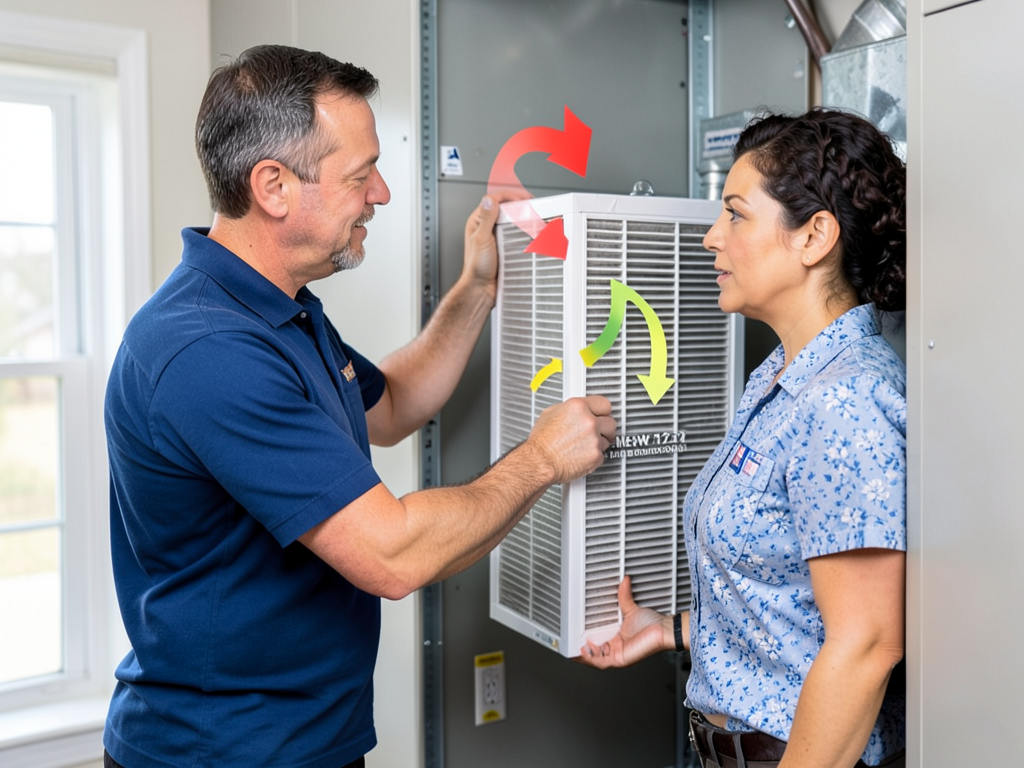
Image: Diagram showing proper HVAC duct placement in a home daycare setting with MERV 13+ filtration and fresh air intake locations.
Common air quality challenges in Licton Springs homes
Licton Springs’ residential architecture creates unique ventilation challenges for daycare operators. Many homes in the area were built between 1950 and 1980 with duct systems that cannot handle the continuous operation required for daycare licensing. These older systems often have leaks, inadequate filtration, and poor air distribution.
The neighborhood’s proximity to Green Lake and Thornton Creek means higher humidity levels throughout the year. This moisture creates ideal conditions for mold growth in ductwork and around window frames where condensation forms. Daycare providers must actively manage humidity to prevent these biological contaminants from affecting air quality.
Seattle’s increasing wildfire smoke events pose additional challenges for home daycare operators. The 2020 Labor Day smoke event showed how quickly outdoor air quality can deteriorate, forcing daycare providers to rely on their HVAC systems for protection. Many Licton Springs homes lack the filtration capacity to handle high levels of fine particulate matter during smoke events.
Essential HVAC equipment for daycare compliance
High-efficiency filtration systems form the foundation of daycare air quality compliance. MERV 13 filters capture 90% of particles between 1 and 3 microns, including most allergens, bacteria, and fine smoke particles. These filters require more powerful HVAC systems than standard residential equipment provides.
Energy Recovery Ventilators (ERVs) solve the fresh air requirement without wasting energy. These systems exchange indoor air with filtered outdoor air while transferring heat and moisture between the airstreams. ERVs maintain comfortable humidity levels while providing the continuous fresh air exchange that licensing standards require.
Ultraviolet light systems installed in ductwork kill airborne bacteria and mold spores. These systems work continuously to reduce biological contaminants that standard filtration cannot capture. UV-C light at 254 nanometers disrupts the DNA of microorganisms, preventing them from reproducing in the air stream.
Managing wildfire smoke in home daycare settings
Seattle’s wildfire season now extends from July through October, requiring daycare operators to have specific smoke management protocols. The Washington Department of Health recommends maintaining indoor PM2.5 levels below 35 micrograms per cubic meter during smoke events. This requires both proper equipment and monitoring capabilities.
Portable HEPA air purifiers provide backup filtration during extreme smoke events. These units should have CADR ratings appropriate for the room size and should use true HEPA filters that capture 99.97% of particles 0.3 microns and larger. Multiple units may be necessary for larger daycare spaces.
Carbon dioxide monitoring helps daycare operators assess ventilation effectiveness. CO2 levels above 1,000 parts per million indicate inadequate fresh air exchange. Modern monitors provide real-time readings that help operators adjust ventilation systems before air quality becomes problematic.
Humidity control for PNW daycare environments
Seattle’s average relative humidity of 70-80% creates mold growth risks in daycare settings. The EPA recommends maintaining indoor humidity between 30-50% to prevent biological growth while ensuring comfort. This range prevents both mold growth and the respiratory irritation caused by overly dry air.
Whole-home dehumidifiers integrated with HVAC systems provide the most effective humidity control. These units can remove 70-100 pints of moisture per day, maintaining consistent humidity levels regardless of outdoor conditions. Standalone dehumidifiers often cannot handle the moisture load in occupied daycare spaces.
Proper duct insulation prevents condensation that leads to mold growth. Uninsulated ducts in unconditioned spaces can reach dew point temperatures, causing moisture to condense on duct surfaces. This moisture creates ideal conditions for mold growth inside the duct system.
Maintenance schedules for daycare HVAC systems
Daycare HVAC systems require more frequent maintenance than standard residential equipment. The continuous operation and higher occupancy levels mean filters clog faster and components wear more quickly. Establishing a strict maintenance schedule ensures compliance and prevents system failures during operating hours.
Filter replacement schedules depend on occupancy levels and local air quality. MERV 13 filters in daycare settings typically require replacement every 30-60 days rather than the standard 90-day residential schedule. More frequent changes maintain proper airflow and filtration efficiency.
Annual professional inspections should include duct cleaning, coil cleaning, and system performance testing. These inspections verify that all components function properly and that the system meets licensing requirements. Documentation of these inspections provides evidence of compliance during licensing reviews. Commercial Duct Cleaning.
Carbon monoxide and radon safety protocols
DCYF licensing requires carbon monoxide detectors in specific locations throughout home daycare facilities. Detectors must be installed on every level and near sleeping areas, with battery backup and digital displays showing CO levels. Monthly testing and annual battery replacement are mandatory requirements.
Radon testing becomes particularly important in Licton Springs due to the area’s geological composition. The neighborhood’s location on former marshland means some homes may have elevated radon levels. Washington State law requires radon testing for all licensed daycare facilities, with mitigation required if levels exceed 4.0 pCi/L.
Gas appliance safety inspections should be conducted annually by qualified technicians. These inspections verify proper venting, check for gas leaks, and ensure all safety controls function correctly. Documentation of these inspections satisfies licensing requirements and provides liability protection.
Cost considerations for daycare HVAC upgrades
Upgrading HVAC systems for daycare compliance represents a significant investment for home-based operators. Complete system replacements with proper filtration and ventilation equipment typically cost between $8,000 and $15,000, depending on home size and existing infrastructure. This investment often pays for itself through improved energy efficiency and reduced maintenance costs.
Energy savings from high-efficiency systems can offset upgrade costs over time. Modern HVAC equipment with ECM motors and smart controls can reduce energy consumption by 30-40% compared to older systems. These savings become more significant with the continuous operation required for daycare licensing.
Financing options specifically for daycare operators may be available through Washington State programs. Some energy efficiency rebates apply to HVAC upgrades that improve indoor air quality. These programs can reduce the upfront cost of compliance-related improvements. The best air conditioning options for bungalows and cottages around Green Lake.
Professional IAQ assessments for daycare compliance
Professional indoor air quality assessments provide documentation needed for licensing compliance. These assessments measure particulate matter, volatile organic compounds, humidity levels, and ventilation effectiveness. The resulting reports demonstrate that the facility meets all regulatory requirements.
Third-party testing provides objective verification of system performance. Independent testing laboratories can measure airflow rates, filter efficiency, and contaminant levels that demonstrate compliance with DCYF standards. This documentation becomes valuable during licensing renewals and inspections.
Peak HVAC Seattle offers specialized assessments for home daycare operators in Licton Springs. Our technicians understand the specific requirements and can recommend cost-effective solutions that ensure compliance while maintaining comfortable conditions for children and staff.
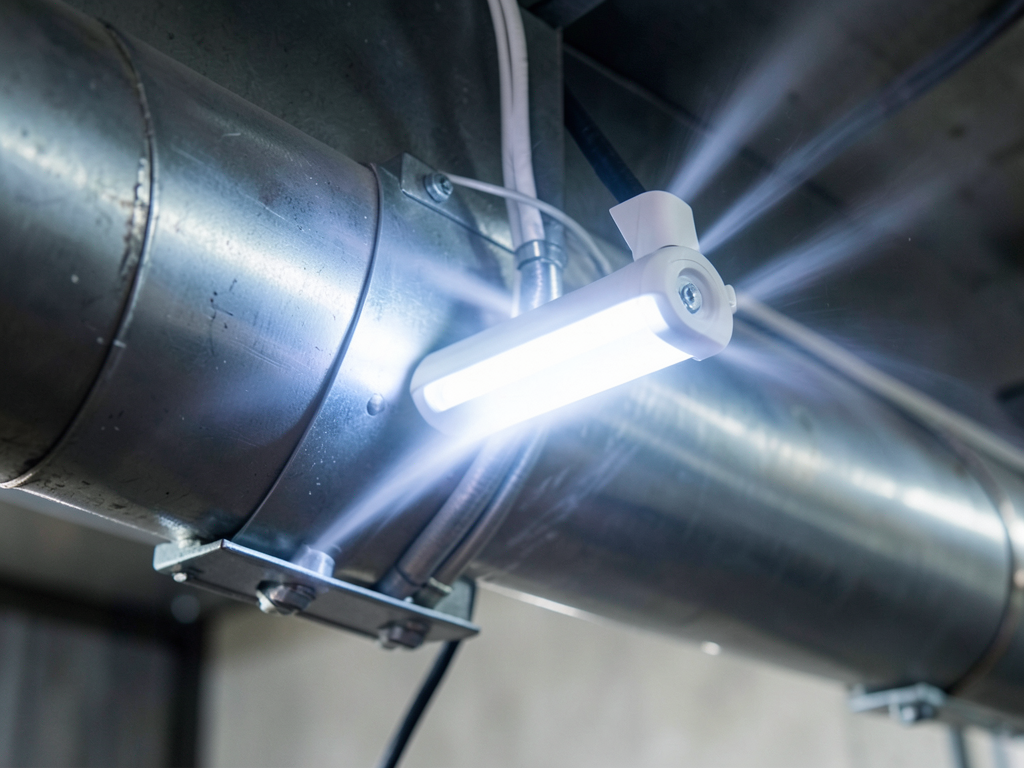
Image: Technician performing IAQ testing in a home daycare setting, measuring particulate matter and ventilation rates.
Comparing filtration options for daycare settings
| Filtration Type | Particle Capture Efficiency | Best For | Maintenance Frequency |
|---|---|---|---|
| MERV 8 | 80% @ 3-10 microns | Basic residential use | Every 90 days |
| MERV 11 | 95% @ 3-10 microns | Improved residential | Every 60 days |
| MERV 13 | 90% @ 1-3 microns | Daycare compliance | Every 30-60 days |
| HEPA | 99.97% @ 0.3 microns | Smoke events | Every 6-12 months |
Choosing the right filtration system requires balancing capture efficiency with airflow resistance. Higher MERV ratings capture smaller particles but also restrict airflow more significantly. MERV 13 represents the optimal balance for daycare applications, providing excellent filtration without requiring system modifications.
HEPA filtration provides maximum protection but requires specialized equipment. Standard residential HVAC systems cannot accommodate true HEPA filters due to their high airflow resistance. Portable HEPA units offer a practical alternative for supplemental filtration during smoke events.
Emergency protocols for air quality issues
Daycare operators must have specific protocols for responding to air quality emergencies. These protocols should address sudden equipment failures, extreme outdoor air quality events, and indoor contaminant releases. Written procedures ensure consistent responses that protect children’s health.
Backup power systems prevent air quality failures during outages. Battery backup for critical HVAC components maintains filtration and ventilation when grid power fails. These systems typically provide 4-8 hours of operation, enough time to implement alternative arrangements if needed.
Communication plans inform parents about air quality issues and facility responses. Clear protocols for notifying parents about air quality concerns, evacuation procedures, and temporary closures protect both children and the business. These plans should be part of the licensing application package.
Energy efficiency and sustainability considerations
Modern HVAC systems for daycare applications can significantly reduce energy consumption while improving air quality. High-efficiency equipment with variable-speed motors adjusts output to match demand, reducing energy waste during partial load conditions. This efficiency becomes particularly important with the continuous operation required for daycare licensing.
Smart thermostats optimize system performance while maintaining required conditions. These devices learn occupancy patterns and adjust settings automatically, reducing energy consumption during nap times and after hours. Remote monitoring capabilities allow operators to verify system performance from anywhere.
Geothermal heat pump systems offer the highest efficiency for daycare applications. These systems use stable ground temperatures for heating and cooling, reducing energy consumption by 40-60% compared to conventional equipment. The higher upfront cost typically pays for itself through energy savings within 5-7 years.
Future trends in daycare air quality technology
Emerging technologies promise even better air quality control for daycare settings. Bipolar ionization systems neutralize airborne contaminants without producing harmful byproducts. These systems can reduce viral and bacterial loads by 99% while operating at power levels safe for occupied spaces.
AI-powered air quality management systems learn usage patterns and automatically adjust ventilation rates. These systems optimize energy efficiency while maintaining required air quality levels. Integration with building management systems allows centralized control of multiple daycare locations.
Advanced sensor technology provides more detailed air quality monitoring. Next-generation sensors can detect specific contaminants like formaldehyde, ozone, and various VOCs. This detailed information allows operators to address specific air quality issues rather than treating all contaminants generically.
Image: Smart thermostat interface showing real-time air quality metrics and system performance data for a home daycare facility.
Frequently Asked Questions
What specific air quality standards apply to home daycares in Seattle?
Washington DCYF requires minimum ventilation rates of 15 CFM per child, MERV 8+ filtration, and carbon monoxide detectors on every level. The Washington State Mechanical Code references ASHRAE 62.2 standards for residential ventilation, which home daycares must meet.
How often should I replace filters in a home daycare HVAC system?
MERV 13 filters in daycare settings typically require replacement every 30-60 days due to continuous operation and higher occupancy levels. More frequent changes maintain proper airflow and filtration efficiency compared to the standard 90-day residential schedule.
Can I use portable air purifiers instead of upgrading my HVAC system?
Portable HEPA purifiers provide supplemental filtration but cannot replace proper HVAC system upgrades for licensing compliance. They work well for smoke events and specific contaminant control but cannot provide the continuous ventilation required by DCYF standards.
What should I do during Seattle’s wildfire smoke events?
During smoke events, increase filtration to MERV 13+ if not already installed, use portable HEPA units in occupied spaces, monitor indoor PM2.5 levels, and maintain indoor humidity between 30-50%. Consider temporary closure if outdoor AQI exceeds 150 and indoor levels cannot be adequately controlled.
How much does it cost to upgrade HVAC for daycare compliance?
Complete HVAC upgrades for daycare compliance typically cost between $8,000 and $15,000, depending on home size and existing infrastructure. This includes high-efficiency equipment, MERV 13 filtration, and proper ventilation systems that meet DCYF licensing requirements.
Call for Your Daycare HVAC Assessment
Protecting children’s health requires proper HVAC systems that meet both licensing standards and Seattle’s unique climate challenges. Home daycare operators in Licton Springs need equipment that handles continuous occupancy, manages moisture, and filters fine particulate matter effectively.
Peak HVAC Seattle understands the specific requirements that Washington daycare providers face. Our technicians can assess your current system, recommend cost-effective upgrades, and ensure your facility meets all DCYF air quality standards. We provide detailed documentation that satisfies licensing requirements and protects your business.
Don’t wait until licensing review or air quality emergency forces action. Call (564) 220-5899 today to schedule your comprehensive daycare HVAC assessment. Our team will evaluate your system, identify compliance gaps, and recommend solutions that protect children while controlling costs. Who to call for 24 hour emergency furnace repair in West Seattle.
Pick up the phone and call (564) 220-5899 before the next smoke event or licensing inspection. Your children’s health and your business compliance depend on proper air quality management. We’re ready to help you meet these critical requirements.
You may also find this helpful. Keeping urban construction dust out of your Yesler Terrace apartment.
You may also find this helpful. Does your new gas stove in Ballard need a high-power range hood?.
{
“@context”: “https://schema.org”,
“@type”: “BlogPosting”,
“headline”: “Improving air quality for home-based daycares in Licton Springs”,
“description”: “Expert HVAC solutions for Seattle daycare compliance. Learn about MERV 13+ filtration, ERVs, and wildfire smoke safety to protect children’s health in Licton Springs.”,
“wordCount”: 2411,
“datePublished”: “2026-05-09T08:23:00.000Z”,
“dateModified”: “2026-05-09T08:23:00.000Z”,
“inLanguage”: “en-US”,
“mainEntityOfPage”: {
“@type”: “WebPage”,
“@id”: “https://peakhvacseattle.com”
},
“publisher”: {
“@type”: “LocalBusiness”,
“name”: “Peak HVAC Seattle”,
“url”: “https://peakhvacseattle.com”
},
“author”: {
“@type”: “Organization”,
“name”: “Peak HVAC Seattle”,
“url”: “https://peakhvacseattle.com”
},
“image”: {
“@type”: “ImageObject”,
“url”: “https://peakhvacseattle.com/wp-content/uploads/2026/03/improving-air-quality-for-home-based-daycares-in-l-1.png”
}
}
{
“@context”: “https://schema.org”,
“@type”: “HVACBusiness”,
“name”: “Peak HVAC Seattle”,
“url”: “https://peakhvacseattle.com”,
“address”: {
“@type”: “PostalAddress”,
“addressLocality”: “Seattle”
},
“areaServed”: {
“@type”: “City”,
“name”: “Seattle”
}
}
{
“@context”: “https://schema.org”,
“@type”: “FAQPage”,
“mainEntity”: [
{
“@type”: “Question”,
“name”: “What specific air quality standards apply to home daycares in Seattle?”,
“acceptedAnswer”: {
“@type”: “Answer”,
“text”: “Washington DCYF requires minimum ventilation rates of 15 CFM per child, MERV 8+ filtration, and carbon monoxide detectors on every level. The Washington State Mechanical Code references ASHRAE 62.2 standards for residential ventilation, which home daycares must meet.”
}
},
{
“@type”: “Question”,
“name”: “How often should I replace filters in a home daycare HVAC system?”,
“acceptedAnswer”: {
“@type”: “Answer”,
“text”: “MERV 13 filters in daycare settings typically require replacement every 30-60 days due to continuous operation and higher occupancy levels. More frequent changes maintain proper airflow and filtration efficiency compared to the standard 90-day residential schedule.”
}
},
{
“@type”: “Question”,
“name”: “Can I use portable air purifiers instead of upgrading my HVAC system?”,
“acceptedAnswer”: {
“@type”: “Answer”,
“text”: “Portable HEPA purifiers provide supplemental filtration but cannot replace proper HVAC system upgrades for licensing compliance. They work well for smoke events and specific contaminant control but cannot provide the continuous ventilation required by DCYF standards.”
}
},
{
“@type”: “Question”,
“name”: “What should I do during Seattle’s wildfire smoke events?”,
“acceptedAnswer”: {
“@type”: “Answer”,
“text”: “During smoke events, increase filtration to MERV 13+ if not already installed, use portable HEPA units in occupied spaces, monitor indoor PM2.5 levels, and maintain indoor humidity between 30-50%. Consider temporary closure if outdoor AQI exceeds 150 and indoor levels cannot be adequately controlled.”
}
},
{
“@type”: “Question”,
“name”: “How much does it cost to upgrade HVAC for daycare compliance?”,
“acceptedAnswer”: {
“@type”: “Answer”,
“text”: “Complete HVAC upgrades for daycare compliance typically cost between $8,000 and $15,000, depending on home size and existing infrastructure. This includes high-efficiency equipment, MERV 13 filtration, and proper ventilation systems that meet DCYF licensing requirements.”
}
}
]
}
{
“@context”: “https://schema.org”,
“@type”: “BreadcrumbList”,
“itemListElement”: [
{
“@type”: “ListItem”,
“position”: 1,
“name”: “Home”,
“item”: “https://peakhvacseattle.com”
},
{
“@type”: “ListItem”,
“position”: 2,
“name”: “Blog”,
“item”: “https://peakhvacseattle.com/blog”
},
{
“@type”: “ListItem”,
“position”: 3,
“name”: “Improving air quality for home-based daycares in Licton Springs”
}
]
}
{
“@context”: “https://schema.org”,
“@type”: “Service”,
“serviceType”: “HVAC”,
“provider”: {
“@type”: “LocalBusiness”,
“name”: “Peak HVAC Seattle”,
“url”: “https://peakhvacseattle.com”
},
“areaServed”: {
“@type”: “City”,
“name”: “Seattle”
},
“description”: “Expert HVAC solutions for Seattle daycare compliance. Learn about MERV 13+ filtration, ERVs, and wildfire smoke safety to protect children’s health in Licton Springs.”
}