
The best air conditioning options for bungalows and cottages around Green Lake
Homeowners in Green Lake face a unique challenge when it comes to cooling their classic bungalows and cottages. These charming homes built during Seattle’s early 20th century boom often lack the ductwork necessary for central air conditioning. The narrow crawl spaces and attic areas make retrofitting traditional systems difficult and expensive. Add Seattle’s increasingly hot summers and you have a real comfort problem that needs a modern solution. Seattle Department of Construction and Inspections.
The good news is that today’s cooling technology offers several excellent options specifically suited for Green Lake’s architectural style. From ductless mini-split systems that preserve your home’s character to high-efficiency heat pumps that provide year-round comfort there’s a solution for every bungalow. This guide breaks down the best air conditioning options for Green Lake homes helping you make an informed decision about keeping your family comfortable during those rare but intense Seattle heat waves. Seattle City Light rebates.
Why traditional central AC rarely works for Green Lake bungalows
Green Lake’s historic homes present specific installation challenges that make central air conditioning impractical for most properties. The narrow crawl spaces under these homes were designed for basic plumbing and electrical access not the bulky ductwork required for central AC systems. Many Green Lake bungalows also feature lathe-and-plaster walls that can’t easily accommodate the necessary duct penetrations without significant structural modification. Winterizing Your HVAC System.
The cost factor is equally prohibitive. Installing central AC in a home without existing ductwork typically costs between $12000 and $18000 with much of that expense going toward creating pathways for ducts through walls floors and ceilings. Many Green Lake homeowners find this investment doesn’t align with their home’s value or their cooling needs especially given Seattle’s relatively mild climate compared to other parts of the country.. Read more about How to claim your Seattle City Light heat pump rebates this year.
Additionally Seattle’s strict building codes require permits for any structural modifications to historic homes. The Seattle Department of Construction and Inspections (SDCI) often limits changes to exterior appearances and structural integrity in historic districts near Green Lake Park. This means any AC installation must work within these constraints while still providing effective cooling.. Read more about Whole home cooling solutions for the wooded lots in Lake Forest Park.
Ductless mini-split systems: The Green Lake bungalow favorite
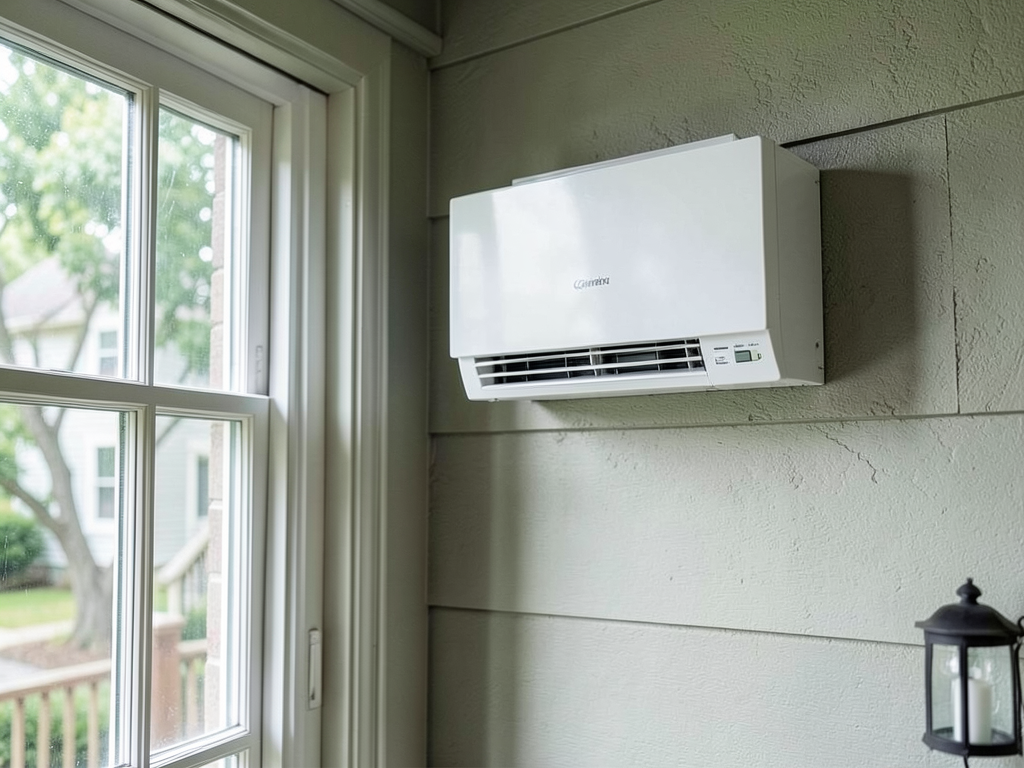
Ductless mini-split systems have become the go-to solution for Green Lake’s bungalow owners. These systems consist of an outdoor compressor unit connected to one or more indoor air handlers mounted on walls or ceilings. The installation requires only a small three-inch hole for refrigerant lines making it minimally invasive compared to traditional systems.. Read more about Fast ductless AC repair for Wallingford homes and rental units.
The flexibility of mini-splits makes them perfect for Green Lake’s varied home layouts. You can install a single unit in your main living area or add multiple zones to cool different rooms independently. This zoned cooling approach is particularly valuable in bungalows where heat distribution varies significantly between rooms due to factors like sun exposure ceiling height and insulation quality.
Modern mini-split systems offer SEER2 ratings up to 22 making them highly energy-efficient. The inverter technology adjusts compressor speed based on cooling demand reducing energy consumption by up to 30% compared to conventional systems. For Green Lake homeowners concerned about utility costs this efficiency translates to noticeable savings on summer electric bills.
Installation typically takes one to two days and costs between $4500 and $8000 depending on the number of zones and system capacity. The compact outdoor units can be placed on the ground or mounted on exterior walls with Seattle’s noise ordinances requiring units to operate below 65 decibels at the property line.
Heat pumps: Year-round comfort for Green Lake cottages
Heat pumps represent the most versatile cooling solution for Green Lake homes. These systems work by moving heat rather than generating it providing both cooling in summer and efficient heating in winter. For Seattle’s climate where temperatures rarely drop below freezing heat pumps offer exceptional performance and energy savings. Geothermal Heating & Cooling.
The latest cold-climate heat pumps can maintain efficiency even when outdoor temperatures dip into the mid-20s making them suitable for Green Lake’s occasional cold snaps. When paired with a backup electric resistance heater these systems provide reliable heating throughout the winter while offering superior cooling during summer heat waves.
Heat pumps qualify for substantial rebates through Seattle City Light and Puget Sound Energy programs. Current incentives can cover up to $2000 of installation costs with additional federal tax credits available through the Energy Efficient Home Improvement Credit. These financial incentives make heat pumps an increasingly attractive option for budget-conscious Green Lake homeowners.
The installation process for heat pumps is similar to mini-splits but often includes additional electrical work to support the higher power requirements. Most Green Lake homes built before 1980 will need electrical panel upgrades to accommodate modern heat pump systems adding $1500 to $3000 to the overall project cost.
High-velocity HVAC systems for whole-home cooling
High-velocity HVAC systems offer a middle ground between traditional central air and ductless solutions. These systems use small flexible ducts that can be routed through existing wall cavities floor joists and attic spaces with minimal demolition. The small supply outlets can be painted to match your home’s interior preserving the aesthetic of your Green Lake bungalow.
The key advantage of high-velocity systems is their ability to cool entire homes effectively. Unlike window units or single-zone mini-splits these systems provide consistent temperature control throughout your living space. The high-pressure air delivery also helps reduce humidity which is particularly beneficial in Seattle’s damp climate where mold and mildew can be concerns.
High-velocity systems come with significant drawbacks for Green Lake homes. Installation costs range from $10000 to $15000 and the process still requires opening walls and ceilings to run the small ducts. The systems also produce more noise than traditional HVAC due to the high air velocity which can be problematic in the quiet Green Lake neighborhood.
Energy efficiency ratings for high-velocity systems typically range from 14 to 16 SEER which is lower than modern mini-splits or heat pumps. This means higher operating costs over time though the whole-home comfort may justify the investment for some Green Lake homeowners with larger properties or specific cooling needs.
Window units and portable ACs: Budget-friendly alternatives
For Green Lake homeowners seeking immediate low-cost cooling solutions window units and portable air conditioners remain viable options. Modern window units offer improved energy efficiency with SEER ratings around 12-14 and features like programmable timers and remote controls. Portable units provide flexibility to move cooling where needed but typically have lower efficiency ratings.
The primary advantage of these options is cost. Quality window units range from $300 to $600 while portable units cost between $400 and $800. Installation is straightforward requiring only basic tools and about 30 minutes per unit. This makes them ideal for renters or homeowners who want cooling without the commitment of permanent installation.
Window units have significant limitations in Green Lake’s older homes. Many bungalows have windows that don’t accommodate standard AC units particularly the double-hung windows common in historic Seattle architecture. The units also block natural light and views which can be particularly noticeable in homes with beautiful Green Lake views.. Read more about The most common HVAC problems found in older Phinney Ridge homes.
Portable units require floor space and must be vented through windows sliding doors or wall penetrations. The exhaust hoses can be unsightly and reduce the unit’s effectiveness by allowing some hot air to re-enter the room. Most portable units also require manual water removal or have limited condensate capacity requiring regular maintenance during humid weather.
Geothermal cooling: The sustainable option for Green Lake
Geothermal systems represent the cutting edge of sustainable cooling for Green Lake homes. These systems use the earth’s stable underground temperature to provide highly efficient cooling and heating. While the initial investment is substantial ranging from $20000 to $30000 the long-term energy savings and environmental benefits are significant.
The installation process involves drilling wells or laying horizontal loops in your yard to access the earth’s thermal energy. For Green Lake’s typical lot sizes vertical loop systems are usually necessary requiring drilling depths of 150 to 400 feet. The system then connects to a heat pump inside your home providing quiet efficient operation.
Geothermal systems offer the highest efficiency ratings available with SEER ratings up to 30 and heating efficiency measured by coefficient of performance (COP) values of 4.0 or higher. This means for every unit of electricity used the system moves 4 units of heat energy resulting in operating costs that are 50-70% lower than conventional systems.
The systems qualify for federal tax credits covering 30% of installation costs plus additional rebates from Seattle City Light and Puget Sound Energy. The underground components typically last 50+ years while the indoor heat pump components have a 15-20 year lifespan. For Green Lake homeowners planning to stay in their homes long-term geothermal offers exceptional value despite the high upfront cost.
Choosing the right system for your Green Lake home
Selecting the ideal cooling system for your Green Lake bungalow depends on several factors specific to your home and lifestyle. Consider your home’s age and construction type as pre-1940 homes often have different installation requirements than mid-century cottages. The presence of asbestos insulation knob-and-tube wiring or other legacy building materials can affect installation complexity and cost.
Your cooling needs should also guide your decision. If you only need occasional cooling during the hottest weeks of summer a single-zone mini-split or window units might suffice. For year-round comfort and whole-home cooling heat pumps or high-velocity systems provide better performance. The size of your home matters too – larger homes typically benefit from zoned systems that can cool different areas independently.
Budget considerations extend beyond initial installation costs. Factor in ongoing energy expenses maintenance requirements and potential repair costs over the system’s lifetime. While geothermal systems have the highest upfront costs their extremely low operating expenses can make them more economical over 10-15 years compared to conventional systems. Gas Furnace Leak Repair.
Finally consider the environmental impact of your choice. Heat pumps and geothermal systems produce significantly fewer greenhouse gas emissions than traditional air conditioning aligning with Seattle’s climate action goals. The increasing frequency of heat waves due to climate change also makes high-efficiency systems a wise investment for future comfort and resilience.
Installation considerations and local regulations
Installing air conditioning in Green Lake requires navigating Seattle’s specific building codes and permit requirements. All HVAC installations must comply with the Seattle Energy Code which mandates minimum efficiency standards and proper refrigerant handling. The Washington State Mechanical Code also applies requiring licensed contractors to perform installations and ensuring systems meet safety standards. Washington State Mechanical Code.
Permit requirements vary by installation type. Simple window units don’t require permits but ductless mini-splits heat pumps and central systems need electrical and mechanical permits from SDCI. The permitting process typically takes 2-4 weeks and costs between $200 and $500 depending on project complexity. Some historic district properties may face additional review requirements.
Seattle’s noise ordinances affect outdoor unit placement. Condenser units must operate below 65 decibels at the nearest property line which can limit placement options in Green Lake’s closely spaced homes. Some installations may require sound barriers or strategic positioning to meet these requirements while maintaining adequate airflow and service access. Weekend HVAC Service.
Electrical capacity is another crucial consideration. Many Green Lake homes built before 1980 have 100-amp electrical service that may not support modern HVAC systems. Upgrading to 200-amp service adds $1500 to $3000 to your project but ensures your home can safely power new cooling equipment along with other modern appliances.
Energy efficiency and cost savings in Seattle’s climate
Seattle’s climate creates unique opportunities for energy-efficient cooling. The region’s relatively mild summers mean cooling systems don’t need to work as hard as in hotter climates allowing high-efficiency units to deliver maximum savings. The key is selecting equipment with the right capacity for your home’s specific cooling load.
Manual J calculations determine the exact cooling capacity needed for your home based on square footage insulation levels window area and local climate data. Oversized systems cycle on and off frequently reducing efficiency and comfort while increasing wear on components. Properly sized equipment maintains consistent temperatures and humidity levels while minimizing energy consumption.
SEER2 ratings provide a standardized measure of cooling efficiency. Current minimum standards require SEER2 ratings of 14 for most systems but high-efficiency units achieve ratings of 18-22. The higher upfront cost of these premium systems typically pays for itself through energy savings within 5-7 years especially given Seattle’s high electricity rates.
Smart thermostats can further enhance efficiency by learning your schedule and adjusting temperatures automatically. These devices can reduce cooling costs by 10-15% by optimizing run times and preventing unnecessary operation. Many modern HVAC systems include Wi-Fi connectivity for remote monitoring and control through smartphone apps.
Maintenance requirements for long-term performance
Regular maintenance ensures your cooling system operates efficiently and lasts its full expected lifespan. For ductless mini-splits and heat pumps this includes cleaning or replacing air filters every 1-3 months depending on usage and indoor air quality. Dirty filters reduce airflow and force systems to work harder increasing energy consumption and wear on components. Commercial Duct Cleaning.
Annual professional maintenance should include checking refrigerant levels cleaning condenser coils inspecting electrical connections and testing system controls. These tune-ups typically cost $150 to $300 but can prevent costly breakdowns and maintain manufacturer warranties. Some HVAC companies offer maintenance agreements that include regular service visits and priority scheduling for repairs.
Outdoor units require attention to ensure proper airflow and protection from the elements. Keep vegetation trimmed at least two feet away from outdoor equipment and ensure the unit sits on a level stable surface. In Green Lake’s rainy climate check that condensate drains properly and doesn’t create puddles near your home’s foundation.
Indoor air quality also affects system performance. Seattle’s damp climate can lead to mold growth in air handlers and ductwork if humidity levels aren’t controlled. UV light systems installed in air handlers can prevent biological growth while whole-home dehumidifiers help maintain optimal indoor humidity levels between 40-60%.
Frequently Asked Questions
What’s the most cost-effective AC option for a small Green Lake bungalow?
A single-zone ductless mini-split system typically offers the best balance of upfront cost and operating efficiency for small bungalows. Installation costs range from $3500 to $5500 and the system can cool your main living area effectively while using minimal electricity.
How long does AC installation take in a typical Green Lake home?
Most AC installations in Green Lake homes take 1-3 days depending on the system type. Simple mini-split installations can be completed in a single day while complex high-velocity or geothermal systems may require 2-3 days plus additional time for electrical upgrades or drilling.
Are there any energy rebates available for AC installation in Seattle?
Yes Seattle City Light and Puget Sound Energy offer rebates up to $2000 for high-efficiency heat pumps and mini-splits. Additional federal tax credits cover 30% of installation costs for geothermal systems. These incentives can significantly reduce your upfront investment.
Will installing AC affect my home’s historic character?
Ductless mini-splits and heat pumps can be installed with minimal visual impact. The small indoor units can be mounted high on walls and outdoor units can be placed discreetly on the ground or mounted on exterior walls. Most installations preserve your home’s historic character while providing modern comfort.
How noisy are modern AC systems for Green Lake’s quiet neighborhood?
Modern systems are significantly quieter than older units. Indoor mini-split units operate at 25-40 decibels while outdoor condensers typically run at 50-60 decibels at one foot away. Seattle’s noise ordinances require units to operate below 65 decibels at the property line ensuring they won’t disturb your neighbors.
Ready to cool your Green Lake home?
Choosing the right air conditioning system for your Green Lake bungalow or cottage doesn’t have to be overwhelming. With options ranging from efficient mini-splits to sustainable geothermal systems there’s a solution that fits your home’s character your budget and your comfort needs. The key is working with experienced local professionals who understand Green Lake’s unique housing stock and Seattle’s specific building requirements.
Our team has been helping Green Lake homeowners stay comfortable for years and we know exactly what works in these classic homes. We’ll assess your specific situation explain all your options clearly and help you select the system that provides the best value and performance for your needs.
Don’t wait until the next heat wave hits to start planning your cooling solution. Call (564) 220-5899 today to schedule your free consultation. We’ll evaluate your home discuss your options and provide a detailed quote with no obligation. Stay cool and comfortable in your Green Lake home this summer with the right air conditioning system installed by local experts who understand your needs.
Pick up the phone and call (564) 220-5899 before the next hot day arrives. Your comfortable Green Lake home is just one call away.
| System Type | SEER2 Rating | Installation Cost | Annual Operating Cost |
|---|---|---|---|
| Ductless Mini-Split | 18-22 | $4500-$8000 | $150-$250 |
| Heat Pump | 16-20 | $6000-$12000 | $180-$300 |
| High-Velocity | 14-16 | $10000-$15000 | $250-$400 |
| Geothermal | 25-30 | $20000-$30000 | $100-$200 |
{
“@context”: “https://schema.org”,
“@type”: “BlogPosting”,
“headline”: “The best air conditioning options for bungalows and cottages around Green Lake”,
“description”: “Discover cooling solutions for Green Lake’s historic bungalows. Compare ductless mini-splits, heat pumps, and high-velocity systems with local building code requirements.”,
“wordCount”: 2837,
“datePublished”: “2026-02-20T12:59:00.000Z”,
“dateModified”: “2026-02-20T12:59:00.000Z”,
“inLanguage”: “en-US”,
“mainEntityOfPage”: {
“@type”: “WebPage”,
“@id”: “https://peakhvacseattle.com”
},
“publisher”: {
“@type”: “LocalBusiness”,
“name”: “Peak HVAC Seattle”,
“url”: “https://peakhvacseattle.com”
},
“author”: {
“@type”: “Organization”,
“name”: “Peak HVAC Seattle”,
“url”: “https://peakhvacseattle.com”
},
“image”: {
“@type”: “ImageObject”,
“url”: “https://peakhvacseattle.com/wp-content/uploads/2026/03/the-best-air-conditioning-options-for-bungalows-an-1.png”
}
}
{
“@context”: “https://schema.org”,
“@type”: “HVACBusiness”,
“name”: “Peak HVAC Seattle”,
“url”: “https://peakhvacseattle.com”,
“address”: {
“@type”: “PostalAddress”,
“addressLocality”: “Seattle”
},
“areaServed”: {
“@type”: “City”,
“name”: “Seattle”
}
}
{
“@context”: “https://schema.org”,
“@type”: “FAQPage”,
“mainEntity”: [
{
“@type”: “Question”,
“name”: “What’s the most cost-effective AC option for a small Green Lake bungalow?”,
“acceptedAnswer”: {
“@type”: “Answer”,
“text”: “A single-zone ductless mini-split system typically offers the best balance of upfront cost and operating efficiency for small bungalows. Installation costs range from $3500 to $5500 and the system can cool your main living area effectively while using minimal electricity.”
}
},
{
“@type”: “Question”,
“name”: “How long does AC installation take in a typical Green Lake home?”,
“acceptedAnswer”: {
“@type”: “Answer”,
“text”: “Most AC installations in Green Lake homes take 1-3 days depending on the system type. Simple mini-split installations can be completed in a single day while complex high-velocity or geothermal systems may require 2-3 days plus additional time for electrical upgrades or drilling.”
}
},
{
“@type”: “Question”,
“name”: “Are there any energy rebates available for AC installation in Seattle?”,
“acceptedAnswer”: {
“@type”: “Answer”,
“text”: “Yes Seattle City Light and Puget Sound Energy offer rebates up to $2000 for high-efficiency heat pumps and mini-splits. Additional federal tax credits cover 30% of installation costs for geothermal systems. These incentives can significantly reduce your upfront investment.”
}
},
{
“@type”: “Question”,
“name”: “Will installing AC affect my home’s historic character?”,
“acceptedAnswer”: {
“@type”: “Answer”,
“text”: “Ductless mini-splits and heat pumps can be installed with minimal visual impact. The small indoor units can be mounted high on walls and outdoor units can be placed discreetly on the ground or mounted on exterior walls. Most installations preserve your home’s historic character while providing modern comfort.”
}
},
{
“@type”: “Question”,
“name”: “How noisy are modern AC systems for Green Lake’s quiet neighborhood?”,
“acceptedAnswer”: {
“@type”: “Answer”,
“text”: “Modern systems are significantly quieter than older units. Indoor mini-split units operate at 25-40 decibels while outdoor condensers typically run at 50-60 decibels at one foot away. Seattle’s noise ordinances require units to operate below 65 decibels at the property line ensuring they won’t disturb your neighbors.”
}
},
{
“@type”: “Question”,
“name”: “Ready to cool your Green Lake home?”,
“acceptedAnswer”: {
“@type”: “Answer”,
“text”: “Choosing the right air conditioning system for your Green Lake bungalow or cottage doesn’t have to be overwhelming. With options ranging from efficient mini-splits to sustainable geothermal systems there’s a solution that fits your home’s character your budget and your comfort needs. The key is working with experienced local professionals who understand Green Lake’s unique housing stock and Seattle’s specific building requirements.”
}
}
]
}
{
“@context”: “https://schema.org”,
“@type”: “BreadcrumbList”,
“itemListElement”: [
{
“@type”: “ListItem”,
“position”: 1,
“name”: “Home”,
“item”: “https://peakhvacseattle.com”
},
{
“@type”: “ListItem”,
“position”: 2,
“name”: “Blog”,
“item”: “https://peakhvacseattle.com/blog”
},
{
“@type”: “ListItem”,
“position”: 3,
“name”: “The best air conditioning options for bungalows and cottages around Green Lake”
}
]
}
{
“@context”: “https://schema.org”,
“@type”: “Service”,
“serviceType”: “HVAC”,
“provider”: {
“@type”: “LocalBusiness”,
“name”: “Peak HVAC Seattle”,
“url”: “https://peakhvacseattle.com”
},
“areaServed”: {
“@type”: “City”,
“name”: “Seattle”
},
“description”: “Discover cooling solutions for Green Lake’s historic bungalows. Compare ductless mini-splits, heat pumps, and high-velocity systems with local building code requirements.”
}