
Where to place carbon monoxide detectors and why it matters for your Bitter Lake family
Carbon monoxide kills silently in Seattle homes every year. The gas has no color, no smell, and no taste, making it impossible to detect without proper equipment. In Bitter Lake’s older homes with aging gas furnaces and boilers, the risk increases dramatically during our long, damp winters when heating systems run constantly. This guide shows you exactly where to place CO detectors in your Bitter Lake home and explains why proper placement can mean the difference between life and death for your family. Who to call for 24 hour emergency furnace repair in West Seattle.
Washington state law requires CO alarms in all residential dwellings, but many Bitter Lake homeowners don’t realize that placement matters just as much as having the devices. The wrong location can give you a false sense of security while dangerous gas accumulates in your home. We’ll cover Seattle-specific building codes, common CO sources in PNW homes, and the exact steps to take if your alarm sounds.
If you smell gas or your CO alarm sounds, evacuate immediately and call Puget Sound Energy at 1-800-562-1375 or 911. Do not re-enter your home until emergency responders declare it safe. Puget Sound Energy Gas Safety Information.
Washington State Carbon Monoxide Laws (RCW 19.27.530)
Washington State requires carbon monoxide alarms in all residential buildings where fuel-burning appliances exist or where attached garages connect to living spaces. RCW 19.27.530 mandates that each dwelling unit must have at least one CO alarm installed. RCW 19.27.530 Washington State Carbon Monoxide Alarm Requirements.
For Bitter Lake homes, this means you need detectors if you have:
- Gas furnaces or boilers
- Gas water heaters
- Fireplaces or wood stoves
- Attached garages where vehicles idle
- Gas ranges or ovens
The law requires alarms to be installed outside each separate sleeping area in the immediate vicinity of bedrooms. This means if you have bedrooms on different floors, you need multiple detectors. Bitter Lake’s typical mid-century homes often have split-level designs, requiring careful placement to ensure complete coverage.
Landlords must provide working CO alarms in rental properties before tenants move in. Tenants are responsible for testing alarms monthly and replacing batteries. Seattle building inspectors check for compliance during home sales and major renovations.
Common CO Risks in PNW Homes
Bitter Lake’s aging housing stock creates unique carbon monoxide risks that newer developments don’t face. Many homes built before 1980 have original gas furnaces with heat exchangers that develop cracks over decades of use.
High-efficiency furnaces common in newer Bitter Lake homes have plastic vent pipes that exit through side walls. These pipes can become blocked by snow, ice, or debris during Seattle’s wet winters. When blocked, exhaust gases back up into the home instead of venting outside.
Oil boilers, still present in some older Bitter Lake homes, produce more CO than natural gas systems when malfunctioning. The damp Seattle climate also affects venting. Heavy rainfall can cool chimney flues too quickly, causing condensation that blocks proper draft.
Attached garages pose another risk. Many Bitter Lake residents warm up cars in attached garages during cold mornings. Even with the garage door open, CO can seep into living spaces through gaps around doors and ducts.
Gas water heaters in utility closets or basements need proper venting. When vent pipes separate or rust through, CO enters living spaces directly. The corrosion happens faster in Seattle’s humid environment compared to drier climates.
Identifying Carbon Monoxide Poisoning Symptoms
Carbon monoxide poisoning symptoms mimic common illnesses, making diagnosis difficult. Early symptoms include headache, dizziness, weakness, upset stomach, vomiting, chest pain, and confusion. Many people mistake these for the flu or food poisoning.
The danger increases because CO symptoms often affect multiple family members simultaneously. If everyone in your Bitter Lake home feels ill at the same time, especially if symptoms improve when away from home, CO poisoning is likely.
Silent signs indicate CO problems even without symptoms. Soot streaks around fuel-burning appliances suggest incomplete combustion. Excessive condensation on windows near combustion appliances indicates poor venting. Yellow or flickering gas appliance flames instead of steady blue flames signal combustion problems.
Pets often show symptoms first because they’re smaller and breathe faster. If your dog seems unusually lethargic or your cat vomits repeatedly with no apparent cause, check your CO detectors immediately.
Long-term low-level exposure causes chronic symptoms that develop gradually. These include frequent headaches, memory problems, balance issues, and mood changes. Many Bitter Lake residents attribute these to stress or aging rather than CO exposure.
Professional CO Testing vs DIY Alarms
Store-bought CO alarms meet minimum safety standards but have limitations Bitter Lake homeowners should understand. Standard UL-listed alarms only detect CO levels above 70 parts per million, which is already dangerous for many people, especially children and the elderly.
Professional testing uses combustion analyzers that measure CO levels as low as 5 parts per million. This allows detection of developing problems before they become emergencies. HVAC technicians can also identify specific sources and measure airflow patterns that affect CO distribution.
Annual furnace inspections catch heat exchanger cracks before they leak CO. A cracked heat exchanger often shows as a rust line or warped metal section. Technicians use mirrors, borescopes, or combustion analyzers to detect these cracks.
Professional testing also checks for proper draft and combustion air supply. Seattle’s tightly sealed modern homes sometimes lack adequate combustion air, causing backdrafting where exhaust gases spill into living spaces instead of venting outside.
Low-level CO monitors provide additional protection beyond standard alarms. These devices sound warnings at much lower concentrations, alerting you to developing problems before symptoms occur. They’re particularly valuable for homes with infants, elderly residents, or family members with respiratory conditions.
Where to Place CO Detectors in Your Bitter Lake Home
Proper CO detector placement follows specific guidelines that many homeowners overlook. CO mixes evenly with air rather than rising like smoke, so detectors work at any height. However, placement relative to potential sources matters significantly.
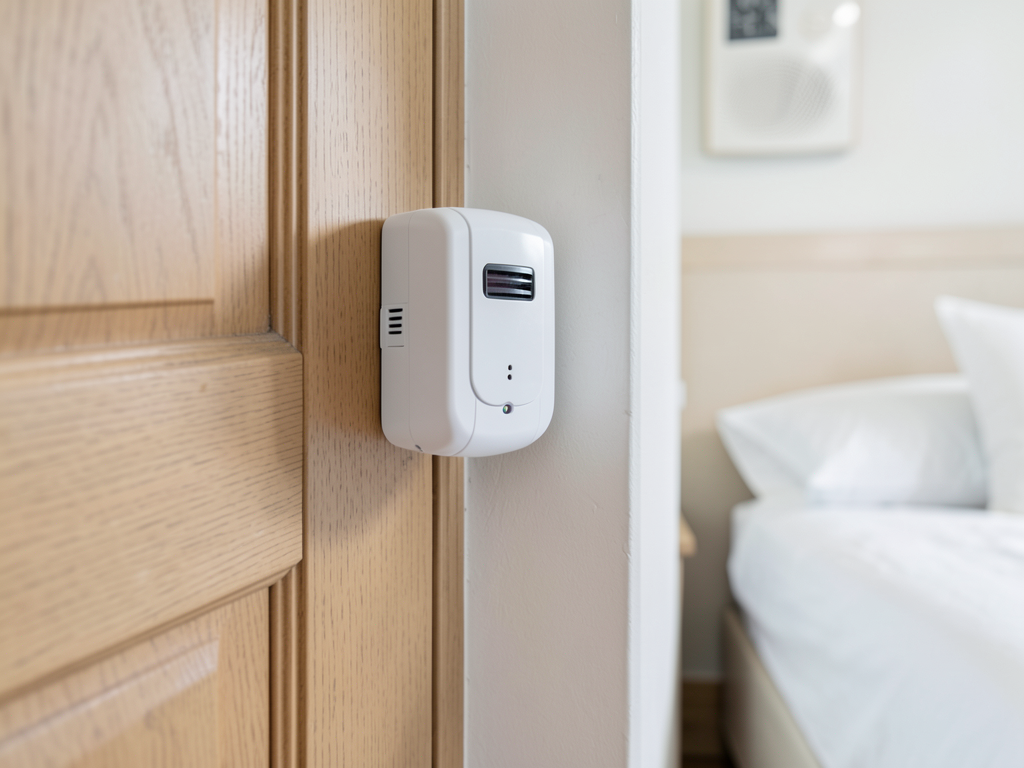
Install detectors on every level of your home, including basements and attics if they contain fuel-burning appliances. Place one within 10 feet of each bedroom door. If bedroom doors are more than 10 feet apart, install separate detectors for each sleeping area.
Keep detectors at least 15 feet from fuel-burning appliances to avoid false alarms from normal operation. Don’t place them in dead-air spaces like corners or peaks of cathedral ceilings where air doesn’t circulate well.
Bathrooms and kitchens create humidity that can damage detectors or cause false alarms. Keep detectors at least 3 feet away from these areas. Also avoid placing them near windows, doors, or vents where drafts might affect readings.
For attached garages, install a detector in the room adjacent to the garage. CO from vehicles can enter through gaps around doors or through HVAC ducts that share wall cavities with the garage.
Bitter Lake’s older homes often have additions or converted spaces. Any room with a fuel-burning appliance needs its own detector, even if it’s not a traditional living space. Why your Ballard home needs professional furnace repair before the first freeze.
Steps to Take if Your CO Alarm Sounds
When your CO alarm sounds, every second counts. The gas displaces oxygen in your blood, and exposure time directly affects severity. Follow these steps immediately:
- Evacuate everyone from the home immediately. Don’t waste time gathering belongings.
- Call 911 or Puget Sound Energy at 1-800-562-1375 from outside your home or a neighbor’s house.
- Account for all family members and pets. Don’t re-enter to search for anyone missing.
- Open doors and windows only after everyone is safely outside. Fresh air dilutes CO but also makes it harder for emergency responders to locate the source.
- Seek medical attention even if you feel fine. CO poisoning symptoms can appear hours after exposure ends.
Don’t ignore a chirping alarm. The low-battery chirp differs from the alarm sound, but both indicate problems. Replace batteries immediately or replace the entire unit if it’s over 5-7 years old.
After an alarm incident, have your fuel-burning appliances inspected before using them again. The problem that caused CO buildup could recur if not properly repaired.
Document alarm activations for your records. Multiple activations might indicate chronic problems requiring system upgrades or additional ventilation.
Maintaining Your CO Detectors
CO detectors require regular maintenance to function properly. Test them monthly by pressing the test button. Replace batteries every six months, even if they seem to work fine. Many Bitter Lake homeowners change batteries when adjusting clocks for daylight saving time. Preventative HVAC maintenance plans that actually save money for Redmond families.
Replace the entire detector every 5-7 years. CO sensors degrade over time and become less sensitive. The manufacture date is usually printed on the back of the unit.
Clean detectors quarterly with a soft brush or vacuum attachment. Dust and cobwebs can interfere with sensors. Never paint over detectors or cover them with decorations.
Check expiration dates when buying new detectors. Some retailers sell older stock that may expire soon after purchase. Look for units with at least a 5-year warranty.
Keep user manuals handy for troubleshooting. Different models have different alarm patterns for various conditions like low battery, end-of-life, or actual CO detection.
Winterizing Your Bitter Lake Home for CO Safety
Seattle’s winter brings specific CO risks that Bitter Lake homeowners must prepare for. Before heating season begins, schedule professional furnace inspection and cleaning. Technicians check heat exchangers, clean burners, and verify proper venting. Commercial Duct Cleaning.
Clear snow and debris from high-efficiency furnace intake and exhaust pipes. These pipes exit through side walls and can become blocked by snow drifts or ice dams. Blocked vents cause dangerous backdrafting.
Check that attic and crawl space vents remain clear. Blocked vents can create negative pressure that pulls CO from vent pipes back into your home. This happens more often in tightly sealed modern homes.
Inspect fireplace flues before first use each season. Bird nests, leaves, or debris can block flues. Also check that the damper opens and closes properly.
Never use gas ovens for space heating. This practice can produce lethal CO levels in enclosed spaces. Similarly, never operate generators or charcoal grills indoors or in attached garages.
Consider whole-house ventilation systems if your home is very tightly sealed. These systems provide fresh air for combustion while maintaining energy efficiency.
Special Considerations for Bitter Lake’s Housing Stock
Bitter Lake’s mid-century homes present specific CO safety challenges. Many have original gravity furnaces that vent through brick chimneys. These chimneys can deteriorate internally, allowing CO to enter wall cavities and living spaces.
Converted garages and basement apartments often lack proper CO protection. If someone’s living in a converted space with a fuel-burning appliance, ensure they have working CO detectors even if the main house is covered.
Older homes with plaster walls may have hidden combustion air pathways that newer homes lack. Sealing these for energy efficiency can create backdrafting problems if not done carefully.
Bungalow-style homes common in Bitter Lake often have fuel-burning appliances in basements or crawl spaces. CO detectors must be placed to detect gas before it reaches living areas upstairs.
Multi-family conversions in older Bitter Lake homes require CO protection in each unit. Shared walls and utility spaces can allow CO to travel between units if not properly sealed.
Professional Services for CO Safety
Professional HVAC technicians offer services that go beyond basic detector installation. Combustion analysis tests measure CO production and venting efficiency. This testing identifies problems before they become dangerous. Weekend HVAC Service.
Heat exchanger inspection uses specialized tools to detect cracks invisible to the naked eye. Even small cracks can leak CO when metal expands during operation.
Ventilation assessment ensures your home has adequate combustion air. This is especially important in Seattle’s tightly sealed homes where negative pressure can cause backdrafting.
Annual maintenance agreements include seasonal inspections that catch developing problems early. The cost of prevention is minimal compared to emergency repairs or medical treatment for CO poisoning.
Professional installation ensures detectors are placed correctly for your specific home layout. Technicians consider factors like airflow patterns, appliance locations, and family sleeping arrangements.
Low-level CO monitoring systems provide continuous protection beyond standard alarms. These systems connect to smart home platforms and can alert you remotely if problems develop while you’re away.
Frequently Asked Questions
How many CO detectors does my Bitter Lake home need?
Install at least one detector on every level of your home and within 10 feet of each bedroom. Homes with attached garages or fuel-burning appliances in multiple locations need additional detectors. A typical Bitter Lake bungalow might need 3-4 detectors for complete coverage.
Can CO detectors be plugged into outlets?
Yes, plug-in CO detectors work well and are easy to install. However, ensure they have battery backup for power outages when heating systems often run more frequently. Also avoid placing them behind furniture or curtains that might block airflow.
What’s the difference between smoke and CO detectors?
Smoke detectors sense particles from combustion while CO detectors measure specific gas concentrations. Some units combine both functions. CO detectors are essential for homes with fuel-burning appliances, while smoke detectors are needed throughout all homes regardless of heating type.
How do I know if my CO detector is working?
Test monthly by pressing the test button. The alarm should sound loudly. Also check the indicator light if your model has one. Replace batteries every six months and the entire unit every 5-7 years. If unsure, replace it immediately.
Does my rental property need CO detectors?
Yes, Washington state law requires CO alarms in all rental properties with fuel-burning appliances or attached garages. Landlords must provide working detectors before tenants move in and replace batteries as needed. Tenants should test alarms monthly and report problems immediately.
What should I do if my CO alarm goes off but I feel fine?
Evacuate immediately anyway. CO poisoning can cause subtle symptoms that people don’t notice, especially if asleep. Also, by the time you feel symptoms, you may already have dangerous exposure levels. Call 911 and have emergency responders check your home before re-entering.
Are CO detectors required for all homes in Seattle?
CO detectors are required in homes with fuel-burning appliances or attached garages. This includes most Bitter Lake homes with gas furnaces, water heaters, or fireplaces. Homes with only electric heat and no attached garage don’t require CO detectors by law, though they’re still recommended for safety.
How much does professional CO testing cost?
Professional CO testing typically costs $100-200 for a comprehensive inspection including combustion analysis and heat exchanger examination. This is significantly less than emergency room visits or property damage from CO incidents. Many HVAC companies offer testing as part of annual maintenance agreements.
[IMAGE_PLACEHOVER_1]
Protect Your Bitter Lake Family Today
Carbon monoxide doesn’t wait for convenient times to threaten your family. The damp Seattle winters drive heating systems to work harder, increasing the risk of CO leaks from aging equipment. Don’t wait until your alarm sounds to discover problems.
Call (564) 220-5899 today to schedule your professional CO safety inspection. Our certified technicians will test your entire system, inspect heat exchangers, and verify proper venting. We’ll also help you place detectors correctly throughout your Bitter Lake home.
Pick up the phone and call (564) 220-5899 before the next storm hits. Your family’s safety can’t wait for warmer weather. We offer same-day service throughout the Bitter Lake area because we know CO emergencies don’t follow business hours.
Don’t let another night pass without knowing your home is protected. Call (564) 220-5899 now and breathe easier knowing your Bitter Lake home is safe from carbon monoxide dangers.
{
“@context”: “https://schema.org”,
“@type”: “BlogPosting”,
“headline”: “Where to place carbon monoxide detectors and why it matters for your Bitter Lake family”,
“description”: “Protect your Bitter Lake home from deadly CO poisoning. Learn Seattle-specific placement rules, legal requirements, and when to call for professional testing.”,
“wordCount”: 2605,
“datePublished”: “2026-03-21T16:27:00.000Z”,
“dateModified”: “2026-03-21T16:27:00.000Z”,
“inLanguage”: “en-US”,
“mainEntityOfPage”: {
“@type”: “WebPage”,
“@id”: “https://peakhvacseattle.com”
},
“publisher”: {
“@type”: “LocalBusiness”,
“name”: “Peak HVAC Seattle”,
“url”: “https://peakhvacseattle.com”
},
“author”: {
“@type”: “Organization”,
“name”: “Peak HVAC Seattle”,
“url”: “https://peakhvacseattle.com”
},
“image”: {
“@type”: “ImageObject”,
“url”: “https://peakhvacseattle.com/wp-content/uploads/2026/03/where-to-place-carbon-monoxide-detectors-and-why-i-1.png”
}
}
{
“@context”: “https://schema.org”,
“@type”: “HVACBusiness”,
“name”: “Peak HVAC Seattle”,
“url”: “https://peakhvacseattle.com”,
“address”: {
“@type”: “PostalAddress”,
“addressLocality”: “Seattle”
},
“areaServed”: {
“@type”: “City”,
“name”: “Seattle”
}
}
{
“@context”: “https://schema.org”,
“@type”: “FAQPage”,
“mainEntity”: [
{
“@type”: “Question”,
“name”: “How many CO detectors does my Bitter Lake home need?”,
“acceptedAnswer”: {
“@type”: “Answer”,
“text”: “Install at least one detector on every level of your home and within 10 feet of each bedroom. Homes with attached garages or fuel-burning appliances in multiple locations need additional detectors. A typical Bitter Lake bungalow might need 3-4 detectors for complete coverage.”
}
},
{
“@type”: “Question”,
“name”: “Can CO detectors be plugged into outlets?”,
“acceptedAnswer”: {
“@type”: “Answer”,
“text”: “Yes, plug-in CO detectors work well and are easy to install. However, ensure they have battery backup for power outages when heating systems often run more frequently. Also avoid placing them behind furniture or curtains that might block airflow.”
}
},
{
“@type”: “Question”,
“name”: “What’s the difference between smoke and CO detectors?”,
“acceptedAnswer”: {
“@type”: “Answer”,
“text”: “Smoke detectors sense particles from combustion while CO detectors measure specific gas concentrations. Some units combine both functions. CO detectors are essential for homes with fuel-burning appliances, while smoke detectors are needed throughout all homes regardless of heating type.”
}
},
{
“@type”: “Question”,
“name”: “How do I know if my CO detector is working?”,
“acceptedAnswer”: {
“@type”: “Answer”,
“text”: “Test monthly by pressing the test button. The alarm should sound loudly. Also check the indicator light if your model has one. Replace batteries every six months and the entire unit every 5-7 years. If unsure, replace it immediately.”
}
},
{
“@type”: “Question”,
“name”: “Does my rental property need CO detectors?”,
“acceptedAnswer”: {
“@type”: “Answer”,
“text”: “Yes, Washington state law requires CO alarms in all rental properties with fuel-burning appliances or attached garages. Landlords must provide working detectors before tenants move in and replace batteries as needed. Tenants should test alarms monthly and report problems immediately.”
}
},
{
“@type”: “Question”,
“name”: “What should I do if my CO alarm goes off but I feel fine?”,
“acceptedAnswer”: {
“@type”: “Answer”,
“text”: “Evacuate immediately anyway. CO poisoning can cause subtle symptoms that people don’t notice, especially if asleep. Also, by the time you feel symptoms, you may already have dangerous exposure levels. Call 911 and have emergency responders check your home before re-entering.”
}
},
{
“@type”: “Question”,
“name”: “Are CO detectors required for all homes in Seattle?”,
“acceptedAnswer”: {
“@type”: “Answer”,
“text”: “CO detectors are required in homes with fuel-burning appliances or attached garages. This includes most Bitter Lake homes with gas furnaces, water heaters, or fireplaces. Homes with only electric heat and no attached garage don’t require CO detectors by law, though they’re still recommended for safety.”
}
},
{
“@type”: “Question”,
“name”: “How much does professional CO testing cost?”,
“acceptedAnswer”: {
“@type”: “Answer”,
“text”: “Professional CO testing typically costs $100-200 for a comprehensive inspection including combustion analysis and heat exchanger examination. This is significantly less than emergency room visits or property damage from CO incidents. Many HVAC companies offer testing as part of annual maintenance agreements.”
}
}
]
}
{
“@context”: “https://schema.org”,
“@type”: “BreadcrumbList”,
“itemListElement”: [
{
“@type”: “ListItem”,
“position”: 1,
“name”: “Home”,
“item”: “https://peakhvacseattle.com”
},
{
“@type”: “ListItem”,
“position”: 2,
“name”: “Blog”,
“item”: “https://peakhvacseattle.com/blog”
},
{
“@type”: “ListItem”,
“position”: 3,
“name”: “Where to place carbon monoxide detectors and why it matters for your Bitter Lake family”
}
]
}
{
“@context”: “https://schema.org”,
“@type”: “Service”,
“serviceType”: “HVAC”,
“provider”: {
“@type”: “LocalBusiness”,
“name”: “Peak HVAC Seattle”,
“url”: “https://peakhvacseattle.com”
},
“areaServed”: {
“@type”: “City”,
“name”: “Seattle”
},
“description”: “Protect your Bitter Lake home from deadly CO poisoning. Learn Seattle-specific placement rules, legal requirements, and when to call for professional testing.”
}