
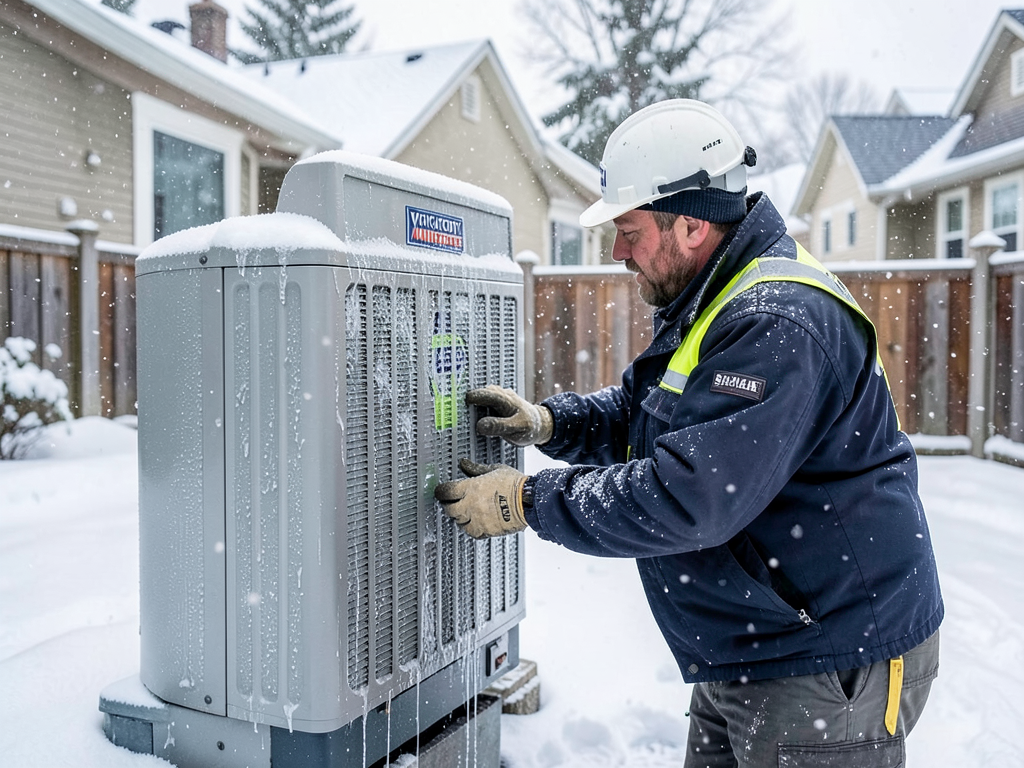
What to do when your heat pump starts icing over in Victory Heights
Your heat pump is supposed to keep your Victory Heights home warm through Seattle’s damp winters, but if you’re seeing thick ice buildup on the outdoor unit, you need to act fast. Ice can block airflow and stop your system from working, leaving you without heat when you need it most. This guide explains what’s causing the ice, when it’s normal versus when it’s a problem, and how our emergency de-icing service can restore your heat pump quickly and safely. Who to call for 24 hour emergency furnace repair in West Seattle.
Why your heat pump is icing up in the Pacific Northwest
Seattle’s climate creates perfect conditions for heat pump ice buildup. When temperatures hover near freezing and humidity stays high, moisture in the air condenses on the cold outdoor coils and freezes. This happens most often in neighborhoods like Victory Heights where elevation and tree cover can trap cold air. The Puget Sound’s marine influence keeps humidity levels high even in winter, making ice a common problem from November through February.
Normal defrost cycles should handle light frost by temporarily reversing the refrigerant flow to melt ice, but when something goes wrong, ice can build up faster than the system can clear it. You might notice reduced heating performance, strange noises, or the outdoor fan not running before you see the ice.
Normal defrosting vs. excessive ice buildup
A healthy heat pump runs a defrost cycle every 30 to 90 minutes when conditions are right. During this cycle, the unit may steam or make clicking sounds as it melts light frost. This is normal and temporary. However, ice that’s thicker than 1/16 inch, covers more than half the coil, or lasts longer than the defrost cycle is excessive and needs professional attention. Why your Ballard home needs professional furnace repair before the first freeze.
Warning signs include: ice forming on the sides or top of the unit (not just the coils), the system running constantly without reaching temperature, or ice forming when outdoor temps are above 40°F. These indicate a malfunction rather than normal operation.
Our step-by-step professional de-icing process
When you call for emergency service, our NATE-certified technicians follow a specific process to safely remove ice and restore your system. First, we inspect the entire unit to identify the root cause. We check the defrost sensor, reversing valve, and refrigerant levels. Then we carefully melt the ice using controlled heat sources, never sharp tools that could damage the coils. Weekend HVAC Service.
After de-icing, we test the defrost cycle and run the system to ensure proper operation. We also check for drainage issues that might cause water to refreeze. Most emergency de-icing calls take 60 to 90 minutes, and we bring all necessary tools and parts to complete repairs on the spot. EPA Commercial HVAC Guidelines.
Hazards of DIY ice removal: why to put down the shovel
Many homeowners try to chip away ice with tools, but this causes thousands of dollars in damage each year. The aluminum fins on heat pump coils are extremely thin and bend easily. One wrong move with a screwdriver or ice pick can puncture the refrigerant line, requiring expensive repairs or even full unit replacement.
Using hot water to melt ice can crack the coils due to thermal shock, especially in freezing temperatures. Chemical de-icers can corrode metal components and harm surrounding plants. The safest approach is to turn off the unit and call professionals who have the right equipment and training.
Common causes: from dirty filters to refrigerant leaks
Ice buildup has several potential causes. Dirty air filters restrict airflow, causing the coils to get too cold. A malfunctioning defrost sensor might not trigger the melt cycle. The reversing valve, which switches the unit between heating and cooling modes, can fail and prevent proper defrosting.
Refrigerant leaks cause the system to lose pressure, making the coils much colder than they should be. Outdoor fan motor failure means no airflow to help melt ice. Even something as simple as leaves or debris blocking the outdoor unit can trap moisture and accelerate ice formation.
Emergency 24/7 HVAC repairs for Seattle homeowners
We offer true 24/7 emergency service throughout Seattle, including Victory Heights. When your heat pump fails in the middle of the night during a cold snap, you need help immediately. Our dispatch center tracks all service vehicles in real-time, and we guarantee a response within two hours for emergency calls.
Emergency calls are prioritized based on severity. No heat in freezing temperatures gets immediate dispatch, while less urgent issues are scheduled for the next available slot. We stock common replacement parts on our trucks to complete most repairs in a single visit.
Preventing future ice problems
Regular maintenance prevents most ice-related failures. We recommend annual tune-ups before the heating season to check refrigerant levels, test the defrost cycle, and clean coils. Keeping the area around your outdoor unit clear of leaves, snow, and debris improves airflow and reduces moisture buildup. Keeping your historic Queen Anne home cool with ductless AC options.
Consider upgrading to a unit with demand-defrost control, which only runs the defrost cycle when needed rather than on a timer. This saves energy and reduces wear on components. If your system is over 10 years old, replacement might be more cost-effective than repeated repairs.
Victory Heights specific considerations
Victory Heights sits at a higher elevation than many Seattle neighborhoods, which means colder temperatures and more frost. The area’s mature trees, while beautiful, can block airflow around outdoor units and trap cold air near the ground. Homes built before 2000 often have heat pumps that weren’t designed for Seattle’s increasingly severe winter weather.
The neighborhood’s mix of mid-century and newer construction means we see a wide range of heat pump models and ages. Older units may lack modern defrost controls, making them more susceptible to ice problems. We’re familiar with the specific challenges Victory Heights homes face and stock parts accordingly.
Cost factors for emergency de-icing service
Emergency service calls typically cost more than scheduled maintenance due to after-hours dispatch and priority response. However, the cost of not fixing ice problems quickly can be much higher. Running a heat pump with restricted airflow can damage the compressor, leading to repairs costing thousands of dollars. Preventative HVAC maintenance plans that actually save money for Redmond families.
We provide upfront pricing before starting any work. Most emergency de-icing calls range from $250 to $450, depending on the severity and any needed repairs. If we find issues like refrigerant leaks or failed components, we’ll quote those repairs separately with your approval.
Service area and response times
We serve all of Seattle, with technicians stationed throughout the metro area for fast response. From our location, we can typically reach Victory Heights within 30 minutes during normal conditions. During severe weather events, response times may extend, but we maintain 24/7 dispatch to coordinate the closest available technician.
Our service area includes all Seattle neighborhoods, plus nearby cities like Shoreline, Lake City, and Northgate. We don’t charge extra for service within Seattle city limits, though some distant suburbs may have additional travel fees.
Frequently Asked Questions
How long should a defrost cycle last?
A normal defrost cycle runs 5 to 10 minutes. If you see ice that doesn’t melt within this timeframe or the cycle runs much longer, there’s likely a problem requiring service.
Can I just turn off the heat pump and let the ice melt?
Turning off the unit will eventually melt ice, but it won’t fix the underlying problem. The ice will likely return, and you’ll be without heat in the meantime. Professional diagnosis and repair prevent recurring issues.
Is ice on my heat pump covered by warranty?
Warranty coverage depends on the specific cause. Manufacturing defects are covered, but damage from lack of maintenance or normal wear isn’t. We can check your warranty status during diagnosis and advise on coverage.
How can I tell if my heat pump is in defrost mode?
During defrost, the outdoor fan stops, you may see steam rising from the unit, and the system might make clicking or swishing sounds. The indoor unit may blow cooler air temporarily. These are all normal defrost behaviors.
What temperature should I set my thermostat during an ice event?
If you notice ice buildup, set your thermostat to emergency heat if you have electric backup, or to a moderate temperature around 68°F. Avoid large temperature swings, which can stress the system. Call for service rather than waiting for the ice to resolve itself.
How often should I have my heat pump serviced to prevent ice issues?
Annual maintenance before the heating season is ideal. This includes checking refrigerant levels, testing the defrost cycle, cleaning coils, and inspecting all electrical connections. Some homeowners benefit from bi-annual service if their system is older or heavily used.
Can ice damage my heat pump permanently?
Yes. Extended ice buildup can crack coils, damage the compressor, or cause electrical failures. The weight of ice can also bend fan blades or misalign the unit. Prompt professional service prevents most permanent damage.
What’s the difference between frost and ice on my heat pump?
Frost is a thin, white coating that forms during normal operation and melts during defrost cycles. Ice is thicker, often clear or milky, and indicates a problem. If you can’t see the coil fins through the buildup, it’s ice, not frost.
Should I cover my heat pump in winter to prevent ice?
No. Heat pumps need constant airflow to operate correctly. Covers trap moisture and can actually increase ice problems. The only exception is temporary covering during severe storms to prevent snow accumulation, but the cover must be removed as soon as possible.
How do I know if I need emergency service or can wait until morning?
Call for emergency service if: you have no heat when outdoor temps are below 40°F, the ice is very thick or covers most of the unit, or you hear unusual noises from the system. For light frost that’s melting during defrost cycles, you can usually wait for regular business hours.
What causes refrigerant leaks that lead to ice?
Refrigerant leaks can result from vibration damage, corrosion (especially on older copper lines), physical damage from lawn equipment or ice removal attempts, or manufacturing defects. Leaks often start small and worsen over time, causing progressively worse performance.
Can a heat pump freeze in above-freezing temperatures?
Yes. If humidity is very high and the coils are much colder than the surrounding air, ice can form even when ambient temps are above 32°F. This often indicates refrigerant charge issues or airflow restrictions.
How long does emergency de-icing service take?
Most emergency de-icing calls take 60 to 90 minutes. This includes diagnosis, ice removal, system testing, and any minor adjustments. Complex repairs requiring parts replacement may take longer, but we’ll give you an accurate timeframe before starting work.
Will insurance cover heat pump ice damage?
Homeowner’s insurance typically doesn’t cover mechanical failures or lack of maintenance. However, if ice damage results from a covered peril like a fallen tree or vandalism, repairs might be covered. Check your specific policy or ask us to help verify coverage.
What should I do while waiting for the technician to arrive?
Turn off the heat pump at the thermostat to prevent further damage. If you have electric backup heat, switch to emergency heat. Keep interior doors open to help distribute any remaining warmth. Avoid using space heaters near the outdoor unit or where they could create fire hazards.
- Turn off the system
Switch the thermostat to “off” to prevent compressor damage while ice is present.
- Check for obvious blockages
Remove any leaves, snow, or debris around the outdoor unit without touching the ice.
- Call for emergency service
Contact us immediately at (564) 220-5899. Describe the ice thickness and any performance issues.
- Prepare for technician arrival
Clear a path to the outdoor unit and have your thermostat and circuit breaker accessible.
Take action before the next cold snap
Ice on your heat pump isn’t just an inconvenience—it’s a warning sign that something needs attention. Whether you’re dealing with a current ice problem or want to prevent future issues, our team is ready to help. We understand Victory Heights’ unique climate challenges and have the experience to solve problems quickly.
Don’t wait until you’re without heat on a cold Seattle night. Call (564) 220-5899 today to schedule your inspection or emergency service. Our NATE-certified technicians are standing by to restore your comfort and protect your investment.
Pick up the phone and call (564) 220-5899 before the next storm hits. Your comfort and safety are worth a quick call now rather than an emergency later. For more information, visit ASHRAE Technical Resources.
{
“@context”: “https://schema.org”,
“@type”: “BlogPosting”,
“headline”: “What to do when your heat pump starts icing over in Victory Heights”,
“description”: “Is your heat pump covered in ice? Learn why Seattle heat pumps freeze in Victory Heights and how our emergency de-icing service can restore heat fast.”,
“wordCount”: 2142,
“datePublished”: “2026-04-21T07:12:00.000Z”,
“dateModified”: “2026-04-21T07:12:00.000Z”,
“inLanguage”: “en-US”,
“mainEntityOfPage”: {
“@type”: “WebPage”,
“@id”: “https://peakhvacseattle.com”
},
“publisher”: {
“@type”: “LocalBusiness”,
“name”: “Peak HVAC Seattle”,
“url”: “https://peakhvacseattle.com”
},
“author”: {
“@type”: “Organization”,
“name”: “Peak HVAC Seattle”,
“url”: “https://peakhvacseattle.com”
},
“image”: {
“@type”: “ImageObject”,
“url”: “https://peakhvacseattle.com/wp-content/uploads/2026/03/what-to-do-when-your-heat-pump-starts-icing-over-i-1.png”
}
}
{
“@context”: “https://schema.org”,
“@type”: “HVACBusiness”,
“name”: “Peak HVAC Seattle”,
“url”: “https://peakhvacseattle.com”,
“address”: {
“@type”: “PostalAddress”,
“addressLocality”: “Seattle”
},
“areaServed”: {
“@type”: “City”,
“name”: “Seattle”
}
}
{
“@context”: “https://schema.org”,
“@type”: “FAQPage”,
“mainEntity”: [
{
“@type”: “Question”,
“name”: “How long should a defrost cycle last?”,
“acceptedAnswer”: {
“@type”: “Answer”,
“text”: “A normal defrost cycle runs 5 to 10 minutes. If you see ice that doesn’t melt within this timeframe or the cycle runs much longer, there’s likely a problem requiring service.”
}
},
{
“@type”: “Question”,
“name”: “Can I just turn off the heat pump and let the ice melt?”,
“acceptedAnswer”: {
“@type”: “Answer”,
“text”: “Turning off the unit will eventually melt ice, but it won’t fix the underlying problem. The ice will likely return, and you’ll be without heat in the meantime. Professional diagnosis and repair prevent recurring issues.”
}
},
{
“@type”: “Question”,
“name”: “Is ice on my heat pump covered by warranty?”,
“acceptedAnswer”: {
“@type”: “Answer”,
“text”: “Warranty coverage depends on the specific cause. Manufacturing defects are covered, but damage from lack of maintenance or normal wear isn’t. We can check your warranty status during diagnosis and advise on coverage.”
}
},
{
“@type”: “Question”,
“name”: “How can I tell if my heat pump is in defrost mode?”,
“acceptedAnswer”: {
“@type”: “Answer”,
“text”: “During defrost, the outdoor fan stops, you may see steam rising from the unit, and the system might make clicking or swishing sounds. The indoor unit may blow cooler air temporarily. These are all normal defrost behaviors.”
}
},
{
“@type”: “Question”,
“name”: “What temperature should I set my thermostat during an ice event?”,
“acceptedAnswer”: {
“@type”: “Answer”,
“text”: “If you notice ice buildup, set your thermostat to emergency heat if you have electric backup, or to a moderate temperature around 68°F. Avoid large temperature swings, which can stress the system. Call for service rather than waiting for the ice to resolve itself.”
}
},
{
“@type”: “Question”,
“name”: “How often should I have my heat pump serviced to prevent ice issues?”,
“acceptedAnswer”: {
“@type”: “Answer”,
“text”: “Annual maintenance before the heating season is ideal. This includes checking refrigerant levels, testing the defrost cycle, cleaning coils, and inspecting all electrical connections. Some homeowners benefit from bi-annual service if their system is older or heavily used.”
}
},
{
“@type”: “Question”,
“name”: “Can ice damage my heat pump permanently?”,
“acceptedAnswer”: {
“@type”: “Answer”,
“text”: “Yes. Extended ice buildup can crack coils, damage the compressor, or cause electrical failures. The weight of ice can also bend fan blades or misalign the unit. Prompt professional service prevents most permanent damage.”
}
},
{
“@type”: “Question”,
“name”: “What’s the difference between frost and ice on my heat pump?”,
“acceptedAnswer”: {
“@type”: “Answer”,
“text”: “Frost is a thin, white coating that forms during normal operation and melts during defrost cycles. Ice is thicker, often clear or milky, and indicates a problem. If you can’t see the coil fins through the buildup, it’s ice, not frost.”
}
},
{
“@type”: “Question”,
“name”: “Should I cover my heat pump in winter to prevent ice?”,
“acceptedAnswer”: {
“@type”: “Answer”,
“text”: “No. Heat pumps need constant airflow to operate correctly. Covers trap moisture and can actually increase ice problems. The only exception is temporary covering during severe storms to prevent snow accumulation, but the cover must be removed as soon as possible.”
}
},
{
“@type”: “Question”,
“name”: “How do I know if I need emergency service or can wait until morning?”,
“acceptedAnswer”: {
“@type”: “Answer”,
“text”: “Call for emergency service if: you have no heat when outdoor temps are below 40°F, the ice is very thick or covers most of the unit, or you hear unusual noises from the system. For light frost that’s melting during defrost cycles, you can usually wait for regular business hours.”
}
},
{
“@type”: “Question”,
“name”: “What causes refrigerant leaks that lead to ice?”,
“acceptedAnswer”: {
“@type”: “Answer”,
“text”: “Refrigerant leaks can result from vibration damage, corrosion (especially on older copper lines), physical damage from lawn equipment or ice removal attempts, or manufacturing defects. Leaks often start small and worsen over time, causing progressively worse performance.”
}
},
{
“@type”: “Question”,
“name”: “Can a heat pump freeze in above-freezing temperatures?”,
“acceptedAnswer”: {
“@type”: “Answer”,
“text”: “Yes. If humidity is very high and the coils are much colder than the surrounding air, ice can form even when ambient temps are above 32°F. This often indicates refrigerant charge issues or airflow restrictions.”
}
},
{
“@type”: “Question”,
“name”: “How long does emergency de-icing service take?”,
“acceptedAnswer”: {
“@type”: “Answer”,
“text”: “Most emergency de-icing calls take 60 to 90 minutes. This includes diagnosis, ice removal, system testing, and any minor adjustments. Complex repairs requiring parts replacement may take longer, but we’ll give you an accurate timeframe before starting work.”
}
},
{
“@type”: “Question”,
“name”: “Will insurance cover heat pump ice damage?”,
“acceptedAnswer”: {
“@type”: “Answer”,
“text”: “Homeowner’s insurance typically doesn’t cover mechanical failures or lack of maintenance. However, if ice damage results from a covered peril like a fallen tree or vandalism, repairs might be covered. Check your specific policy or ask us to help verify coverage.”
}
},
{
“@type”: “Question”,
“name”: “What should I do while waiting for the technician to arrive?”,
“acceptedAnswer”: {
“@type”: “Answer”,
“text”: “Turn off the heat pump at the thermostat to prevent further damage. If you have electric backup heat, switch to emergency heat. Keep interior doors open to help distribute any remaining warmth. Avoid using space heaters near the outdoor unit or where they could create fire hazards.”
}
}
]
}
{
“@context”: “https://schema.org”,
“@type”: “HowTo”,
“name”: “How to handle heat pump ice emergency”,
“step”: [
{
“@type”: “HowToStep”,
“position”: 1,
“name”: “Turn off the system”,
“text”: “Switch the thermostat to \”off\” to prevent compressor damage while ice is present.”
},
{
“@type”: “HowToStep”,
“position”: 2,
“name”: “Check for obvious blockages”,
“text”: “Remove any leaves, snow, or debris around the outdoor unit without touching the ice.”
},
{
“@type”: “HowToStep”,
“position”: 3,
“name”: “Call for emergency service”,
“text”: “Contact us immediately at (564) 220-5899. Describe the ice thickness and any performance issues.”
},
{
“@type”: “HowToStep”,
“position”: 4,
“name”: “Prepare for technician arrival”,
“text”: “Clear a path to the outdoor unit and have your thermostat and circuit breaker accessible.”
}
],
“image”: “https://peakhvacseattle.com/wp-content/uploads/2026/03/what-to-do-when-your-heat-pump-starts-icing-over-i-1.png”
}
{
“@context”: “https://schema.org”,
“@type”: “BreadcrumbList”,
“itemListElement”: [
{
“@type”: “ListItem”,
“position”: 1,
“name”: “Home”,
“item”: “https://peakhvacseattle.com”
},
{
“@type”: “ListItem”,
“position”: 2,
“name”: “Blog”,
“item”: “https://peakhvacseattle.com/blog”
},
{
“@type”: “ListItem”,
“position”: 3,
“name”: “What to do when your heat pump starts icing over in Victory Heights”
}
]
}
{
“@context”: “https://schema.org”,
“@type”: “Service”,
“serviceType”: “HVAC”,
“provider”: {
“@type”: “LocalBusiness”,
“name”: “Peak HVAC Seattle”,
“url”: “https://peakhvacseattle.com”
},
“areaServed”: {
“@type”: “City”,
“name”: “Seattle”
},
“description”: “Is your heat pump covered in ice? Learn why Seattle heat pumps freeze in Victory Heights and how our emergency de-icing service can restore heat fast.”
}