
The R-410A phase-out is here: What Seattle homeowners need to know in 2026
The EPA’s refrigerant regulations are changing fast and Seattle homeowners are feeling the impact. Starting in 2025, new residential air conditioners and heat pumps can no longer use R-410A, the refrigerant that’s been standard for nearly two decades. By 2026, this change will be fully in effect across Washington State, affecting everything from system pricing to service availability. EPA refrigerant venting prohibitions.
If you’re wondering whether your current system is at risk or if you should rush to buy a new unit before prices climb, you’re not alone. This guide breaks down exactly what the phase-out means for your home, your wallet, and your comfort in the Seattle area.. Read more about How a new HVAC system affects your home appraisal in the Roosevelt neighborhood.
What the 2026 refrigerant mandate actually requires
The phase-out stems from the American Innovation and Manufacturing (AIM) Act, which directs the EPA to reduce hydrofluorocarbon (HFC) production and consumption by 85% over 15 years. The specific target for residential HVAC is a Global Warming Potential (GWP) limit of 700 for new systems.. Read more about Ways to finance a new HVAC system for your Mount Baker home without breaking the bank.
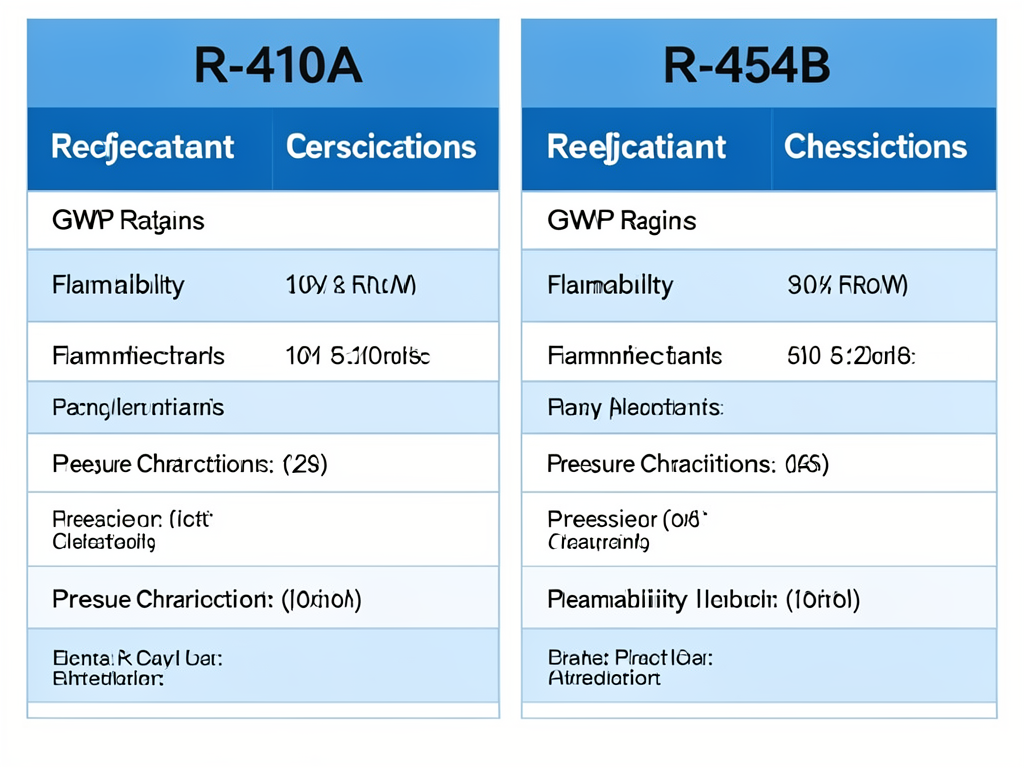
R-410A has a GWP of 2,088, making it far above the new threshold. Manufacturers are transitioning to A2L refrigerants like R-454B (GWP: 466) and R-32 (GWP: 675), which are significantly more environmentally friendly.. Read more about Understanding HVAC manufacturer warranties versus labor guarantees for your Northgate property.
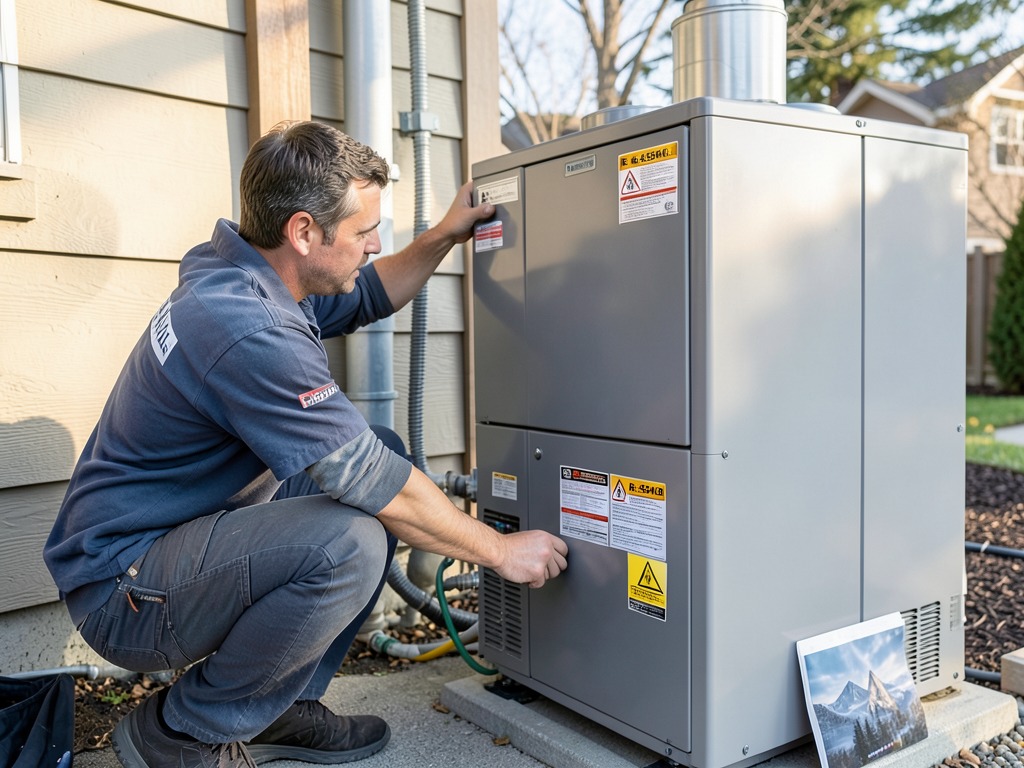
Diagram comparing R-410A and A2L refrigerant properties including GWP ratings, flammability classifications, and efficiency metrics.
Washington State’s accelerated timeline versus federal rules
Washington Department of Ecology has implemented stricter HFC regulations under Chapter 70A.207 RCW, which often moves faster than federal EPA timelines. While the federal mandate focuses on new equipment manufacturing, Washington’s rules affect both new installations and service practices.
Seattle-area HVAC contractors must now complete additional A2L safety training and certification. The mildly flammable nature of new refrigerants requires updated installation procedures and specialized leak detection equipment. These changes add approximately 15-20% to installation labor costs compared to R-410A systems.
Moving from R-410A to A2L refrigerants: What’s actually different
A2L refrigerants like R-454B are classified as mildly flammable, requiring enhanced safety measures during installation and service. Technicians must use spark-proof tools, proper ventilation during charging, and updated leak detection methods. The good news: these refrigerants operate at slightly lower pressures, potentially extending compressor life. Weekend HVAC Service.
Performance differences are minimal for Seattle’s climate. Both R-454B and R-32 maintain the high efficiency Seattle homeowners expect, with seasonal energy efficiency ratings (SEER) typically 1-2 points lower than comparable R-410A systems. The trade-off is worthwhile considering the environmental benefits and long-term availability.. Read more about The difference between SEER and SEER2 ratings for new North Beach air conditioners.
Technician using specialized A2L refrigerant leak detector during heat pump installation in a Seattle-area home.
How the phase-out affects your current HVAC system
Your existing R-410A system isn’t obsolete overnight. The EPA allows continued use of existing equipment and stockpiling of R-410A for service purposes. However, refrigerant prices have already increased 30-40% as supplies tighten, and costs will continue climbing through 2026.
Systems manufactured before 2025 can still be serviced with R-410A. The critical factor is your system’s age. If your unit is over 10 years old, replacement parts become harder to source, and efficiency gains from new technology often offset replacement costs within 3-5 years.. Read more about Understanding water source heat pumps in Belltown high rise condos.
For emergency repairs, R-410A will remain available, but expect longer wait times as contractors manage limited inventory. Seattle’s humid climate makes refrigerant leaks more common, so proactive maintenance becomes even more important during this transition period. Who to call for 24 hour emergency furnace repair in West Seattle.
Buying a new AC or heat pump in Seattle: 2025-2026 strategy
The optimal replacement window depends on your current system’s condition and local incentives. Seattle City Light offers rebates up to $2,000 for high-efficiency heat pumps, which pair perfectly with low-GWP refrigerants. Puget Sound Energy provides additional incentives for customers switching from gas furnaces to electric heat pumps.
Inventory shortages are already affecting availability of R-410A systems, with some manufacturers stopping production months ahead of the deadline. If your system is aging or inefficient, replacing it in 2025 with a new A2L-compatible model makes financial sense, especially with current rebate programs.
Consider these factors when deciding:
- System age: Over 12 years old? Replacement is likely more cost-effective than repairs
- Efficiency: New systems offer 20-30% better efficiency than 10-year-old units
- Rebates: Current incentives may not apply to emergency replacements next year
- Climate: Seattle’s mild summers mean heat pumps provide year-round value
Side-by-side comparison of R-410A and R-454B heat pump installations showing component differences and safety labeling requirements.
Frequently Asked Questions About the 2026 Transition
Can I still get R-410A refrigerant for my existing system?
Yes, but prices are rising and availability will become more limited. The EPA allows continued use of existing equipment and stockpiled refrigerant for service. However, as supplies tighten through 2026, expect longer wait times and higher costs for R-410A recharges.
Are A2L refrigerants safe for my home?
A2L refrigerants are classified as mildly flammable, but extensive safety protocols make them very safe when properly installed. Seattle HVAC contractors must complete specialized A2L certification. The systems include multiple safety features like spark-proof components and enhanced leak detection that make them safer than older R-410A units.
Will my energy bills increase with the new refrigerants?
Energy bills should actually decrease slightly. New A2L systems maintain high efficiency ratings, often 1-2 SEER points lower than comparable R-410A models. Seattle’s mild climate means these small differences rarely impact utility costs significantly, and the improved efficiency often offsets any minimal increases.
How long will the transition take?
The manufacturing transition is complete for most major brands, with 2025 production focusing on A2L-compatible units. Service industry adoption will continue through 2026 as contractors complete A2L certification and update their equipment. Full market transition should occur by late 2026.
Should I wait until 2026 to replace my system?
If your current system is over 10 years old or requires frequent repairs, waiting could cost more. R-410A prices will continue rising, and emergency replacements in 2026 may not qualify for current rebate programs. Evaluate your system’s condition now rather than facing urgent decisions later.
Local Seattle considerations for the refrigerant transition
Seattle’s unique climate and building patterns affect how the phase-out impacts homeowners. The city’s high humidity levels make refrigerant leaks more problematic, accelerating the need for proper maintenance regardless of refrigerant type. Additionally, Seattle’s push toward electrification aligns perfectly with heat pump technology using low-GWP refrigerants. Preventative HVAC maintenance plans that actually save money for Redmond families.
King County’s building codes require additional ventilation for A2L systems in enclosed spaces, affecting installation in older Seattle homes with limited utility room space. Contractors familiar with local requirements can help navigate these challenges and ensure code compliance.
The transition also affects Seattle’s historic home market. Many Queen Anne and Ballard bungalows have limited space for new equipment, making proper planning essential. Working with contractors experienced in Seattle’s architectural diversity ensures your new system fits both your home and local regulations. Keeping your historic Queen Anne home cool with ductless AC options.
Making the right choice for your Seattle home
The R-410A phase-out represents a significant change, but it doesn’t have to be overwhelming. Understanding the timeline, safety requirements, and local implications helps you make informed decisions about your HVAC system. Whether you’re planning a replacement or simply want to understand how the changes affect your current equipment, knowledge is your best tool.
Seattle homeowners who act strategically can take advantage of current incentives while preparing for the future. The transition to environmentally friendly refrigerants aligns with the city’s sustainability goals and offers opportunities for improved home comfort and efficiency.
Don’t wait until your system fails during a summer heatwave or winter cold snap. Call (564) 220-5899 today to schedule your inspection and learn about your options before the 2026 deadline creates longer wait times and higher costs. The best air conditioning options for bungalows and cottages around Green Lake.
Peak HVAC Seattle has served the greater Seattle area for over 15 years, completing thousands of successful installations and repairs. Our NATE-certified technicians understand both the technical requirements and local building codes affecting your HVAC decisions. We’re here to help you navigate this transition with confidence and clarity.
{
“@context”: “https://schema.org”,
“@type”: “BlogPosting”,
“headline”: “What the R-410A refrigerant phase out means for Seattle homeowners in 2026”,
“description”: “Learn how the 2026 EPA refrigerant phase-out affects Seattle HVAC systems. Understand R-410A replacement timelines, new A2L refrigerant safety, and local compliance requirements.”,
“wordCount”: 1351,
“datePublished”: “2026-03-25T15:14:00.000Z”,
“dateModified”: “2026-03-25T15:14:00.000Z”,
“inLanguage”: “en-US”,
“mainEntityOfPage”: {
“@type”: “WebPage”,
“@id”: “https://peakhvacseattle.com”
},
“publisher”: {
“@type”: “LocalBusiness”,
“name”: “Peak HVAC Seattle”,
“url”: “https://peakhvacseattle.com”
},
“author”: {
“@type”: “Organization”,
“name”: “Peak HVAC Seattle”,
“url”: “https://peakhvacseattle.com”
},
“image”: {
“@type”: “ImageObject”,
“url”: “https://peakhvacseattle.com/wp-content/uploads/2026/03/what-the-r-410a-refrigerant-phase-out-means-for-se-1.png”
}
}
{
“@context”: “https://schema.org”,
“@type”: “HVACBusiness”,
“name”: “Peak HVAC Seattle”,
“url”: “https://peakhvacseattle.com”,
“address”: {
“@type”: “PostalAddress”,
“addressLocality”: “Seattle”
},
“areaServed”: {
“@type”: “City”,
“name”: “Seattle”
}
}
{
“@context”: “https://schema.org”,
“@type”: “FAQPage”,
“mainEntity”: [
{
“@type”: “Question”,
“name”: “Can I still get R-410A refrigerant for my existing system?”,
“acceptedAnswer”: {
“@type”: “Answer”,
“text”: “Yes, but prices are rising and availability will become more limited. The EPA allows continued use of existing equipment and stockpiled refrigerant for service. However, as supplies tighten through 2026, expect longer wait times and higher costs for R-410A recharges.”
}
},
{
“@type”: “Question”,
“name”: “Are A2L refrigerants safe for my home?”,
“acceptedAnswer”: {
“@type”: “Answer”,
“text”: “A2L refrigerants are classified as mildly flammable, but extensive safety protocols make them very safe when properly installed. Seattle HVAC contractors must complete specialized A2L certification. The systems include multiple safety features like spark-proof components and enhanced leak detection that make them safer than older R-410A units.”
}
},
{
“@type”: “Question”,
“name”: “Will my energy bills increase with the new refrigerants?”,
“acceptedAnswer”: {
“@type”: “Answer”,
“text”: “Energy bills should actually decrease slightly. New A2L systems maintain high efficiency ratings, often 1-2 SEER points lower than comparable R-410A models. Seattle’s mild climate means these small differences rarely impact utility costs significantly, and the improved efficiency often offsets any minimal increases.”
}
},
{
“@type”: “Question”,
“name”: “How long will the transition take?”,
“acceptedAnswer”: {
“@type”: “Answer”,
“text”: “The manufacturing transition is complete for most major brands, with 2025 production focusing on A2L-compatible units. Service industry adoption will continue through 2026 as contractors complete A2L certification and update their equipment. Full market transition should occur by late 2026.”
}
},
{
“@type”: “Question”,
“name”: “Should I wait until 2026 to replace my system?”,
“acceptedAnswer”: {
“@type”: “Answer”,
“text”: “If your current system is over 10 years old or requires frequent repairs, waiting could cost more. R-410A prices will continue rising, and emergency replacements in 2026 may not qualify for current rebate programs. Evaluate your system’s condition now rather than facing urgent decisions later.”
}
}
]
}
{
“@context”: “https://schema.org”,
“@type”: “BreadcrumbList”,
“itemListElement”: [
{
“@type”: “ListItem”,
“position”: 1,
“name”: “Home”,
“item”: “https://peakhvacseattle.com”
},
{
“@type”: “ListItem”,
“position”: 2,
“name”: “Blog”,
“item”: “https://peakhvacseattle.com/blog”
},
{
“@type”: “ListItem”,
“position”: 3,
“name”: “What the R-410A refrigerant phase out means for Seattle homeowners in 2026”
}
]
}
{
“@context”: “https://schema.org”,
“@type”: “Service”,
“serviceType”: “HVAC”,
“provider”: {
“@type”: “LocalBusiness”,
“name”: “Peak HVAC Seattle”,
“url”: “https://peakhvacseattle.com”
},
“areaServed”: {
“@type”: “City”,
“name”: “Seattle”
},
“description”: “Learn how the 2026 EPA refrigerant phase-out affects Seattle HVAC systems. Understand R-410A replacement timelines, new A2L refrigerant safety, and local compliance requirements.”
}