
The pros and cons of air-to-water heat pumps for Seattle renovations
Air-to-water heat pumps offer Seattle homeowners a modern alternative to aging gas boilers combining space heating and domestic hot water in one electric system. These units extract heat from outdoor air and transfer it to water for radiant floors radiators or domestic use making them well-suited for Seattle’s moderate damp climate where winter temperatures rarely drop below freezing. However they require careful system design adequate insulation and upfront investment that may not suit every renovation project. Seattle City Light.
Before deciding homeowners should weigh the technology’s high efficiency and rebate eligibility against installation complexity and performance limits during extreme cold snaps. This guide breaks down exactly how air-to-water heat pumps work in Seattle conditions what renovations they’re best for and the local incentives that can offset costs.
How air-to-water heat pumps work with Seattle’s climate
Air-to-water heat pumps operate on the same refrigeration cycle as air conditioners but in reverse absorbing heat from outdoor air even when temperatures are above freezing. In Seattle’s typical winter range of 35°F to 45°F with high humidity these systems maintain excellent efficiency often achieving Coefficients of Performance (COP) between 2.5 and 3.5. This means they deliver 2.5 to 3.5 units of heat for every unit of electricity consumed.
The technology struggles when outdoor air drops near freezing and holds less heat energy which can happen during occasional Arctic outflow events that push Seattle temperatures into the 20s°F. During these brief cold snaps supplemental electric resistance heating or a backup system may be needed to maintain comfort.
Seattle’s marine air also means these outdoor units must be installed with proper clearance for airflow and protected from debris that can accumulate in the damp environment. Condenser coils need periodic cleaning to prevent efficiency losses from dirt and biological growth common in our climate. Commercial Duct Cleaning.
Comparing air-to-water vs. traditional forced air systems
Air-to-water systems distribute heat through water rather than air offering several distinct advantages for Seattle homes. Water conducts heat more efficiently than air allowing these systems to operate at lower temperatures while still providing comfortable warmth. This makes them ideal partners for radiant floor heating which feels warmer at lower thermostat settings because heat rises from the floor rather than blowing from vents.
Forced air systems by contrast use ductwork that can develop leaks especially in older Seattle homes with aging duct systems. They also create temperature stratification with hot air rising to ceilings while floors remain cool. Air-to-water systems eliminate these issues while also providing domestic hot water something standard heat pumps cannot do without additional equipment.
However air-to-water systems require a network of pipes rather than ducts which can be challenging to retrofit in homes without existing hydronic infrastructure. Installation costs typically run 30-50% higher than comparable forced air heat pump systems due to the additional plumbing and potential need for new radiators or radiant loops.

Seattle City Light and federal rebates for heat pump retrofits
Seattle homeowners can access substantial rebates when installing qualified air-to-water heat pumps. Seattle City Light offers rebates up to $2500 for heat pump conversions that replace electric resistance heating with additional incentives for ENERGY STAR certified equipment. Puget Sound Energy provides similar rebates for customers switching from natural gas systems. Puget Sound Energy.
The federal Inflation Reduction Act adds another layer of savings through the 25C tax credit which covers 30% of installation costs up to $2000 annually for qualifying heat pumps. The High-Efficiency Electric Home Rebate Act (HEEHRA) provides point-of-sale discounts for low and moderate-income households potentially covering the entire system cost for eligible families. federal tax credits.
These rebates typically require installation by certified contractors and use of equipment that meets specific efficiency standards. The application process involves submitting proof of existing system removal equipment specifications and final inspection documentation. Working with an experienced local installer familiar with Seattle’s rebate programs can streamline approval and maximize savings.
Our process: designing your Seattle home’s hydronic heating
Professional heat pump installation begins with a comprehensive home assessment that includes Manual J load calculations to determine heating and cooling requirements. This analysis considers Seattle’s climate data your home’s insulation levels window efficiency and existing distribution system. Many Seattle homes particularly those built before 1980 need insulation upgrades before heat pump installation to achieve optimal performance.
The design phase addresses whether your home can accommodate the new system’s water volume and flow rates. Older radiant systems often operate at higher water temperatures than modern heat pumps prefer requiring distribution system modifications. Our technicians use pressure testing and flow meters to verify existing piping can handle the new equipment’s requirements.. Read more about Checking if Your Newcastle Home Can Handle Both an EV Charger and a New Heat Pump.
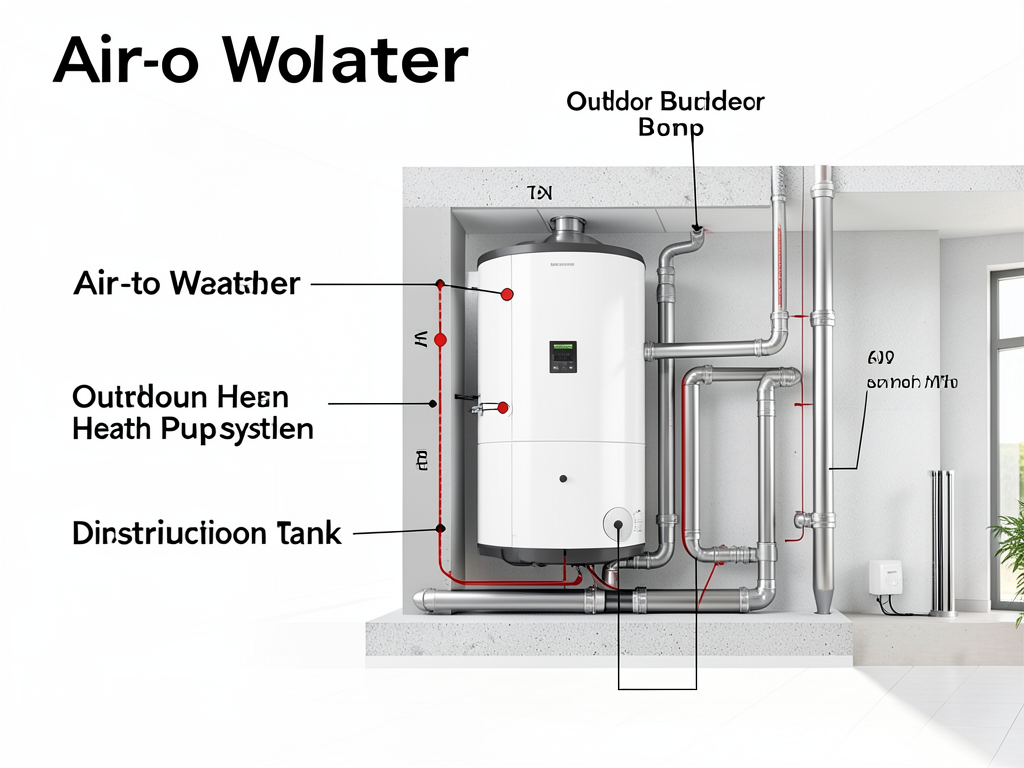
Installation typically takes 3-5 days for a complete system replacement longer if distribution modifications are needed. The outdoor unit requires a concrete pad or wall mounting bracket with proper clearance from the home’s foundation to prevent vibration transmission. Indoor components include a buffer tank for domestic hot water and may require a new electrical circuit depending on your home’s existing capacity.
Monobloc vs. split system considerations for urban Seattle
Monobloc air-to-water heat pumps contain all refrigeration components in a single outdoor unit with water lines running to the indoor distribution system. This design simplifies installation and eliminates refrigerant handling inside the home making it popular for Seattle’s urban lots where indoor space is at a premium. These units work well for homes with existing hydronic distribution and can be installed as close as 10 feet from the house.
Split systems separate the outdoor heat exchanger from an indoor hydrobox containing the compressor and controls. This configuration allows greater flexibility in equipment placement and can achieve slightly higher efficiency in some applications. However split systems require refrigerant line connections through the building envelope and may need longer installation times due to the additional indoor component.
For Seattle’s typical lot sizes and setback requirements monobloc systems often provide the best balance of performance and installation practicality. They produce noise levels around 55-65 decibels at one meter comparable to a normal conversation which matters in Seattle’s dense neighborhoods where outdoor units may be near property lines.
Retrofitting gas boilers: what Seattle homeowners need to know
Converting from a gas boiler to an air-to-water heat pump requires more than simply swapping equipment. Most Seattle homes with boiler systems were designed for 180°F water temperatures while heat pumps typically operate at 120°F or lower for maximum efficiency. This temperature difference affects radiator sizing and may require replacing existing radiators with larger units or adding radiant floor heating in key areas.
The conversion process includes removing the old boiler modifying gas lines and potentially upgrading electrical service. Many Seattle homes built before 1990 have 100-amp electrical panels that cannot support a heat pump without an upgrade to 200 amps. This electrical work often becomes the determining factor in project feasibility and cost. Weekend HVAC Service.
During the transition homeowners should plan for temporary heating solutions as the conversion typically takes several days. Some installations can be staged to maintain partial heating capacity but this requires careful planning and may increase overall project costs. The investment typically ranges from $15000 to $25000 for a complete conversion though Seattle rebates can reduce this by $3000 to $5000 or more.
Low-temperature heat pump technology and radiant floor cooling
Modern air-to-water heat pumps use variable-speed compressors and advanced controls to operate efficiently at lower water temperatures than older systems. This low-temperature technology allows them to provide comfortable heating while using less electricity but it also enables a feature rarely discussed: radiant floor cooling. In Seattle’s increasingly warm summers these systems can circulate chilled water through floor loops to provide cooling without the noise and air movement of traditional air conditioning. The best air conditioning options for bungalows and cottages around Green Lake.
Radiant cooling works by absorbing heat from the room through the floor surface creating a cooling effect without blowing air. However it requires careful humidity control to prevent condensation on floor surfaces. Seattle’s high summer humidity means radiant cooling typically needs a separate dehumidifier or must be used only during dry periods to prevent moisture issues. Why your Ballard home needs professional furnace repair before the first freeze.
The same water that heats your home in winter can provide cooling in summer but this dual capability requires additional controls and possibly a cooling tower or geothermal loop for heat rejection. For Seattle homeowners interested in year-round comfort without separate heating and cooling systems this technology offers compelling benefits despite the higher initial investment.
Performance during Seattle’s occasional cold snaps
While air-to-water heat pumps excel in Seattle’s typical winter conditions they do experience performance degradation when temperatures drop below 25°F. During these rare cold events which occur maybe 3-5 nights per year on average COP values can fall to 1.5 or lower meaning the system uses nearly as much electricity as the heat it produces.
Seattle’s humidity compounds this issue because moisture in the air can freeze on the outdoor coil triggering defrost cycles that temporarily stop heat production. During defrost the system reverses operation to melt ice buildup briefly operating like an air conditioner and actually cooling your home until the cycle completes. This can create noticeable temperature drops lasting 5-10 minutes.
Homeowners concerned about these performance limits often install electric resistance backup heating elements that activate automatically when outdoor temperatures fall below a set point. This backup typically operates only during the coldest hours and adds minimal cost to annual energy bills while ensuring comfort during extreme weather.
Frequently Asked Questions
How long do air-to-water heat pumps last in Seattle’s climate?
With proper maintenance these systems typically last 15-20 years. Seattle’s moderate temperatures are easier on equipment than extreme climates though the damp environment requires regular coil cleaning and corrosion protection for outdoor components. Preventative HVAC maintenance plans that actually save money for Redmond families.
Can I install an air-to-water heat pump myself?
No. These systems require EPA certification for refrigerant handling electrical expertise for proper wiring and knowledge of hydronic system design. Improper installation can void warranties and create safety hazards. Professional installation is mandatory for rebate eligibility.
Will an air-to-water heat pump work with my existing radiators?
Possibly but older radiators designed for 180°F water may not provide adequate heat at the 120°F temperatures heat pumps prefer. A heating professional can calculate whether your existing radiators need replacement or if additional heating capacity is required in certain rooms.
How noisy are these systems compared to traditional HVAC?
Modern units operate at 55-65 decibels at one meter similar to a refrigerator or normal conversation. This is quieter than many traditional HVAC systems though placement near bedrooms or property lines should consider noise levels.
Do I need to upgrade my electrical panel for installation?
Many Seattle homes built before 1990 have 100-amp panels that cannot support a heat pump without upgrade. A professional assessment will determine if your electrical service needs enhancement which typically adds $1500 to $3000 to the project cost.
- Assess your existing system
Determine your current heating method distribution system type and whether you have adequate electrical service for a heat pump.
- Calculate heating requirements
Have a professional perform Manual J calculations to determine your home’s heating and cooling loads based on Seattle climate data.
- Evaluate distribution compatibility
Determine if your existing radiators or radiant loops can operate efficiently at lower water temperatures.
- Check rebate eligibility
Verify which local and federal rebates apply to your situation and calculate potential savings against installation costs.
- Get professional quotes
Obtain detailed proposals from certified installers that include equipment specifications installation timeline and warranty information.
Making the right choice for your Seattle renovation
Air-to-water heat pumps represent a significant advancement in home heating technology particularly well-suited to Seattle’s climate and the region’s push toward electrification. Their ability to provide both space heating and domestic hot water while operating efficiently in our mild winters makes them an attractive option for homeowners looking to eliminate fossil fuel use and reduce energy costs.
However these systems are not a universal solution. Homes with inadequate insulation undersized electrical service or distribution systems incompatible with low-temperature operation may face substantial additional costs that negate the efficiency benefits. The technology also requires professional design and installation to achieve the promised performance and reliability.
For Seattle homeowners committed to sustainable heating and willing to invest in proper system design air-to-water heat pumps offer an excellent path forward. The combination of local rebates federal tax credits and long-term energy savings can make the upfront investment worthwhile particularly when replacing aging gas boilers or electric resistance heating.
Ready to explore whether an air-to-water heat pump is right for your Seattle home? Call (564) 220-5899 today to schedule your free assessment and learn about current rebate programs that could save you thousands on installation.
Don’t wait until your old boiler fails on a cold January night. Pick up the phone and call (564) 220-5899 before the next storm hits. Our certified technicians will evaluate your home’s specific needs and show you exactly how much you could save with modern heat pump technology.
You may also find this helpful. Comparing Lennox and Trane for the damp Seattle climate.
You may also find this helpful. Tracking the carbon footprint of your Phinney Ridge home heating and cooling.
{
“@context”: “https://schema.org”,
“@type”: “BlogPosting”,
“headline”: “The pros and cons of air-to-water heat pumps for Seattle renovations”,
“description”: “Learn how air-to-water heat pumps perform in Seattle’s climate, available rebates, and installation requirements for your home renovation project.”,
“wordCount”: 2185,
“datePublished”: “2026-05-18T15:17:00.000Z”,
“dateModified”: “2026-05-18T15:17:00.000Z”,
“inLanguage”: “en-US”,
“mainEntityOfPage”: {
“@type”: “WebPage”,
“@id”: “https://peakhvacseattle.com”
},
“publisher”: {
“@type”: “LocalBusiness”,
“name”: “Peak HVAC Seattle”,
“url”: “https://peakhvacseattle.com”
},
“author”: {
“@type”: “Organization”,
“name”: “Peak HVAC Seattle”,
“url”: “https://peakhvacseattle.com”
},
“image”: {
“@type”: “ImageObject”,
“url”: “https://peakhvacseattle.com/wp-content/uploads/2026/03/the-pros-and-cons-of-air-to-water-heat-pumps-for-s-1.png”
}
}
{
“@context”: “https://schema.org”,
“@type”: “HVACBusiness”,
“name”: “Peak HVAC Seattle”,
“url”: “https://peakhvacseattle.com”,
“address”: {
“@type”: “PostalAddress”,
“addressLocality”: “Seattle”
},
“areaServed”: {
“@type”: “City”,
“name”: “Seattle”
}
}
{
“@context”: “https://schema.org”,
“@type”: “FAQPage”,
“mainEntity”: [
{
“@type”: “Question”,
“name”: “How long do air-to-water heat pumps last in Seattle’s climate?”,
“acceptedAnswer”: {
“@type”: “Answer”,
“text”: “With proper maintenance these systems typically last 15-20 years. Seattle’s moderate temperatures are easier on equipment than extreme climates though the damp environment requires regular coil cleaning and corrosion protection for outdoor components. Preventative HVAC maintenance plans that actually save money for Redmond families.”
}
},
{
“@type”: “Question”,
“name”: “Can I install an air-to-water heat pump myself?”,
“acceptedAnswer”: {
“@type”: “Answer”,
“text”: “No. These systems require EPA certification for refrigerant handling electrical expertise for proper wiring and knowledge of hydronic system design. Improper installation can void warranties and create safety hazards. Professional installation is mandatory for rebate eligibility.”
}
},
{
“@type”: “Question”,
“name”: “Will an air-to-water heat pump work with my existing radiators?”,
“acceptedAnswer”: {
“@type”: “Answer”,
“text”: “Possibly but older radiators designed for 180°F water may not provide adequate heat at the 120°F temperatures heat pumps prefer. A heating professional can calculate whether your existing radiators need replacement or if additional heating capacity is required in certain rooms.”
}
},
{
“@type”: “Question”,
“name”: “How noisy are these systems compared to traditional HVAC?”,
“acceptedAnswer”: {
“@type”: “Answer”,
“text”: “Modern units operate at 55-65 decibels at one meter similar to a refrigerator or normal conversation. This is quieter than many traditional HVAC systems though placement near bedrooms or property lines should consider noise levels.”
}
},
{
“@type”: “Question”,
“name”: “Do I need to upgrade my electrical panel for installation?”,
“acceptedAnswer”: {
“@type”: “Answer”,
“text”: “Many Seattle homes built before 1990 have 100-amp panels that cannot support a heat pump without upgrade. A professional assessment will determine if your electrical service needs enhancement which typically adds $1500 to $3000 to the project cost.”
}
}
]
}
{
“@context”: “https://schema.org”,
“@type”: “HowTo”,
“name”: “How to evaluate air-to-water heat pump suitability”,
“step”: [
{
“@type”: “HowToStep”,
“position”: 1,
“name”: “Assess your existing system”,
“text”: “Determine your current heating method distribution system type and whether you have adequate electrical service for a heat pump.”
},
{
“@type”: “HowToStep”,
“position”: 2,
“name”: “Calculate heating requirements”,
“text”: “Have a professional perform Manual J calculations to determine your home’s heating and cooling loads based on Seattle climate data.”
},
{
“@type”: “HowToStep”,
“position”: 3,
“name”: “Evaluate distribution compatibility”,
“text”: “Determine if your existing radiators or radiant loops can operate efficiently at lower water temperatures.”
},
{
“@type”: “HowToStep”,
“position”: 4,
“name”: “Check rebate eligibility”,
“text”: “Verify which local and federal rebates apply to your situation and calculate potential savings against installation costs.”
},
{
“@type”: “HowToStep”,
“position”: 5,
“name”: “Get professional quotes”,
“text”: “Obtain detailed proposals from certified installers that include equipment specifications installation timeline and warranty information.”
}
],
“image”: “https://peakhvacseattle.com/wp-content/uploads/2026/03/the-pros-and-cons-of-air-to-water-heat-pumps-for-s-1.png”
}
{
“@context”: “https://schema.org”,
“@type”: “BreadcrumbList”,
“itemListElement”: [
{
“@type”: “ListItem”,
“position”: 1,
“name”: “Home”,
“item”: “https://peakhvacseattle.com”
},
{
“@type”: “ListItem”,
“position”: 2,
“name”: “Blog”,
“item”: “https://peakhvacseattle.com/blog”
},
{
“@type”: “ListItem”,
“position”: 3,
“name”: “The pros and cons of air-to-water heat pumps for Seattle renovations”
}
]
}
{
“@context”: “https://schema.org”,
“@type”: “Service”,
“serviceType”: “HVAC”,
“provider”: {
“@type”: “LocalBusiness”,
“name”: “Peak HVAC Seattle”,
“url”: “https://peakhvacseattle.com”
},
“areaServed”: {
“@type”: “City”,
“name”: “Seattle”
},
“description”: “Learn how air-to-water heat pumps perform in Seattle’s climate, available rebates, and installation requirements for your home renovation project.”
}