
The hidden reason your Seward Park house has cold spots (Hint – It is your thermostat placement)
Living in Seward Park means enjoying beautiful tree-lined streets and proximity to Lake Washington. But many homeowners discover a frustrating problem: uneven temperatures throughout their homes. You might find the upstairs bedroom sweltering while the downstairs living room feels like a refrigerator. The culprit isn’t your HVAC system’s power—it’s where your thermostat sits.. Read more about Fixing uneven room temperatures in View Ridge with a professional zone control system.
Your thermostat acts as the brain of your heating and cooling system. When placed poorly, it makes decisions based on misleading data, causing your system to overwork in some areas while neglecting others. In Seward Park’s unique climate, with its damp winters and occasional summer heat waves, proper thermostat placement becomes even more critical for comfort and efficiency.. Read more about How to stop drafts from ruining the comfort of your Windermere manor.
Let’s explore why your thermostat’s location matters more than you think and how to fix those annoying cold spots once and for all.
Why thermostat location creates cold spots in Seward Park homes
The physics of heat distribution explains why placement matters. Heat naturally rises, and in multi-story homes common throughout Seward Park, this creates significant temperature differences between floors. When your thermostat sits in a poor location, it can’t accurately read your home’s true temperature, leading to inefficient cycling and uncomfortable zones.
Consider a typical Seward Park craftsman home near Seward Park itself. If the thermostat sits in the main floor hallway near the front door, it might read 68°F. Meanwhile, the upstairs bedrooms could be 72°F, and the basement family room might be 64°F. Your system runs based on that single hallway reading, leaving some areas too cold and others too warm.
Seattle’s climate adds another layer of complexity. Our high humidity levels, especially during fall and spring, affect how we perceive temperature. A damp 65°F feels colder than a dry 65°F. Plus, our homes often have older windows and less-than-perfect insulation, creating drafts that throw off thermostat readings. Seattle City Light thermostat rebates.
>
The stack effect: Your home’s hidden temperature driver
In Seward Park’s older homes, the stack effect becomes a major player in temperature distribution. This phenomenon occurs when warm air rises through your home, creating pressure differences that pull cold air in from below. The effect is strongest in homes near Lake Washington where temperature differences between inside and outside are more extreme.
Picture your home as a chimney. Warm air escapes through upper-level gaps—around windows, through attic hatches, even through electrical outlets. This creates negative pressure at the bottom of your home, pulling in cold, damp air from crawl spaces or basements. The result? Your downstairs feels cold while your upstairs overheats.
This effect explains why many Seward Park homeowners notice their basements feeling particularly chilly in winter. The stack effect pulls cold air upward continuously, making your heating system work harder than necessary. A thermostat placed on the main floor might never detect these basement cold spots, leaving them unaddressed.
Common thermostat placement mistakes in Seward Park homes
Many Seward Park homes, especially those built before the 1980s, have thermostats in locations that made sense decades ago but create problems today. Here are the most common misplacements we see during service calls near Seward Park Avenue and Lakeside Avenue South: Weekend HVAC Service.
- Hallway exterior walls: Near front doors where drafts from opening and closing create false readings
- Above heat-generating appliances: Kitchens where ovens and refrigerators skew temperature data
- Direct sunlight areas: South-facing walls that read warmer than the rest of the home
- Near supply vents: Where direct airflow creates misleading temperature drops
- Exterior wall locations: Where outside temperature affects the sensor
These placements might have worked fine when energy was cheap and comfort expectations lower. Today, with Seattle’s rising utility costs and our desire for consistent comfort, they create significant problems.. Read more about Quick DIY energy checks for Skyway residents before calling a pro.
Another issue unique to Seward Park is the proximity to Lake Washington. Homes near the water experience more dramatic temperature swings and higher humidity levels. A thermostat placed too close to a lake-facing window might register these fluctuations as system problems, causing unnecessary cycling.
The 5-foot rule: Ideal thermostat mounting height
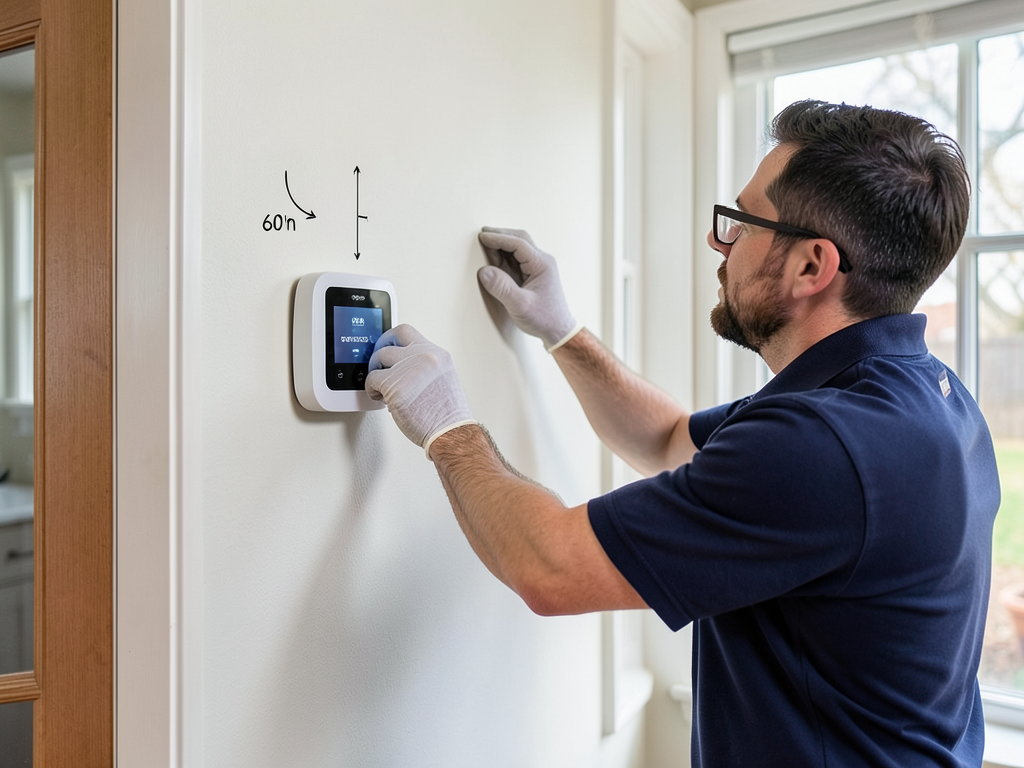
Professional HVAC technicians follow the 60-inch rule for thermostat placement. This height, roughly five feet from the floor, provides the most accurate reading of your home’s average temperature. At this level, the thermostat avoids the coldest air near the floor and the warmest air near the ceiling.
In Seward Park’s typical two-story homes, this height becomes even more critical. Heat rises naturally, and placing your thermostat too high means it reads the warmest air in the room. This causes your system to shut off before lower areas reach comfortable temperatures, creating those frustrating cold spots.
The 60-inch rule also helps avoid interference from furniture and wall hangings. Placing a thermostat behind a large painting or above a couch can block airflow and create inaccurate readings. We recommend using a stud finder and level when mounting to ensure proper placement and alignment.
Interior wall priority: Why location matters
The best thermostat location is on an interior wall, away from exterior influences. Interior walls provide the most stable temperature readings because they’re buffered from outside conditions by other rooms. This becomes especially important in Seward Park’s older homes where exterior walls often lack modern insulation.
Look for walls that separate two frequently used rooms, like between a living room and dining room, or a hallway and bedroom. These locations typically represent your home’s average temperature better than isolated areas. Avoid walls near bathrooms, kitchens, or laundry rooms where humidity and heat variations are common.
In Seward Park’s craftsman and bungalow-style homes, interior walls often run parallel to the roof’s ridge beam. This orientation provides structural stability for mounting and keeps the thermostat away from areas where temperature swings are most extreme.
Avoiding drafts and direct sunlight
Drafts are the thermostat’s worst enemy, especially in Seattle’s drafty older homes. Even a small air leak can cause your thermostat to misread temperatures by several degrees. Common draft sources include windows, doors, electrical outlets, and even recessed lighting fixtures.
Before installing a thermostat, we recommend using an incense stick or smoke pencil to detect air movement around potential mounting locations. Hold the smoke source near windows, doors, and electrical boxes. If you see the smoke waver, you’ve found a draft that could affect your thermostat’s accuracy.
Direct sunlight creates another problem, particularly in Seward Park’s south-facing homes. A thermostat in direct sunlight can read 5-10 degrees warmer than the actual room temperature. This leads to your system running longer than necessary, wasting energy and creating cold spots in other areas as it overcompensates.
Multi-story solutions: When one thermostat isn’t enough
Many Seward Park homes have two or even three stories, making single-thermostat control nearly impossible. The temperature difference between floors can easily reach 8-12 degrees, especially during Seattle’s mild summers when upper floors heat up quickly.
Zoning systems offer the most effective solution for multi-story homes. These systems use multiple thermostats connected to dampers in your ductwork, allowing different areas to be heated or cooled independently. For a typical Seward Park three-bedroom home, we might install thermostats on each floor, each controlling its zone.
Modern smart thermostats with remote sensors provide another excellent option. Devices like the Ecobee or Nest Learning Thermostat allow you to place wireless sensors in different rooms. The main thermostat then averages readings from all sensors, creating a more balanced temperature throughout your home.
Smart thermostats: The modern solution for Seward Park homes
Today’s smart thermostats offer features specifically designed to solve the cold spot problem. Learning algorithms can detect patterns in your home’s temperature variations and adjust accordingly. Some models even use geofencing to prepare your home for your arrival, ensuring consistent comfort throughout.
For Seward Park’s older homes, smart thermostats provide additional benefits. Many can integrate with whole-home humidifiers and dehumidifiers, crucial for managing our high humidity levels. They also offer detailed energy usage reports, helping you identify which areas of your home need the most attention.. Read more about Managing HVAC settings for your short term rental or Airbnb in the Central District.
The ability to control your thermostat remotely proves invaluable during Seattle’s unpredictable weather. Heading home early from work? Adjust your system from your phone to ensure your home is comfortable when you arrive, regardless of outdoor conditions.
Professional assessment: When to call the experts
While some thermostat issues have simple DIY solutions, others require professional diagnosis. If you’ve tried moving your thermostat or adjusting settings without success, it’s time to call in the experts. Professional HVAC technicians can perform comprehensive assessments that go beyond simple placement.
During a professional assessment, technicians use specialized tools to measure temperature variations throughout your home. Thermal imaging cameras can identify heat loss areas, while airflow meters can detect ventilation problems. These diagnostics often reveal issues that aren’t apparent to the naked eye.
In Seward Park’s older homes, we frequently discover hidden problems like disconnected ductwork, inadequate return air pathways, or insulation gaps that contribute to cold spots. Addressing these issues alongside proper thermostat placement provides the most comprehensive solution.
Energy efficiency and cost savings
Proper thermostat placement doesn’t just improve comfort—it saves money. The U.S. Department of Energy estimates that homeowners can save up to 10% annually on heating and cooling by optimizing their thermostat’s operation. In Seattle’s climate, where heating season extends from October through May, these savings add up quickly. U.S. Department of Energy thermostat guide.
Consider a typical Seward Park home where the thermostat is poorly placed. The system might run 15-20% longer than necessary, trying to heat or cool areas that are already comfortable while neglecting problem spots. This wasted energy translates directly to higher utility bills and increased wear on your HVAC equipment.
Many Seattle City Light and Puget Sound Energy customers qualify for rebates when upgrading to energy-efficient thermostats or HVAC systems. These incentives can offset the cost of professional assessment and installation, making comfort improvements more affordable.
Maintenance tips for optimal thermostat performance
Even the best-placed thermostat needs regular maintenance to perform optimally. Dust and debris can accumulate on the sensor, affecting accuracy. Battery-powered models need replacement batteries annually, while hardwired units should have their connections checked periodically. Preventative HVAC maintenance plans that actually save money for Redmond families.
During seasonal maintenance visits, technicians should verify your thermostat’s calibration. Over time, even high-quality thermostats can drift from their factory settings. A simple recalibration can restore accuracy and improve your system’s efficiency.
Keep the area around your thermostat clear of obstructions. Furniture, curtains, and decorations can block airflow and affect readings. In Seward Park’s homes, where space is often at a premium, it’s tempting to use every available surface, but your thermostat needs breathing room to work correctly. Why your Ballard home needs professional furnace repair before the first freeze.
Installation best practices for new construction
If you’re building or renovating a home in Seward Park, proper thermostat planning from the start saves headaches later. Work with your HVAC contractor to identify optimal locations before walls go up. Consider future furniture placement and how you’ll use each room.
For new construction, we recommend installing a wiring pathway that allows for future thermostat relocation. Running an extra wire pair to a central location gives you flexibility if you discover placement issues after moving in. This small investment can save significant retrofitting costs later.
Consider integrating your thermostat planning with other home systems. Smart home integration allows your thermostat to work with lighting, window coverings, and even your refrigerator to optimize energy usage. In Seward Park’s eco-conscious community, these integrated systems appeal to both comfort and environmental concerns.
Case study: A Seward Park success story
Recently, we worked with a family on 50th Avenue South who struggled with cold spots throughout their 1920s craftsman home. Their thermostat sat in the main floor hallway, near a frequently used exterior door. The upstairs bedrooms were always too warm, while the basement family room stayed uncomfortably cold.
After a comprehensive assessment, we relocated the main thermostat to an interior wall between the living room and dining room. We also installed a zoning system with separate thermostats for the upstairs and basement. The result? Temperature variations reduced from 12 degrees to just 3 degrees throughout the home.
The family reported not only improved comfort but also a 15% reduction in their winter heating bills. Their system now runs more efficiently, and every room maintains the temperature they set, regardless of the season.
Frequently Asked Questions
How do I know if my thermostat is in a bad location?
Common signs include rooms that are consistently too hot or cold, your system running constantly or cycling on and off frequently, and temperature differences of more than 5 degrees between floors. If you experience these issues, your thermostat placement might be the culprit.
Can I move my thermostat myself?
While simple thermostat swaps are possible for DIY enthusiasts, relocating a thermostat involves running new wiring and potentially modifying your HVAC system. For most homeowners, professional installation ensures proper wiring, calibration, and integration with your existing system.
How much does professional thermostat relocation cost?
Costs vary based on your home’s construction and the complexity of the move. Simple relocations might cost $200-400, while complex moves involving new wiring runs or system modifications can range from $500-1,500. Many HVAC companies offer free assessments to provide accurate quotes.
Will a smart thermostat solve my cold spot problems?
Smart thermostats with remote sensors can significantly improve comfort by averaging temperatures from multiple locations. However, they work best when combined with proper placement of the main unit and, in some cases, additional HVAC modifications like zoning systems.
How often should I replace my thermostat?
Modern thermostats typically last 10-15 years. However, if you’re experiencing comfort issues or your current model lacks features like programmability or remote sensors, upgrading sooner might be worthwhile. Smart thermostats offer the most flexibility for solving cold spot problems.
Take control of your home’s comfort
Don’t let another winter pass with cold spots making your Seward Park home uncomfortable. The solution might be simpler than you think. Whether you need a simple thermostat relocation, a zoning system installation, or a complete smart home integration, professional help is just a phone call away.
Call (564) 220-5899 today to schedule your thermostat assessment. Our experienced technicians understand Seward Park’s unique climate challenges and can recommend solutions tailored to your home’s specific needs. Stop battling cold spots and start enjoying consistent comfort throughout every room in your house.
Pick up the phone and call (564) 220-5899 before the next cold snap hits. Your comfort is worth it, and so is your peace of mind knowing your home will stay comfortable no matter what Seattle’s weather brings.
Conclusion: Comfort is just a call away
Living in Seward Park should mean enjoying your home’s beauty and comfort year-round. Don’t let poor thermostat placement rob you of that experience. With the right assessment and solutions, you can eliminate cold spots, reduce energy bills, and create a home that’s comfortable in every season.
Remember, your thermostat is the brain of your HVAC system. Give it the right information, and it will keep your home comfortable while saving you money. Give us a call at (564) 220-5899, and let’s solve your cold spot problems together.
{
“@context”: “https://schema.org”,
“@type”: “BlogPosting”,
“headline”: “The hidden reason your Seward Park house has cold spots (Hint – It is your thermostat placement)”,
“description”: “Discover why your Seward Park home has uneven temperatures. Learn how thermostat placement affects your comfort and energy bills in Seattle’s unique climate.”,
“wordCount”: 2531,
“datePublished”: “2026-03-30T09:29:00.000Z”,
“dateModified”: “2026-03-30T09:29:00.000Z”,
“inLanguage”: “en-US”,
“mainEntityOfPage”: {
“@type”: “WebPage”,
“@id”: “https://peakhvacseattle.com”
},
“publisher”: {
“@type”: “LocalBusiness”,
“name”: “Peak HVAC Seattle”,
“url”: “https://peakhvacseattle.com”
},
“author”: {
“@type”: “Organization”,
“name”: “Peak HVAC Seattle”,
“url”: “https://peakhvacseattle.com”
},
“image”: {
“@type”: “ImageObject”,
“url”: “https://peakhvacseattle.com/wp-content/uploads/2026/03/the-hidden-reason-your-seward-park-house-has-cold-1.png”
}
}
{
“@context”: “https://schema.org”,
“@type”: “HVACBusiness”,
“name”: “Peak HVAC Seattle”,
“url”: “https://peakhvacseattle.com”,
“address”: {
“@type”: “PostalAddress”,
“addressLocality”: “Seattle”
},
“areaServed”: {
“@type”: “City”,
“name”: “Seattle”
}
}
{
“@context”: “https://schema.org”,
“@type”: “FAQPage”,
“mainEntity”: [
{
“@type”: “Question”,
“name”: “How do I know if my thermostat is in a bad location?”,
“acceptedAnswer”: {
“@type”: “Answer”,
“text”: “Common signs include rooms that are consistently too hot or cold, your system running constantly or cycling on and off frequently, and temperature differences of more than 5 degrees between floors. If you experience these issues, your thermostat placement might be the culprit.”
}
},
{
“@type”: “Question”,
“name”: “Can I move my thermostat myself?”,
“acceptedAnswer”: {
“@type”: “Answer”,
“text”: “While simple thermostat swaps are possible for DIY enthusiasts, relocating a thermostat involves running new wiring and potentially modifying your HVAC system. For most homeowners, professional installation ensures proper wiring, calibration, and integration with your existing system.”
}
},
{
“@type”: “Question”,
“name”: “How much does professional thermostat relocation cost?”,
“acceptedAnswer”: {
“@type”: “Answer”,
“text”: “Costs vary based on your home’s construction and the complexity of the move. Simple relocations might cost $200-400, while complex moves involving new wiring runs or system modifications can range from $500-1,500. Many HVAC companies offer free assessments to provide accurate quotes.”
}
},
{
“@type”: “Question”,
“name”: “Will a smart thermostat solve my cold spot problems?”,
“acceptedAnswer”: {
“@type”: “Answer”,
“text”: “Smart thermostats with remote sensors can significantly improve comfort by averaging temperatures from multiple locations. However, they work best when combined with proper placement of the main unit and, in some cases, additional HVAC modifications like zoning systems.”
}
},
{
“@type”: “Question”,
“name”: “How often should I replace my thermostat?”,
“acceptedAnswer”: {
“@type”: “Answer”,
“text”: “Modern thermostats typically last 10-15 years. However, if you’re experiencing comfort issues or your current model lacks features like programmability or remote sensors, upgrading sooner might be worthwhile. Smart thermostats offer the most flexibility for solving cold spot problems.”
}
}
]
}
{
“@context”: “https://schema.org”,
“@type”: “BreadcrumbList”,
“itemListElement”: [
{
“@type”: “ListItem”,
“position”: 1,
“name”: “Home”,
“item”: “https://peakhvacseattle.com”
},
{
“@type”: “ListItem”,
“position”: 2,
“name”: “Blog”,
“item”: “https://peakhvacseattle.com/blog”
},
{
“@type”: “ListItem”,
“position”: 3,
“name”: “The hidden reason your Seward Park house has cold spots (Hint – It is your thermostat placement)”
}
]
}
{
“@context”: “https://schema.org”,
“@type”: “Service”,
“serviceType”: “HVAC”,
“provider”: {
“@type”: “LocalBusiness”,
“name”: “Peak HVAC Seattle”,
“url”: “https://peakhvacseattle.com”
},
“areaServed”: {
“@type”: “City”,
“name”: “Seattle”
},
“description”: “Discover why your Seward Park home has uneven temperatures. Learn how thermostat placement affects your comfort and energy bills in Seattle’s unique climate.”
}