
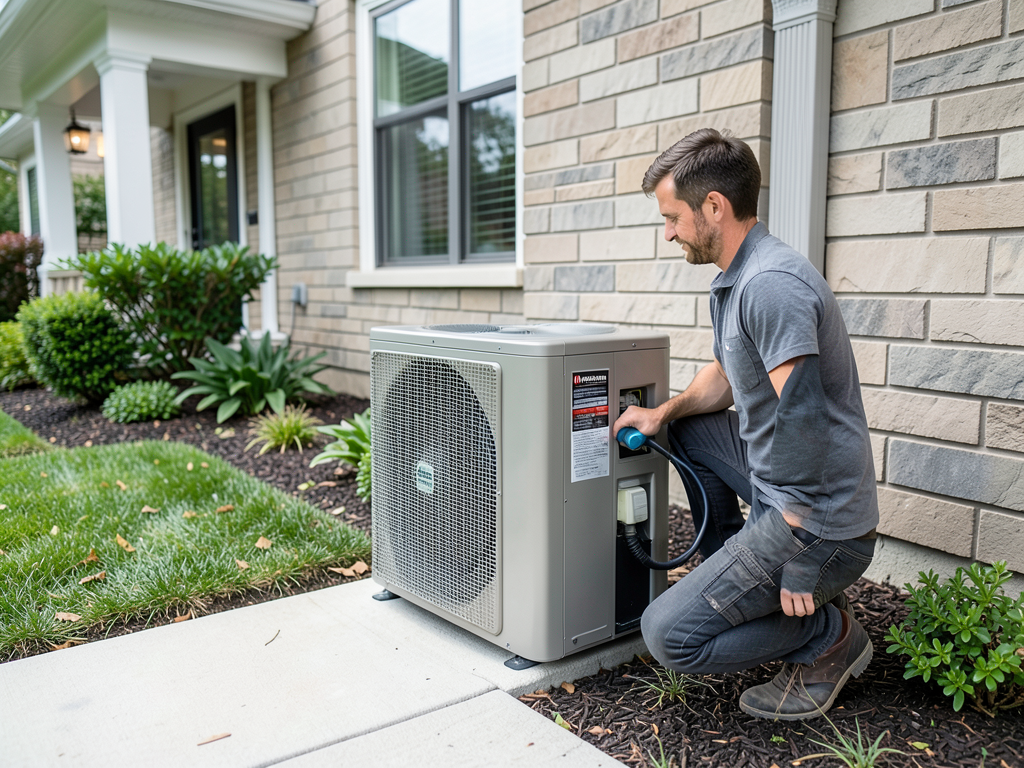
The best low profile air conditioners for luxury homes in Denny-Blaine
Denny-Blaine’s historic estates and modern luxury homes demand cooling solutions that blend seamlessly with their architectural elegance. Traditional air conditioning units can disrupt the clean lines and aesthetic appeal of these high-end properties. That’s why low profile air conditioners have become the preferred choice for discerning homeowners in this Seattle neighborhood. Seattle Department of Construction and Inspections.
Low profile AC units, also known as side-discharge or slimline condensers, offer powerful cooling performance while maintaining a minimal visual footprint. These units are specifically engineered to fit in narrow spaces where standard top-discharge models simply won’t work, making them ideal for Denny-Blaine’s compact side yards and courtyard designs.
How low profile AC units differ from traditional models
Traditional air conditioning condensers expel heat from the top of the unit, requiring significant clearance above the unit for proper airflow. Low profile units reverse this design, discharging air from the side. This fundamental difference allows them to be installed in spaces as narrow as 12 inches from a wall. The best air conditioning options for bungalows and cottages around Green Lake.
The side-discharge technology uses specialized fan blades and housing geometry to direct airflow horizontally rather than vertically. This design not only saves space but also reduces noise levels by up to 5 decibels compared to conventional units, making them perfect for Denny-Blaine’s noise-sensitive residential areas.
Another key difference is the footprint. While a standard 3-ton AC unit might measure 30 inches wide by 30 inches deep, a low profile equivalent typically measures 24 inches wide by 24 inches deep. This smaller footprint means less concrete pad required and easier integration with existing landscaping.
Top low profile AC systems for Denny-Blaine luxury homes
Several manufacturers now offer premium low profile units specifically designed for high-end residential applications. Here’s a comparison of the leading options:
| Model | SEER2 Rating | Noise Level (dB) | Footprint (inches) | Key Features |
|---|---|---|---|---|
| Mitsubishi P-Series | 18.2 | 49 | 24×24 | Variable speed inverter, Wi-Fi control |
| Daikin Fit | 17.7 | 51 | 24×24 | Compact design, ultra-quiet operation |
| Fujitsu Halcyon | 18.0 | 50 | 25×25 | Corrosion-resistant coating, smart diagnostics |
The Mitsubishi P-Series leads the market with its exceptional energy efficiency and whisper-quiet operation. At just 49 decibels, it’s quieter than normal conversation, making it ideal for Denny-Blaine’s peaceful residential streets. The unit’s variable speed compressor adjusts output to match cooling demand, reducing energy consumption by up to 30% compared to single-stage models. Mitsubishi Electric Cooling & Heating.
The Daikin Fit offers an excellent balance of performance and value. Its compact design fits easily between windows and property lines, while the unit’s advanced sound-dampening technology ensures minimal disturbance to neighbors. The Fit series includes models ranging from 1.5 to 4 tons, accommodating various home sizes.
Fujitsu’s Halcyon line features a proprietary corrosion-resistant coating that extends unit life in Seattle’s marine environment. The coating protects against salt air and moisture, common concerns for waterfront properties in Denny-Blaine. The smart diagnostics system can alert homeowners to maintenance needs before they become problems. Preventative HVAC maintenance plans that actually save money for Redmond families.
Seattle building code considerations for low profile AC installation
Installing any air conditioning unit in Seattle requires compliance with specific regulations. The Seattle Department of Construction and Inspections (SDCI) enforces strict guidelines for equipment placement and noise levels.. Read more about Meeting strict Blue Ridge HOA noise rules with a whisper-quiet outdoor AC unit.
According to Seattle Municipal Code Section 23.44.014, air conditioning units must maintain minimum setbacks from property lines. For side yards, the requirement is typically 3 feet from the property line. However, low profile units can often be installed closer to 2 feet from a fence or wall due to their side-discharge design and reduced clearance needs. Why your Ballard home needs professional furnace repair before the first freeze.
Noise regulations are particularly important in Denny-Blaine. Seattle Municipal Code Section 25.08.260 limits noise levels to 55 decibels between 7 AM and 10 PM for residential properties. Most low profile units operate at 49-52 decibels, well within compliance. The side-discharge design also directs noise away from neighboring properties, further reducing potential complaints.
Electrical requirements must also be considered. Low profile AC units typically require a dedicated 240-volt circuit with proper grounding. Seattle City Light’s electrical code mandates specific wire gauge and breaker sizing based on the unit’s amperage draw. A licensed electrician must perform all electrical connections to ensure code compliance.
Benefits of low profile AC for luxury home aesthetics
Luxury homeowners in Denny-Blaine prioritize both comfort and curb appeal. Low profile AC units offer several aesthetic advantages that align with these priorities.
The slim design allows for installation in previously unusable spaces. Units can be tucked between windows, positioned along narrow walkways, or placed in small courtyard areas without dominating the landscape. This flexibility means homeowners don’t have to sacrifice garden space or patio areas for cooling equipment.
Many low profile units feature sleek, modern housings that complement contemporary architecture. The units’ low height (typically under 30 inches) means they’re less visible from street level, preserving sight lines and maintaining the property’s visual appeal. Some manufacturers offer custom color options to match exterior finishes.
The reduced noise operation is particularly valuable for luxury properties where outdoor entertaining is common. Guests won’t be disturbed by the hum of a traditional AC unit, and conversations can flow naturally without competing with mechanical noise. This quiet operation also means units can run during evening hours without disturbing neighbors.
Energy efficiency contributes to both environmental responsibility and cost savings. High SEER2 ratings mean lower utility bills while reducing the home’s carbon footprint. Many luxury homeowners appreciate the combination of comfort, aesthetics, and sustainability that low profile units provide.
Installation process for low profile AC in Denny-Blaine
Proper installation is crucial for optimal performance and longevity. The process begins with a comprehensive site evaluation to determine the best location for the unit.
During the site survey, technicians measure available space, assess sun exposure, and evaluate existing electrical infrastructure. They also check for potential obstructions like windows, doors, and landscaping features. The goal is to find a location that provides adequate airflow while minimizing visual impact.
Site preparation typically involves pouring a concrete pad or installing a mounting platform. The pad must be perfectly level to ensure proper operation and prevent vibration. For units installed on rooftops or elevated decks, additional structural support may be required to handle the weight and wind loads.
Refrigerant line installation requires careful routing to maintain efficiency. Lines must be insulated and protected from damage, with minimal bends to reduce pressure drop. The indoor evaporator coil and air handler are installed simultaneously, with all connections made according to manufacturer specifications.
System commissioning involves testing all components, checking refrigerant charge, and verifying proper operation. Technicians use specialized tools to measure superheat and subcooling, ensuring the system operates at peak efficiency. They also program the thermostat and demonstrate operation to the homeowner.
Maintenance considerations for low profile AC units
Regular maintenance keeps low profile AC units operating efficiently and extends their service life. The compact design requires specific maintenance approaches different from traditional units.
Coil cleaning is essential for maintaining efficiency. The side-discharge design can trap debris more easily than top-discharge units, making annual cleaning critical. Technicians use specialized coil cleaning solutions and low-pressure water to remove dirt, pollen, and other contaminants without damaging the delicate fins.
Fan blade inspection and balancing prevent vibration and noise issues. The compact fan assemblies in low profile units are more sensitive to imbalance than larger traditional fans. Technicians check for blade wear, clean accumulated debris, and ensure proper alignment during maintenance visits.
Electrical connections require periodic inspection, especially in Seattle’s marine environment where salt air can cause corrosion. Technicians check contactor points, capacitor performance, and wiring connections to prevent unexpected failures. They also verify that the condensate drain system functions properly to prevent water damage.
Smart diagnostics capabilities in modern low profile units can alert homeowners to maintenance needs. Many units can detect issues like dirty filters, low refrigerant, or abnormal operating conditions and send notifications to the homeowner’s smartphone. This proactive approach prevents minor issues from becoming major repairs.
Heat pump vs. AC-only low profile options
Many homeowners in Denny-Blaine choose heat pump versions of low profile units for year-round comfort. Heat pumps provide both cooling and heating, eliminating the need for separate heating equipment in many cases.
Heat pump low profile units operate similarly to AC-only models during summer, providing efficient cooling. In winter, they reverse the refrigeration cycle to extract heat from outdoor air and transfer it indoors. Modern heat pumps can operate efficiently even in Seattle’s mild winter temperatures, providing heating down to about 20°F.
The primary advantage of heat pump systems is energy efficiency. They can provide 2-3 times more heating energy than the electrical energy they consume, making them significantly more efficient than electric resistance heating. This efficiency translates to lower utility bills and reduced environmental impact.
However, AC-only units typically cost less upfront and may be preferable for homes with existing heating systems. If a home already has a high-efficiency furnace or radiant heating, adding an AC-only low profile unit might make more economic sense than replacing the entire heating system. Who to call for 24 hour emergency furnace repair in West Seattle.
The choice between heat pump and AC-only also depends on the home’s insulation and air sealing. Well-insulated homes with minimal air leaks can maintain comfortable temperatures with smaller heat pumps, while older homes might require supplemental heating during extreme cold spells.
Cost factors for low profile AC installation in Denny-Blaine
Several factors influence the total cost of installing a low profile AC system in a Denny-Blaine luxury home.
Unit size and capacity directly affect equipment costs. A 2-ton unit suitable for a 1,500-square-foot home costs significantly less than a 5-ton unit needed for a 4,000-square-foot estate. Heat pump versions typically add 15-20% to the base equipment cost compared to AC-only models.
Installation complexity impacts labor costs. Homes with limited access, difficult routing for refrigerant lines, or the need for electrical upgrades require more labor hours. Installing a unit on a rooftop or in a courtyard with limited access might add 25-50% to the installation cost compared to a straightforward side-yard installation.
Existing infrastructure affects total costs. Homes with outdated electrical panels might need service upgrades to support new AC equipment. Older homes might require ductwork modifications or the addition of ductless mini-split heads for optimal comfort distribution.
Warranty coverage and maintenance agreements add to initial costs but provide long-term value. Premium units with extended warranties and comprehensive maintenance plans might cost 10-15% more upfront but can save thousands in potential repairs over the system’s lifetime.
Energy efficiency incentives can offset some costs. Seattle City Light and Puget Sound Energy occasionally offer rebates for high-efficiency cooling equipment, potentially reducing the net cost by several hundred dollars.
Frequently Asked Questions
How much space do I need for a low profile AC unit?
Most low profile units require a minimum of 24 inches by 24 inches of ground space, with at least 12 inches of clearance on the side opposite the discharge. Some ultra-compact models can fit in spaces as small as 20 inches by 20 inches.
Can low profile AC units provide heating in winter?
Yes, if you choose a heat pump model. These units reverse their operation to provide efficient heating during Seattle’s mild winters. However, they may require supplemental heating during extended cold spells below 20°F.
How long do low profile AC units typically last?
With proper maintenance, quality low profile AC units typically last 15-20 years. The side-discharge design can actually extend lifespan by reducing stress on components compared to traditional top-discharge models.
Are low profile units more expensive to repair?
Repair costs are generally comparable to traditional units. The compact design can make some repairs slightly more time-consuming, but the availability of parts and the simplicity of the side-discharge technology keep repair costs reasonable.
Do low profile units work with smart home systems?
Most modern low profile units include Wi-Fi connectivity and can integrate with popular smart home platforms like Google Home, Amazon Alexa, and Apple HomeKit. This allows for remote control, scheduling, and energy monitoring through smartphone apps.
Choosing the right low profile AC for your Denny-Blaine home
Selecting the ideal low profile AC system requires balancing several factors specific to your home and lifestyle.
Start by determining your cooling needs based on your home’s size, insulation levels, and sun exposure. A professional load calculation ensures you select the right capacity unit. Oversized units cycle on and off frequently, reducing efficiency and comfort, while undersized units struggle to maintain desired temperatures.
Consider your home’s architectural style when choosing a unit. Modern homes with clean lines might benefit from the sleek appearance of premium units, while traditional homes might prioritize units that can be screened or integrated with landscaping.
Evaluate your budget for both upfront costs and long-term operation. Higher-efficiency units cost more initially but can save hundreds of dollars annually in energy costs. Factor in potential rebates and the value of extended warranties when comparing options.
Think about your comfort preferences. Some homeowners prioritize whisper-quiet operation for bedrooms and home offices, while others focus on powerful cooling for large entertaining spaces. Different units excel in different areas, so match the technology to your specific needs.
Finally, choose an experienced HVAC contractor familiar with low profile installations in Seattle’s unique environment. Proper installation is as important as equipment selection for achieving optimal performance and longevity.
Call for your low profile AC consultation
Ready to upgrade your Denny-Blaine luxury home with a space-saving, whisper-quiet cooling solution? Our experienced technicians understand the unique requirements of Seattle’s historic and modern luxury homes. We’ll help you select the perfect low profile AC system that preserves your home’s architectural integrity while providing exceptional comfort. Keeping your historic Queen Anne home cool with ductless AC options.
Call (564) 220-5899 today to schedule your free consultation. We’ll evaluate your space, discuss your options, and provide a detailed proposal with no obligation. Don’t let bulky AC units compromise your home’s beauty – discover the elegant cooling solution that luxury homeowners in Denny-Blaine are choosing.
Pick up the phone and call (564) 220-5899 before the next heat wave hits. Our team is ready to help you stay cool while maintaining the sophisticated aesthetic that makes Denny-Blaine homes so special.
Remember, proper sizing and professional installation are crucial for low profile AC performance. Trust the local experts who understand Seattle’s climate, building codes, and luxury home requirements. Call (564) 220-5899 now and take the first step toward elegant, efficient cooling for your Denny-Blaine home.
{
“@context”: “https://schema.org”,
“@type”: “BlogPosting”,
“headline”: “The best low profile air conditioners for luxury homes in Denny-Blaine”,
“description”: “Discover slimline AC units perfect for Denny-Blaine luxury homes. Learn about space-saving cooling solutions that preserve architectural elegance.”,
“wordCount”: 2434,
“datePublished”: “2026-04-15T13:49:00.000Z”,
“dateModified”: “2026-04-15T13:49:00.000Z”,
“inLanguage”: “en-US”,
“mainEntityOfPage”: {
“@type”: “WebPage”,
“@id”: “https://peakhvacseattle.com”
},
“publisher”: {
“@type”: “LocalBusiness”,
“name”: “Peak HVAC Seattle”,
“url”: “https://peakhvacseattle.com”
},
“author”: {
“@type”: “Organization”,
“name”: “Peak HVAC Seattle”,
“url”: “https://peakhvacseattle.com”
},
“image”: {
“@type”: “ImageObject”,
“url”: “https://peakhvacseattle.com/wp-content/uploads/2026/03/the-best-low-profile-air-conditioners-for-luxury-h-1.png”
}
}
{
“@context”: “https://schema.org”,
“@type”: “HVACBusiness”,
“name”: “Peak HVAC Seattle”,
“url”: “https://peakhvacseattle.com”,
“address”: {
“@type”: “PostalAddress”,
“addressLocality”: “Seattle”
},
“areaServed”: {
“@type”: “City”,
“name”: “Seattle”
}
}
{
“@context”: “https://schema.org”,
“@type”: “FAQPage”,
“mainEntity”: [
{
“@type”: “Question”,
“name”: “How much space do I need for a low profile AC unit?”,
“acceptedAnswer”: {
“@type”: “Answer”,
“text”: “Most low profile units require a minimum of 24 inches by 24 inches of ground space, with at least 12 inches of clearance on the side opposite the discharge. Some ultra-compact models can fit in spaces as small as 20 inches by 20 inches.”
}
},
{
“@type”: “Question”,
“name”: “Can low profile AC units provide heating in winter?”,
“acceptedAnswer”: {
“@type”: “Answer”,
“text”: “Yes, if you choose a heat pump model. These units reverse their operation to provide efficient heating during Seattle’s mild winters. However, they may require supplemental heating during extended cold spells below 20°F.”
}
},
{
“@type”: “Question”,
“name”: “How long do low profile AC units typically last?”,
“acceptedAnswer”: {
“@type”: “Answer”,
“text”: “With proper maintenance, quality low profile AC units typically last 15-20 years. The side-discharge design can actually extend lifespan by reducing stress on components compared to traditional top-discharge models.”
}
},
{
“@type”: “Question”,
“name”: “Are low profile units more expensive to repair?”,
“acceptedAnswer”: {
“@type”: “Answer”,
“text”: “Repair costs are generally comparable to traditional units. The compact design can make some repairs slightly more time-consuming, but the availability of parts and the simplicity of the side-discharge technology keep repair costs reasonable.”
}
},
{
“@type”: “Question”,
“name”: “Do low profile units work with smart home systems?”,
“acceptedAnswer”: {
“@type”: “Answer”,
“text”: “Most modern low profile units include Wi-Fi connectivity and can integrate with popular smart home platforms like Google Home, Amazon Alexa, and Apple HomeKit. This allows for remote control, scheduling, and energy monitoring through smartphone apps.”
}
}
]
}
{
“@context”: “https://schema.org”,
“@type”: “BreadcrumbList”,
“itemListElement”: [
{
“@type”: “ListItem”,
“position”: 1,
“name”: “Home”,
“item”: “https://peakhvacseattle.com”
},
{
“@type”: “ListItem”,
“position”: 2,
“name”: “Blog”,
“item”: “https://peakhvacseattle.com/blog”
},
{
“@type”: “ListItem”,
“position”: 3,
“name”: “The best low profile air conditioners for luxury homes in Denny-Blaine”
}
]
}
{
“@context”: “https://schema.org”,
“@type”: “Service”,
“serviceType”: “HVAC”,
“provider”: {
“@type”: “LocalBusiness”,
“name”: “Peak HVAC Seattle”,
“url”: “https://peakhvacseattle.com”
},
“areaServed”: {
“@type”: “City”,
“name”: “Seattle”
},
“description”: “Discover slimline AC units perfect for Denny-Blaine luxury homes. Learn about space-saving cooling solutions that preserve architectural elegance.”
}