
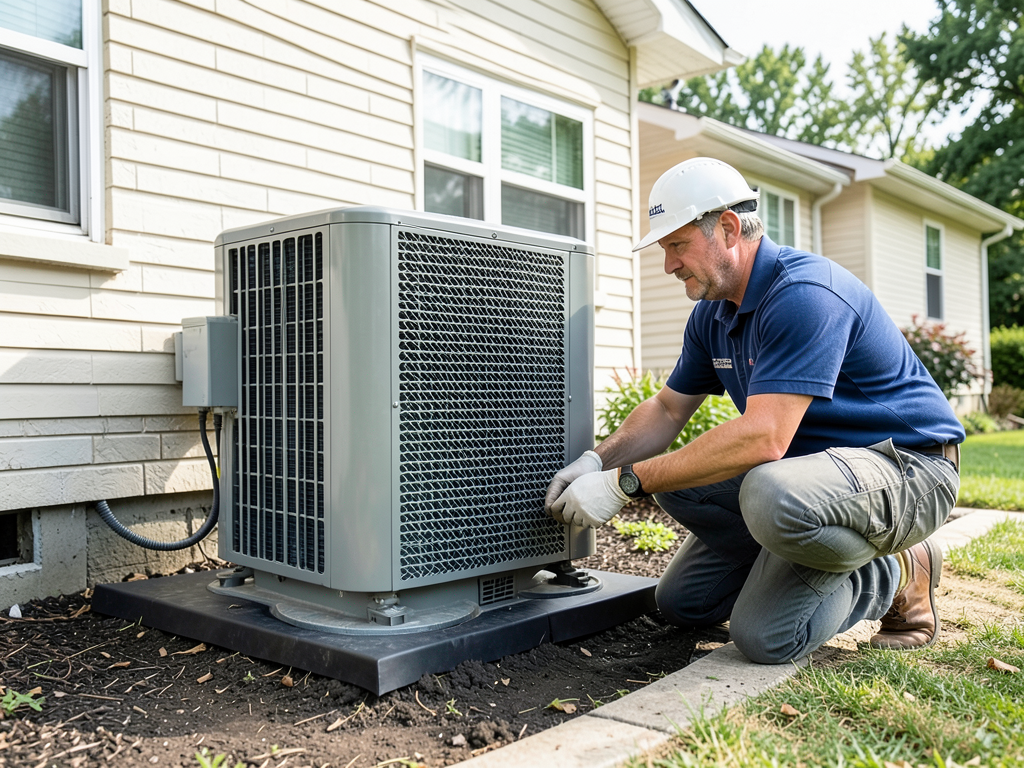
Stopping the annoying vibrations and rattles in your older Tangletown house
Your older Tangletown home deserves quiet comfort. Those rattling sounds from your HVAC system aren’t just annoying – they signal real problems that could damage your equipment and shorten its lifespan. Let’s solve this together.. Read more about How a modern HVAC system helps your Mercer Island home sell faster during a staging.
Understanding the Source: Why is Your HVAC System Vibrating?
Older homes in Tangletown face unique vibration challenges. Many were built before modern HVAC systems existed, so retrofitting creates unexpected problems. The issue usually starts with mismatched components that weren’t designed to work together.
Common vibration sources include unbalanced blower wheels that spin unevenly, loose mounting brackets that allow movement, and ductwork that resonates like a drum. The compressor cycling on and off creates sudden pressure changes that travel through refrigerant lines and copper pipes.
Seattle’s damp climate adds another layer of complexity. Moisture can cause rubber components to deteriorate faster, and the constant temperature fluctuations make metal parts expand and contract, loosening connections over time. Seattle Department of Construction & Inspections.
Listen carefully to when the vibrations occur. Do they happen when the system starts up? During specific cycles? This timing reveals which component is the culprit.
Top Vibration Dampening Solutions
Solving vibration problems requires matching the right solution to the specific source. Here are proven methods that work in Seattle’s older homes.
Isolation Pads: Your First Defense
Rubber isolation pads create a barrier between vibrating equipment and your home’s structure. They absorb movement before it reaches floors and walls. Cork pads work well for lighter equipment, while heavy-duty rubber pads handle compressors and outdoor units.
The best pads have a waffle pattern that increases surface area and improves energy absorption. Place them under every piece of HVAC equipment – not just the noisy ones.
Spring Isolators for Heavy Equipment
Spring isolators handle the heaviest vibrations from rooftop units and large compressors. They use coiled springs inside rubber housings to absorb both vertical and horizontal movement.
These work exceptionally well for heat pumps in Tangletown’s hillside homes where units must be mounted on sloped surfaces. The springs compensate for the angle while still providing vibration isolation.
Flexible Duct Connectors
Blower fans create powerful vibrations that travel through rigid ductwork. Flexible duct connectors act like shock absorbers, allowing the fan to move without transferring that motion to your walls.
Install these at every connection between the air handler and the main duct runs. They also help with temperature expansion and contraction.
Inertia Bases for Maximum Isolation
Inertia bases are heavy concrete platforms that use mass to resist vibration. They work on the principle that a heavier object moves less than a lighter one when subjected to the same force.
These are perfect for rooftop installations where wind and weather add extra stress to equipment. The added weight also helps prevent tipping in Seattle’s occasional high winds.
Seattle-Specific Considerations
Tangletown’s location near Green Lake creates unique vibration challenges. The area’s glacial till soil transmits vibrations differently than the sandy soils found closer to Puget Sound.
Washington State Building Code requires seismic restraints on all HVAC equipment. These aren’t just for earthquakes – they also help control vibration by providing secure mounting points that prevent equipment from shifting during normal operation.
Seattle’s noise ordinances limit residential HVAC noise to 45 decibels at the property line. Vibration problems often push systems over this limit, creating potential code violations.. Read more about Keeping the traffic noise of Lower Queen Anne out of your home through your vents.
The damp PNW climate means moisture-resistant materials are essential. Standard rubber pads deteriorate quickly in Seattle’s humidity. Look for EPDM rubber or marine-grade materials that resist mildew and UV damage.
Many Tangletown homes have balloon-frame construction. This older building method allows vibrations to travel freely between floors and walls. Special attention to mounting points and isolation becomes critical.
The Cost of Neglect: How Vibration Shortens HVAC Lifespan
Ignoring vibration problems costs you money. Each rattle and shake wears down components faster than normal operation would.
Refrigerant lines develop leaks when vibration causes fittings to loosen. These leaks reduce system efficiency and can lead to compressor failure – a repair that often costs more than the original installation.
Electrical connections work themselves loose from constant vibration. This creates arcing, heat buildup, and eventually complete connection failure. In worst cases, it becomes a fire hazard.
Bearings in motors and fans wear out prematurely when subjected to constant vibration. What should last 15-20 years might fail in 5-7 years instead.
Proper vibration isolation can extend HVAC system life by 15-20%. That’s thousands of dollars in avoided replacement costs and years of trouble-free operation.
Diagnostic Testing: Finding the Real Source
Before installing any solution, you need to identify the exact vibration source. Here’s how professionals diagnose these problems.
Start with a visual inspection. Look for loose bolts, cracked rubber mounts, and misaligned components. Check all mounting brackets for rust or deterioration.
Use a screwdriver test. Press the metal shaft against your ear and touch the other end to different parts of the equipment. This amplifies vibrations and helps pinpoint the source.
Feel the refrigerant lines while the system runs. Excessive vibration here indicates problems with the compressor or mounting.
Listen for changes in pitch or volume as the system cycles through different stages. This reveals whether the issue is constant or tied to specific operations.
Check ductwork connections with a flashlight. Loose seams and gaps allow vibration to escape as noise.
Installation Best Practices
Even the best vibration isolation products fail if installed incorrectly. Follow these guidelines for maximum effectiveness.
Level all equipment before installing isolation pads. An unlevel unit creates uneven pressure that reduces isolation effectiveness.
Use the right size pad for your equipment. Too small and it won’t absorb enough vibration. Too large and it creates instability.
Replace all isolation materials at the same time. Mixing old and new components creates inconsistent performance.
Secure all electrical connections after installing vibration isolation. Movement during installation can loosen wires.
Test the system after installation. Run it through all cycles and listen for any remaining vibrations.
When to Call a Professional
Some vibration problems require expert diagnosis and repair. Call a professional if you notice these signs.
Constant vibration that doesn’t improve with basic fixes. This suggests deeper structural or equipment problems.
Vibration that causes visible movement in walls or floors. This indicates serious isolation failure.
System performance issues combined with vibration. The two often occur together when major components are failing.
Unusual noises like grinding, squealing, or banging. These sounds often indicate mechanical failure.
Water leaks or condensation around vibrating equipment. Movement can cause seal failures and water damage.
Cost-Effective Solutions for Tangletown Homes
You don’t need to replace your entire HVAC system to solve vibration problems. Many effective solutions cost under $500.
Basic isolation pad installation typically runs $200-400 for a complete system. This includes all equipment and labor.
Flexible duct connectors cost $50-100 each but make a huge difference in noise reduction.
Professional vibration analysis and diagnosis runs $150-300 but can prevent you from wasting money on unnecessary repairs.
DIY solutions like adding rubber feet to equipment or tightening loose bolts cost almost nothing but often provide immediate relief.
Consider a phased approach. Start with the most problematic equipment and add solutions as needed.
Maintaining Your Vibration Solutions
Once you’ve solved your vibration problems, maintenance keeps them solved. Check isolation pads annually for cracks or compression. Preventative HVAC maintenance plans that actually save money for Redmond families.
Inspect mounting hardware twice yearly. Seattle’s temperature swings can cause bolts to loosen over time.
Clean debris from around outdoor units. Leaves and dirt can trap moisture against rubber components, accelerating deterioration.
Listen for new or changing noises during each heating and cooling season. Early detection prevents small problems from becoming big ones.
Document what solutions you’ve installed. This helps future technicians understand your system’s configuration.
Environmental Benefits of Proper Isolation
Good vibration isolation isn’t just about comfort – it’s also about efficiency. When equipment vibrates less, it runs more efficiently.
Reduced vibration means motors don’t work as hard to overcome movement. This can lower energy consumption by 5-10%.
Longer equipment life means fewer units in landfills. A system that lasts 20 years instead of 10 reduces waste significantly.
Quieter operation means less noise pollution for your neighbors. This matters in Tangletown’s close-knit community.
Better efficiency means lower carbon emissions. Every kilowatt-hour saved helps Seattle’s environmental goals.
Comparing Vibration Isolation Materials
Different materials offer different benefits. Here’s how they compare for Seattle homes.
| Material | Cost per sq ft | Moisture Resistance | Best For | Lifespan |
|---|---|---|---|---|
| Standard Rubber | $3-5 | Low | Indoor use | 3-5 years |
| EPDM Rubber | $6-8 | High | Outdoor units | 8-10 years |
| Cork Composite | $4-6 | Medium | Lightweight equipment | 5-7 years |
| Spring Isolators | $15-25 | Very High | Heavy equipment | 10-15 years |
Frequently Asked Questions
Are HVAC vibrations normal in older homes?
Some vibration is normal, but excessive rattling or shaking indicates problems that need attention. Modern systems should operate quietly.
How much does professional vibration isolation cost?
Professional installation typically costs $200-800 depending on your system size and the solutions needed. Basic pad installation starts around $200.
Can I install vibration isolation myself?
Simple solutions like adding rubber feet or tightening loose bolts are DIY-friendly. Complex isolation systems require professional installation for safety and effectiveness.
How long do vibration isolation solutions last?
Quality isolation materials last 5-15 years depending on the material and environmental conditions. Seattle’s damp climate may reduce lifespan compared to drier areas.
Will vibration isolation void my HVAC warranty?
Properly installed isolation solutions won’t void warranties. In fact, they may be required to maintain warranty coverage on some components.
What’s the difference between vibration isolation and soundproofing?
Vibration isolation stops movement at the source. Soundproofing reduces noise transmission. Both may be needed for complete noise reduction.
How do I know if my vibration problem is serious?
Serious problems cause visible movement, unusual noises, or system performance issues. If you’re unsure, professional diagnosis is worth the cost.
Take Action Today
Don’t let vibration problems damage your HVAC system or disturb your peace. The sooner you address these issues, the less expensive the solutions become.
Call (564) 220-5899 today to schedule your inspection. Our technicians understand Tangletown’s unique challenges and can recommend the right solutions for your home.
Pick up the phone and call (564) 220-5899 before the next storm hits. Seattle’s weather can make vibration problems worse, and you don’t want to discover a major issue during an emergency. Who to call for 24 hour emergency furnace repair in West Seattle.
Don’t wait for a complete system failure. Small vibrations today become expensive repairs tomorrow. Contact us now for a free consultation and take the first step toward quiet, reliable comfort in your Tangletown home. For more information, visit ASHRAE vibration standards.
{
“@context”: “https://schema.org”,
“@type”: “BlogPosting”,
“headline”: “Stopping the annoying vibrations and rattles in your older Tangletown house”,
“description”: “Tired of HVAC vibrations shaking your Tangletown home? Discover expert vibration dampening solutions for Seattle’s older homes. Call (564) 220-5899 for a free inspection.”,
“wordCount”: 1778,
“datePublished”: “2026-06-03T07:52:00.000Z”,
“dateModified”: “2026-06-03T07:52:00.000Z”,
“inLanguage”: “en-US”,
“mainEntityOfPage”: {
“@type”: “WebPage”,
“@id”: “https://peakhvacseattle.com”
},
“publisher”: {
“@type”: “LocalBusiness”,
“name”: “Peak HVAC Seattle”,
“url”: “https://peakhvacseattle.com”
},
“author”: {
“@type”: “Organization”,
“name”: “Peak HVAC Seattle”,
“url”: “https://peakhvacseattle.com”
},
“image”: {
“@type”: “ImageObject”,
“url”: “https://peakhvacseattle.com/wp-content/uploads/2026/03/stopping-the-annoying-vibrations-and-rattles-in-yo-1.png”
}
}
{
“@context”: “https://schema.org”,
“@type”: “HVACBusiness”,
“name”: “Peak HVAC Seattle”,
“url”: “https://peakhvacseattle.com”,
“address”: {
“@type”: “PostalAddress”,
“addressLocality”: “Seattle”
},
“areaServed”: {
“@type”: “City”,
“name”: “Seattle”
}
}
{
“@context”: “https://schema.org”,
“@type”: “FAQPage”,
“mainEntity”: [
{
“@type”: “Question”,
“name”: “Understanding the Source: Why is Your HVAC System Vibrating?”,
“acceptedAnswer”: {
“@type”: “Answer”,
“text”: “Older homes in Tangletown face unique vibration challenges. Many were built before modern HVAC systems existed, so retrofitting creates unexpected problems. The issue usually starts with mismatched components that weren’t designed to work together.”
}
},
{
“@type”: “Question”,
“name”: “Are HVAC vibrations normal in older homes?”,
“acceptedAnswer”: {
“@type”: “Answer”,
“text”: “Some vibration is normal, but excessive rattling or shaking indicates problems that need attention. Modern systems should operate quietly.”
}
},
{
“@type”: “Question”,
“name”: “How much does professional vibration isolation cost?”,
“acceptedAnswer”: {
“@type”: “Answer”,
“text”: “Professional installation typically costs $200-800 depending on your system size and the solutions needed. Basic pad installation starts around $200.”
}
},
{
“@type”: “Question”,
“name”: “Can I install vibration isolation myself?”,
“acceptedAnswer”: {
“@type”: “Answer”,
“text”: “Simple solutions like adding rubber feet or tightening loose bolts are DIY-friendly. Complex isolation systems require professional installation for safety and effectiveness.”
}
},
{
“@type”: “Question”,
“name”: “How long do vibration isolation solutions last?”,
“acceptedAnswer”: {
“@type”: “Answer”,
“text”: “Quality isolation materials last 5-15 years depending on the material and environmental conditions. Seattle’s damp climate may reduce lifespan compared to drier areas.”
}
},
{
“@type”: “Question”,
“name”: “Will vibration isolation void my HVAC warranty?”,
“acceptedAnswer”: {
“@type”: “Answer”,
“text”: “Properly installed isolation solutions won’t void warranties. In fact, they may be required to maintain warranty coverage on some components.”
}
},
{
“@type”: “Question”,
“name”: “What’s the difference between vibration isolation and soundproofing?”,
“acceptedAnswer”: {
“@type”: “Answer”,
“text”: “Vibration isolation stops movement at the source. Soundproofing reduces noise transmission. Both may be needed for complete noise reduction.”
}
},
{
“@type”: “Question”,
“name”: “How do I know if my vibration problem is serious?”,
“acceptedAnswer”: {
“@type”: “Answer”,
“text”: “Serious problems cause visible movement, unusual noises, or system performance issues. If you’re unsure, professional diagnosis is worth the cost.”
}
}
]
}
{
“@context”: “https://schema.org”,
“@type”: “BreadcrumbList”,
“itemListElement”: [
{
“@type”: “ListItem”,
“position”: 1,
“name”: “Home”,
“item”: “https://peakhvacseattle.com”
},
{
“@type”: “ListItem”,
“position”: 2,
“name”: “Blog”,
“item”: “https://peakhvacseattle.com/blog”
},
{
“@type”: “ListItem”,
“position”: 3,
“name”: “Stopping the annoying vibrations and rattles in your older Tangletown house”
}
]
}
{
“@context”: “https://schema.org”,
“@type”: “Service”,
“serviceType”: “HVAC”,
“provider”: {
“@type”: “LocalBusiness”,
“name”: “Peak HVAC Seattle”,
“url”: “https://peakhvacseattle.com”
},
“areaServed”: {
“@type”: “City”,
“name”: “Seattle”
},
“description”: “Tired of HVAC vibrations shaking your Tangletown home? Discover expert vibration dampening solutions for Seattle’s older homes. Call (564) 220-5899 for a free inspection.”
}