
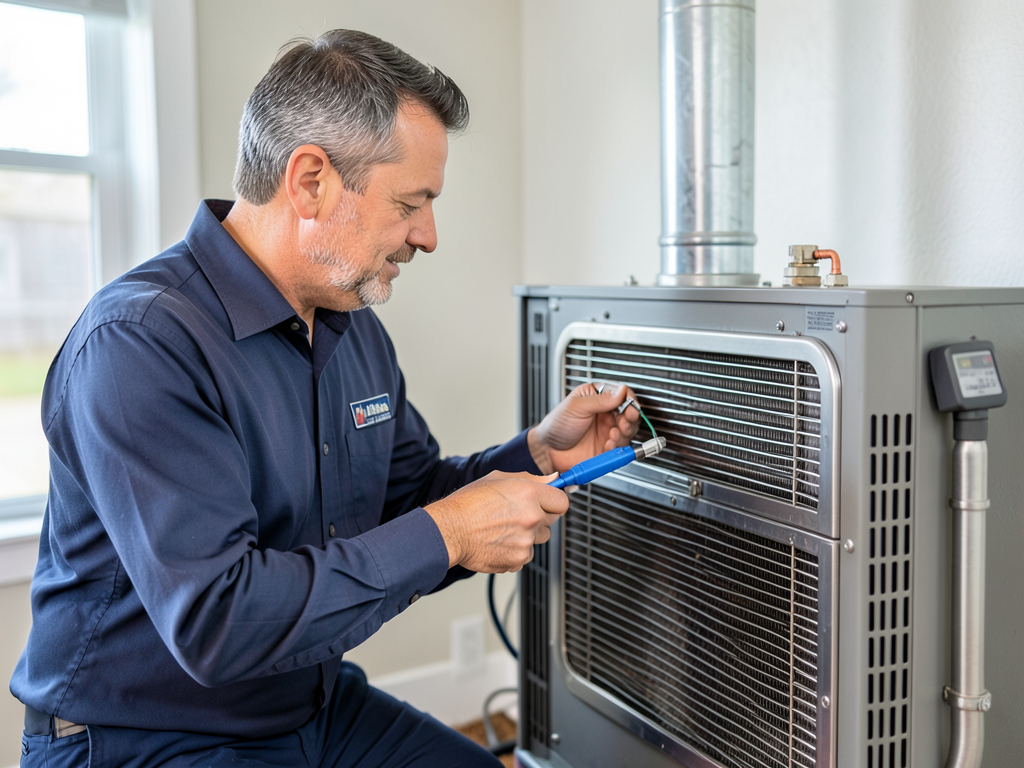
Preparing your Maple Valley furnace for the first damp days of fall
The first damp days of fall in Maple Valley arrive with a chill that seeps through older homes and tests aging heating systems. As the air turns cool and moisture levels rise, your furnace faces its first real workload since spring. This seasonal transition creates a perfect window for maintenance that prevents mid-winter breakdowns when repair calls spike and wait times grow. Who to call for 24 hour emergency furnace repair in West Seattle.
Maple Valley’s unique climate conditions make fall furnace preparation more critical than many homeowners realize. The combination of high humidity, frequent rainfall, and temperature swings creates an environment where moisture can accumulate in heat exchangers and burners. These conditions accelerate rust formation and can cause ignition problems when you need heat most. Taking action now means avoiding emergency service calls during the first cold snap when temperatures drop into the 40s and your system struggles to keep up. Weekend HVAC Service.
The damp fall weather in Maple Valley also affects indoor air quality. As homes close up for the season, dust and allergens trapped in ductwork circulate through your living spaces. A properly maintained furnace with clean filters and burners operates more efficiently and helps maintain healthier indoor air during the months when windows stay closed.. Read more about Extending the patio season with the right outdoor heating for your West Seattle deck.
Professional inspection before the heating season identifies potential issues before they become costly repairs. Technicians check for cracked heat exchangers, test carbon monoxide levels, and verify proper burner operation. These safety checks are especially important in Maple Valley homes where older furnaces may have been running for 15-20 years without comprehensive maintenance. Preventative HVAC maintenance plans that actually save money for Redmond families.
DIY maintenance tasks complement professional service. Replacing air filters, clearing debris from outdoor vents, and testing your thermostat can improve system performance. However, gas pressure adjustments, combustion analysis, and heat exchanger inspections require specialized tools and training that only licensed technicians possess.
The timing matters. Scheduling maintenance in early fall means you avoid the rush when temperatures drop and everyone discovers their furnace needs service. It also gives you time to address any issues before the first cold night when you’re counting on reliable heat. Why your Ballard home needs professional furnace repair before the first freeze.
Energy efficiency improves with proper maintenance. A clean furnace with properly calibrated controls can reduce heating costs by 10-15% compared to a neglected system. In Maple Valley where PSE rates continue to rise, these savings add up throughout the heating season. PSE heating rebates.
Safety remains the top priority. Carbon monoxide detectors should be tested and batteries replaced as part of your fall preparation routine. The combination of a well-maintained furnace and functioning CO detectors provides essential protection for your family during the heating season.
Maple Valley’s specific conditions require attention to local factors. The area’s high water table and damp soil can affect basement installations where furnaces are commonly located. Moisture control in these areas prevents rust and extends equipment life. Additionally, the frequent temperature swings common to the area stress heating systems more than in regions with more stable weather patterns.
Preparing your furnace now means comfort and safety when you need it most. The investment in maintenance pays dividends through improved efficiency, fewer breakdowns, and peace of mind during the damp Maple Valley fall and winter ahead.
10-Point Fall Furnace Checklist for Maple Valley Homes
Following a systematic approach ensures your furnace operates safely and efficiently throughout the heating season. This checklist covers the essential tasks that protect your investment and your family’s comfort.
- Replace Air Filters
Install new high-efficiency filters rated MERV 8-11 for residential systems. Clean filters improve airflow and reduce strain on the blower motor. Check filters monthly during heavy use periods.
- Test Thermostat Operation
Switch your thermostat to heat mode and verify it calls for heat correctly. Check battery levels in programmable models and ensure temperature readings match actual room conditions within 2-3 degrees.
- Inspect Vent Pipes
Examine all intake and exhaust vents for obstructions, damage, or corrosion. Clear away leaves, spider webs, and debris that accumulated during summer months. Ensure vent caps are secure and properly positioned.
- Check Pilot Light or Igniter
For standing pilot systems, verify the flame burns blue with a steady pattern. Electronic ignition systems should click and light consistently. Yellow or flickering flames indicate combustion problems requiring professional attention.
- Clean or Replace Burners
Remove dust and debris from burner assemblies using compressed air or soft brushes. Dirty burners cause incomplete combustion, reducing efficiency and creating soot buildup. Professional cleaning ensures proper fuel-air mixture. Commercial Duct Cleaning.
- Inspect Heat Exchanger
Look for cracks, rust, or corrosion on the heat exchanger surface. Even small cracks can allow carbon monoxide to enter living spaces. This inspection requires removing panels and should be done by qualified technicians.
- Lubricate Moving Parts
Apply appropriate lubricant to blower motor bearings, fan shafts, and other moving components. Well-lubricated parts reduce friction, lower energy consumption, and extend equipment life. Use manufacturer-recommended lubricants only.
- Test Safety Controls
Verify limit switches, rollout switches, and pressure switches function correctly. These safety devices prevent dangerous conditions like overheating or gas leaks. Professional testing ensures all safety systems operate as designed.
- Check Gas Connections
Inspect all gas fittings for leaks using approved leak detection solution. Listen for hissing sounds and smell for gas odors around connections. Gas leaks require immediate professional repair and pose serious safety hazards.
- Verify Carbon Monoxide Detectors
Test all CO detectors in your home and replace batteries. Install additional detectors near bedrooms if needed. Detectors should be replaced every 5-7 years as sensors degrade over time.
DIY vs Professional Furnace Maintenance: What You Can Handle
Understanding the difference between DIY tasks and professional requirements helps you maintain your system safely while avoiding costly mistakes. Some maintenance tasks are perfect for homeowners, while others require specialized training and equipment.
| DIY Maintenance Tasks | Professional Service Requirements | Safety Considerations |
|---|---|---|
| Replace air filters monthly | Combustion analysis testing | Gas line inspection requires special tools |
| Clear debris from vents | Heat exchanger inspection | Cracked exchangers leak carbon monoxide |
| Test thermostat operation | Gas pressure adjustment | Incorrect pressure causes safety hazards |
| Check thermostat batteries | Electrical component testing | High-voltage components require expertise |
| Vacuum accessible areas | Motor and bearing lubrication | Wrong lubricants damage components |
Homeowners can safely handle basic maintenance that doesn’t involve gas, electricity, or combustion systems. Filter replacement takes 5 minutes and improves system efficiency immediately. Clearing leaves and debris from outdoor vents prevents airflow restrictions that stress your furnace.
However, tasks involving gas connections, electrical testing, or combustion analysis require professional expertise. A technician uses calibrated instruments to measure gas pressure, test for carbon monoxide leaks, and verify proper burner operation. These measurements ensure your system operates within safe parameters.
The cost difference between DIY and professional service reflects the training, tools, and insurance that licensed technicians carry. While changing a filter costs under $20, a comprehensive tune-up typically ranges from $150-300. This investment includes safety testing that could prevent carbon monoxide poisoning or house fires.
Professional service also includes documentation of system condition, which helps track aging equipment and plan for replacement timing. This information proves valuable when warranty claims arise or when selling your home.
Attempting complex repairs without proper training often creates more expensive problems. A homeowner who improperly adjusts gas pressure might cause incomplete combustion, leading to soot buildup or carbon monoxide production. These issues require professional correction and may void equipment warranties.
The ideal approach combines regular DIY maintenance with annual professional service. This partnership keeps your system running efficiently while ensuring all safety systems function correctly.
Energy Savings and Rebates Available in Washington State
Proper furnace maintenance delivers immediate energy savings while qualifying you for utility rebates and tax incentives. Washington State offers several programs that reward homeowners for improving heating system efficiency. Washington State DOH CO safety.
Puget Sound Energy provides rebates for high-efficiency furnace installations and maintenance plans. Customers with furnaces over 15 years old may qualify for rebates up to $500 when upgrading to ENERGY STAR certified equipment. These rebates require installation by certified contractors and proper permitting.
The Washington State Department of Commerce offers weatherization assistance for income-qualified households. This program includes furnace inspection, duct sealing, and insulation improvements that reduce heating costs by 20-30%. Eligibility depends on household income and home ownership status.
Federal tax credits for high-efficiency heating equipment remain available through 2026. Homeowners installing furnaces with AFUE ratings above 95% may qualify for credits covering 10% of equipment costs up to $300. These credits apply to both new installations and replacement systems.
Local utilities offer time-of-use rates that reward off-peak energy consumption. Programming your thermostat to reduce heating during peak hours can lower monthly bills by 10-15%. Smart thermostats that automatically adjust based on occupancy and utility rates maximize these savings.
Maintenance directly impacts energy efficiency. A clean furnace with properly calibrated controls operates at peak efficiency, reducing energy consumption by 10-15% compared to neglected equipment. This translates to $100-300 in annual savings for the average Maple Valley home.
Duct sealing and insulation improvements complement furnace maintenance. Leaky ducts can waste 20-30% of heated air before it reaches living spaces. Professional duct testing identifies leaks, and sealing them improves system efficiency while enhancing comfort.
Programmable thermostats offer another avenue for savings. Setting back temperatures 7-10 degrees for 8 hours daily can reduce heating costs by 10%. Modern smart thermostats learn your schedule and make automatic adjustments for optimal efficiency.
The combination of maintenance, efficiency upgrades, and available rebates creates a compelling return on investment. Most homeowners recover maintenance costs through energy savings within one heating season while qualifying for additional incentives.
Warning Signs: When to Call a Professional Immediately
Certain furnace problems require immediate professional attention to prevent safety hazards or equipment damage. Recognizing these warning signs helps you respond appropriately when your heating system shows distress signals.
Yellow or flickering burner flames indicate incomplete combustion. While blue flames burn cleanly and efficiently, yellow flames suggest the burner isn’t getting enough air or has a fuel mixture problem. This condition produces carbon monoxide and requires immediate shutdown and professional service.
Unusual noises from your furnace often signal mechanical problems. Banging sounds when the system starts may indicate delayed ignition, where gas builds up before igniting with a small explosion. Squealing noises suggest bearing wear in the blower motor, while rattling could mean loose components or failing heat exchangers.
Short cycling occurs when your furnace turns on and off rapidly without completing a full heating cycle. This behavior wastes energy, stresses components, and indicates problems ranging from dirty filters to failing thermostats or control boards. Continuous short cycling requires professional diagnosis.
Gas odors around your furnace demand immediate evacuation and emergency service. Natural gas has an additive that creates a rotten egg smell for leak detection. If you smell gas, leave the building immediately, avoid using any electrical switches, and call your gas utility from a safe location.
Carbon monoxide detector alarms require urgent attention even if your furnace seems to operate normally. CO is odorless and colorless, and symptoms of exposure include headaches, dizziness, and nausea. If alarms sound, ventilate the area and have your heating system inspected before resuming operation.
Water leaks around your furnace may indicate condensation problems or internal component failure. Modern high-efficiency furnaces produce condensation that must drain properly. Clogged condensate lines or cracked heat exchangers can cause water damage and safety hazards.
Age matters significantly. Furnaces over 15-20 years old operate less efficiently and experience more frequent breakdowns. If your system requires frequent repairs or struggles to maintain comfortable temperatures, replacement may prove more economical than continued repairs.
Professional inspection becomes critical when warning signs appear. Licensed technicians have the tools and training to diagnose problems safely, test for carbon monoxide, and verify proper operation. They can also identify when replacement makes more sense than repair.
Emergency service availability matters when problems arise. Choose a contractor who offers 24/7 emergency response and can provide same-day service for critical heating failures. The first cold night of fall is not when you want to discover your contractor is booked for weeks.
Safety always trumps cost considerations. The expense of professional repair pales compared to the risks of carbon monoxide poisoning, house fires, or gas explosions that can result from neglected furnace problems.
Frequently Asked Questions
How often should I replace my furnace filter?
Replace standard 1-inch filters every 30-60 days during heating season. High-efficiency filters may last 90 days, but check them monthly. Homes with pets or allergies may need more frequent changes. Clean filters improve airflow and reduce energy costs.
What’s the ideal thermostat setting for fall in Maple Valley?
Set your thermostat to 68-70°F when home and awake. Lower to 60-65°F when sleeping or away for 8+ hours. Each degree reduction can save 3-5% on heating costs. Smart thermostats automate these adjustments for optimal comfort and efficiency.
How long does a professional furnace tune-up take?
A comprehensive tune-up typically requires 1-2 hours. Technicians inspect all components, test safety systems, clean burners, and verify proper operation. Complex repairs or additional services may extend service time. Annual maintenance prevents costly emergency repairs.
Can I clean my furnace burners myself?
Basic cleaning of accessible areas is possible, but complete burner cleaning requires removing components and proper reassembly. Improper cleaning can create dangerous combustion problems. Professional cleaning ensures correct fuel-air mixture and safe operation.
What causes my furnace to smell when I first turn it on?
Dust burning off heating elements creates a temporary odor when furnaces start after months of disuse. This smell typically lasts 30-60 minutes. Persistent odors, especially gas smells, require immediate professional inspection. Annual cleaning minimizes startup odors.
Call (564) 220-5899 today to schedule your fall furnace inspection before the damp weather arrives. Our licensed technicians provide comprehensive safety checks and maintenance that keep your family comfortable all season long. Don’t wait until the first cold snap – book your appointment now and enjoy peace of mind knowing your system is ready for whatever fall brings.
You may also find this helpful. Stopping the annoying vibrations and rattles in your older Tangletown house.
{
“@context”: “https://schema.org”,
“@type”: “BlogPosting”,
“headline”: “Preparing your Maple Valley furnace for the first damp days of fall”,
“description”: “Get your Maple Valley furnace ready for damp fall weather with our expert checklist. Prevent breakdowns and ensure efficient heating this season.”,
“wordCount”: 2347,
“datePublished”: “2026-06-01T06:40:00.000Z”,
“dateModified”: “2026-06-01T06:40:00.000Z”,
“inLanguage”: “en-US”,
“mainEntityOfPage”: {
“@type”: “WebPage”,
“@id”: “https://peakhvacseattle.com”
},
“publisher”: {
“@type”: “LocalBusiness”,
“name”: “Peak HVAC Seattle”,
“url”: “https://peakhvacseattle.com”
},
“author”: {
“@type”: “Organization”,
“name”: “Peak HVAC Seattle”,
“url”: “https://peakhvacseattle.com”
},
“image”: {
“@type”: “ImageObject”,
“url”: “https://peakhvacseattle.com/wp-content/uploads/2026/03/preparing-your-maple-valley-furnace-for-the-first-1.png”
}
}
{
“@context”: “https://schema.org”,
“@type”: “HVACBusiness”,
“name”: “Peak HVAC Seattle”,
“url”: “https://peakhvacseattle.com”,
“address”: {
“@type”: “PostalAddress”,
“addressLocality”: “Seattle”
},
“areaServed”: {
“@type”: “City”,
“name”: “Seattle”
}
}
{
“@context”: “https://schema.org”,
“@type”: “FAQPage”,
“mainEntity”: [
{
“@type”: “Question”,
“name”: “How often should I replace my furnace filter?”,
“acceptedAnswer”: {
“@type”: “Answer”,
“text”: “Replace standard 1-inch filters every 30-60 days during heating season. High-efficiency filters may last 90 days, but check them monthly. Homes with pets or allergies may need more frequent changes. Clean filters improve airflow and reduce energy costs.”
}
},
{
“@type”: “Question”,
“name”: “What’s the ideal thermostat setting for fall in Maple Valley?”,
“acceptedAnswer”: {
“@type”: “Answer”,
“text”: “Set your thermostat to 68-70°F when home and awake. Lower to 60-65°F when sleeping or away for 8+ hours. Each degree reduction can save 3-5% on heating costs. Smart thermostats automate these adjustments for optimal comfort and efficiency.”
}
},
{
“@type”: “Question”,
“name”: “How long does a professional furnace tune-up take?”,
“acceptedAnswer”: {
“@type”: “Answer”,
“text”: “A comprehensive tune-up typically requires 1-2 hours. Technicians inspect all components, test safety systems, clean burners, and verify proper operation. Complex repairs or additional services may extend service time. Annual maintenance prevents costly emergency repairs.”
}
},
{
“@type”: “Question”,
“name”: “Can I clean my furnace burners myself?”,
“acceptedAnswer”: {
“@type”: “Answer”,
“text”: “Basic cleaning of accessible areas is possible, but complete burner cleaning requires removing components and proper reassembly. Improper cleaning can create dangerous combustion problems. Professional cleaning ensures correct fuel-air mixture and safe operation.”
}
},
{
“@type”: “Question”,
“name”: “What causes my furnace to smell when I first turn it on?”,
“acceptedAnswer”: {
“@type”: “Answer”,
“text”: “Dust burning off heating elements creates a temporary odor when furnaces start after months of disuse. This smell typically lasts 30-60 minutes. Persistent odors, especially gas smells, require immediate professional inspection. Annual cleaning minimizes startup odors.”
}
}
]
}
{
“@context”: “https://schema.org”,
“@type”: “HowTo”,
“name”: “Fall Furnace Maintenance Checklist”,
“step”: [
{
“@type”: “HowToStep”,
“position”: 1,
“name”: “Replace Air Filters”,
“text”: “Install new high-efficiency filters rated MERV 8-11 for residential systems. Clean filters improve airflow and reduce strain on the blower motor. Check filters monthly during heavy use periods.”
},
{
“@type”: “HowToStep”,
“position”: 2,
“name”: “Test Thermostat Operation”,
“text”: “Switch your thermostat to heat mode and verify it calls for heat correctly. Check battery levels in programmable models and ensure temperature readings match actual room conditions within 2-3 degrees.”
},
{
“@type”: “HowToStep”,
“position”: 3,
“name”: “Inspect Vent Pipes”,
“text”: “Examine all intake and exhaust vents for obstructions, damage, or corrosion. Clear away leaves, spider webs, and debris that accumulated during summer months. Ensure vent caps are secure and properly positioned.”
},
{
“@type”: “HowToStep”,
“position”: 4,
“name”: “Check Pilot Light or Igniter”,
“text”: “For standing pilot systems, verify the flame burns blue with a steady pattern. Electronic ignition systems should click and light consistently. Yellow or flickering flames indicate combustion problems requiring professional attention.”
},
{
“@type”: “HowToStep”,
“position”: 5,
“name”: “Clean or Replace Burners”,
“text”: “Remove dust and debris from burner assemblies using compressed air or soft brushes. Dirty burners cause incomplete combustion, reducing efficiency and creating soot buildup. Professional cleaning ensures proper fuel-air mixture. Commercial Duct Cleaning.”
},
{
“@type”: “HowToStep”,
“position”: 6,
“name”: “Inspect Heat Exchanger”,
“text”: “Look for cracks, rust, or corrosion on the heat exchanger surface. Even small cracks can allow carbon monoxide to enter living spaces. This inspection requires removing panels and should be done by qualified technicians.”
},
{
“@type”: “HowToStep”,
“position”: 7,
“name”: “Lubricate Moving Parts”,
“text”: “Apply appropriate lubricant to blower motor bearings, fan shafts, and other moving components. Well-lubricated parts reduce friction, lower energy consumption, and extend equipment life. Use manufacturer-recommended lubricants only.”
},
{
“@type”: “HowToStep”,
“position”: 8,
“name”: “Test Safety Controls”,
“text”: “Verify limit switches, rollout switches, and pressure switches function correctly. These safety devices prevent dangerous conditions like overheating or gas leaks. Professional testing ensures all safety systems operate as designed.”
},
{
“@type”: “HowToStep”,
“position”: 9,
“name”: “Check Gas Connections”,
“text”: “Inspect all gas fittings for leaks using approved leak detection solution. Listen for hissing sounds and smell for gas odors around connections. Gas leaks require immediate professional repair and pose serious safety hazards.”
},
{
“@type”: “HowToStep”,
“position”: 10,
“name”: “Verify Carbon Monoxide Detectors”,
“text”: “Test all CO detectors in your home and replace batteries. Install additional detectors near bedrooms if needed. Detectors should be replaced every 5-7 years as sensors degrade over time.”
}
],
“image”: “https://peakhvacseattle.com/wp-content/uploads/2026/03/preparing-your-maple-valley-furnace-for-the-first-1.png”
}
{
“@context”: “https://schema.org”,
“@type”: “BreadcrumbList”,
“itemListElement”: [
{
“@type”: “ListItem”,
“position”: 1,
“name”: “Home”,
“item”: “https://peakhvacseattle.com”
},
{
“@type”: “ListItem”,
“position”: 2,
“name”: “Blog”,
“item”: “https://peakhvacseattle.com/blog”
},
{
“@type”: “ListItem”,
“position”: 3,
“name”: “Preparing your Maple Valley furnace for the first damp days of fall”
}
]
}
{
“@context”: “https://schema.org”,
“@type”: “Service”,
“serviceType”: “HVAC”,
“provider”: {
“@type”: “LocalBusiness”,
“name”: “Peak HVAC Seattle”,
“url”: “https://peakhvacseattle.com”
},
“areaServed”: {
“@type”: “City”,
“name”: “Seattle”
},
“description”: “Get your Maple Valley furnace ready for damp fall weather with our expert checklist. Prevent breakdowns and ensure efficient heating this season.”
}