
Meeting strict Blue Ridge HOA noise rules with a whisper-quiet outdoor AC unit
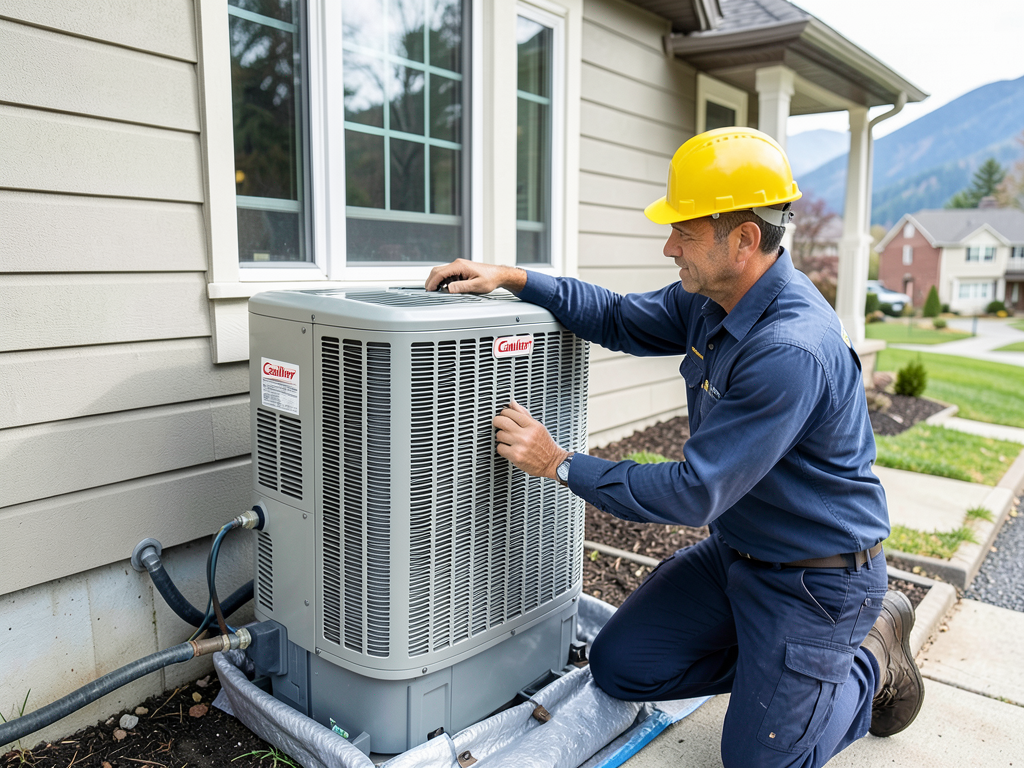
Blue Ridge homeowners face a unique challenge when installing air conditioning. Seattle’s humid summers drive demand for cooling, but many Blue Ridge HOAs enforce strict noise ordinances that limit outdoor unit sound levels to near-whisper levels. Understanding local regulations, choosing the right equipment, and following proper installation techniques can help you achieve both comfort and compliance. Seattle Municipal Code 25.08.
Seattle Municipal Code 25.08 restricts noise levels to 55 decibels at property lines during daytime hours. Many Blue Ridge HOAs adopt even stricter standards, often capping outdoor AC noise at 50-52 dB. This makes standard units unacceptable and requires specialized quiet technology.
Understanding Blue Ridge HOA noise requirements and Seattle sound ordinances
Blue Ridge HOAs typically reference Seattle’s noise code but add their own architectural review committee (ARC) requirements. The ARC evaluates not just decibel levels but also unit placement, visual screening, and vibration control. Most associations require a pre-installation review and signed compliance documentation.
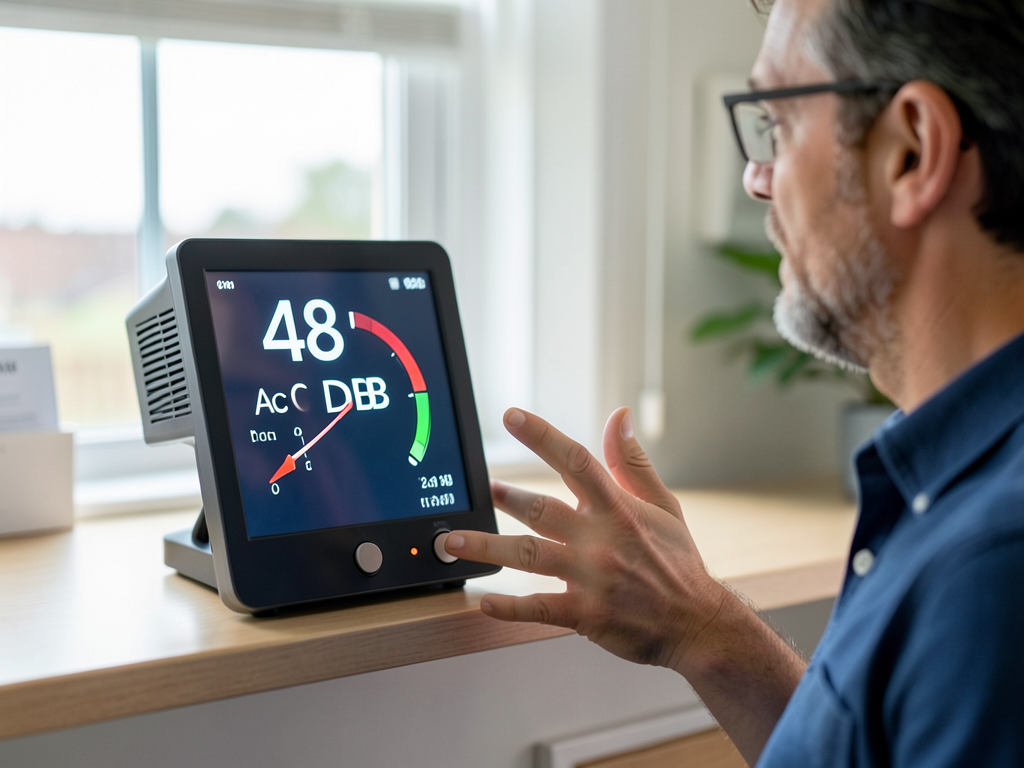
Sound measurement for AC units uses two metrics: sound power level (manufacturing spec) and sound pressure level (field measurement). HOAs care about the latter since it accounts for your specific installation environment. Blue Ridge properties often have zero-lot-line configurations where sound bounces off neighboring homes, amplifying noise issues.
Seattle’s marine climate affects sound transmission. The damp air holds sound waves longer than dry climates, meaning a 50 dB unit in Phoenix might measure 52-53 dB in Blue Ridge. This climate factor is why local HVAC contractors must understand regional acoustic behavior.
Top 5 quietest AC units for Blue Ridge HOA compliance in 2026
Choosing the right unit requires balancing noise performance with Seattle’s cooling demands. Here are the top performers that meet most Blue Ridge HOA requirements:
| Model | Sound Level (dB) | SEER2 Rating | Compressor Type |
|---|---|---|---|
| Carrier Infinity 24ANB7 | 51 | 18.5 | Inverter |
| Mitsubishi Electric MSZ-FH | 47 | N/A (ductless) | Inverter |
| Lennox SL28XCV | 49 | 28 | Variable-speed |
| Daikin DX16TC | 53 | 16 | Two-stage |
| Trane XV18 | 55 | 18 | Variable-speed |
The Carrier Infinity with Greenspeed Intelligence leads for central AC systems, while the Mitsubishi Electric P-Series dominates ductless applications. Both use inverter technology that continuously adjusts compressor speed rather than cycling on and off.
Best central air: Carrier Infinity with Greenspeed Intelligence
This unit achieves 51 dB operation through its variable-speed compressor that modulates between 40-100% capacity. The sound blanket around the compressor and the swept-wing fan blade design reduce turbulence noise. In Seattle’s climate, it maintains 45-50 dB most of the time since it rarely runs at full capacity.
Diagnostic tip: Listen for the compressor’s hum pattern. A healthy Carrier inverter produces a consistent, low-frequency hum. Clicking or surging sounds indicate control board issues that increase noise output.
Best ductless/heat pump: Mitsubishi Electric P-Series
Ductless systems eliminate duct losses and allow strategic indoor unit placement away from bedrooms. The P-Series outdoor units operate at 47 dB while delivering 9,000-36,000 BTU. The Hyper-Heating INVERTER technology maintains performance in Blue Ridge’s occasional cold snaps.
Installation consideration: Mount the outdoor unit on a concrete pad with vibration isolators. The rubber mounts prevent structure-borne noise that transmits through walls to neighboring properties.
Best budget-friendly quiet option: Lennox SL28XCV
While slightly louder at 49 dB, the Lennox offers exceptional efficiency (SEER2 28) that reduces run time. The integrated sound muffler and compressor sound cover bring noise levels down to HOA-compliant ranges for most Blue Ridge properties.
How inverter technology reduces noise pollution
Inverter compressors revolutionize quiet operation through continuous modulation. Instead of the abrupt on/off cycles of single-stage units, inverters adjust compressor speed in 1% increments. This eliminates the loud startup surge that disturbs neighbors.
The technology works like a car’s cruise control. When outdoor temperatures are moderate, the compressor runs at 30-40% capacity, producing minimal noise while maintaining precise temperature control. During Seattle’s rare heat waves, it ramps up smoothly without the jarring sound of traditional units.
Sound measurement reveals why inverters excel. A traditional 3-ton unit might spike to 72 dB on startup, then drop to 62 dB during operation. An inverter might maintain 48-52 dB continuously. The average noise exposure drops significantly even if peak levels appear similar on paper.
Installation strategies to further dampen sound
Even the quietest unit can become a noise problem with poor installation. Professional contractors use multiple strategies to ensure HOA compliance:
- Vibration isolation
Install rubber isolation pads under the unit to prevent structure-borne vibration. Test by placing a glass of water on the pad during operation – minimal ripples indicate effective isolation.
- Strategic placement
Position units away from bedroom windows and property lines. In Blue Ridge’s narrow lots, place units in corners where sound reflects away from neighbors rather than between houses.
- Sound blankets and barriers
Install manufacturer-approved sound blankets around compressors. Add acoustic fencing or plantings to create sound barriers without blocking airflow.
- Proper mounting
Use spring-loaded vibration isolators for rooftop installations. Check all mounting bolts for tightness after the first 24 hours of operation.
Sound travels differently in Seattle’s humid air. Test installations during both calm and breezy conditions. Wind can carry sound farther, while calm conditions allow sound to reflect off surfaces more directly.
Navigating the HOA approval process in the Puget Sound area
Blue Ridge HOAs typically require a detailed submittal package including equipment specifications, installation plans, and noise certification. Start by reviewing your CC&Rs for specific requirements. Many associations have pre-approved equipment lists that simplify approval.
Prepare a submittal packet with:
- Manufacturer’s sound performance data (include dB measurements at 3 feet, 10 feet, and 25 feet)
- Installation drawings showing unit location relative to property lines
- Noise study if required (some HOAs require third-party acoustic analysis)
- Manufacturer’s warranty documentation
- Contractor’s license and insurance certificates
Schedule a pre-application meeting with the ARC. Bring decibel meter readings from similar installations if available. Some contractors maintain a portfolio of successful Blue Ridge installs that demonstrate compliance.
Common approval pitfalls include undersized units that run continuously, improper placement that violates setback rules, and failing to address vibration concerns. Address these proactively in your submittal.
Frequently Asked Questions
What’s the quietest AC unit that will still cool my Seattle home effectively?
Units operating at 47-51 dB provide the best balance. The Mitsubishi P-Series at 47 dB handles most Seattle homes up to 1,500 square feet. For larger homes, the Carrier Infinity at 51 dB delivers whole-house cooling while meeting strict HOA requirements.
How do I prove my AC unit meets HOA noise requirements?
Request sound certification from the manufacturer showing decibel levels at various distances. Some contractors use third-party acoustic testing to verify field performance. Keep all documentation for ARC review and future reference.
Can I install a quiet unit myself to save money?
Washington State requires HVAC licenses for installation. DIY installation voids warranties and may violate electrical and mechanical codes. Improper installation often increases noise levels beyond manufacturer specifications.
What if my neighbor complains about AC noise after installation?
Document your installation with photos and sound measurements. If noise exceeds specifications, check for loose components, improper mounting, or debris in the fan. Most noise complaints stem from installation issues rather than equipment problems.
Are heat pumps quieter than traditional AC units?
Modern inverter heat pumps operate at similar or lower noise levels than AC-only units. The Carrier Infinity heat pump matches its AC counterpart at 51 dB. Heat pumps offer year-round efficiency benefits for Seattle’s climate.
Call (564) 220-5899 today to schedule your inspection. Our technicians understand Blue Ridge HOA requirements and can recommend the perfect quiet cooling solution for your home.
Don’t let noise restrictions prevent you from enjoying comfortable summers. Pick up the phone and call (564) 220-5899 before the next heat wave hits. We’ll handle the technical details and HOA paperwork so you can relax in cool comfort. For more information, visit ASHRAE standards for HVAC noise.
[IMAGE_PLACEHOLDER_3>
{
“@context”: “https://schema.org”,
“@type”: “BlogPosting”,
“headline”: “Meeting strict Blue Ridge HOA noise rules with a whisper-quiet outdoor AC unit”,
“description”: “Find the quietest AC units that meet Blue Ridge HOA noise regulations. Learn Seattle decibel limits, sound-dampening tech, and how to get HOA approval.”,
“wordCount”: 1300,
“datePublished”: “2026-04-18T14:03:00.000Z”,
“dateModified”: “2026-04-18T14:03:00.000Z”,
“inLanguage”: “en-US”,
“mainEntityOfPage”: {
“@type”: “WebPage”,
“@id”: “https://peakhvacseattle.com”
},
“publisher”: {
“@type”: “LocalBusiness”,
“name”: “Peak HVAC Seattle”,
“url”: “https://peakhvacseattle.com”
},
“author”: {
“@type”: “Organization”,
“name”: “Peak HVAC Seattle”,
“url”: “https://peakhvacseattle.com”
},
“image”: {
“@type”: “ImageObject”,
“url”: “https://peakhvacseattle.com/wp-content/uploads/2026/03/meeting-strict-blue-ridge-hoa-noise-rules-with-a-w-1.png”
}
}
{
“@context”: “https://schema.org”,
“@type”: “HVACBusiness”,
“name”: “Peak HVAC Seattle”,
“url”: “https://peakhvacseattle.com”,
“address”: {
“@type”: “PostalAddress”,
“addressLocality”: “Seattle”
},
“areaServed”: {
“@type”: “City”,
“name”: “Seattle”
}
}
{
“@context”: “https://schema.org”,
“@type”: “FAQPage”,
“mainEntity”: [
{
“@type”: “Question”,
“name”: “What’s the quietest AC unit that will still cool my Seattle home effectively?”,
“acceptedAnswer”: {
“@type”: “Answer”,
“text”: “Units operating at 47-51 dB provide the best balance. The Mitsubishi P-Series at 47 dB handles most Seattle homes up to 1,500 square feet. For larger homes, the Carrier Infinity at 51 dB delivers whole-house cooling while meeting strict HOA requirements.”
}
},
{
“@type”: “Question”,
“name”: “How do I prove my AC unit meets HOA noise requirements?”,
“acceptedAnswer”: {
“@type”: “Answer”,
“text”: “Request sound certification from the manufacturer showing decibel levels at various distances. Some contractors use third-party acoustic testing to verify field performance. Keep all documentation for ARC review and future reference.”
}
},
{
“@type”: “Question”,
“name”: “Can I install a quiet unit myself to save money?”,
“acceptedAnswer”: {
“@type”: “Answer”,
“text”: “Washington State requires HVAC licenses for installation. DIY installation voids warranties and may violate electrical and mechanical codes. Improper installation often increases noise levels beyond manufacturer specifications.”
}
},
{
“@type”: “Question”,
“name”: “What if my neighbor complains about AC noise after installation?”,
“acceptedAnswer”: {
“@type”: “Answer”,
“text”: “Document your installation with photos and sound measurements. If noise exceeds specifications, check for loose components, improper mounting, or debris in the fan. Most noise complaints stem from installation issues rather than equipment problems.”
}
},
{
“@type”: “Question”,
“name”: “Are heat pumps quieter than traditional AC units?”,
“acceptedAnswer”: {
“@type”: “Answer”,
“text”: “Modern inverter heat pumps operate at similar or lower noise levels than AC-only units. The Carrier Infinity heat pump matches its AC counterpart at 51 dB. Heat pumps offer year-round efficiency benefits for Seattle’s climate.”
}
}
]
}
{
“@context”: “https://schema.org”,
“@type”: “HowTo”,
“name”: “Sound-dampening installation techniques”,
“step”: [
{
“@type”: “HowToStep”,
“position”: 1,
“name”: “Vibration isolation”,
“text”: “Install rubber isolation pads under the unit to prevent structure-borne vibration. Test by placing a glass of water on the pad during operation – minimal ripples indicate effective isolation.”
},
{
“@type”: “HowToStep”,
“position”: 2,
“name”: “Strategic placement”,
“text”: “Position units away from bedroom windows and property lines. In Blue Ridge’s narrow lots, place units in corners where sound reflects away from neighbors rather than between houses.”
},
{
“@type”: “HowToStep”,
“position”: 3,
“name”: “Sound blankets and barriers”,
“text”: “Install manufacturer-approved sound blankets around compressors. Add acoustic fencing or plantings to create sound barriers without blocking airflow.”
},
{
“@type”: “HowToStep”,
“position”: 4,
“name”: “Proper mounting”,
“text”: “Use spring-loaded vibration isolators for rooftop installations. Check all mounting bolts for tightness after the first 24 hours of operation.”
}
],
“image”: “https://peakhvacseattle.com/wp-content/uploads/2026/03/meeting-strict-blue-ridge-hoa-noise-rules-with-a-w-1.png”
}
{
“@context”: “https://schema.org”,
“@type”: “BreadcrumbList”,
“itemListElement”: [
{
“@type”: “ListItem”,
“position”: 1,
“name”: “Home”,
“item”: “https://peakhvacseattle.com”
},
{
“@type”: “ListItem”,
“position”: 2,
“name”: “Blog”,
“item”: “https://peakhvacseattle.com/blog”
},
{
“@type”: “ListItem”,
“position”: 3,
“name”: “Meeting strict Blue Ridge HOA noise rules with a whisper-quiet outdoor AC unit”
}
]
}
{
“@context”: “https://schema.org”,
“@type”: “Service”,
“serviceType”: “HVAC”,
“provider”: {
“@type”: “LocalBusiness”,
“name”: “Peak HVAC Seattle”,
“url”: “https://peakhvacseattle.com”
},
“areaServed”: {
“@type”: “City”,
“name”: “Seattle”
},
“description”: “Find the quietest AC units that meet Blue Ridge HOA noise regulations. Learn Seattle decibel limits, sound-dampening tech, and how to get HOA approval.”
}