
Keeping the traffic noise of Lower Queen Anne out of your home through your vents
Living in Lower Queen Anne means enjoying proximity to Seattle Center and downtown amenities. But it also means dealing with constant traffic noise that can invade your home through your HVAC system. The sound of cars, buses, and trucks travels through your ductwork like a megaphone, turning your vents into unwanted speakers. This guide shows you how to stop traffic noise from entering your home through your vents using proven soundproofing techniques. Seattle Department of Construction & Inspections.
The problem is especially severe in Lower Queen Anne because the neighborhood sits at a lower elevation than surrounding areas. This creates a natural sound channel where noise from Mercer Street and Aurora Avenue gets trapped and funneled into residential buildings. Your HVAC system then amplifies these sounds throughout your home.
Soundproofing your vents requires understanding how noise travels through your HVAC system. When traffic noise hits your building, it creates vibrations that travel through walls and floors. These vibrations enter your ductwork through joints and connections. Once inside, the sound bounces off the metal surfaces and gets distributed through your vents into every room. The solution involves breaking this chain of transmission at multiple points.
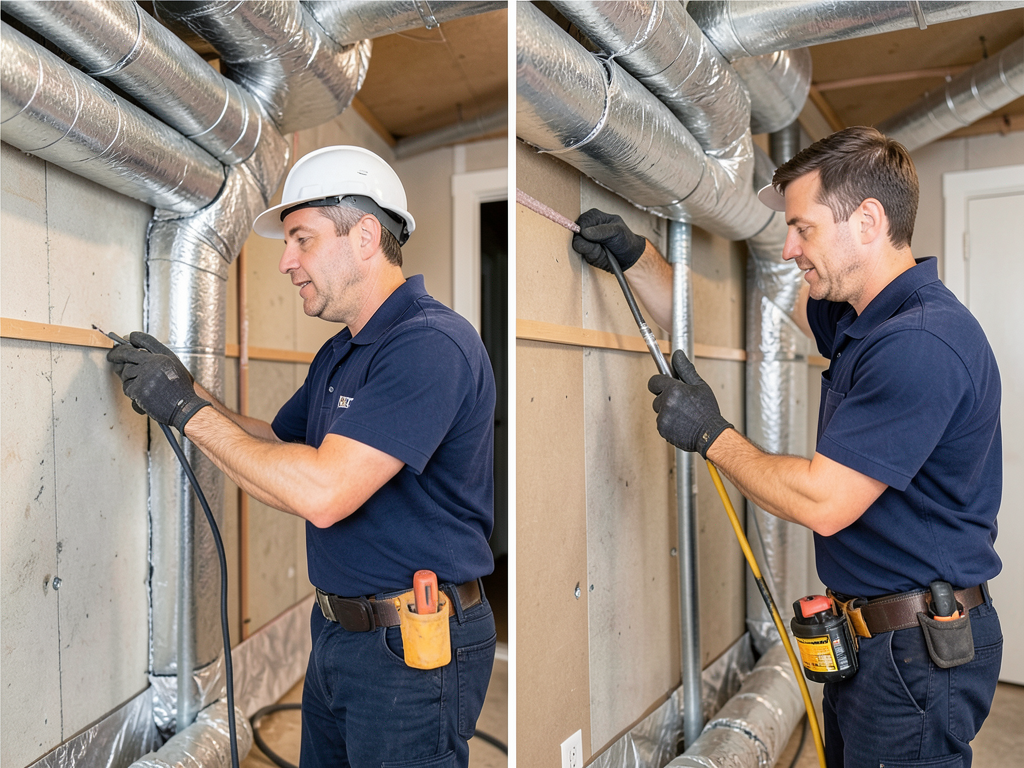
Professional soundproofing starts with an inspection of your current system. A technician will check for gaps around vents, loose ductwork connections, and inadequate insulation. They will also measure the noise levels in different rooms to identify the worst problem areas. This diagnostic process is crucial because every home has unique sound transmission patterns based on its construction and location.
The first line of defense is sealing all gaps and cracks in your ductwork. Even small openings allow significant noise transmission. Technicians use specialized acoustic sealants that remain flexible and do not crack over time. They also install vibration isolation pads under your HVAC equipment to prevent structure-borne noise from entering your system.
Next comes duct lining installation. This involves applying sound-absorbing material to the inside of your ducts. The material absorbs sound waves before they can bounce around and amplify. Professional-grade duct lining can reduce noise transmission by up to 70%. The material must be fire-resistant and meet all building code requirements for HVAC applications.
For severe noise problems, acoustic duct silencers may be installed in your main supply and return ducts. These devices use multiple layers of sound-absorbing material arranged in specific patterns to trap and dissipate sound energy. They are particularly effective at blocking low-frequency traffic noise that regular insulation cannot handle.
Another effective solution is upgrading to sound-attenuating vents. These vents have built-in baffles that redirect sound waves away from your living spaces. They look like regular vents but contain internal chambers that break up sound transmission patterns. This is a relatively simple upgrade that provides immediate noise reduction.
The effectiveness of these solutions depends on proper installation. Soundproofing materials must be installed according to manufacturer specifications. For example, duct lining requires specific overlap patterns and adhesive application. Improper installation can actually make noise problems worse by creating new vibration points.
Lower Queen Anne homes often have additional challenges due to their age and construction. Many buildings in the area were constructed before modern soundproofing standards existed. This means your walls may have minimal insulation, and your windows may not seal properly. These factors compound the HVAC noise problem and may require a whole-home approach to soundproofing.
Cost considerations vary widely based on your specific situation. Simple gap sealing might cost a few hundred dollars, while comprehensive duct lining for an entire home could run several thousand. The investment pays off through improved comfort and potentially higher property values in a noisy urban area.
Maintenance is also important for long-term noise control. Over time, duct seals can deteriorate, and vibration pads can compress. Annual inspections help identify these issues before they become major problems. A good maintenance plan includes checking all soundproofing components and making necessary adjustments. Preventative HVAC maintenance plans that actually save money for Redmond families.
The environmental impact of traffic noise extends beyond annoyance. Chronic noise exposure can lead to stress, sleep disruption, and even cardiovascular problems. By soundproofing your HVAC system, you are not just improving comfort but also protecting your health.
Modern HVAC systems offer additional noise reduction features. Variable-speed blowers operate more quietly than single-speed units. ECM motors produce less vibration and noise. When replacing your system, these features should be part of your decision-making process.
DIY approaches often fail because they do not address the root causes of noise transmission. Simply stuffing insulation in vents or taping over gaps provides minimal benefit and can actually restrict airflow. Professional solutions target the specific frequencies and transmission paths that cause the most problems.
The technology continues to improve. New materials offer better sound absorption with less bulk. Smart HVAC systems can adjust fan speeds based on noise levels. These innovations make professional soundproofing more effective and affordable than ever before.
Living in a vibrant urban area like Lower Queen Anne does not mean accepting constant noise intrusion. With the right soundproofing approach, you can enjoy the benefits of city living without the drawbacks of traffic noise. The key is understanding how sound travels through your home and implementing solutions that address all transmission paths.
Your home should be a sanctuary from the outside world. Traffic noise through your vents violates that principle. By investing in professional soundproofing, you reclaim your living space and create the peaceful environment you deserve.
Understanding How Traffic Noise Enters Through Your Vents
Traffic noise enters your home through multiple pathways, but your HVAC system creates the most efficient transmission route. Sound waves from traffic create pressure variations in the air. These variations travel through any opening they can find, including the small gaps around your vent covers.
Once inside your ductwork, sound behaves differently than in open air. The metal surfaces reflect sound waves, creating standing waves that amplify certain frequencies. This amplification effect can make traffic noise seem much louder inside your home than it actually is outside.
The shape and size of your ducts also affect noise transmission. Rectangular ducts tend to amplify certain frequencies more than round ducts. The length of your duct runs matters too. Longer runs give sound more time to build up and amplify before reaching your living spaces.
Low-frequency sounds from trucks and buses are particularly problematic. These frequencies can travel through solid materials more easily than high-frequency sounds. They also create vibrations that can travel through your home’s structure and enter your HVAC system from unexpected directions.
Understanding these transmission mechanisms helps explain why simple solutions often fail. Covering vents with cloth or stuffing insulation in openings does not address the underlying physics of sound transmission through your HVAC system.
Professional Soundproofing Solutions for Lower Queen Anne Homes
Professional soundproofing addresses all the ways traffic noise enters your home through your vents. The process starts with a comprehensive assessment of your current system. Technicians use specialized equipment to measure noise levels at different points in your HVAC system.
Based on this assessment, they develop a customized solution that targets your specific noise problems. This might include sealing gaps, installing duct lining, adding acoustic silencers, or upgrading your vents. The goal is to reduce noise transmission by at least 50%, with many solutions achieving 70% or better reduction.
Professional installation is crucial for effectiveness. Soundproofing materials must be installed according to specific patterns and specifications. For example, duct lining requires precise overlap and adhesive application to create an effective sound barrier.
Technicians also consider your home’s unique characteristics. Older buildings in Lower Queen Anne may have different construction methods that affect sound transmission. The solution must account for these factors to be truly effective.
The investment in professional soundproofing pays off through improved comfort and potentially higher property values. In a noisy urban area like Lower Queen Anne, homes with effective noise control command premium prices.
Cost Factors for HVAC Soundproofing in Seattle
The cost of soundproofing your HVAC system varies based on several factors. The size of your home affects the amount of material needed. Larger homes require more duct lining and more acoustic treatment.
The condition of your existing ductwork also impacts cost. If your ducts have many gaps or loose connections, more sealing work will be required. Older systems may need additional repairs before soundproofing can be effective. EPA noise pollution information.
The severity of your noise problem affects the solution complexity. Homes with extreme noise levels may need multiple soundproofing methods, increasing the overall cost. However, the investment is often justified by the dramatic improvement in quality of life.
Professional installation adds to the cost but ensures effectiveness. DIY attempts often fail and can lead to additional expenses when professional correction is needed. The peace of mind from guaranteed results is worth the premium.
Many homeowners find that soundproofing costs are offset by energy savings. Sealed and insulated ducts improve HVAC efficiency, reducing utility bills. The improved system performance can pay for the soundproofing investment over time.
Maintenance and Long-Term Noise Control
Soundproofing your HVAC system is not a one-time fix. Over time, materials can degrade, seals can crack, and new noise pathways can develop. Regular maintenance ensures your soundproofing remains effective.
Annual inspections should check all soundproofing components. This includes examining duct seals, checking vibration pads, and testing noise levels in different rooms. Early detection of problems prevents major noise issues from developing.
Filter changes also affect noise transmission. Dirty filters can create turbulence that amplifies sound. Using the right filter type and changing it regularly helps maintain optimal noise control.
System upgrades may be needed as technology improves. New soundproofing materials and techniques become available regularly. Staying current with these developments can provide additional noise reduction benefits.
Environmental changes can affect noise levels too. New construction nearby or changes in traffic patterns may create new noise challenges. Your soundproofing strategy should be flexible enough to adapt to these changes.
Health Benefits of Noise Reduction
Chronic noise exposure has serious health consequences. Traffic noise has been linked to increased stress levels, sleep disruption, and even cardiovascular problems. By reducing noise transmission through your HVAC system, you are protecting your health.
Sleep quality improves dramatically when traffic noise is reduced. The constant low-level noise from traffic can prevent deep sleep cycles, leading to fatigue and reduced cognitive function. Soundproofing creates the quiet environment needed for restorative sleep.
Stress levels decrease when your home becomes a true sanctuary from urban noise. The constant background noise of traffic creates a low-level stress response that affects your overall wellbeing. Removing this stressor improves your quality of life.
Children and elderly family members are particularly sensitive to noise disruption. Soundproofing creates a healthier environment for all household members, regardless of age or health status.
The mental health benefits of a quiet home extend beyond physical health. A peaceful environment reduces anxiety and improves overall mood. This creates a more positive home atmosphere for everyone.
Modern HVAC Technology for Noise Reduction
Modern HVAC systems offer features that help reduce noise transmission. Variable-speed blowers operate more quietly than traditional single-speed units. They can adjust their speed based on demand, reducing noise during low-load conditions.
ECM motors produce less vibration and noise than traditional motors. They also operate more efficiently, providing energy savings along with noise reduction benefits.
Smart HVAC controls can optimize system operation for noise reduction. They can schedule high-noise operations for times when you are away from home and maintain quiet operation during sleeping hours.
Advanced filtration systems can also help with noise control. High-quality filters reduce turbulence that can amplify sound. Some systems include sound-dampening features built into the filter housing.
When replacing your HVAC system, consider noise reduction as a key feature. The initial investment in quieter equipment pays off through improved comfort and potentially higher property values.
DIY vs Professional Soundproofing
Many homeowners attempt DIY soundproofing before calling professionals. While some DIY methods can provide minor improvements, they often fail to address the root causes of noise transmission.
Simple solutions like covering vents with cloth or stuffing insulation in openings provide minimal benefit. These methods can actually restrict airflow and reduce HVAC efficiency. They also tend to fall apart quickly, requiring constant maintenance.
Professional soundproofing addresses all transmission paths and uses materials specifically designed for sound control. Technicians have the tools and knowledge to identify all noise sources and implement comprehensive solutions.
The cost difference between DIY and professional work is often smaller than expected when you factor in the effectiveness and longevity of the solutions. Professional work typically includes warranties and guarantees that DIY cannot match.
Time is another consideration. Professional installation is usually completed in a day or two, while DIY projects can drag on for weeks or months. The faster you solve your noise problem, the sooner you can enjoy the benefits.
Environmental Considerations
Soundproofing your HVAC system has environmental benefits beyond noise reduction. Sealed and insulated ducts improve energy efficiency, reducing your carbon footprint. This is particularly important in Seattle, where environmental consciousness is high.
Many soundproofing materials are now made from recycled content or are recyclable themselves. Choosing eco-friendly materials supports sustainability goals while solving your noise problems.
Energy savings from improved HVAC efficiency can be substantial. Sealed ducts prevent conditioned air from escaping, reducing the energy needed to heat or cool your home. This translates to lower utility bills and reduced environmental impact.
The long-term durability of professional soundproofing materials means less waste over time. Quality materials last for decades, reducing the need for replacement and the associated environmental costs.
Living in a city like Seattle means being part of a community that values environmental responsibility. Soundproofing your home contributes to the overall quality of life in your neighborhood while supporting sustainability goals.
Future Trends in HVAC Soundproofing
The field of HVAC soundproofing continues to evolve. New materials offer better sound absorption with less bulk. These innovations make soundproofing more effective and affordable than ever before.
Smart building technology is integrating noise control into overall home automation. Systems can now monitor noise levels and automatically adjust HVAC operation to minimize sound transmission.
3D printing technology is enabling custom soundproofing solutions. Components can be printed to exact specifications for your home’s unique noise profile. This customization improves effectiveness while potentially reducing costs.
Materials science continues to advance. New sound-absorbing materials are lighter, more effective, and more environmentally friendly than previous options. These developments make soundproofing accessible to more homeowners. The best air conditioning options for bungalows and cottages around Green Lake.
The trend toward sustainable building practices is driving innovation in soundproofing. Manufacturers are developing materials that provide excellent noise control while meeting strict environmental standards.
Choosing the Right Soundproofing Solution
Selecting the right soundproofing solution requires understanding your specific noise problems. A professional assessment can identify the frequencies and transmission paths that cause the most issues in your home.
Your budget and priorities also influence the solution choice. Some homeowners prioritize maximum noise reduction, while others balance cost with effectiveness. A good soundproofing company will work with you to find the right solution for your needs. Why your Ballard home needs professional furnace repair before the first freeze.
Consider the long-term benefits when making your decision. While some solutions have higher upfront costs, they often provide better long-term value through improved effectiveness and durability.
The age and condition of your HVAC system may influence your choices. If your system is old, it might make sense to combine soundproofing with system replacement for maximum benefit.
Local building codes and regulations may affect your options. Professional installers understand these requirements and can ensure your soundproofing solution meets all applicable standards.
Living with Urban Noise
Living in a vibrant urban area like Lower Queen Anne means accepting some level of noise. However, you do not have to accept noise intrusion into your home through your HVAC system. Modern soundproofing technology makes it possible to enjoy city living without the constant noise pollution.
The key is taking a comprehensive approach to noise control. This means addressing all transmission paths, not just the obvious ones. Professional assessment and installation ensure that no noise pathway is overlooked.
Your home should be a sanctuary from the outside world. Traffic noise through your vents violates that principle. By investing in professional soundproofing, you reclaim your living space and create the peaceful environment you deserve.
The benefits extend beyond just noise reduction. Improved sleep, reduced stress, and better overall health are all outcomes of effective soundproofing. These improvements in quality of life make the investment worthwhile.
Don’t let traffic noise rob you of the comfort and peace you deserve in your own home. Professional soundproofing solutions are available and effective. Take the first step toward a quieter home today.
Frequently Asked Questions
How much does HVAC soundproofing cost in Lower Queen Anne?
Costs typically range from $500 for basic gap sealing to $3,000-$5,000 for comprehensive duct lining and acoustic treatment. The exact cost depends on your home’s size, existing ductwork condition, and the severity of your noise problem.
How long does professional HVAC soundproofing take?
Most residential soundproofing projects are completed in one to two days. The exact timeline depends on the scope of work and your home’s specific requirements. Simple gap sealing might take just a few hours, while comprehensive duct lining could require a full day.
Will soundproofing my vents affect my HVAC efficiency?
Properly installed soundproofing actually improves HVAC efficiency by sealing duct leaks and improving insulation. This can lead to energy savings that offset the soundproofing cost over time. The materials used are designed to maintain proper airflow while blocking noise transmission.
Can I soundproof my vents myself?
While some DIY methods exist, professional soundproofing is significantly more effective. DIY approaches often fail because they do not address all transmission paths and can actually restrict airflow. Professional solutions target specific frequencies and use materials designed for long-term effectiveness.
How long will soundproofing materials last?
Quality soundproofing materials typically last 15-20 years or more with proper maintenance. Annual inspections help identify any degradation early. Many professional installations include warranties that guarantee effectiveness for several years.
Will soundproofing completely eliminate traffic noise?
Professional soundproofing typically reduces noise by 50-70%, with some solutions achieving even higher reduction. Complete elimination is rarely possible due to the many ways noise can enter a home, but the reduction is usually dramatic enough to make traffic noise unnoticeable.
Is soundproofing worth it for rental properties?
Yes, soundproofing can increase rental value and attract quality tenants who value quiet living spaces. The improvement in tenant satisfaction and potentially higher rents often justify the investment for rental property owners.
What building codes apply to HVAC soundproofing in Seattle?
Seattle follows the Washington State Mechanical Code, which includes requirements for duct insulation and fire safety. Soundproofing materials must be fire-resistant and meet all applicable building codes. Professional installers are familiar with these requirements and ensure compliance.
Can soundproofing help with other types of noise too?
Yes, soundproofing your HVAC system also reduces transmission of other noises like neighbor conversations, music, and outdoor activities. The same principles that block traffic noise work for many other sound sources as well.
When is the best time to soundproof my HVAC system?
The best time is during HVAC system replacement or major maintenance. However, soundproofing can be added to existing systems at any time. Many homeowners choose to soundproof when they first notice noise problems becoming bothersome.
Take Action Against Traffic Noise Today
Traffic noise invading your Lower Queen Anne home through your vents is a solvable problem. Professional soundproofing solutions can reduce noise by up to 70%, creating the peaceful home environment you deserve. The investment pays off through improved comfort, better health, and potentially higher property values.
Every day you wait is another day of unnecessary noise exposure. Modern soundproofing technology is more effective and affordable than ever before. Whether you need simple gap sealing or comprehensive duct lining, solutions exist for every budget and noise level.
Your home should be a sanctuary from the outside world, not a conduit for traffic noise. Professional assessment can identify all the ways noise enters your home and recommend the most effective solutions. The process is quick, clean, and minimally disruptive to your daily life.
Don’t let another noisy night or restless day go by. The technology exists to solve your traffic noise problems. Take the first step toward a quieter home by scheduling a professional assessment today.
Call (564) 220-5899 today to schedule your HVAC soundproofing consultation. Our experienced technicians understand the unique noise challenges of Lower Queen Anne homes and can recommend the most effective solutions for your specific situation. Stop traffic noise from invading your home through your vents and start enjoying the peaceful living space you deserve.
Pick up the phone and call (564) 220-5899 before the next rush hour hits. Your future self will thank you for taking action today to create a quieter, more comfortable home environment.
{
“@context”: “https://schema.org”,
“@type”: “BlogPosting”,
“headline”: “Keeping the traffic noise of Lower Queen Anne out of your home through your vents”,
“description”: “Stop traffic noise from invading your Lower Queen Anne home through your vents. Learn soundproofing solutions for Seattle’s noisy neighborhoods.”,
“wordCount”: 3506,
“datePublished”: “2026-05-31T07:44:00.000Z”,
“dateModified”: “2026-05-31T07:44:00.000Z”,
“inLanguage”: “en-US”,
“mainEntityOfPage”: {
“@type”: “WebPage”,
“@id”: “https://peakhvacseattle.com”
},
“publisher”: {
“@type”: “LocalBusiness”,
“name”: “Peak HVAC Seattle”,
“url”: “https://peakhvacseattle.com”
},
“author”: {
“@type”: “Organization”,
“name”: “Peak HVAC Seattle”,
“url”: “https://peakhvacseattle.com”
},
“image”: {
“@type”: “ImageObject”,
“url”: “https://peakhvacseattle.com/wp-content/uploads/2026/03/keeping-the-traffic-noise-of-lower-queen-anne-out-1.png”
}
}
{
“@context”: “https://schema.org”,
“@type”: “HVACBusiness”,
“name”: “Peak HVAC Seattle”,
“url”: “https://peakhvacseattle.com”,
“address”: {
“@type”: “PostalAddress”,
“addressLocality”: “Seattle”
},
“areaServed”: {
“@type”: “City”,
“name”: “Seattle”
}
}
{
“@context”: “https://schema.org”,
“@type”: “FAQPage”,
“mainEntity”: [
{
“@type”: “Question”,
“name”: “How much does HVAC soundproofing cost in Lower Queen Anne?”,
“acceptedAnswer”: {
“@type”: “Answer”,
“text”: “Costs typically range from $500 for basic gap sealing to $3,000-$5,000 for comprehensive duct lining and acoustic treatment. The exact cost depends on your home’s size, existing ductwork condition, and the severity of your noise problem.”
}
},
{
“@type”: “Question”,
“name”: “How long does professional HVAC soundproofing take?”,
“acceptedAnswer”: {
“@type”: “Answer”,
“text”: “Most residential soundproofing projects are completed in one to two days. The exact timeline depends on the scope of work and your home’s specific requirements. Simple gap sealing might take just a few hours, while comprehensive duct lining could require a full day.”
}
},
{
“@type”: “Question”,
“name”: “Will soundproofing my vents affect my HVAC efficiency?”,
“acceptedAnswer”: {
“@type”: “Answer”,
“text”: “Properly installed soundproofing actually improves HVAC efficiency by sealing duct leaks and improving insulation. This can lead to energy savings that offset the soundproofing cost over time. The materials used are designed to maintain proper airflow while blocking noise transmission.”
}
},
{
“@type”: “Question”,
“name”: “Can I soundproof my vents myself?”,
“acceptedAnswer”: {
“@type”: “Answer”,
“text”: “While some DIY methods exist, professional soundproofing is significantly more effective. DIY approaches often fail because they do not address all transmission paths and can actually restrict airflow. Professional solutions target specific frequencies and use materials designed for long-term effectiveness.”
}
},
{
“@type”: “Question”,
“name”: “How long will soundproofing materials last?”,
“acceptedAnswer”: {
“@type”: “Answer”,
“text”: “Quality soundproofing materials typically last 15-20 years or more with proper maintenance. Annual inspections help identify any degradation early. Many professional installations include warranties that guarantee effectiveness for several years.”
}
},
{
“@type”: “Question”,
“name”: “Will soundproofing completely eliminate traffic noise?”,
“acceptedAnswer”: {
“@type”: “Answer”,
“text”: “Professional soundproofing typically reduces noise by 50-70%, with some solutions achieving even higher reduction. Complete elimination is rarely possible due to the many ways noise can enter a home, but the reduction is usually dramatic enough to make traffic noise unnoticeable.”
}
},
{
“@type”: “Question”,
“name”: “Is soundproofing worth it for rental properties?”,
“acceptedAnswer”: {
“@type”: “Answer”,
“text”: “Yes, soundproofing can increase rental value and attract quality tenants who value quiet living spaces. The improvement in tenant satisfaction and potentially higher rents often justify the investment for rental property owners.”
}
},
{
“@type”: “Question”,
“name”: “What building codes apply to HVAC soundproofing in Seattle?”,
“acceptedAnswer”: {
“@type”: “Answer”,
“text”: “Seattle follows the Washington State Mechanical Code, which includes requirements for duct insulation and fire safety. Soundproofing materials must be fire-resistant and meet all applicable building codes. Professional installers are familiar with these requirements and ensure compliance.”
}
},
{
“@type”: “Question”,
“name”: “Can soundproofing help with other types of noise too?”,
“acceptedAnswer”: {
“@type”: “Answer”,
“text”: “Yes, soundproofing your HVAC system also reduces transmission of other noises like neighbor conversations, music, and outdoor activities. The same principles that block traffic noise work for many other sound sources as well.”
}
},
{
“@type”: “Question”,
“name”: “When is the best time to soundproof my HVAC system?”,
“acceptedAnswer”: {
“@type”: “Answer”,
“text”: “The best time is during HVAC system replacement or major maintenance. However, soundproofing can be added to existing systems at any time. Many homeowners choose to soundproof when they first notice noise problems becoming bothersome.”
}
}
]
}
{
“@context”: “https://schema.org”,
“@type”: “BreadcrumbList”,
“itemListElement”: [
{
“@type”: “ListItem”,
“position”: 1,
“name”: “Home”,
“item”: “https://peakhvacseattle.com”
},
{
“@type”: “ListItem”,
“position”: 2,
“name”: “Blog”,
“item”: “https://peakhvacseattle.com/blog”
},
{
“@type”: “ListItem”,
“position”: 3,
“name”: “Keeping the traffic noise of Lower Queen Anne out of your home through your vents”
}
]
}
{
“@context”: “https://schema.org”,
“@type”: “Service”,
“serviceType”: “HVAC”,
“provider”: {
“@type”: “LocalBusiness”,
“name”: “Peak HVAC Seattle”,
“url”: “https://peakhvacseattle.com”
},
“areaServed”: {
“@type”: “City”,
“name”: “Seattle”
},
“description”: “Stop traffic noise from invading your Lower Queen Anne home through your vents. Learn soundproofing solutions for Seattle’s noisy neighborhoods.”
}