
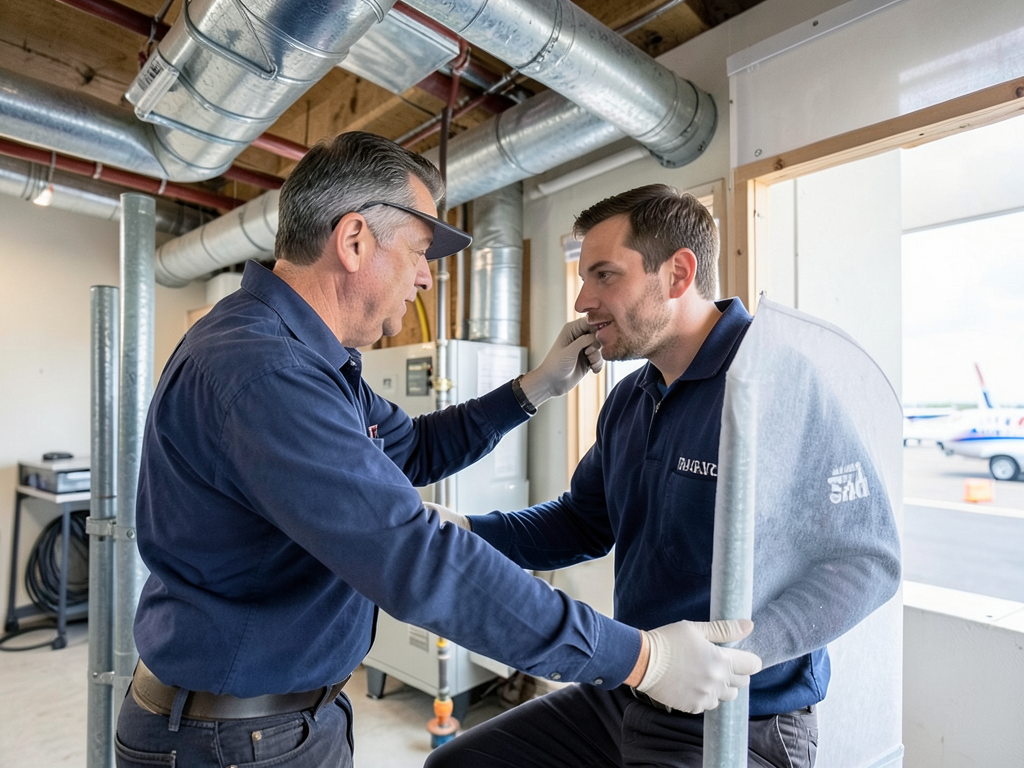
How to Effectively Filter Out Jet Fuel Odors in Your SeaTac Home
Living near Sea-Tac International Airport means dealing with more than just noise. The constant exposure to aviation exhaust and jet fuel odors can seep into your home and affect your indoor air quality. If you notice a persistent kerosene-like smell or feel that the air in your SeaTac home never feels truly fresh you are not alone. The good news is that there are proven HVAC solutions designed to remove these specific pollutants and restore clean air to your living space.. Read more about Keeping the traffic noise of Lower Queen Anne out of your home through your vents.
Before we dive into solutions it helps to understand what you are up against. Jet fuel contains volatile organic compounds (VOCs) such as benzene toluene and xylene. These chemicals are lighter than air and can travel long distances on wind currents. Standard air filters like basic MERV 8 or 10 pleated filters are not designed to capture these gases. They only trap larger particles like dust and pollen. To remove jet fuel odors you need specialized filtration systems that target VOCs through adsorption and chemical neutralization.
The first step is identifying whether your home is being affected by aviation emissions. Common signs include a faint chemical or fuel-like smell that becomes stronger on windy days especially when planes are taking off or landing. You might also notice a film of fine soot on windowsills or outdoor furniture. If you live in neighborhoods like Des Moines Normandy Park or parts of Tukwila near the airport flight path these symptoms are more likely. HVAC Tukwila.
Why Jet Fuel Smells Persist (The Science of VOCs)
Jet fuel odors persist because the molecules are small and volatile. They evaporate quickly and can penetrate even the smallest gaps in your home’s envelope. The Puget Sound Clean Air Agency has documented elevated levels of ultrafine particles in communities near Sea-Tac especially during peak flight hours. These particles can carry the chemical signature of aviation fuel deep into residential areas. Puget Sound Clean Air Agency.
The molecular weight of kerosene-based jet fuel means it behaves differently than smoke or cooking odors. It does not settle quickly and can remain suspended in indoor air for hours. This is why opening a window might provide temporary relief but does not solve the underlying problem. You need a system that continuously removes these compounds from the air you breathe.
Mechanical vs. Gas-Phase Filtration: What Actually Works?
Mechanical filtration such as HEPA filters is excellent for removing particles like dust pollen and pet dander. However HEPA filters are not effective against gases and odors. This is where gas-phase filtration comes in. Activated carbon filters use a process called adsorption to trap VOC molecules. The carbon has a massive surface area with tiny pores that capture and hold chemical compounds. EPA VOC health information.
Why Standard HEPA Filters Fail at Jet Fuel Odors
HEPA filters are rated to capture 99.97% of particles down to 0.3 microns. Jet fuel VOCs are often smaller than this and exist as gases rather than particles. This means they pass right through even the best HEPA filter. If your goal is to remove odors and chemical fumes you need a system that combines HEPA with activated carbon or other gas-phase media.
The Role of Activated Carbon and Potassium Permanganate
Activated carbon is the gold standard for odor removal. The amount of carbon matters. A typical furnace filter with a thin carbon coating will not be enough. For homes near Sea-Tac experts recommend at least 5 to 10 pounds of activated carbon in the filtration system. Some advanced systems also include potassium permanganate which helps break down formaldehyde and other aldehydes that may be present in aviation exhaust. Who to call for 24 hour emergency furnace repair in West Seattle.
The Puget Sound Clean Air Agency recommends checking for VOC levels if you live within five miles of the airport. Homes in the Beacon Hill and Georgetown areas have shown higher indoor VOC readings during air quality studies. If you are in one of these zones consider a whole-home air purification system with both HEPA and carbon stages.
Best HVAC Solutions for Sea-Tac and Boeing Field Residents
For the most effective results install a whole-home air purification system that integrates with your existing HVAC. These systems use a multi-stage process: a pre-filter for large particles a HEPA filter for fine particulates and a deep-bed activated carbon filter for gases and odors. Some models also include UV-C light to neutralize bacteria and mold spores.
Another option is a dedicated air scrubber that mounts in your ductwork. These devices use photocatalytic oxidation to break down VOCs at the molecular level. They are particularly effective in homes where the smell is constant and strong. If you have a newer home with tight construction an energy recovery ventilator (ERV) with VOC filtration can help bring in fresh air without losing energy efficiency.
For renters or those not ready for a whole-home system portable air purifiers with high CADR (Clean Air Delivery Rate) ratings and substantial carbon filters can make a noticeable difference. Look for units that specify VOC removal and have a CADR of at least 200 for your room size.
Health Implications of Long-Term Exposure to Aviation Fuel Exhaust
Long-term exposure to aviation fuel exhaust can cause more than just unpleasant odors. The EPA has linked VOCs like benzene to increased risks of respiratory issues and certain cancers. Children the elderly and people with asthma or other lung conditions are especially vulnerable. Even if you do not smell the fuel strongly low-level exposure over time can still affect your health.
The Washington State Department of Health advises residents in high-traffic flight path areas to monitor indoor air quality and consider mitigation steps. Symptoms of exposure can include headaches dizziness eye irritation and worsened allergy symptoms. If you notice these issues it is worth testing your indoor air for VOCs and particulate matter. Washington Administrative Code.
When to Schedule a Professional Air Quality Audit
If you have tried basic filters and the smell persists it is time to call in a professional. An air quality audit will measure VOC levels particulate matter and humidity in your home. The technician can also inspect your ductwork for leaks that might be drawing in outdoor air. In some cases sealing ducts and adding proper ventilation can solve the problem without the need for expensive filtration upgrades.
During an audit the technician may use a photoionization detector (PID) to measure VOC concentrations in real time. This handheld device can pinpoint the source and severity of the problem. If levels are high they can recommend a system sized to your home’s square footage and specific needs. Why your Ballard home needs professional furnace repair before the first freeze.
For homes in South Seattle near the Duwamish Waterway the combination of industrial activity and airport emissions can create a unique air quality challenge. In these areas a layered approach works best: seal the building envelope upgrade filtration and consider a fresh air intake system with VOC filtration.
Filtration System Comparison
| Filtration Type | Effectiveness Against VOCs | Maintenance Needs | Best For |
|---|---|---|---|
| Basic MERV 8 Filter | Low | Replace every 3 months | Dust and pollen only |
| HEPA + Carbon | High | Replace HEPA yearly Carbon every 6-12 months | Complete air purification |
| Air Scrubber | Very High | Replace UV bulb yearly Carbon annually | Severe odor problems |
| Portable Purifier | Moderate | Replace filter every 6-12 months | Renters or single rooms |
Local Considerations for SeaTac Residents
SeaTac residents face unique challenges due to the airport’s proximity. The city covers zip codes 98168 98188 and 98198. Neighborhoods closest to the airport like Angle Lake and the area around Highline College often experience the strongest odors. The city’s location in the Puget Sound basin can trap pollutants creating pockets of poor air quality especially during temperature inversions.
According to the International Mechanical Code Section 403.3 proper ventilation in homes near airports should include activated carbon filtration for any outdoor air intake. This code requirement helps ensure that fresh air brought into homes does not simply bring more pollutants inside.
Local landmarks like Angle Lake Park and the Highline Performing Arts Center are popular gathering spots but can also be areas where jet fuel odors concentrate on busy travel days. If you notice the smell is worse when visiting these locations it is a clear sign that your home may need better filtration.
Frequently Asked Questions
How do I know if my home is affected by jet fuel odors?
If you live within a few miles of Sea-Tac or Boeing Field and notice a chemical or fuel-like smell that worsens on windy days your home is likely affected. Homes in Des Moines Normandy Park and parts of Tukwila are most commonly impacted.
Can I just open windows to get rid of the smell?
Opening windows can provide temporary relief but does not remove the VOCs. In fact it can sometimes draw more pollutants inside depending on wind direction. A filtration system is the only reliable way to eliminate the odors.
How much does a whole-home air purification system cost?
Prices vary based on home size and system features but most homeowners in the Sea-Tac area can expect to invest between $1500 and $3500 for a complete installation. This includes the unit labor and any necessary ductwork modifications.
Will a standard furnace filter help?
Standard furnace filters are designed for dust and allergens not gases. They will not remove jet fuel odors. You need a system with activated carbon or other gas-phase filtration media.
How often do I need to replace the carbon filters?
Carbon filters typically last between six months and one year depending on usage and pollution levels. Homes near the airport may need more frequent replacements. Your HVAC technician can test the filter’s effectiveness and recommend a schedule.
If you are tired of smelling jet fuel in your home and want to breathe easier now is the time to act. Call (564) 220-5899 today to schedule your professional air quality audit. Our NATE-certified technicians will test your indoor air recommend the right system and install it quickly so you can enjoy clean fresh air again. Do not wait for the next flight path to bring more fumes into your living room. Pick up the phone and call (564) 220-5899 before the next storm hits.
{
“@context”: “https://schema.org”,
“@type”: “BlogPosting”,
“headline”: “Improving the air quality in your SeaTac home to filter out airplane exhaust and jet fuel smells”,
“description”: “Remove jet fuel odors and airplane exhaust from your SeaTac home with expert HVAC filtration solutions. Call (564) 220-5899 for a professional air quality audit.”,
“wordCount”: 1724,
“datePublished”: “2026-06-06T07:40:00.000Z”,
“dateModified”: “2026-06-06T07:40:00.000Z”,
“inLanguage”: “en-US”,
“mainEntityOfPage”: {
“@type”: “WebPage”,
“@id”: “https://peakhvacseattle.com”
},
“publisher”: {
“@type”: “LocalBusiness”,
“name”: “Peak HVAC Seattle”,
“url”: “https://peakhvacseattle.com”
},
“author”: {
“@type”: “Organization”,
“name”: “Peak HVAC Seattle”,
“url”: “https://peakhvacseattle.com”
},
“image”: {
“@type”: “ImageObject”,
“url”: “https://peakhvacseattle.com/wp-content/uploads/2026/03/improving-the-air-quality-in-your-seatac-home-to-f-1.png”
}
}
{
“@context”: “https://schema.org”,
“@type”: “HVACBusiness”,
“name”: “Peak HVAC Seattle”,
“url”: “https://peakhvacseattle.com”,
“address”: {
“@type”: “PostalAddress”,
“addressLocality”: “Seattle”
},
“areaServed”: {
“@type”: “City”,
“name”: “Seattle”
}
}
{
“@context”: “https://schema.org”,
“@type”: “FAQPage”,
“mainEntity”: [
{
“@type”: “Question”,
“name”: “Mechanical vs. Gas-Phase Filtration: What Actually Works?”,
“acceptedAnswer”: {
“@type”: “Answer”,
“text”: “Mechanical filtration such as HEPA filters is excellent for removing particles like dust pollen and pet dander. However HEPA filters are not effective against gases and odors. This is where gas-phase filtration comes in. Activated carbon filters use a process called adsorption to trap VOC molecules. The carbon has a massive surface area with tiny pores that capture and hold chemical compounds. EPA VOC health information.”
}
},
{
“@type”: “Question”,
“name”: “How do I know if my home is affected by jet fuel odors?”,
“acceptedAnswer”: {
“@type”: “Answer”,
“text”: “If you live within a few miles of Sea-Tac or Boeing Field and notice a chemical or fuel-like smell that worsens on windy days your home is likely affected. Homes in Des Moines Normandy Park and parts of Tukwila are most commonly impacted.”
}
},
{
“@type”: “Question”,
“name”: “Can I just open windows to get rid of the smell?”,
“acceptedAnswer”: {
“@type”: “Answer”,
“text”: “Opening windows can provide temporary relief but does not remove the VOCs. In fact it can sometimes draw more pollutants inside depending on wind direction. A filtration system is the only reliable way to eliminate the odors.”
}
},
{
“@type”: “Question”,
“name”: “How much does a whole-home air purification system cost?”,
“acceptedAnswer”: {
“@type”: “Answer”,
“text”: “Prices vary based on home size and system features but most homeowners in the Sea-Tac area can expect to invest between $1500 and $3500 for a complete installation. This includes the unit labor and any necessary ductwork modifications.”
}
},
{
“@type”: “Question”,
“name”: “Will a standard furnace filter help?”,
“acceptedAnswer”: {
“@type”: “Answer”,
“text”: “Standard furnace filters are designed for dust and allergens not gases. They will not remove jet fuel odors. You need a system with activated carbon or other gas-phase filtration media.”
}
},
{
“@type”: “Question”,
“name”: “How often do I need to replace the carbon filters?”,
“acceptedAnswer”: {
“@type”: “Answer”,
“text”: “Carbon filters typically last between six months and one year depending on usage and pollution levels. Homes near the airport may need more frequent replacements. Your HVAC technician can test the filter’s effectiveness and recommend a schedule.”
}
}
]
}
{
“@context”: “https://schema.org”,
“@type”: “BreadcrumbList”,
“itemListElement”: [
{
“@type”: “ListItem”,
“position”: 1,
“name”: “Home”,
“item”: “https://peakhvacseattle.com”
},
{
“@type”: “ListItem”,
“position”: 2,
“name”: “Blog”,
“item”: “https://peakhvacseattle.com/blog”
},
{
“@type”: “ListItem”,
“position”: 3,
“name”: “Improving the air quality in your SeaTac home to filter out airplane exhaust and jet fuel smells”
}
]
}
{
“@context”: “https://schema.org”,
“@type”: “Service”,
“serviceType”: “HVAC”,
“provider”: {
“@type”: “LocalBusiness”,
“name”: “Peak HVAC Seattle”,
“url”: “https://peakhvacseattle.com”
},
“areaServed”: {
“@type”: “City”,
“name”: “Seattle”
},
“description”: “Remove jet fuel odors and airplane exhaust from your SeaTac home with expert HVAC filtration solutions. Call (564) 220-5899 for a professional air quality audit.”
}