
Extending the patio season with the right outdoor heating for your West Seattle deck
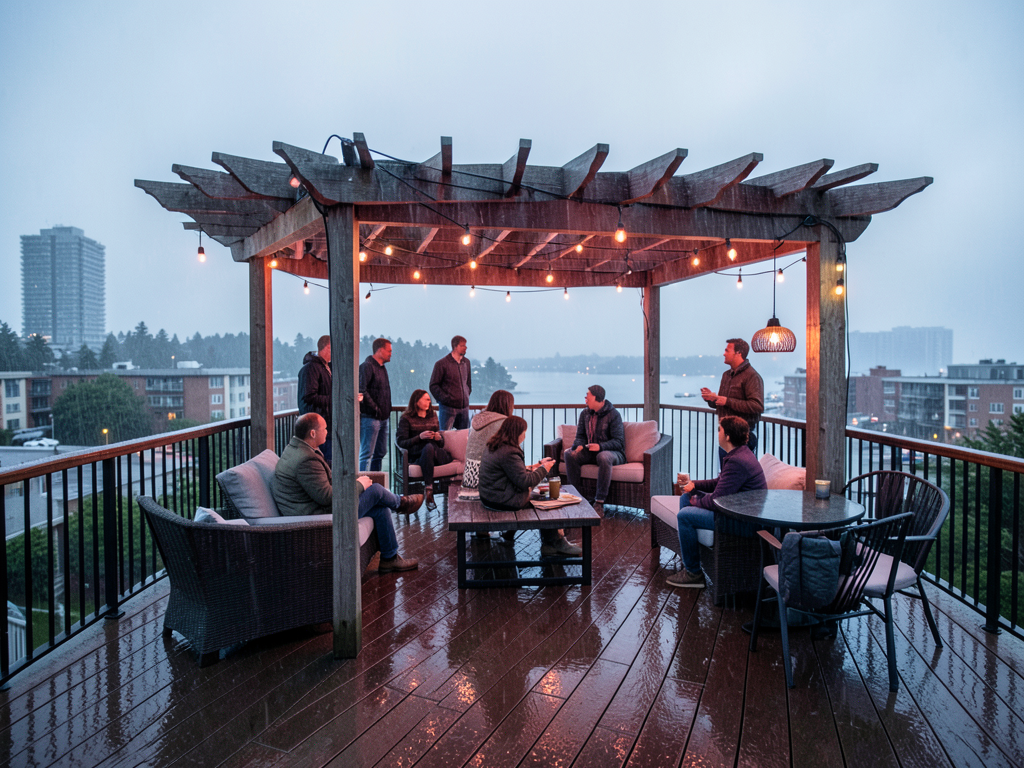
West Seattle homeowners know the struggle of trying to enjoy their decks when the Puget Sound mist rolls in and temperatures drop. The damp marine air makes standard patio heaters feel like they’re blowing cold air. But with the right outdoor heating system designed for our specific climate, you can extend your outdoor living season by months and actually feel warm on your deck even when Seattle’s famous drizzle is falling. Seattle City Light.
The key is understanding that West Seattle’s unique weather patterns require specialized equipment. Our high humidity and consistent moisture mean standard heaters often fail prematurely or simply don’t deliver the heat you need. Whether you’re entertaining guests in Fauntleroy or enjoying quiet mornings in Admiral, the right heating solution can transform your outdoor space from a three-season room to a year-round retreat. Seattle Department of Construction and Inspections.
Understanding Seattle’s outdoor heating challenges
Seattle’s climate creates specific problems for outdoor heating that most homeowners don’t realize until they’ve already made expensive mistakes. The constant moisture in the air doesn’t just make you feel colder – it actively interferes with how heat transfers from standard heaters to your body. This is why many people report feeling like their patio heater is on but they’re still freezing.
The marine layer that blankets West Seattle most mornings carries tiny water droplets that absorb and scatter radiant heat. Standard mushroom-style propane heaters that work great in dry climates become nearly useless here. They heat the air above your head while the damp air around you stays cold. You end up with a warm ceiling and cold guests.
Another factor many overlook is the salt air from Puget Sound. Homes in areas like Alki and Beach Drive experience accelerated corrosion on outdoor equipment. Standard steel heaters can rust through in a single season, leaving you with a pile of orange flakes where your heating system used to be. Marine-grade materials aren’t just a luxury here – they’re a necessity. Puget Sound Energy.
Types of outdoor heating systems that actually work in West Seattle
Not all outdoor heating technologies are created equal for our climate. The most effective systems for West Seattle use radiant heat rather than trying to warm the air. Radiant heat travels through the damp air and warms objects and people directly, similar to how sunlight feels warm even on a cool day.
Infrared electric heaters have become the gold standard for Seattle decks. These units emit short-wave infrared radiation that penetrates the marine moisture layer and heats you directly. Unlike gas heaters that lose 60% of their heat to the atmosphere, quality infrared systems deliver 90% of their energy as usable warmth. The best units for West Seattle are rated IP65 or higher for water resistance and use marine-grade stainless steel housings.
Natural gas line-powered infrared heaters offer the most reliable solution for frequently used spaces. Once installed, they provide instant heat without worrying about propane tanks or electrical capacity. The key is proper sizing – a typical West Seattle deck needs 30-40 BTUs per square foot due to our climate’s heat loss factors. This means a 200-square-foot deck requires a 6,000-8,000 BTU heater, not the 4,000 BTU unit that might work in a drier climate. Why your Ballard home needs professional furnace repair before the first freeze.
Portable propane infrared heaters can work for occasional use, but they require careful selection. Look for models with ceramic burners that produce true infrared heat rather than blue flame heaters that just warm the air. The downside is ongoing fuel costs and the hassle of tank exchanges, especially during our frequent winter storms when roads might be icy.
Installation considerations for West Seattle homes
Installing outdoor heating in West Seattle requires navigating specific challenges that don’t exist in other regions. Our older homes in neighborhoods like Genesee Hill and Arbor Heights often have limited electrical service capacity. Adding high-draw infrared heaters might require a service upgrade, which can add significant cost to your project. Weekend HVAC Service.
Mounting height and angle are critical for effective heating. In our climate, heaters should be mounted 8-10 feet high and angled slightly downward at 15-20 degrees. This creates a heat cone that reaches people rather than heating the sky. Many DIY installations fail because they mount heaters too high or point them straight out, sending all the heat over everyone’s heads.
Wind patterns in West Seattle create another consideration. The bluffs and valleys create microclimates where wind speeds can vary dramatically over short distances. A heater that works perfectly on a protected corner lot in Gatewood might be completely ineffective on an exposed site in Seaview. Professional heat mapping can identify the best mounting locations for your specific property.
Electrical codes in Seattle require GFCI protection for all outdoor outlets and specific weatherproof enclosures for control equipment. The Seattle Department of Construction and Inspections mandates that all outdoor electrical work be performed by licensed contractors, and permits are required for new circuits or panel modifications.

Cost comparison: Operating expenses by fuel type
Understanding the true cost of outdoor heating goes beyond the initial purchase price. Here’s how different fuel types compare for a typical 200-square-foot West Seattle deck used 4 hours per day during the heating season:
| Fuel Type | Initial Cost | Monthly Operating Cost | Annual Maintenance | Lifespan | Energy Efficiency |
|---|---|---|---|---|---|
| Natural Gas Infrared | $800-1,200 | $45-65 | $75-100 | 8-12 years | 90% |
| Electric Infrared | $400-700 | $35-50 | $25-40 | 5-8 years | 85% |
| Propane Infrared | $300-500 | $60-85 | $40-60 | 3-5 years | 80% |
Natural gas systems cost more upfront but deliver the lowest operating costs over time. The key advantage is reliability – you never run out of fuel during a gathering, and the heat output remains consistent even in the coldest, dampest conditions. Electric systems offer the best balance of initial cost and operating efficiency, while propane provides the most flexibility for renters or those who don’t want permanent installations.
Energy efficiency ratings matter significantly in our climate. Look for heaters with high energy factors (EF) and infrared conversion rates above 85%. Lower quality units waste energy heating the damp air rather than providing usable warmth to people and objects.
Seattle permitting and safety compliance
Installing outdoor heating in West Seattle requires compliance with specific Seattle building codes and safety regulations. The Seattle Energy Code (SEC) Chapter 12-15 mandates minimum efficiency standards for all heating equipment, and outdoor installations must meet additional requirements for weatherproofing and combustion safety.
Natural gas line installations require permits from Seattle Department of Construction and Inspections (SDCI). The process typically takes 2-3 weeks and includes inspection of gas line routing, venting, and shutoff valve placement. Gas lines must be installed by licensed plumbers with specific experience in outdoor applications. The Washington State Mechanical Code (WAC 51-11C) requires minimum clearance distances from structures, windows, and air intakes that many DIY installers overlook.
Electrical installations for outdoor heating must comply with the National Electrical Code (NEC) Article 680, which covers outdoor electrical systems. This includes specific requirements for GFCI protection, weatherproof enclosures, and proper grounding. Seattle City Light requires notification for any new outdoor electrical circuits, and inspections are mandatory before covering any wiring.
Fire safety is a major concern in West Seattle’s older neighborhoods with closely spaced homes. The Seattle Fire Code requires specific clearance distances from combustible materials – typically 36 inches from siding, 48 inches from overhead structures, and 60 inches from windows. Some hillside areas in West Seattle also have additional requirements due to wildfire concerns.
Insurance companies are increasingly aware of outdoor heating installations. Some policies require notification of new gas or high-draw electrical equipment, and failure to comply could affect coverage in the event of a fire or accident. Always check with your insurance provider before installation.
Energy efficiency and utility rebates in the Seattle area
Seattle City Light and Puget Sound Energy offer various rebates for energy-efficient outdoor heating systems, though availability changes annually. In 2026, Seattle City Light provides rebates of up to $150 for Energy Star certified electric infrared heaters that meet specific efficiency criteria. These rebates typically require professional installation and proof of energy savings.
Natural gas customers of Puget Sound Energy may qualify for rebates on high-efficiency infrared heaters that meet ENERGY STAR Most Efficient criteria. These units must demonstrate minimum 92% energy factor ratings and include smart controls for optimal operation. The rebate amounts vary but typically range from $100-200 per unit.
Beyond utility rebates, some West Seattle homeowners qualify for federal tax credits under the Energy Efficient Home Improvement Credit for qualifying heating equipment. The credit covers 30% of the cost up to $1,200 for qualified improvements, though outdoor heating systems must meet specific efficiency thresholds to qualify.
Smart controls can significantly improve the efficiency of outdoor heating systems. Weather-responsive controls that adjust output based on actual temperature and humidity can reduce energy consumption by 20-30% while maintaining comfort. Some advanced systems integrate with home automation platforms and can be programmed to preheat decks before use or shut down automatically when no one is present.
The payback period for efficient outdoor heating systems varies based on usage patterns. For a family that uses their deck 3-4 times per week during the heating season, a high-efficiency natural gas system typically pays for itself in 3-4 years through energy savings and increased property enjoyment. For occasional use, electric systems offer better value despite higher operating costs.
Maintenance requirements for West Seattle’s climate
Outdoor heating systems in West Seattle require more frequent maintenance than in other regions due to our unique climate challenges. The constant moisture exposure means corrosion can develop quickly on unprotected metal components. A maintenance schedule that might work in Eastern Washington needs to be doubled here. Preventative HVAC maintenance plans that actually save money for Redmond families.
Monthly inspections during the heating season should check for corrosion on burners, damage to wiring insulation, and proper operation of safety controls. The marine air carries salt that can cause pitting on stainless steel surfaces within months. A simple wipe-down with a mild detergent solution can prevent most corrosion issues.
Annual professional maintenance should include cleaning of all heating elements, inspection of gas lines for leaks using electronic detectors, and testing of all safety controls. The Washington State Energy Code requires that all combustion equipment be serviced annually to maintain warranty coverage and ensure safe operation. Commercial Duct Cleaning.
Winterization is critical for systems that won’t be used during the coldest months. This includes draining any water-containing components, covering exposed electrical connections with weatherproof enclosures, and applying corrosion inhibitors to metal surfaces. Many West Seattle homeowners discover too late that their heater failed during the first cold snap because moisture froze in the gas lines.
Cleaning frequency depends on your specific location. Homes within a quarter mile of Puget Sound may need monthly cleaning of reflectors and heating elements due to salt accumulation. Properties in more protected inland areas might only need quarterly cleaning. The key is establishing a routine before performance issues become noticeable.
Commercial applications for West Seattle businesses
West Seattle’s restaurant and hospitality scene has embraced outdoor heating as a way to maximize seating capacity year-round. The same principles that apply to residential installations become even more critical for commercial applications where customer comfort directly impacts revenue.
Commercial establishments typically require higher BTU outputs due to larger spaces and higher occupancy. A restaurant patio that seats 20 people needs approximately 12,000-15,000 BTUs of heating capacity, distributed across multiple units for even coverage. The Seattle King County Public Health Department requires specific ventilation and clearance requirements for commercial outdoor heating that exceed residential standards.
Energy costs for commercial operations can be significant. A busy West Seattle restaurant running outdoor heaters for 6-8 hours daily during the heating season might spend $400-600 monthly on natural gas alone. This has led many businesses to invest in high-efficiency systems with smart controls that automatically adjust output based on occupancy and temperature.
Insurance requirements for commercial outdoor heating are more stringent than residential. Most policies require annual safety inspections, specific liability coverage for outdoor heating equipment, and compliance with all local fire codes. Some insurance providers offer premium discounts for businesses that install advanced safety features like automatic shutoff controls and carbon monoxide detectors.
The return on investment for commercial outdoor heating in West Seattle can be substantial. Restaurants that can offer comfortable outdoor seating for 8-9 months per year rather than 4-5 months see significant increases in revenue. The key is creating a space that feels as comfortable as the indoor dining area, even when temperatures drop into the 40s.
Frequently Asked Questions
How much does it cost to install outdoor heating in West Seattle?
Installation costs vary widely based on the system type and your home’s existing infrastructure. Basic electric infrared heaters start around $500-800 installed, while natural gas systems with new gas line installation typically range from $1,500-3,000. The most significant variable is whether your electrical panel or gas service needs upgrading to handle the new load.
Can I install outdoor heating myself to save money?
While some portable propane heaters are plug-and-play, most effective outdoor heating systems require professional installation to meet Seattle building codes and safety standards. Natural gas line work must be performed by licensed plumbers, and electrical installations require permits and inspections. DIY installations that don’t meet code can void insurance coverage and create safety hazards.
What’s the most energy-efficient option for West Seattle’s climate?
High-efficiency natural gas infrared heaters with smart controls typically offer the best combination of energy efficiency and heating performance for our climate. They deliver 90%+ of their energy as usable heat and can be controlled to operate only when needed. Electric infrared heaters are the next best option, especially when paired with weather-responsive controls.
How long does outdoor heating equipment last in West Seattle?
Quality outdoor heating equipment in West Seattle typically lasts 5-12 years, depending on the material quality and maintenance schedule. Marine-grade stainless steel units with proper maintenance can last 10-12 years, while standard steel units might only last 3-5 years due to corrosion. Regular cleaning and annual professional maintenance significantly extend equipment life.
Will outdoor heating increase my property value?
Well-designed outdoor living spaces with quality heating can increase property appeal and potentially value, especially in West Seattle where outdoor living is highly valued. The return on investment varies, but comfortable outdoor spaces that extend usable living area typically provide good value, particularly for homes in the mid-to-upper price ranges.
- Assess your space and usage
Measure your deck area and consider how often you’ll use the heating. Frequent use justifies higher upfront costs for more efficient systems.
- Determine your fuel preference
Consider whether you want the convenience of natural gas, the lower initial cost of electric, or the flexibility of propane. Factor in your home’s existing utility connections.
- Check local requirements
Verify Seattle building code requirements, permit needs, and any homeowners association restrictions before selecting equipment.
- Choose marine-grade materials
Given West Seattle’s proximity to salt water, select heaters with marine-grade stainless steel or aluminum housings to prevent premature corrosion.
- Plan for professional installation
Factor in installation costs and ensure your contractor is licensed for the specific type of work required, whether electrical or gas line installation.
Ready to extend your patio season and actually enjoy your West Seattle deck even when the mist rolls in? The right outdoor heating system can transform your outdoor space from a seasonal afterthought to a year-round living area. Don’t let another Seattle winter keep you indoors when you could be enjoying your deck with friends and family.
Call (564) 220-5899 today to schedule a consultation and get a custom heating plan designed specifically for your West Seattle home’s unique needs. Our team understands the local climate challenges and can recommend solutions that actually work in our marine environment. Pick up the phone and call (564) 220-5899 before the next cold front hits – your future self enjoying a warm December evening on your deck will thank you.
{
“@context”: “https://schema.org”,
“@type”: “BlogPosting”,
“headline”: “Extending the patio season with the right outdoor heating for your West Seattle deck”,
“description”: “Learn how to extend your West Seattle deck season with outdoor heating systems designed for Seattle’s marine climate. Compare fuel types and installation costs.”,
“wordCount”: 2680,
“datePublished”: “2026-05-29T07:17:00.000Z”,
“dateModified”: “2026-05-29T07:17:00.000Z”,
“inLanguage”: “en-US”,
“mainEntityOfPage”: {
“@type”: “WebPage”,
“@id”: “https://peakhvacseattle.com”
},
“publisher”: {
“@type”: “LocalBusiness”,
“name”: “Peak HVAC Seattle”,
“url”: “https://peakhvacseattle.com”
},
“author”: {
“@type”: “Organization”,
“name”: “Peak HVAC Seattle”,
“url”: “https://peakhvacseattle.com”
},
“image”: {
“@type”: “ImageObject”,
“url”: “https://peakhvacseattle.com/wp-content/uploads/2026/03/extending-the-patio-season-with-the-right-outdoor-1.png”
}
}
{
“@context”: “https://schema.org”,
“@type”: “HVACBusiness”,
“name”: “Peak HVAC Seattle”,
“url”: “https://peakhvacseattle.com”,
“address”: {
“@type”: “PostalAddress”,
“addressLocality”: “Seattle”
},
“areaServed”: {
“@type”: “City”,
“name”: “Seattle”
}
}
{
“@context”: “https://schema.org”,
“@type”: “FAQPage”,
“mainEntity”: [
{
“@type”: “Question”,
“name”: “How much does it cost to install outdoor heating in West Seattle?”,
“acceptedAnswer”: {
“@type”: “Answer”,
“text”: “Installation costs vary widely based on the system type and your home’s existing infrastructure. Basic electric infrared heaters start around $500-800 installed, while natural gas systems with new gas line installation typically range from $1,500-3,000. The most significant variable is whether your electrical panel or gas service needs upgrading to handle the new load.”
}
},
{
“@type”: “Question”,
“name”: “Can I install outdoor heating myself to save money?”,
“acceptedAnswer”: {
“@type”: “Answer”,
“text”: “While some portable propane heaters are plug-and-play, most effective outdoor heating systems require professional installation to meet Seattle building codes and safety standards. Natural gas line work must be performed by licensed plumbers, and electrical installations require permits and inspections. DIY installations that don’t meet code can void insurance coverage and create safety hazards.”
}
},
{
“@type”: “Question”,
“name”: “What’s the most energy-efficient option for West Seattle’s climate?”,
“acceptedAnswer”: {
“@type”: “Answer”,
“text”: “High-efficiency natural gas infrared heaters with smart controls typically offer the best combination of energy efficiency and heating performance for our climate. They deliver 90%+ of their energy as usable heat and can be controlled to operate only when needed. Electric infrared heaters are the next best option, especially when paired with weather-responsive controls.”
}
},
{
“@type”: “Question”,
“name”: “How long does outdoor heating equipment last in West Seattle?”,
“acceptedAnswer”: {
“@type”: “Answer”,
“text”: “Quality outdoor heating equipment in West Seattle typically lasts 5-12 years, depending on the material quality and maintenance schedule. Marine-grade stainless steel units with proper maintenance can last 10-12 years, while standard steel units might only last 3-5 years due to corrosion. Regular cleaning and annual professional maintenance significantly extend equipment life.”
}
},
{
“@type”: “Question”,
“name”: “Will outdoor heating increase my property value?”,
“acceptedAnswer”: {
“@type”: “Answer”,
“text”: “Well-designed outdoor living spaces with quality heating can increase property appeal and potentially value, especially in West Seattle where outdoor living is highly valued. The return on investment varies, but comfortable outdoor spaces that extend usable living area typically provide good value, particularly for homes in the mid-to-upper price ranges.”
}
}
]
}
{
“@context”: “https://schema.org”,
“@type”: “HowTo”,
“name”: “How to choose outdoor heating for your West Seattle deck”,
“step”: [
{
“@type”: “HowToStep”,
“position”: 1,
“name”: “Assess your space and usage”,
“text”: “Measure your deck area and consider how often you’ll use the heating. Frequent use justifies higher upfront costs for more efficient systems.”
},
{
“@type”: “HowToStep”,
“position”: 2,
“name”: “Determine your fuel preference”,
“text”: “Consider whether you want the convenience of natural gas, the lower initial cost of electric, or the flexibility of propane. Factor in your home’s existing utility connections.”
},
{
“@type”: “HowToStep”,
“position”: 3,
“name”: “Check local requirements”,
“text”: “Verify Seattle building code requirements, permit needs, and any homeowners association restrictions before selecting equipment.”
},
{
“@type”: “HowToStep”,
“position”: 4,
“name”: “Choose marine-grade materials”,
“text”: “Given West Seattle’s proximity to salt water, select heaters with marine-grade stainless steel or aluminum housings to prevent premature corrosion.”
},
{
“@type”: “HowToStep”,
“position”: 5,
“name”: “Plan for professional installation”,
“text”: “Factor in installation costs and ensure your contractor is licensed for the specific type of work required, whether electrical or gas line installation.”
}
],
“image”: “https://peakhvacseattle.com/wp-content/uploads/2026/03/extending-the-patio-season-with-the-right-outdoor-1.png”
}
{
“@context”: “https://schema.org”,
“@type”: “BreadcrumbList”,
“itemListElement”: [
{
“@type”: “ListItem”,
“position”: 1,
“name”: “Home”,
“item”: “https://peakhvacseattle.com”
},
{
“@type”: “ListItem”,
“position”: 2,
“name”: “Blog”,
“item”: “https://peakhvacseattle.com/blog”
},
{
“@type”: “ListItem”,
“position”: 3,
“name”: “Extending the patio season with the right outdoor heating for your West Seattle deck”
}
]
}
{
“@context”: “https://schema.org”,
“@type”: “Service”,
“serviceType”: “HVAC”,
“provider”: {
“@type”: “LocalBusiness”,
“name”: “Peak HVAC Seattle”,
“url”: “https://peakhvacseattle.com”
},
“areaServed”: {
“@type”: “City”,
“name”: “Seattle”
},
“description”: “Learn how to extend your West Seattle deck season with outdoor heating systems designed for Seattle’s marine climate. Compare fuel types and installation costs.”
}