
Designing a silent cooling system for your Ballard home recording studio or podcast room
Ballard’s thriving creative community has turned many garages and basements into home recording studios and podcast rooms. But standard HVAC systems are too noisy for professional audio work. A typical forced-air system creates 40 to 60 decibels of sound from air movement and mechanical vibration. In a recording environment, even 20 decibels of background noise can ruin a take. Why your Ballard home needs professional furnace repair before the first freeze.
The challenge is cooling high-heat electronics in a soundproofed room without introducing noise. Seattle’s marine climate adds humidity control to the equation. This guide covers the technical requirements, equipment options, and local considerations for building a silent cooling system in your Ballard creative space. Seattle Mechanical Permit Requirements.
Why standard HVAC systems fail home recording studios
Standard residential HVAC systems move large volumes of air through metal ducts at high velocity. This creates two problems for audio work. First the air movement itself produces a hissing sound. Second the mechanical equipment creates low-frequency rumble that vibrates through building structures.
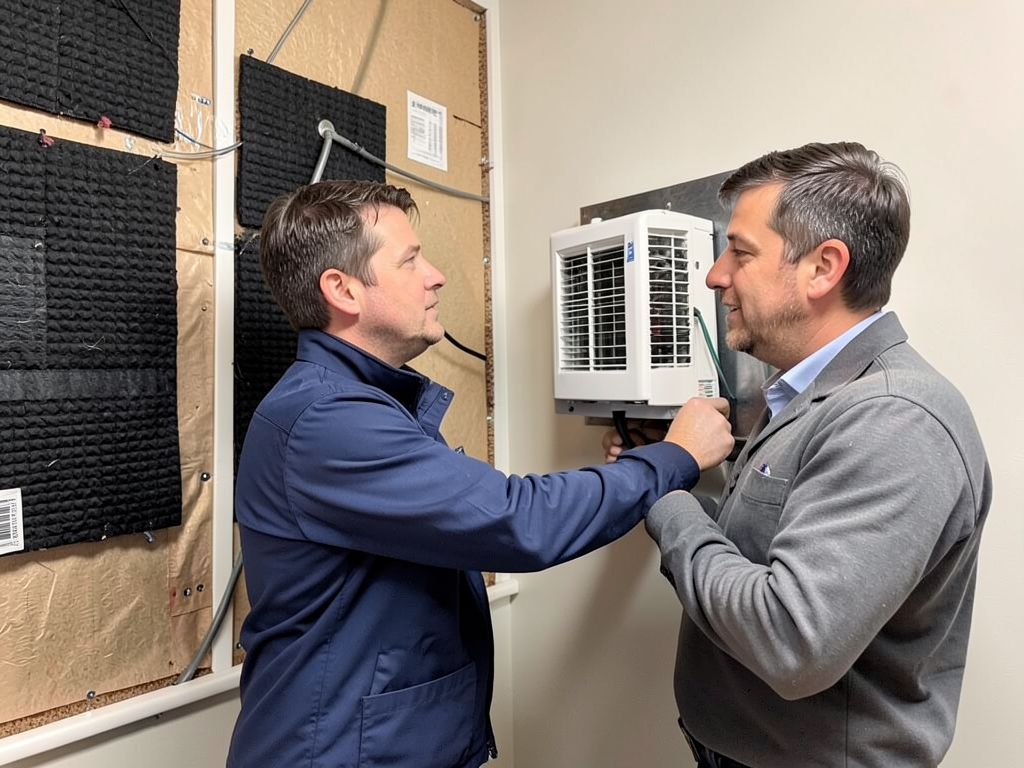
Soundproofed rooms make the problem worse. When you add mass loaded vinyl insulation and double drywall you trap heat inside. Electronic equipment like computers audio interfaces and studio monitors generate significant heat. Without proper cooling temperatures can rise 10 to 15 degrees above the rest of the house.
Seattle’s climate compounds these issues. Our high relative humidity means moisture can condense on cold surfaces if temperature control is inconsistent. This creates both equipment damage risk and acoustic problems from standing moisture.
Professional recording studios use noise criteria ratings to specify acceptable background levels. A professional studio aims for NC 15 to NC 25. This means background noise should not exceed the sound of a quiet rural area at night. Most residential HVAC systems cannot achieve this rating.. Read more about Keeping the traffic noise of Lower Queen Anne out of your home through your vents.
Top quiet solutions mini-splits vs ducted systems with baffles
Two main approaches work for silent studio cooling. Ductless mini-split heat pumps and specialized ducted systems with sound attenuation.
Mini-splits use inverter technology to vary compressor speed. This allows them to operate at 19 to 25 decibels when maintaining temperature. Top models from Mitsubishi Electric and Daikin achieve 19 dBA in quiet mode. The indoor unit mounts on a wall or ceiling and connects to an outdoor condenser through small refrigerant lines.
Key mini-split advantages for studios:
- No ductwork means no air velocity noise
- Indoor units can mount inside soffits to hide them
- Many models offer low-noise or silent mode
- Easy zoning for different room uses
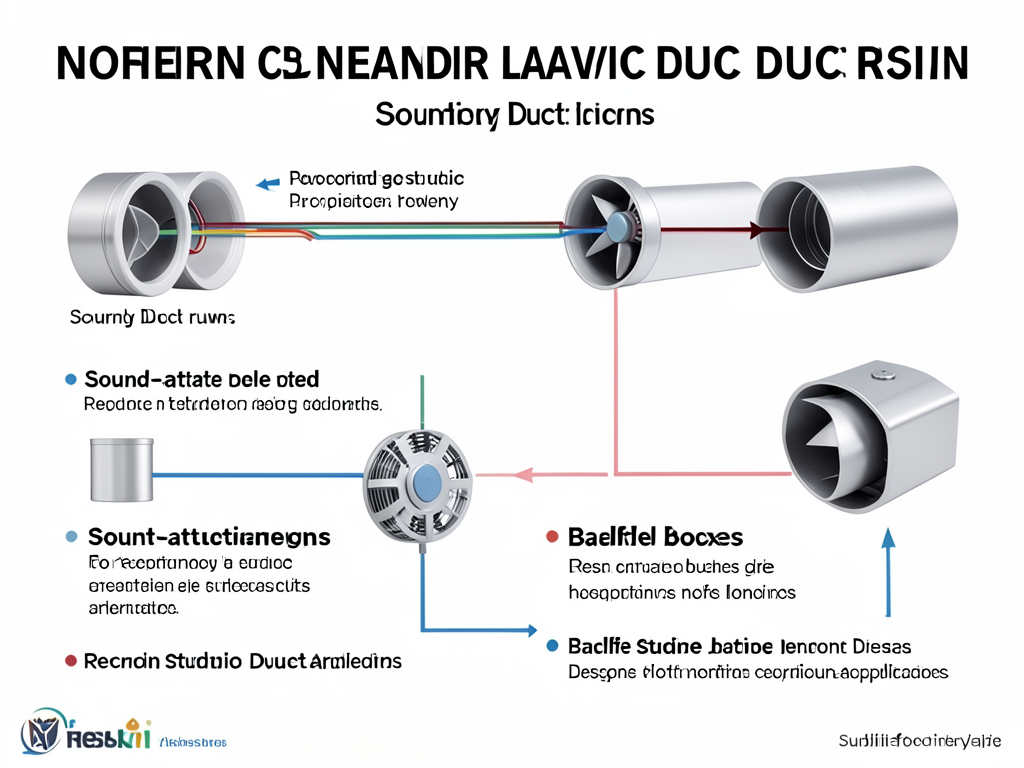
Ducted systems can work if properly designed. The key is using oversized ducts to reduce air velocity below 500 feet per minute. Sound attenuating flex ducts with an inner liner can reduce noise by 10 decibels. Baffle boxes at duct terminations absorb remaining sound.
Critical design factors for ducted studio systems:
- Return air placement to avoid dead spots
- Supply duct runs with gentle curves not sharp turns
- Plenum boxes sized for low pressure drop
- Equipment mounted on vibration isolation pads
Variable refrigerant flow systems offer another option. VRF units can serve multiple zones from one outdoor unit. They operate at 22 to 28 decibels and handle larger cooling loads than standard mini-splits.
Managing humidity and air quality in Seattle’s climate
Seattle’s average relative humidity ranges from 60 to 80 percent. In a sealed recording studio this can lead to condensation on equipment and acoustic treatment. Mold growth becomes a risk in dark enclosed spaces.
Energy recovery ventilators solve this problem. ERVs exchange indoor air with filtered outdoor air while transferring heat and moisture. This maintains consistent temperature and humidity without introducing outside noise. A properly sized ERV can provide 4 to 6 air changes per hour in a studio space.
Critical ERV features for studios:
- ECM motors for quiet operation
- HEPA filtration to protect equipment
- Humidity sensors for automatic control
- Sound rated duct connections
Standalone dehumidifiers can supplement cooling systems. Desiccant wheel dehumidifiers operate at 35 to 45 decibels and remove 30 to 70 pints of moisture per day. They work well in Pacific Northwest conditions where cooling loads may be low but humidity remains high.
Air quality monitoring helps prevent problems. Carbon dioxide sensors indicate when fresh air is needed. Particulate sensors detect dust that could damage microphones. VOC sensors alert to chemical off gassing from new equipment or acoustic treatments.
The technical specs decibel ratings and noise criteria
Understanding noise measurements helps specify the right equipment. Sound pressure level in decibels uses a logarithmic scale. Every 10 decibel reduction represents a 50 percent decrease in perceived loudness.
Common sound levels for comparison:
| Source | Sound Level (dBA) |
|---|---|
| Whisper | 20 |
| Quiet rural area | 25 |
| Library | 30 |
| Normal conversation | 60 |
| Window air conditioner | 50 |
Noise criteria ratings provide more detailed specifications. NC curves account for how human hearing responds to different frequencies. A system rated NC 20 will sound quieter than one rated NC 25 even if their overall decibel levels are similar.
Professional studio noise criteria:
| Studio Type | Target NC Rating | Maximum dBA |
|---|---|---|
| Voice over booth | NC 15 | 18 dBA |
| Music recording | NC 20 | 23 dBA |
| Podcast studio | NC 25 | 28 dBA |
Equipment specifications to verify:
- Sound power level at normal and low speed
- Octave band noise data
- Vibration isolation ratings
- Airflow noise characteristics
Test procedures matter. Equipment should be tested in an anechoic chamber per AHRI Standard 230. Field measurements should use a Type 1 sound level meter with A-weighting.
Seattle building codes and permitting for studio conversions
Converting a garage or basement to a recording studio in Ballard requires permits from the Seattle Department of Construction and Inspections. The Seattle Mechanical Code Chapter 4 covers HVAC installations. Residential alterations over $1,000 require mechanical permits.
Key code requirements:
- Minimum ventilation rates per ASHRAE 62.2
- Combustion air for gas appliances
- Equipment clearance from property lines
- Electrical load calculations for new circuits
Ballard’s historic character areas have additional restrictions. If your property is in the Ballard Avenue Landmark District you may need design review approval. The review ensures new HVAC equipment does not impact the historic character. Keeping your historic Queen Anne home cool with ductless AC options.
Sound transmission requirements come from the Seattle Energy Code. New walls must meet STC 45 minimum. This requires resilient channels double drywall or sound isolation clips. HVAC penetrations must be sealed to prevent sound flanking.
Energy efficiency requirements affect equipment choices. The Seattle Energy Code mandates minimum SEER ratings. As of 2026 heat pumps must achieve SEER 16 or higher. This often means choosing inverter driven equipment for both efficiency and noise reduction.
Electrical permits are required for new circuits. A typical studio setup might need 20 to 30 amps of dedicated 120 volt circuits plus 240 volt circuits for equipment. The Seattle Electrical Code Article 210 covers branch circuit requirements.
Installation considerations for Ballard homes
Ballard’s housing stock ranges from 1920s craftsman bungalows to 1960s ramblers. Each presents different installation challenges for silent cooling systems.
Older homes often have balloon framing. This creates open wall cavities that transmit sound easily. Installing sound isolation in these walls requires dense pack cellulose or spray foam insulation. Vibration isolation becomes critical for equipment mounting.
Basement studios in Ballard face groundwater issues. The area’s glacial till soil and proximity to Puget Sound means high water tables. This affects where outdoor equipment can be placed. Condensers need elevation or protective pads to prevent water damage.
Roof mounted equipment requires wind load calculations. Ballard’s proximity to the water increases wind speeds. Equipment must be rated for local conditions and properly anchored per Seattle Building Code Section 1609.
Line set concealment affects both aesthetics and performance. Refrigerant lines should be insulated and protected from UV exposure. In finished spaces lines can run through interior walls or be surface mounted in paintable conduit.
Maintenance access is important for long term performance. Mini-split filters need cleaning every 3 months. Condenser coils require annual cleaning. Choose equipment locations that allow easy service access. Preventative HVAC maintenance plans that actually save money for Redmond families.
Cost factors and return on investment
Silent cooling systems cost more than standard HVAC but provide value through better recordings and equipment protection. A basic mini-split installation for a 200 square foot studio starts around $3,500. High end systems with ERVs and specialized ductwork can exceed $10,000.
Cost breakdown by component:
| Component | Typical Cost Range |
|---|---|
| Mini-split heat pump | $1,500 – $4,000 |
| ERV system | $800 – $2,500 |
| Ducted system with baffles | $2,000 – $6,000 |
| Installation labor | $1,000 – $3,000 |
| Permits and fees | $200 – $800 |
Factors affecting cost:
- Square footage and cooling load
- Existing infrastructure and accessibility
- Equipment efficiency ratings
- Sound attenuation requirements
- Smart controls and monitoring
ROI considerations include:
- Reduced equipment replacement costs from better climate control
- Higher quality recordings with less noise cleanup required
- Increased property value for professional studio spaces
- Energy savings from high efficiency equipment
Many Ballard creatives find that professional quality cooling pays for itself through better work output and equipment longevity.
Maintenance and troubleshooting
Silent cooling systems require regular maintenance to maintain performance. Mini-split filters should be cleaned monthly during heavy use. Condenser coils need annual cleaning to maintain efficiency. Commercial Duct Cleaning.
Common issues and solutions:
- Reduced cooling capacity – check filters and coils for dirt buildup
- Unusual noises – inspect for loose mounting hardware or debris in fans
- Humidity problems – verify ERV operation and check for duct leaks
- Temperature swings – check thermostat placement and calibration
Diagnostic procedures:
- Measure supply and return air temperatures
- Check refrigerant pressures with manifold gauges
- Test electrical connections for voltage drop
- Inspect insulation on refrigerant lines
Professional maintenance should include:
- Refrigerant charge verification
- Blower wheel cleaning
- Drain line inspection and cleaning
- Control system calibration
Emergency procedures for studio owners:
- Keep spare filters on hand
- Know how to switch to backup cooling if available
- Have contact information for emergency HVAC service
- Document system specifications for service technicians
Future trends in studio HVAC
Emerging technologies are making silent cooling even more effective. DC inverter compressors with brushless motors operate at 15 to 20 decibels. Smart controls use machine learning to predict cooling needs based on studio usage patterns.
Geothermal heat pumps offer ultra quiet operation. Water source heat pumps eliminate outdoor unit noise entirely. They work well in Ballard’s climate where ground temperatures remain stable year round.
Integrated acoustic treatment and HVAC is an emerging trend. Some manufacturers now offer diffusers that combine air distribution with sound absorption. These reduce both noise and room reflections.
DC powered equipment is becoming more common. Low voltage DC motors eliminate AC hum and reduce electromagnetic interference with recording equipment. This is particularly important for sensitive ribbon microphones and high gain preamps.
Remote monitoring allows proactive maintenance. Smart thermostats can detect performance degradation before it causes problems. Some systems can automatically adjust for upcoming recording sessions.
Frequently Asked Questions
How quiet does my studio HVAC need to be?
For professional voice work aim for NC 15 to NC 20. For podcasts NC 20 to NC 25 is usually sufficient. This translates to 18 to 28 decibels background noise.
Can I use a window air conditioner in my studio?
Window units are generally too noisy for recording. They typically operate at 50 to 60 decibels and create vibration that transmits through walls. Mini-splits or ductless systems are much quieter options. The best air conditioning options for bungalows and cottages around Green Lake.
How much does it cost to install silent cooling in a Ballard studio?
Basic systems start around $3,500. High end installations with ERVs and specialized ductwork can exceed $10,000. The final cost depends on space size and equipment requirements.
Do I need permits for studio HVAC in Seattle?
Yes. Mechanical permits are required for most HVAC installations. If you’re altering the structure or electrical system you’ll need additional permits from the Seattle Department of Construction and Inspections.
How long does installation take?
Most mini-split installations take 1 to 2 days. Complex ducted systems may require 3 to 5 days. Permit processing can add 1 to 3 weeks depending on the season.
Will silent cooling reduce my energy bills?
High efficiency equipment often reduces energy use by 20 to 40 percent compared to older systems. Inverter technology also reduces power consumption during low demand periods.
What maintenance does silent cooling require?
Filters should be cleaned monthly. Condenser coils need annual cleaning. Professional maintenance once per year ensures optimal performance and longevity.
Can I install this myself?
HVAC installation requires specialized tools and knowledge. DIY installation can void warranties and create safety hazards. Professional installation ensures proper operation and code compliance.
How do I choose between mini-split and ducted systems?
Mini-splits work best for smaller spaces and easy installation. Ducted systems are better for larger studios or when you need to distribute air to multiple rooms. Consider your specific space and cooling needs.
What brands make the quietest equipment?
Mitsubishi Electric and Daikin make some of the quietest mini-splits available. For ducted systems look for equipment with ECM motors and sound attenuation features. Ask your HVAC contractor for specific model recommendations.
Creating a silent cooling system for your Ballard home recording studio requires careful planning and the right equipment. The combination of quiet operation humidity control and energy efficiency will protect your investment and improve your recordings.
Call (564) 220-5899 today to schedule your inspection. Our HVAC experts understand the unique requirements of recording studios and can design a system that meets your specific needs. Don’t let noisy equipment ruin your next recording session.
Pick up the phone and call (564) 220-5899 before the next recording session. We’ll help you create the perfect environment for your creative work. For more information, visit ASHRAE HVAC Systems and Equipment Handbook.
You may also find this helpful. Stopping the annoying vibrations and rattles in your older Tangletown house.
{
“@context”: “https://schema.org”,
“@type”: “BlogPosting”,
“headline”: “Designing a silent cooling system for your Ballard home recording studio or podcast room”,
“description”: “Ballard creatives need ultra-quiet HVAC for recording studios. Learn noise criteria, mini-split options, and Seattle climate control for your soundproof space.”,
“wordCount”: 2289,
“datePublished”: “2026-06-04T11:47:00.000Z”,
“dateModified”: “2026-06-04T11:47:00.000Z”,
“inLanguage”: “en-US”,
“mainEntityOfPage”: {
“@type”: “WebPage”,
“@id”: “https://peakhvacseattle.com”
},
“publisher”: {
“@type”: “LocalBusiness”,
“name”: “Peak HVAC Seattle”,
“url”: “https://peakhvacseattle.com”
},
“author”: {
“@type”: “Organization”,
“name”: “Peak HVAC Seattle”,
“url”: “https://peakhvacseattle.com”
},
“image”: {
“@type”: “ImageObject”,
“url”: “https://peakhvacseattle.com/wp-content/uploads/2026/03/designing-a-silent-cooling-system-for-your-ballard-1.png”
}
}
{
“@context”: “https://schema.org”,
“@type”: “HVACBusiness”,
“name”: “Peak HVAC Seattle”,
“url”: “https://peakhvacseattle.com”,
“address”: {
“@type”: “PostalAddress”,
“addressLocality”: “Seattle”
},
“areaServed”: {
“@type”: “City”,
“name”: “Seattle”
}
}
{
“@context”: “https://schema.org”,
“@type”: “FAQPage”,
“mainEntity”: [
{
“@type”: “Question”,
“name”: “How quiet does my studio HVAC need to be?”,
“acceptedAnswer”: {
“@type”: “Answer”,
“text”: “For professional voice work aim for NC 15 to NC 20. For podcasts NC 20 to NC 25 is usually sufficient. This translates to 18 to 28 decibels background noise.”
}
},
{
“@type”: “Question”,
“name”: “Can I use a window air conditioner in my studio?”,
“acceptedAnswer”: {
“@type”: “Answer”,
“text”: “Window units are generally too noisy for recording. They typically operate at 50 to 60 decibels and create vibration that transmits through walls. Mini-splits or ductless systems are much quieter options. The best air conditioning options for bungalows and cottages around Green Lake.”
}
},
{
“@type”: “Question”,
“name”: “How much does it cost to install silent cooling in a Ballard studio?”,
“acceptedAnswer”: {
“@type”: “Answer”,
“text”: “Basic systems start around $3,500. High end installations with ERVs and specialized ductwork can exceed $10,000. The final cost depends on space size and equipment requirements.”
}
},
{
“@type”: “Question”,
“name”: “Do I need permits for studio HVAC in Seattle?”,
“acceptedAnswer”: {
“@type”: “Answer”,
“text”: “Yes. Mechanical permits are required for most HVAC installations. If you’re altering the structure or electrical system you’ll need additional permits from the Seattle Department of Construction and Inspections.”
}
},
{
“@type”: “Question”,
“name”: “How long does installation take?”,
“acceptedAnswer”: {
“@type”: “Answer”,
“text”: “Most mini-split installations take 1 to 2 days. Complex ducted systems may require 3 to 5 days. Permit processing can add 1 to 3 weeks depending on the season.”
}
},
{
“@type”: “Question”,
“name”: “Will silent cooling reduce my energy bills?”,
“acceptedAnswer”: {
“@type”: “Answer”,
“text”: “High efficiency equipment often reduces energy use by 20 to 40 percent compared to older systems. Inverter technology also reduces power consumption during low demand periods.”
}
},
{
“@type”: “Question”,
“name”: “What maintenance does silent cooling require?”,
“acceptedAnswer”: {
“@type”: “Answer”,
“text”: “Filters should be cleaned monthly. Condenser coils need annual cleaning. Professional maintenance once per year ensures optimal performance and longevity.”
}
},
{
“@type”: “Question”,
“name”: “Can I install this myself?”,
“acceptedAnswer”: {
“@type”: “Answer”,
“text”: “HVAC installation requires specialized tools and knowledge. DIY installation can void warranties and create safety hazards. Professional installation ensures proper operation and code compliance.”
}
},
{
“@type”: “Question”,
“name”: “How do I choose between mini-split and ducted systems?”,
“acceptedAnswer”: {
“@type”: “Answer”,
“text”: “Mini-splits work best for smaller spaces and easy installation. Ducted systems are better for larger studios or when you need to distribute air to multiple rooms. Consider your specific space and cooling needs.”
}
},
{
“@type”: “Question”,
“name”: “What brands make the quietest equipment?”,
“acceptedAnswer”: {
“@type”: “Answer”,
“text”: “Mitsubishi Electric and Daikin make some of the quietest mini-splits available. For ducted systems look for equipment with ECM motors and sound attenuation features. Ask your HVAC contractor for specific model recommendations.”
}
}
]
}
{
“@context”: “https://schema.org”,
“@type”: “BreadcrumbList”,
“itemListElement”: [
{
“@type”: “ListItem”,
“position”: 1,
“name”: “Home”,
“item”: “https://peakhvacseattle.com”
},
{
“@type”: “ListItem”,
“position”: 2,
“name”: “Blog”,
“item”: “https://peakhvacseattle.com/blog”
},
{
“@type”: “ListItem”,
“position”: 3,
“name”: “Designing a silent cooling system for your Ballard home recording studio or podcast room”
}
]
}
{
“@context”: “https://schema.org”,
“@type”: “Service”,
“serviceType”: “HVAC”,
“provider”: {
“@type”: “LocalBusiness”,
“name”: “Peak HVAC Seattle”,
“url”: “https://peakhvacseattle.com”
},
“areaServed”: {
“@type”: “City”,
“name”: “Seattle”
},
“description”: “Ballard creatives need ultra-quiet HVAC for recording studios. Learn noise criteria, mini-split options, and Seattle climate control for your soundproof space.”
}