
Expert Oil to Heat Pump Conversion in Montlake Seattle
Montlake homeowners are switching from aging oil furnaces to modern heat pumps faster than ever. With Seattle’s mild winters and rising heating oil costs heat pumps now deliver both comfort and savings. The process involves decommissioning old oil tanks evaluating your home’s heating needs and selecting the right system for your Craftsman or Tudor-style home. Seattle City Light rebates.
Heat pumps use electricity to move heat rather than generate it making them up to 300% efficient. In Seattle’s climate they provide reliable heating even on the coldest days while offering cooling during summer heat domes. The transition also eliminates the risk of oil leaks and frees up basement space once occupied by bulky furnaces. Who to call for 24 hour emergency furnace repair in West Seattle.
Why Montlake Homeowners are Switching from Oil to Electric
Montlake’s tree-lined streets and historic homes create a unique heating challenge. Many houses built before 1960 still rely on oil furnaces that waste energy and produce carbon emissions. These systems typically operate at 60-80% efficiency meaning 20-40% of your fuel money literally goes up the chimney. Keeping your historic Queen Anne home cool with ductless AC options.
Seattle’s climate makes heat pumps particularly effective here. The average winter temperature stays above freezing allowing heat pumps to extract warmth from outdoor air efficiently. Modern cold-climate heat pumps maintain full heating capacity even when temperatures drop to 5°F well below Seattle’s historical lows.
Beyond efficiency Montlake residents value environmental stewardship. The neighborhood’s proximity to Lake Washington and the Arboretum means many homeowners prioritize reducing their carbon footprint. Heat pumps produce zero on-site emissions improving both indoor and outdoor air quality.
The cost comparison tells the story clearly. Heating oil prices fluctuate wildly based on global markets while electricity rates remain stable. A typical Montlake home using 800 gallons of oil annually could save $800-1200 per year by switching to a heat pump depending on current oil prices and electricity rates.
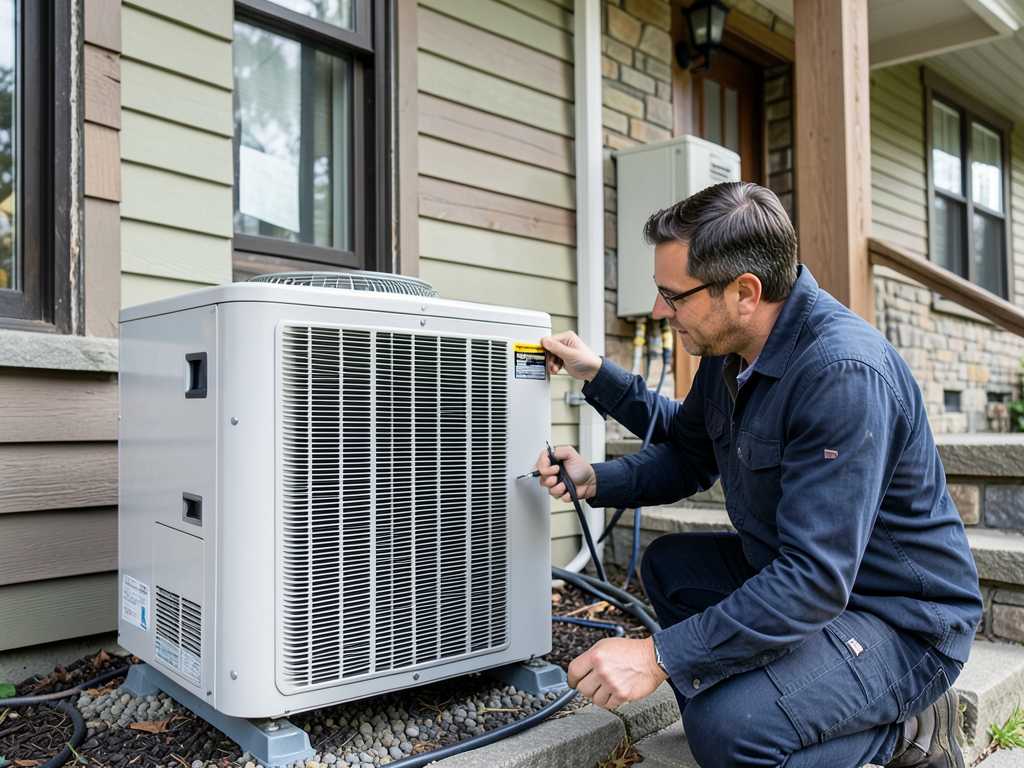
Diagram showing the conversion process from oil furnace to heat pump system including oil tank removal and ductwork modifications.
Understanding Seattle City Light Federal Tax Credit Rebates
Financial incentives make the conversion timeline much more attractive. Seattle City Light offers rebates up to $2000 for heat pump installations with additional incentives for income-qualified households. These rebates apply to both ducted and ductless systems making them accessible regardless of your home’s configuration.
The federal government provides a 30% tax credit through the Inflation Reduction Act capped at $2000 for heat pumps installed in 2026. This credit applies to the total system cost including equipment and installation. For a typical $12000 system that’s $3600 back in your pocket. federal tax credits for heat pumps.
Washington State’s Clean Energy Transformation Act requires utilities to help customers reduce fossil fuel use. This creates additional rebate programs that stack with federal incentives. Some Montlake homeowners qualify for up to $8000 in combined rebates when they switch from oil to electric heat.
The math works out favorably. A $12000 system with $4000 in rebates and $3600 in tax credits brings the net cost to $4400. When you factor in annual energy savings of $800-1200 the system pays for itself in 4-5 years while providing 15-20 years of reliable service afterward. Weekend HVAC Service.
Utility companies also offer low-interest financing for energy efficiency upgrades. Seattle City Light partners with local credit unions to provide loans at 3-5% interest for heat pump installations making the monthly payments comparable to your current energy costs.
The Step-by-Step Conversion Process for Older Seattle Homes
Converting from oil requires careful planning to protect your home and the environment. The first step involves scheduling a professional assessment to evaluate your current system home insulation and electrical capacity. Most Montlake homes built before 1980 need electrical panel upgrades to handle the additional load.
Oil tank decommissioning follows strict King County regulations. Underground tanks require soil testing to check for contamination. If leaks are detected remediation becomes necessary before removal. Above-ground tanks can be cleaned filled with inert material and left in place though most homeowners choose complete removal for the extra space.
The actual installation process takes 2-3 days for a standard system. Technicians first remove the old furnace and oil lines then install the new heat pump components. This includes an outdoor condenser unit and either a new air handler or ductless indoor units. The electrical work typically requires a dedicated 240-volt circuit.
Ductwork evaluation is crucial in Montlake’s older homes. Many houses have original ducts that leak 30-40% of conditioned air. Sealing these leaks or installing ductless mini-splits can dramatically improve efficiency. Some homeowners choose to keep their existing ducts for heating while adding ductless units for cooling only.
Final steps include obtaining permits from the City of Seattle scheduling inspections and registering your system for warranty coverage. The entire process from initial assessment to final inspection typically takes 4-6 weeks though oil tank remediation can extend this timeline if contamination is found.
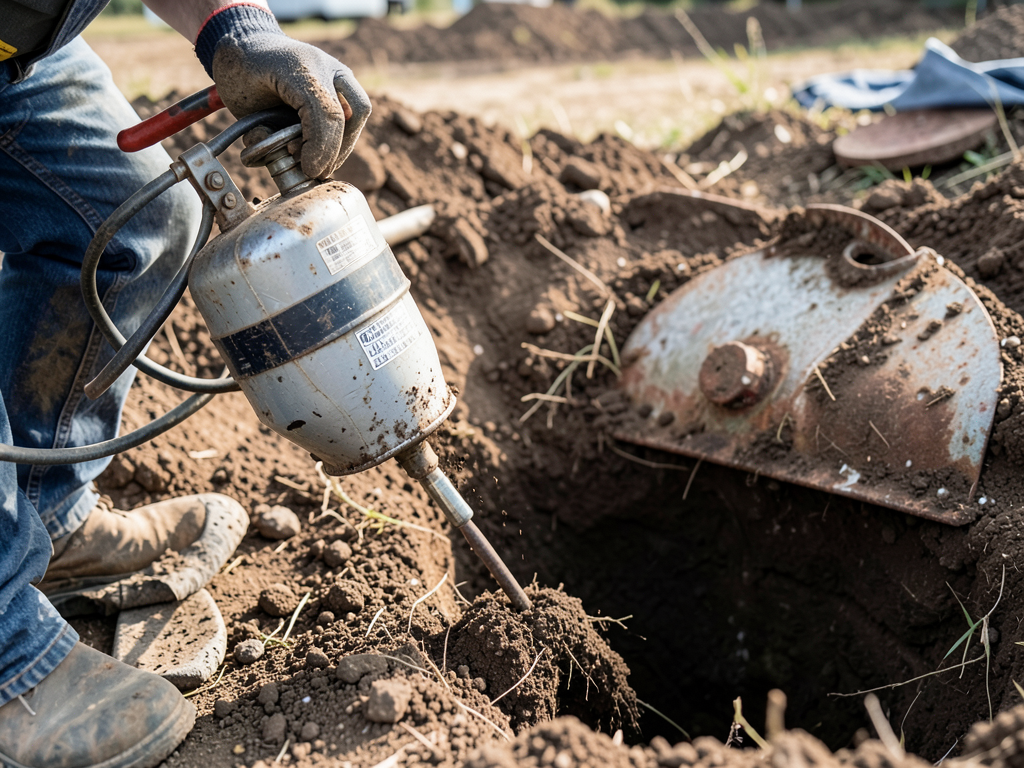
Technician performing soil testing around an old underground oil tank during the decommissioning process in a Montlake home.
Choosing the Right Heat Pump for the Montlake Climate
Heat pump technology has advanced significantly making modern units ideal for Seattle’s specific conditions. Look for systems with SEER2 ratings above 18 and HSPF2 ratings above 10 for optimal efficiency. These numbers indicate how efficiently the unit operates in cooling and heating modes respectively.
Hyper-Heat technology represents the latest advancement for cold climates. These units maintain full heating capacity down to -5°F providing reliable warmth even during Seattle’s occasional cold snaps. They also offer superior dehumidification which is crucial for managing our high humidity levels.
Ductless mini-split systems work exceptionally well in Montlake’s older homes. They eliminate the need for extensive ductwork modifications and allow room-by-room temperature control. Each indoor unit can be controlled independently perfect for the varied heating needs of Craftsman homes with their multiple levels and sun exposures. Why your Ballard home needs professional furnace repair before the first freeze.
For homes with existing ductwork central heat pumps offer whole-house comfort with the familiarity of traditional forced-air systems. Variable-speed compressors in modern units adjust output to match demand eliminating the temperature swings common in older systems. This technology also reduces energy consumption by avoiding full-power starts and stops.
Consider noise levels when selecting equipment. Modern heat pumps operate at 50-60 decibels comparable to a normal conversation. Some manufacturers offer “silent” modes that reduce output and noise for nighttime operation ideal for Montlake’s quiet residential streets.
Smart thermostats enhance heat pump performance by learning your schedule and preferences. They optimize operation based on outdoor temperature forecasts and can integrate with home automation systems. Many utility companies offer additional rebates for installing smart controls with your new heat pump.
Montlake Project Spotlight
The Thompson family on East Calhoun Street recently completed their oil-to-heat pump conversion. Their 1925 Craftsman home had an original oil furnace that was costing them $2800 annually in heating costs. The system also created uneven temperatures with the second floor always cold in winter.
After evaluating their options they chose a Mitsubishi Hyper-Heat ductless system with three indoor units. The installation included oil tank removal electrical panel upgrade and sealing of leaky ductwork. The entire project took five weeks from assessment to final inspection. The best air conditioning options for bungalows and cottages around Green Lake.
The results exceeded expectations. Their annual heating costs dropped to $1100 a 60% reduction. The home now maintains consistent temperatures throughout and they gained valuable basement storage space where the oil tank once stood. The system also provides cooling during summer something their old furnace never could.
Beyond the financial benefits the Thompsons appreciate the environmental impact. Their carbon footprint for heating dropped by over 80% and they no longer worry about potential oil leaks affecting their property or the nearby Arboretum. The quiet operation of the new system is also a welcome change from the old furnace’s constant cycling.
Their experience mirrors what many Montlake homeowners discover: modern heat pumps solve multiple problems at once. They provide reliable heating efficient cooling improved air quality and peace of mind about both energy costs and environmental impact.
Frequently Asked Questions
How long does the entire conversion process take?
The full process typically takes 4-6 weeks from initial assessment to final inspection. Oil tank decommissioning and soil testing can add 2-3 weeks if contamination is found. The actual installation usually completes in 2-3 days.
Will I need to upgrade my electrical panel?
Most homes built before 1980 require electrical panel upgrades to accommodate a heat pump. The new system needs a dedicated 240-volt circuit and older panels often lack the capacity. This upgrade typically costs $1500-2500 but is essential for safe operation.
Are heat pumps noisy?
Modern heat pumps operate at 50-60 decibels similar to a normal conversation. The outdoor unit can be placed on vibration-absorbing pads to minimize noise transfer. Many systems offer quiet modes that reduce both output and sound levels for nighttime operation.
What happens if the power goes out?
Heat pumps require electricity to operate so they won’t work during power outages. Many homeowners pair their conversion with a small generator or battery backup system to maintain heating during outages which are rare in Seattle.
Can I keep my existing ductwork?
Yes if your ducts are in good condition. However most older homes have leaky ducts that reduce efficiency by 30-40%. Sealing existing ducts or installing ductless units often provides better performance and comfort than trying to use old leaky ductwork.
- Schedule Professional Assessment
Have a certified technician evaluate your current system electrical capacity and home insulation needs.
- Plan Oil Tank Decommissioning
Arrange for soil testing if you have an underground tank and schedule removal or abandonment according to King County regulations.
- Select Appropriate System
Choose between ducted or ductless systems based on your home’s layout existing ductwork condition and budget.
- Obtain Permits and Schedule Installation
Work with your contractor to secure necessary permits from the City of Seattle and coordinate the installation timeline.
- Complete Installation and Testing
Have the new system installed perform final testing and schedule inspections to ensure everything meets code requirements.
Converting from oil to heat pump represents a significant investment in your Montlake home’s comfort efficiency and environmental impact. The combination of rising oil costs available rebates and modern heat pump technology makes 2026 the perfect time to make the switch.
Montlake’s unique housing stock requires experienced professionals who understand the specific challenges of older Seattle homes. From dealing with historic ductwork to navigating local permitting requirements the right contractor makes all the difference in a smooth conversion process.
Ready to eliminate your oil furnace and enjoy reliable efficient heating and cooling? Call (564) 220-5899 today to schedule your free assessment. Our NATE-certified technicians will evaluate your home and provide a detailed quote with all available rebates applied. Don’t wait for another oil price spike or equipment failure – make the switch to modern comfort now.
Pick up the phone and call (564) 220-5899 before the next storm hits. Your Montlake home deserves reliable efficient heating that protects both your wallet and the environment we all share.
{
“@context”: “https://schema.org”,
“@type”: “BlogPosting”,
“headline”: “Switching from an old oil furnace to a modern heat pump in Montlake”,
“description”: “Montlake homeowners save money and reduce emissions by converting from oil furnaces to heat pumps. Learn about rebates, the conversion process, and local incentives.”,
“wordCount”: 1871,
“datePublished”: “2026-04-13T12:44:00.000Z”,
“dateModified”: “2026-04-13T12:44:00.000Z”,
“inLanguage”: “en-US”,
“mainEntityOfPage”: {
“@type”: “WebPage”,
“@id”: “https://peakhvacseattle.com”
},
“publisher”: {
“@type”: “LocalBusiness”,
“name”: “Peak HVAC Seattle”,
“url”: “https://peakhvacseattle.com”
},
“author”: {
“@type”: “Organization”,
“name”: “Peak HVAC Seattle”,
“url”: “https://peakhvacseattle.com”
},
“image”: {
“@type”: “ImageObject”,
“url”: “https://peakhvacseattle.com/wp-content/uploads/2026/03/switching-from-an-old-oil-furnace-to-a-modern-heat-1.png”
}
}
{
“@context”: “https://schema.org”,
“@type”: “HVACBusiness”,
“name”: “Peak HVAC Seattle”,
“url”: “https://peakhvacseattle.com”,
“address”: {
“@type”: “PostalAddress”,
“addressLocality”: “Seattle”
},
“areaServed”: {
“@type”: “City”,
“name”: “Seattle”
}
}
{
“@context”: “https://schema.org”,
“@type”: “FAQPage”,
“mainEntity”: [
{
“@type”: “Question”,
“name”: “How long does the entire conversion process take?”,
“acceptedAnswer”: {
“@type”: “Answer”,
“text”: “The full process typically takes 4-6 weeks from initial assessment to final inspection. Oil tank decommissioning and soil testing can add 2-3 weeks if contamination is found. The actual installation usually completes in 2-3 days.”
}
},
{
“@type”: “Question”,
“name”: “Will I need to upgrade my electrical panel?”,
“acceptedAnswer”: {
“@type”: “Answer”,
“text”: “Most homes built before 1980 require electrical panel upgrades to accommodate a heat pump. The new system needs a dedicated 240-volt circuit and older panels often lack the capacity. This upgrade typically costs $1500-2500 but is essential for safe operation.”
}
},
{
“@type”: “Question”,
“name”: “Are heat pumps noisy?”,
“acceptedAnswer”: {
“@type”: “Answer”,
“text”: “Modern heat pumps operate at 50-60 decibels similar to a normal conversation. The outdoor unit can be placed on vibration-absorbing pads to minimize noise transfer. Many systems offer quiet modes that reduce both output and sound levels for nighttime operation.”
}
},
{
“@type”: “Question”,
“name”: “What happens if the power goes out?”,
“acceptedAnswer”: {
“@type”: “Answer”,
“text”: “Heat pumps require electricity to operate so they won’t work during power outages. Many homeowners pair their conversion with a small generator or battery backup system to maintain heating during outages which are rare in Seattle.”
}
},
{
“@type”: “Question”,
“name”: “Can I keep my existing ductwork?”,
“acceptedAnswer”: {
“@type”: “Answer”,
“text”: “Yes if your ducts are in good condition. However most older homes have leaky ducts that reduce efficiency by 30-40%. Sealing existing ducts or installing ductless units often provides better performance and comfort than trying to use old leaky ductwork.”
}
}
]
}
{
“@context”: “https://schema.org”,
“@type”: “HowTo”,
“name”: “How to Convert from Oil to Heat Pump”,
“step”: [
{
“@type”: “HowToStep”,
“position”: 1,
“name”: “Schedule Professional Assessment”,
“text”: “Have a certified technician evaluate your current system electrical capacity and home insulation needs.”
},
{
“@type”: “HowToStep”,
“position”: 2,
“name”: “Plan Oil Tank Decommissioning”,
“text”: “Arrange for soil testing if you have an underground tank and schedule removal or abandonment according to King County regulations.”
},
{
“@type”: “HowToStep”,
“position”: 3,
“name”: “Select Appropriate System”,
“text”: “Choose between ducted or ductless systems based on your home’s layout existing ductwork condition and budget.”
},
{
“@type”: “HowToStep”,
“position”: 4,
“name”: “Obtain Permits and Schedule Installation”,
“text”: “Work with your contractor to secure necessary permits from the City of Seattle and coordinate the installation timeline.”
},
{
“@type”: “HowToStep”,
“position”: 5,
“name”: “Complete Installation and Testing”,
“text”: “Have the new system installed perform final testing and schedule inspections to ensure everything meets code requirements.”
}
],
“image”: “https://peakhvacseattle.com/wp-content/uploads/2026/03/switching-from-an-old-oil-furnace-to-a-modern-heat-1.png”
}
{
“@context”: “https://schema.org”,
“@type”: “BreadcrumbList”,
“itemListElement”: [
{
“@type”: “ListItem”,
“position”: 1,
“name”: “Home”,
“item”: “https://peakhvacseattle.com”
},
{
“@type”: “ListItem”,
“position”: 2,
“name”: “Blog”,
“item”: “https://peakhvacseattle.com/blog”
},
{
“@type”: “ListItem”,
“position”: 3,
“name”: “Switching from an old oil furnace to a modern heat pump in Montlake”
}
]
}
{
“@context”: “https://schema.org”,
“@type”: “Service”,
“serviceType”: “HVAC”,
“provider”: {
“@type”: “LocalBusiness”,
“name”: “Peak HVAC Seattle”,
“url”: “https://peakhvacseattle.com”
},
“areaServed”: {
“@type”: “City”,
“name”: “Seattle”
},
“description”: “Montlake homeowners save money and reduce emissions by converting from oil furnaces to heat pumps. Learn about rebates, the conversion process, and local incentives.”
}