
Why Kirkland homeowners are choosing ductless mini-splits over central air
Kirkland residents are making the switch to ductless mini-splits at record rates and for good reason. These systems deliver precise comfort without the ductwork headaches that plague many Eastside homes. In a region where summers are getting hotter and energy costs keep climbing ductless technology offers a compelling alternative that simply outperforms traditional central air conditioning.
The Pacific Northwest climate creates unique challenges for home cooling. Our mild but increasingly warm summers mean most homes need cooling for only a few months each year. Yet when temperatures spike into the 90s as they did during the 2021 heat dome having reliable air conditioning becomes critical. Ductless mini-splits handle this seasonal demand efficiently while providing year-round heating capabilities that many Kirkland homeowners find surprisingly effective.
Energy efficiency that cuts utility bills
Ductless systems achieve efficiency ratings that leave central air in the dust. While standard central air conditioners typically deliver SEER2 ratings in the mid-teens premium ductless units regularly achieve SEER2 ratings above 20. This efficiency translates directly to lower electricity bills during the cooling season. City of Kirkland Building Department.
The inverter technology at the heart of ductless systems eliminates the energy waste of constant on-off cycling. Instead of running at full blast until the thermostat is satisfied then shutting down completely ductless compressors adjust their output to match the exact cooling demand. This variable-speed operation maintains consistent temperatures while using far less electricity.
For Kirkland homes this efficiency matters more than ever. Puget Sound Energy rates continue climbing and many homeowners are looking for ways to reduce their carbon footprint. Ductless systems use advanced refrigerants with lower global warming potential and consume less electricity overall making them an environmentally conscious choice. Puget Sound Energy rebates.
Perfect for Kirkland’s diverse housing stock
Kirkland’s architectural landscape includes everything from mid-century ramblers in Houghton to new townhomes in Totem Lake. This diversity creates unique HVAC challenges that ductless systems handle exceptionally well.
Older homes built before the 1980s often lack ductwork entirely. Adding central air to these homes requires extensive renovation including cutting into walls and ceilings to run ducts. The cost can easily exceed $15000 and may damage historic features or compromise the home’s character.
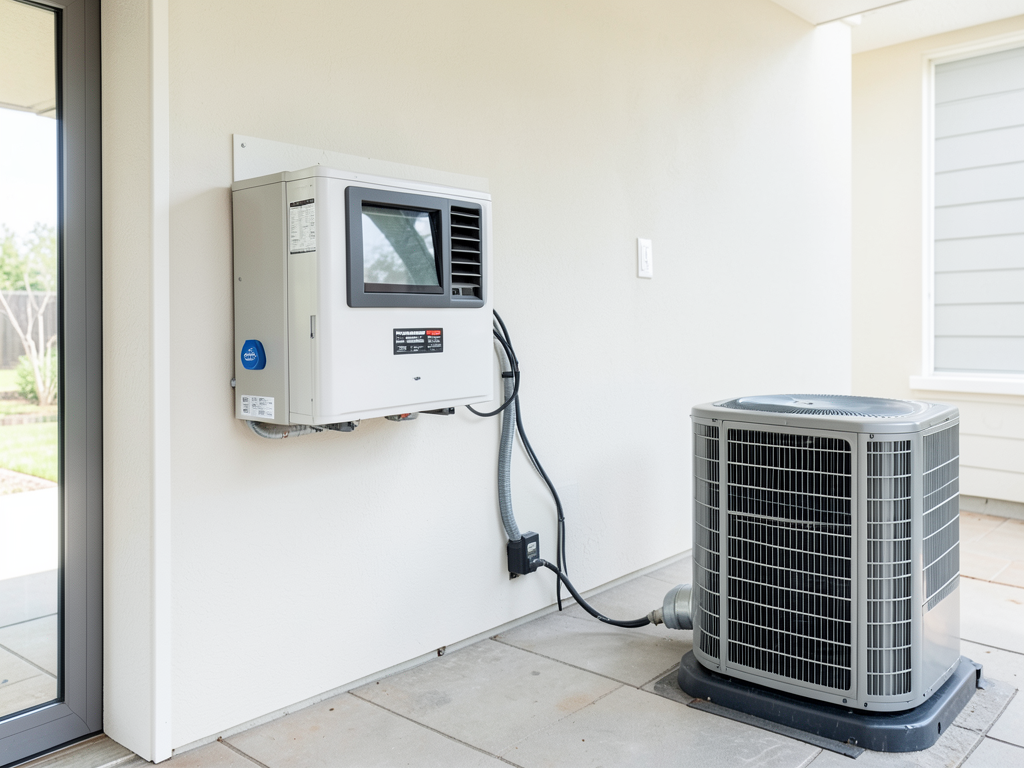
Ductless installation avoids all these problems. A typical single-zone system requires only a three-inch hole through an exterior wall for refrigerant lines. Indoor units mount on walls or ceilings with minimal intrusion. Multi-zone systems can cool an entire home by connecting several indoor units to one outdoor compressor.
New construction in Kirkland’s growing neighborhoods benefits from ductless technology too. Many modern townhomes and condos are designed with open floor plans that make zoning particularly effective. Ductless systems allow different areas to maintain different temperatures eliminating the hot and cold spots common in central air systems.
Superior humidity control for the PNW
Washington’s marine climate brings humidity levels that make traditional air conditioning struggle. Central systems often short-cycle in our mild temperatures running for brief periods that remove little moisture from the air. This leaves homes feeling clammy and uncomfortable even when the temperature is technically cool.
Ductless mini-splits excel at dehumidification. Their longer run times at lower speeds extract more moisture from the air. Many units include dedicated dry mode settings that prioritize humidity removal over temperature reduction. This capability is particularly valuable in Kirkland’s older homes where moisture can lead to mold growth and indoor air quality issues.
The difference is noticeable. Homeowners report that ductless-cooled spaces feel more comfortable at higher temperatures because the air isn’t sticky. This allows the system to run less while maintaining better comfort further improving efficiency.
Installation process and what to expect
Professional ductless installation follows a systematic process that ensures optimal performance. The first step involves a detailed load calculation using Manual J methodology. This analysis determines exactly how much cooling each room needs based on square footage insulation levels window orientation and local climate data.
Outdoor unit placement requires careful consideration of noise clearance requirements and visual impact. Local building codes specify minimum distances from property lines and neighboring windows. The condenser needs adequate airflow and should be positioned away from bedrooms when possible.
Indoor unit selection depends on the room’s layout and your aesthetic preferences. Wall-mounted units are most common and least expensive. Ceiling cassette units provide a more concealed look but cost more. Floor-standing models work well in rooms with limited wall space.
The refrigerant line installation involves running insulated copper tubing through walls or along exterior surfaces. Professional installers use specialized tools to ensure proper brazing and evacuation of moisture from the lines. This step is critical for system longevity and efficiency.
Electrical connections must comply with National Electrical Code requirements. Most ductless systems require a dedicated 220-volt circuit with proper grounding and overcurrent protection. Professional electricians handle this work to ensure safety and code compliance.
Top brands we trust for Kirkland installations
Not all ductless systems are created equal. After years of experience in the Kirkland market we’ve identified manufacturers that consistently deliver reliability and performance in our specific climate conditions.
Mitsubishi Electric leads the premium segment with their Hyper-Heating INVERTER technology. These units maintain full heating capacity down to 5°F making them ideal for year-round comfort. Their H2i models achieve some of the highest efficiency ratings available and include advanced filtration that removes allergens and particulates.
Daikin offers excellent value with their VRV and Fit series. These systems provide reliable performance at a lower price point than Mitsubishi. Daikin’s inverter technology is particularly refined delivering smooth temperature control and quiet operation.
LG and Fujitsu round out the top tier with innovative features like dual inverter compressors and smart home integration. LG’s Art Cool Gallery series even disguises indoor units as artwork perfect for homes where aesthetics are paramount.
Choosing the right brand depends on your specific needs budget and the size of your home. We help Kirkland homeowners navigate these options to find the perfect match.
Kirkland permit requirements and utility rebates
Installing ductless systems in Kirkland requires navigating local permitting requirements. The City of Kirkland Building Department mandates mechanical permits for all new HVAC installations. This process ensures your system meets Washington State Energy Code requirements and is installed safely. EPA Section 608 certification.
Permit applications require detailed equipment specifications including SEER2 and HSPF2 ratings. The city reviews these submissions to verify compliance with current energy efficiency standards. Most permits are approved within 3-5 business days though complex multi-zone installations may require additional review.
Washington State law requires all refrigerant handling to be performed by certified technicians. The EPA Section 608 certification ensures proper recovery and recycling of refrigerants protecting the environment and complying with federal regulations.
Financial incentives make ductless installation even more attractive. Puget Sound Energy offers rebates up to $1200 for qualifying high-efficiency ductless heat pumps. These rebates require installation by a PSE-approved contractor and submission of efficiency documentation.
The Washington State Clean Energy Fund provides additional incentives for income-qualified homeowners. These programs can cover up to 90% of installation costs for qualifying households making energy-efficient cooling accessible to more Kirkland residents.
Customer success stories from Kirkland
The proof is in the results. Kirkland homeowners who switched to ductless systems report dramatic improvements in comfort and energy savings.
A family in Juanita installed a multi-zone system in their 1960s rambler. They eliminated window units that were noisy and inefficient. Their summer electricity bills dropped by 40% while cooling became consistent throughout the home.
A retired couple in Houghton replaced their aging central air with a high-efficiency ductless system. The new units heat their home effectively during mild winter days reducing their gas furnace usage by about 30%. They particularly appreciate the quiet operation and improved air quality.
A tech worker in Totem Lake installed a single-zone system in their home office. The dedicated cooling eliminated the afternoon heat buildup that made video calls uncomfortable. The Wi-Fi enabled controls allow them to adjust settings remotely ensuring comfort before they arrive home.
These real-world examples demonstrate how ductless technology solves specific problems that central air cannot address effectively in our local conditions.
Maintenance and longevity considerations
Ductless systems require regular maintenance to maintain peak efficiency. The most important task is cleaning or replacing air filters every 1-3 months. Dirty filters reduce airflow and force the system to work harder increasing energy consumption and wear.
Indoor units need periodic cleaning of the evaporator coil and condensate drain. Dust and debris accumulation on coils reduces heat transfer efficiency. Clogged drains can cause water damage and create conditions for mold growth.
Outdoor units require annual inspection of the condenser coil and fan. Debris like leaves and pine needles can block airflow. The fan should spin freely without wobble or noise.
Professional maintenance includes checking refrigerant levels testing electrical connections and verifying system performance. Most manufacturers recommend annual service by certified technicians to maintain warranty coverage.
With proper maintenance quality ductless systems typically last 15-20 years. This longevity compares favorably to central air systems which often need replacement after 12-15 years due to duct leakage and component wear.
Comparing ductless to other cooling options
Kirkland homeowners have several cooling options but ductless systems offer unique advantages.
Window units are inexpensive upfront but cost more to operate long-term. They block natural light create security concerns and are noisy. Most window units lack heating capability and must be removed and stored seasonally.
Portable air conditioners offer similar drawbacks to window units but with even lower efficiency. They require venting through windows and typically cool only small areas effectively.
Central air provides whole-home cooling but requires existing ductwork. Installation in homes without ducts is expensive and invasive. Central systems also lose 20-30% of their efficiency through duct leakage a significant problem in many Kirkland homes.
Geothermal heat pumps offer excellent efficiency but require substantial upfront investment and yard space for ground loops. They’re best suited for new construction or major renovations.
Ductless systems strike the optimal balance of efficiency cost and installation practicality for most Kirkland applications.
Cost factors and return on investment
Ductless installation costs vary based on system size number of zones and installation complexity. Single-zone systems typically range from $3500 to $5000 installed. Multi-zone systems for whole-home cooling range from $7000 to $15000 depending on the number of indoor units.
Several factors influence the final cost. High-efficiency units with premium features cost more upfront but deliver greater energy savings. Complex installations requiring long refrigerant line runs or electrical upgrades add to the total.
The return on investment calculation includes several components. Energy savings from improved efficiency typically offset 30-50% of the installation cost over the system’s lifetime. Utility rebates and tax incentives can reduce upfront costs by $1000 to $2000.
Increased home value represents another return factor. Energy-efficient HVAC systems appeal to buyers and can increase resale value by $2000 to $5000 depending on the market.
When factoring all these elements most Kirkland homeowners recover their investment within 5-8 years through energy savings and incentives.
Frequently Asked Questions
Are ductless mini-splits effective in Kirkland’s cold winters?
Yes. Modern cold-climate heat pumps maintain heating capacity down to 5°F and can provide supplemental heat for most Kirkland winters. For extreme cold snaps a backup heat source may be needed but many homeowners find ductless systems handle 90% of their heating needs.
How long does ductless installation take?
Most single-zone installations complete in one day. Multi-zone whole-home systems typically require 2-3 days depending on the complexity. This includes permitting installation testing and cleanup. We work efficiently to minimize disruption to your home.
Can ductless systems integrate with smart home technology?
Absolutely. Most premium ductless units offer Wi-Fi connectivity and work with popular smart home platforms. You can control temperatures remotely set schedules and monitor energy usage through smartphone apps. Some systems even integrate with voice assistants like Alexa and Google Assistant.
What maintenance do ductless systems require?
Monthly filter cleaning is essential for optimal performance. Annual professional maintenance includes coil cleaning refrigerant level checks and system testing. These simple steps ensure efficiency and longevity. Most maintenance tasks are straightforward enough for homeowners to handle themselves.
Are there any downsides to ductless systems?
The main considerations are upfront cost and aesthetic preferences. Indoor units are visible on walls or ceilings which some homeowners find less appealing than concealed ductwork. However many find the improved comfort and efficiency worth this trade-off. For homes with existing ductwork central air may be more cost-effective.
Making the right choice for your Kirkland home
Choosing between ductless and central air depends on your specific situation. Consider your home’s age existing infrastructure cooling needs and budget. Ductless systems excel in older homes without ductwork additions and situations requiring zoning flexibility.
The best way to determine if ductless is right for you is through a professional assessment. We evaluate your home’s characteristics discuss your comfort preferences and provide detailed recommendations with clear pricing.
Kirkland’s climate and housing stock make ductless mini-splits an increasingly popular choice. Their efficiency flexibility and performance in our specific conditions explain why so many neighbors are making the switch.
Ready to upgrade your home comfort?
Don’t wait until the next heat wave to address your cooling needs. Call (564) 220-5899 today to schedule your free consultation. We’ll assess your home explain your options and help you choose the perfect system for your needs and budget.
Our experienced technicians understand Kirkland’s unique requirements and can complete your installation efficiently with minimal disruption. We handle all permitting coordinate with utilities for rebates and stand behind our work with comprehensive warranties.
Pick up the phone and call (564) 220-5899 before the next warm spell hits. Your comfort is worth the call.
{
“@context”: “https://schema.org”,
“@type”: “BlogPosting”,
“headline”: “Why Kirkland homeowners are choosing ductless mini-splits over central air”,
“description”: “Kirkland homeowners discover why ductless mini-splits outperform central air in our climate. Learn about efficiency, installation, and local rebates for your Eastside home.”,
“wordCount”: 2280,
“datePublished”: “2026-02-18T12:03:00.000Z”,
“dateModified”: “2026-02-18T12:03:00.000Z”,
“inLanguage”: “en-US”,
“mainEntityOfPage”: {
“@type”: “WebPage”,
“@id”: “https://peakhvacseattle.com”
},
“publisher”: {
“@type”: “LocalBusiness”,
“name”: “Peak HVAC Seattle”,
“url”: “https://peakhvacseattle.com”
},
“author”: {
“@type”: “Organization”,
“name”: “Peak HVAC Seattle”,
“url”: “https://peakhvacseattle.com”
},
“image”: {
“@type”: “ImageObject”,
“url”: “https://peakhvacseattle.com/wp-content/uploads/2026/03/why-kirkland-homeowners-are-choosing-ductless-mini-1.png”
}
}
{
“@context”: “https://schema.org”,
“@type”: “HVACBusiness”,
“name”: “Peak HVAC Seattle”,
“url”: “https://peakhvacseattle.com”,
“address”: {
“@type”: “PostalAddress”,
“addressLocality”: “Seattle”
},
“areaServed”: {
“@type”: “City”,
“name”: “Seattle”
}
}
{
“@context”: “https://schema.org”,
“@type”: “FAQPage”,
“mainEntity”: [
{
“@type”: “Question”,
“name”: “Are ductless mini-splits effective in Kirkland’s cold winters?”,
“acceptedAnswer”: {
“@type”: “Answer”,
“text”: “Yes. Modern cold-climate heat pumps maintain heating capacity down to 5°F and can provide supplemental heat for most Kirkland winters. For extreme cold snaps a backup heat source may be needed but many homeowners find ductless systems handle 90% of their heating needs.”
}
},
{
“@type”: “Question”,
“name”: “How long does ductless installation take?”,
“acceptedAnswer”: {
“@type”: “Answer”,
“text”: “Most single-zone installations complete in one day. Multi-zone whole-home systems typically require 2-3 days depending on the complexity. This includes permitting installation testing and cleanup. We work efficiently to minimize disruption to your home.”
}
},
{
“@type”: “Question”,
“name”: “Can ductless systems integrate with smart home technology?”,
“acceptedAnswer”: {
“@type”: “Answer”,
“text”: “Absolutely. Most premium ductless units offer Wi-Fi connectivity and work with popular smart home platforms. You can control temperatures remotely set schedules and monitor energy usage through smartphone apps. Some systems even integrate with voice assistants like Alexa and Google Assistant.”
}
},
{
“@type”: “Question”,
“name”: “What maintenance do ductless systems require?”,
“acceptedAnswer”: {
“@type”: “Answer”,
“text”: “Monthly filter cleaning is essential for optimal performance. Annual professional maintenance includes coil cleaning refrigerant level checks and system testing. These simple steps ensure efficiency and longevity. Most maintenance tasks are straightforward enough for homeowners to handle themselves.”
}
},
{
“@type”: “Question”,
“name”: “Are there any downsides to ductless systems?”,
“acceptedAnswer”: {
“@type”: “Answer”,
“text”: “The main considerations are upfront cost and aesthetic preferences. Indoor units are visible on walls or ceilings which some homeowners find less appealing than concealed ductwork. However many find the improved comfort and efficiency worth this trade-off. For homes with existing ductwork central air may be more cost-effective.”
}
},
{
“@type”: “Question”,
“name”: “Ready to upgrade your home comfort?”,
“acceptedAnswer”: {
“@type”: “Answer”,
“text”: “Don’t wait until the next heat wave to address your cooling needs. Call (564) 220-5899 today to schedule your free consultation. We’ll assess your home explain your options and help you choose the perfect system for your needs and budget.”
}
}
]
}
{
“@context”: “https://schema.org”,
“@type”: “BreadcrumbList”,
“itemListElement”: [
{
“@type”: “ListItem”,
“position”: 1,
“name”: “Home”,
“item”: “https://peakhvacseattle.com”
},
{
“@type”: “ListItem”,
“position”: 2,
“name”: “Blog”,
“item”: “https://peakhvacseattle.com/blog”
},
{
“@type”: “ListItem”,
“position”: 3,
“name”: “Why Kirkland homeowners are choosing ductless mini-splits over central air”
}
]
}
{
“@context”: “https://schema.org”,
“@type”: “Service”,
“serviceType”: “HVAC”,
“provider”: {
“@type”: “LocalBusiness”,
“name”: “Peak HVAC Seattle”,
“url”: “https://peakhvacseattle.com”
},
“areaServed”: {
“@type”: “City”,
“name”: “Seattle”
},
“description”: “Kirkland homeowners discover why ductless mini-splits outperform central air in our climate. Learn about efficiency, installation, and local rebates for your Eastside home.”
}