Protecting your SODO business equipment with dedicated IT room cooling and ventilation
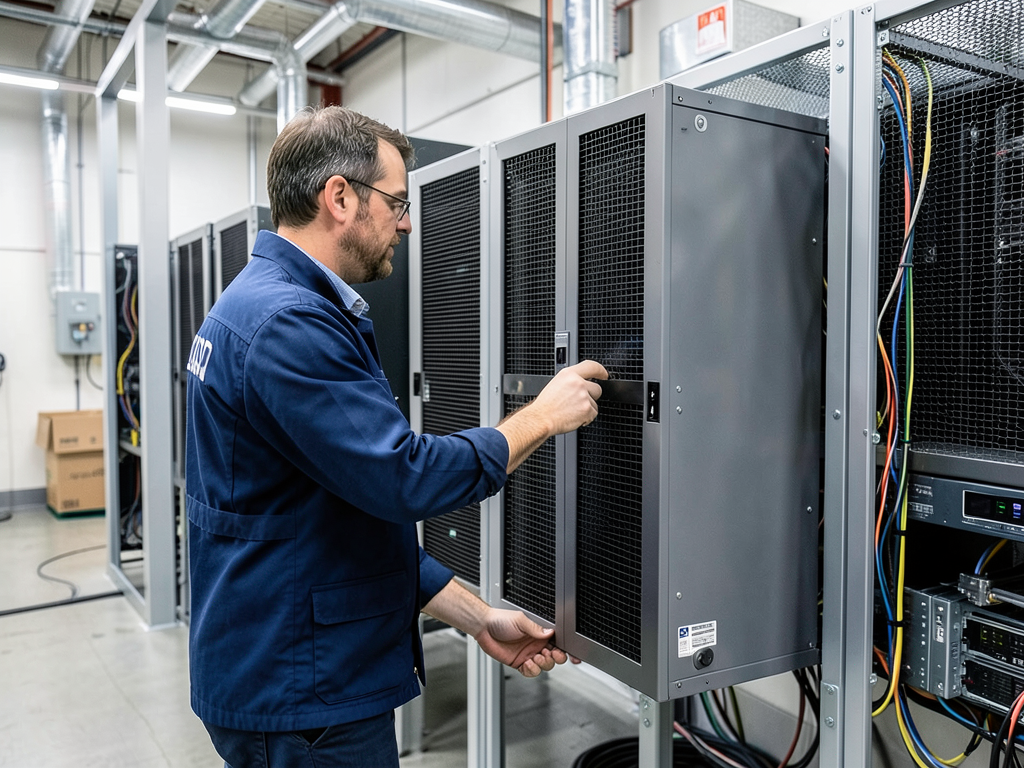
Mission-critical hardware in your SODO business needs specialized climate control that goes beyond standard comfort cooling. Server rooms and data centers generate intense heat loads that can destroy expensive equipment within minutes of a cooling failure. The unique industrial architecture of SODO’s warehouses and converted office spaces creates specific ventilation challenges that require precision-engineered solutions. Why your Ballard home needs professional furnace repair before the first freeze.
Your IT infrastructure represents a significant investment that directly impacts your business operations. A single hour of downtime can cost thousands in lost productivity and data corruption. That’s why dedicated cooling systems with N+1 redundancy and 24/7 monitoring are essential for any SODO business housing servers, networking equipment, or other heat-sensitive electronics.
Seattle’s marine climate adds another layer of complexity. The high humidity levels common to the Puget Sound region can cause condensation on cold equipment surfaces, leading to corrosion and electrical failures. Our precision cooling systems maintain optimal temperature and humidity levels while accounting for SODO’s specific environmental conditions. Seattle City Light energy efficiency rebates.
Why SODO businesses need specialized IT cooling
SODO’s industrial heritage means many buildings were designed for manufacturing, not data processing. These spaces often have high ceilings, large windows, and minimal insulation that make temperature control difficult. The area’s proximity to the Duwamish River creates microclimates with higher humidity than other Seattle neighborhoods.
Standard rooftop units or split systems simply cannot handle the concentrated heat output from server racks. A typical 42U rack can generate 5-10 kW of heat, equivalent to running multiple space heaters continuously. Without proper cooling, equipment temperatures can exceed safe operating ranges within 15-20 minutes.
Commercial buildings in SODO also face unique electrical challenges. Many older structures have limited electrical capacity, making it difficult to support the power demands of both IT equipment and dedicated cooling systems. Our engineers assess your building’s electrical infrastructure and design solutions that work within existing constraints.
Power outages in SODO are another concern. The industrial area experiences more frequent electrical disturbances due to heavy machinery operation in nearby facilities. Our cooling systems include battery backup and generator compatibility to ensure continuous operation during power failures.
Types of precision cooling systems for IT environments
Computer Room Air Conditioning (CRAC) units represent the gold standard for server room cooling. These systems provide precise temperature and humidity control with sensible heat ratios optimized for electronic equipment. Unlike comfort cooling systems, CRAC units maintain tight tolerances of ±1°F and ±3% relative humidity. The best air conditioning options for bungalows and cottages around Green Lake.
In-row cooling systems offer another effective solution for SODO businesses. These units sit between server racks, pulling hot air directly from the equipment and exhausting cool air right where it’s needed. This approach eliminates the temperature stratification common in larger rooms and reduces energy consumption by up to 30%.
Variable Refrigerant Flow (VRF) systems provide flexibility for businesses with mixed-use spaces. These systems can simultaneously cool IT rooms while heating adjacent office areas, making them ideal for SODO’s converted warehouses that combine server rooms with administrative offices.
Ductless mini-split systems work well for smaller server closets and network rooms. While not as precise as CRAC units, modern mini-splits offer excellent efficiency and can maintain stable temperatures in spaces up to 500 square feet. We recommend models with inverter technology for better temperature control.
Hot aisle/cold aisle containment strategies maximize cooling efficiency regardless of the system type. By separating hot exhaust air from cold supply air, these configurations prevent the mixing that reduces cooling effectiveness. This approach can reduce cooling energy costs by 20-40% while improving equipment reliability.
Redundancy planning for mission-critical operations
N+1 redundancy means having one more cooling unit than you need for normal operation. If one unit fails, the remaining units can maintain safe temperatures while repairs are made. For SODO businesses, this translates to continuous protection against equipment damage and data loss.
2N redundancy provides even greater protection by completely duplicating your cooling infrastructure. Each system can handle 100% of the heat load independently. While more expensive upfront, this approach eliminates any single point of failure and is essential for businesses where downtime costs exceed $10,000 per hour.
Remote monitoring systems alert you to temperature excursions, humidity spikes, or equipment failures before they cause damage. Our systems send text and email notifications when conditions deviate from preset parameters, allowing for immediate intervention even when you’re offsite.
Emergency response planning is critical for SODO businesses. We maintain a fleet of portable cooling units that can be deployed within hours to provide temporary cooling during major repairs or system upgrades. This ensures your operations continue uninterrupted even during extensive maintenance. Who to call for 24 hour emergency furnace repair in West Seattle.
Regular testing of backup systems verifies they’ll function when needed. We recommend monthly operational tests of all redundant components and quarterly full-system failure simulations to ensure your cooling infrastructure performs under real-world conditions.
Energy efficiency and cost optimization
Power Usage Effectiveness (PUE) measures how efficiently your IT cooling operates. A PUE of 1.0 means all energy goes to IT equipment with no overhead. Most data centers achieve PUE between 1.5 and 2.0, but our optimized systems routinely achieve 1.3 or better.
Seattle City Light offers rebates for high-efficiency cooling equipment that can offset 15-25% of installation costs. Our team handles all rebate paperwork and ensures your system qualifies for maximum incentives. These programs are particularly generous for businesses in SODO due to the area’s industrial energy usage profile.
Free cooling strategies take advantage of Seattle’s mild climate. During cooler months, our systems can use outside air for cooling instead of mechanical refrigeration, reducing energy consumption by up to 70%. This approach is especially effective in SODO where many buildings have good access to outside air.
Economizer cycles automatically switch between mechanical and free cooling based on outdoor conditions. These systems monitor temperature and humidity to determine the most efficient cooling method, typically saving 15-30% on annual cooling costs while maintaining optimal equipment temperatures.
Hot aisle containment reduces the amount of air that needs cooling, directly lowering energy consumption. By containing hot exhaust and directing it straight to the cooling units, these systems can reduce cooling energy by 20-40% while improving overall system efficiency.
Preventative maintenance for 24/7 reliability
Preventative maintenance prevents the 90% of cooling failures that result from neglected upkeep. Our comprehensive maintenance programs include quarterly filter changes, coil cleaning, refrigerant level checks, and electrical connection inspections. These services reduce the risk of unexpected failures by over 80%. Preventative HVAC maintenance plans that actually save money for Redmond families.
Air filter replacement is critical in SODO’s industrial environment. The area’s proximity to shipping and manufacturing creates higher particulate levels that can clog filters and reduce system efficiency. We recommend replacing filters every 30-60 days instead of the standard 90-day interval.
Condenser coil cleaning removes the buildup that reduces heat transfer efficiency. In SODO’s marine environment, salt and other contaminants accumulate on coils, reducing cooling capacity by up to 30% if left unchecked. Professional cleaning restores full efficiency and prevents premature equipment failure.
Refrigerant level monitoring prevents the gradual efficiency losses that occur with small leaks. Our technicians use electronic leak detectors to find and repair minor leaks before they become major problems. Maintaining proper refrigerant charge improves efficiency by 5-15% and extends equipment life.
Electrical connection inspection identifies loose terminals and corroded contacts that cause intermittent failures. The thermal cycling in cooling systems causes connections to loosen over time, creating resistance that generates heat and can lead to complete system failure. Annual tightening prevents these issues.
Compliance with Seattle building codes and standards
Seattle Energy Code Section 1134.1 requires dedicated cooling systems for spaces with heat-generating equipment exceeding 5 kW. This code applies to most SODO server rooms and data centers, mandating specific efficiency standards and ventilation requirements that differ from standard office cooling.
ASHRAE Standard 90.4 sets minimum efficiency requirements for data center cooling systems. Our designs exceed these standards by incorporating high-efficiency components and intelligent control systems that optimize operation based on actual heat load and environmental conditions. ASHRAE standards for data center cooling.
Seattle Department of Construction and Inspections (SDCI) requires permits for all new cooling installations over 5 tons. Our team handles all permitting requirements and ensures your system meets local code requirements for noise, electrical safety, and environmental compliance.
Washington State Ventilation and Indoor Air Quality Code Section 402.7 mandates specific ventilation rates for electronic equipment rooms. These requirements ensure adequate fresh air exchange to prevent the buildup of ozone and other byproducts that can damage sensitive electronics.
Fire code compliance is essential for IT cooling systems. Seattle Fire Code Section 909 requires specific fire suppression systems for electronic equipment rooms, and our designs integrate with these systems to ensure both cooling and fire protection work together effectively.
Emergency repair services for SODO businesses
24/7 emergency repair service is non-negotiable for mission-critical cooling systems. When your server room cooling fails at 2 AM, every minute of downtime risks equipment damage and data loss. Our technicians arrive within 2 hours of your call, fully equipped to restore cooling and protect your investment. Weekend HVAC Service.
Emergency response times matter more in SODO than other areas due to the concentration of IT-dependent businesses. We maintain a dedicated emergency response team specifically for SODO, ensuring rapid deployment when cooling systems fail outside normal business hours.
Temporary cooling solutions bridge the gap during major repairs. Our portable cooling units can provide immediate relief while permanent repairs are underway, preventing the equipment damage that occurs when temperatures exceed safe operating ranges.
Priority service agreements guarantee response times and provide discounted emergency rates for our maintenance customers. These agreements include priority scheduling, reduced response times, and waived after-hours fees for covered equipment.
Insurance coordination helps you recover costs from cooling failures. We work directly with insurance companies to document damage, provide repair estimates, and ensure you receive proper compensation for equipment losses and business interruption.
Choosing the right system for your SODO business
Heat load calculations determine the cooling capacity you need. We perform detailed thermal analysis considering equipment density, room dimensions, insulation levels, and heat-generating lighting or other equipment. This ensures your system provides adequate cooling without wasting energy on oversizing.
Space constraints in SODO’s converted warehouses affect system selection. Many buildings have limited mechanical room space or ceiling height restrictions that require compact or ceiling-mounted units. Our engineers design around these constraints while maintaining optimal cooling performance.
Noise considerations matter for businesses with adjacent office spaces. CRAC units can generate significant noise, so we offer sound-attenuated enclosures and strategic placement options that minimize disruption to your workplace while maintaining cooling effectiveness.
Future expansion planning prevents the need for premature system replacement. We design cooling systems with 20-30% excess capacity to accommodate business growth and technology upgrades, saving you the cost of complete system replacement as your needs evolve.
Integration with existing building management systems provides centralized control and monitoring. Our cooling systems can connect to your current HVAC controls, security systems, and IT infrastructure for unified management and automated responses to changing conditions.
Cost factors and return on investment
Initial installation costs vary based on system type, capacity, and building requirements. CRAC units typically cost $15-25 per square foot of cooled space, while in-row systems run $20-30 per square foot. These investments pay for themselves through improved equipment reliability and reduced energy consumption.
Energy savings from high-efficiency systems can reduce annual cooling costs by 30-50%. In SODO’s industrial electricity rates, this translates to $3,000-8,000 in annual savings for typical server rooms, providing payback periods of 2-4 years for premium systems.
Equipment protection prevents the catastrophic losses that occur when cooling fails. A single incident of overheating can destroy thousands in hardware and cause weeks of downtime. Quality cooling systems eliminate this risk, providing insurance against the most expensive type of IT failure.
Increased equipment lifespan results from maintaining optimal operating temperatures. Servers and networking equipment last 40-60% longer when kept within recommended temperature ranges, reducing replacement costs and the labor required for equipment upgrades.
Productivity improvements from reliable cooling extend beyond IT equipment. Stable temperatures improve comfort for employees working in or near server rooms, reducing complaints and potential health issues related to poor air quality or temperature extremes.
Frequently Asked Questions
How much cooling capacity do I need for my server room?
Calculate 400-500 BTU per square foot for typical server rooms, plus 5,000 BTU for each server rack. A 200 square foot room with 4 racks needs approximately 18,000-20,000 BTU of cooling capacity. We recommend adding 20% for redundancy and future expansion.
What temperature should my server room maintain?
ASHRAE recommends 64-81°F for server inlet air, with 80°F being optimal for energy efficiency. Humidity should stay between 40-60% relative humidity. These ranges ensure equipment reliability while maximizing energy efficiency.
How often should cooling systems be serviced?
Quarterly maintenance is essential for reliable operation. This includes filter changes, coil cleaning, refrigerant checks, and electrical inspections. Annual comprehensive service should include performance testing and system calibration to maintain optimal efficiency.
Can I use standard air conditioning for my server room?
Standard AC units lack the precision control and sensible heat ratios needed for IT equipment. They’re designed for comfort cooling, not the concentrated heat loads from electronics. Dedicated precision cooling systems are essential for reliable operation.
What happens if my cooling system fails?
Equipment temperatures rise rapidly, potentially causing permanent damage within 15-30 minutes. Critical systems may shut down automatically to prevent damage. Our 24/7 emergency service ensures rapid response to minimize downtime and protect your investment.
Take action to protect your SODO business equipment
Don’t wait for a cooling failure to damage your expensive IT equipment. Our precision cooling specialists understand the unique challenges of SODO’s industrial environment and can design a system that protects your investment while optimizing energy efficiency. We’ve helped dozens of SODO businesses implement reliable cooling solutions that prevent costly downtime.
Every day without proper cooling is a risk to your business operations. The marine climate, industrial environment, and concentration of IT-dependent businesses in SODO make specialized cooling essential. Our team provides free consultations to assess your needs and recommend the most cost-effective solution for your specific situation.
Call (564) 220-5899 today to schedule your inspection. Our technicians will evaluate your current cooling setup, identify potential risks, and provide a detailed proposal for upgrading to a reliable, efficient system. Don’t let another day go by without protecting your mission-critical equipment from the costly damage of inadequate cooling.
Pick up the phone and call (564) 220-5899 before the next heat wave hits. Summer temperatures in Seattle are becoming more extreme, and your current cooling system may not handle the increased loads. We offer same-day consultations for urgent cases and can often install new systems within one week of approval.
{
“@context”: “https://schema.org”,
“@type”: “BlogPosting”,
“headline”: “Protecting your SODO business equipment with dedicated IT room cooling and ventilation”,
“description”: “Keep your SODO data center equipment safe with precision cooling systems. Learn about redundancy, energy efficiency, and 24/7 emergency repair services in Seattle.”,
“wordCount”: 2489,
“datePublished”: “2026-03-16T09:29:00.000Z”,
“dateModified”: “2026-03-16T09:29:00.000Z”,
“inLanguage”: “en-US”,
“mainEntityOfPage”: {
“@type”: “WebPage”,
“@id”: “https://peakhvacseattle.com”
},
“publisher”: {
“@type”: “LocalBusiness”,
“name”: “Peak HVAC Seattle”,
“url”: “https://peakhvacseattle.com”
},
“author”: {
“@type”: “Organization”,
“name”: “Peak HVAC Seattle”,
“url”: “https://peakhvacseattle.com”
},
“image”: {
“@type”: “ImageObject”,
“url”: “https://peakhvacseattle.com/wp-content/uploads/2026/03/protecting-your-sodo-business-equipment-with-dedic-1.png”
}
}
{
“@context”: “https://schema.org”,
“@type”: “HVACBusiness”,
“name”: “Peak HVAC Seattle”,
“url”: “https://peakhvacseattle.com”,
“address”: {
“@type”: “PostalAddress”,
“addressLocality”: “Seattle”
},
“areaServed”: {
“@type”: “City”,
“name”: “Seattle”
}
}
{
“@context”: “https://schema.org”,
“@type”: “FAQPage”,
“mainEntity”: [
{
“@type”: “Question”,
“name”: “How much cooling capacity do I need for my server room?”,
“acceptedAnswer”: {
“@type”: “Answer”,
“text”: “Calculate 400-500 BTU per square foot for typical server rooms, plus 5,000 BTU for each server rack. A 200 square foot room with 4 racks needs approximately 18,000-20,000 BTU of cooling capacity. We recommend adding 20% for redundancy and future expansion.”
}
},
{
“@type”: “Question”,
“name”: “What temperature should my server room maintain?”,
“acceptedAnswer”: {
“@type”: “Answer”,
“text”: “ASHRAE recommends 64-81°F for server inlet air, with 80°F being optimal for energy efficiency. Humidity should stay between 40-60% relative humidity. These ranges ensure equipment reliability while maximizing energy efficiency.”
}
},
{
“@type”: “Question”,
“name”: “How often should cooling systems be serviced?”,
“acceptedAnswer”: {
“@type”: “Answer”,
“text”: “Quarterly maintenance is essential for reliable operation. This includes filter changes, coil cleaning, refrigerant checks, and electrical inspections. Annual comprehensive service should include performance testing and system calibration to maintain optimal efficiency.”
}
},
{
“@type”: “Question”,
“name”: “What happens if my cooling system fails?”,
“acceptedAnswer”: {
“@type”: “Answer”,
“text”: “Equipment temperatures rise rapidly, potentially causing permanent damage within 15-30 minutes. Critical systems may shut down automatically to prevent damage. Our 24/7 emergency service ensures rapid response to minimize downtime and protect your investment.”
}
}
]
}
{
“@context”: “https://schema.org”,
“@type”: “BreadcrumbList”,
“itemListElement”: [
{
“@type”: “ListItem”,
“position”: 1,
“name”: “Home”,
“item”: “https://peakhvacseattle.com”
},
{
“@type”: “ListItem”,
“position”: 2,
“name”: “Blog”,
“item”: “https://peakhvacseattle.com/blog”
},
{
“@type”: “ListItem”,
“position”: 3,
“name”: “Protecting your SODO business equipment with dedicated IT room cooling and ventilation”
}
]
}
{
“@context”: “https://schema.org”,
“@type”: “Service”,
“serviceType”: “HVAC”,
“provider”: {
“@type”: “LocalBusiness”,
“name”: “Peak HVAC Seattle”,
“url”: “https://peakhvacseattle.com”
},
“areaServed”: {
“@type”: “City”,
“name”: “Seattle”
},
“description”: “Keep your SODO data center equipment safe with precision cooling systems. Learn about redundancy, energy efficiency, and 24/7 emergency repair services in Seattle.”
}