
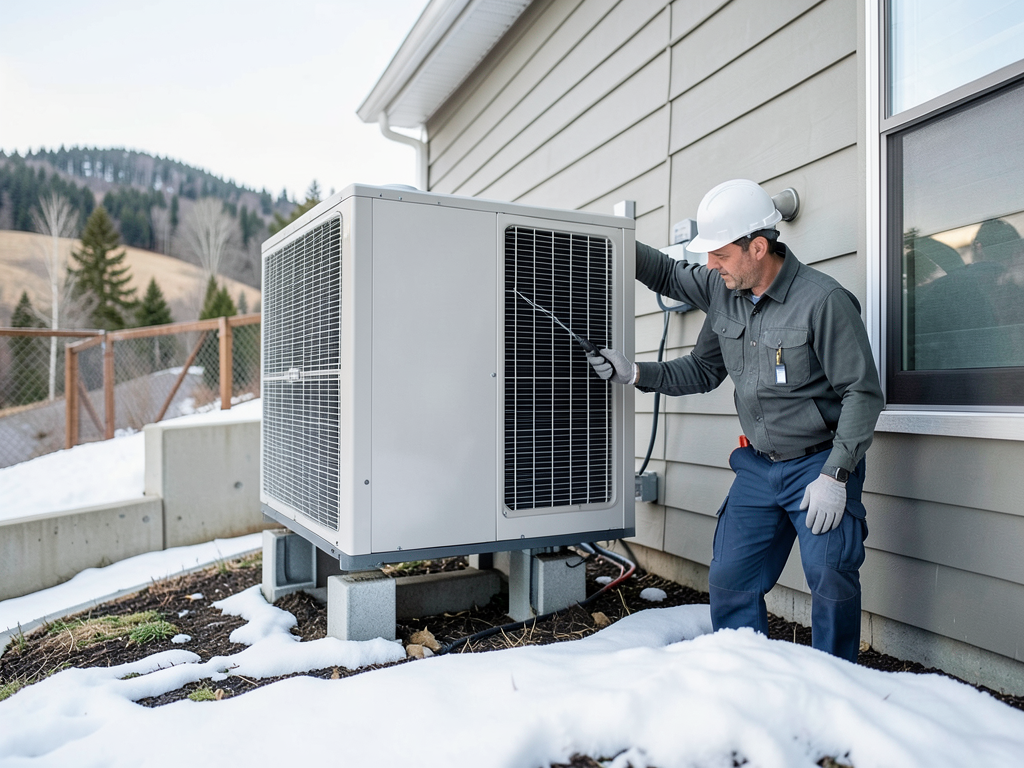
Converting from gas to electric heating in your Issaquah home
Converting your Issaquah home from gas to electric heating is a smart move for 2026. You get cleaner energy, lower long-term costs, and year-round comfort with modern heat pumps. This guide covers everything you need to know about making the switch in the 98027 and 98029 areas.. Read more about Why a dual fuel heating system makes sense for the larger wooded lots in Woodinville.
Why Issaquah homeowners are switching to electric heat pumps
Issaquah’s climate makes electric heat pumps an ideal choice. These systems handle our wet winters and increasingly hot summers with equal efficiency. Unlike gas furnaces that only provide heat, heat pumps deliver both heating and cooling from a single unit. Who to call for 24 hour emergency furnace repair in West Seattle.
The technology has improved dramatically for cold climates. Modern cold-climate heat pumps maintain efficiency even when temperatures drop below freezing. This matters in Issaquah where winter mornings can dip into the 20s.
Many Issaquah homeowners are motivated by rising gas prices and environmental concerns. Washington State’s clean energy grid means electric heating produces significantly less carbon than burning natural gas.. Read more about Why Kirkland homeowners are choosing ductless mini-splits over central air.
The financials: PSE rebates and federal tax credits for 98027 & 98029
Converting to electric heating comes with substantial financial incentives in 2026. Puget Sound Energy offers rebates up to $1,500 for qualifying heat pump installations in Issaquah. These rebates apply to both air source and ground source heat pump systems. Puget Sound Energy rebates.
The federal Inflation Reduction Act provides additional tax credits. Homeowners can claim 30% of installation costs up to $2,000 for qualified heat pump systems. Combined with PSE rebates, these incentives can cover 40-50% of your conversion costs. federal tax credits for heat pumps.
Here’s a breakdown of typical savings:
| Cost Component | Gas Furnace | Electric Heat Pump |
|---|---|---|
| Annual Operating Cost | $900-1,200 | $600-900 |
| Maintenance Cost | $150-250 | $100-200 |
| Lifespan | 15-20 years | 15-20 years |
| Environmental Impact | High CO2 emissions | Low CO2 emissions |
Heat pumps typically pay for themselves within 5-7 years through energy savings. The exact payback period depends on your home’s insulation and usage patterns.
Technical requirements: Is your Issaquah home ready for a heat pump?
Most Issaquah homes need electrical panel upgrades before converting to electric heating. Gas furnaces typically use 30-amp circuits while heat pumps require 60-80 amp service. Homes built before 2000 often have 100-amp panels that need upgrading to 200 amps. Weekend HVAC Service.
Older Issaquah homes may need ductwork modifications. Heat pumps move more air at lower temperatures than gas furnaces. This means larger ducts and registers work best. Some homes benefit from mini-split systems that don’t require ductwork at all.
Outdoor unit placement matters in Issaquah’s hillside neighborhoods. Units need proper clearance from snow accumulation and should be positioned to avoid afternoon sun exposure. South-facing slopes may require elevated pads to prevent snow burial.
Electrical contractors must follow Washington State Energy Code requirements for new HVAC installations. This includes proper load calculations and dedicated circuits for HVAC equipment.. Read more about Finding the most reliable HVAC contractor for your Bellevue luxury home.
Step-by-step gas-to-electric conversion process
Converting from gas to electric follows a specific sequence. Skipping steps can lead to delays and code violations.
- Energy Audit
A certified technician evaluates your home’s insulation, ductwork, and electrical capacity. This determines the right heat pump size and identifies needed upgrades.
- Permit Acquisition
Obtain mechanical and electrical permits from King County Department of Local Services. Issaquah requires separate permits for HVAC and electrical work.
- Electrical Upgrade
Install new 200-amp service panel if needed. This work must be inspected before HVAC installation can proceed.
- Ductwork Assessment
Evaluate existing ducts for compatibility. Some homes need duct sealing or resizing for optimal heat pump performance.
- Heat Pump Installation
Install indoor and outdoor units, connect refrigerant lines, and integrate with existing thermostat systems.
- Final Inspection
King County inspectors verify compliance with mechanical and electrical codes. PSE may need to inspect for rebate eligibility.
The entire process typically takes 2-4 days for a standard home. Complex electrical upgrades or extensive ductwork modifications can extend the timeline.
Comparing costs: Gas furnaces vs. electric heat pumps in the PNW
Initial installation costs for heat pumps run $8,000-15,000 compared to $5,000-8,000 for gas furnaces. However, the total cost of ownership tells a different story over time.
Heat pumps achieve 300-400% efficiency by moving heat rather than generating it. This means they produce 3-4 units of heat for every unit of electricity consumed. Gas furnaces max out at 95-98% efficiency.
In Issaquah’s climate, heat pumps operate at peak efficiency for 8-9 months per year. During extreme cold snaps below 20°F, they may need supplemental electric resistance heat which temporarily reduces efficiency.
Maintenance requirements differ significantly. Gas furnaces need annual cleaning and inspection of burners and heat exchangers. Heat pumps require filter changes and coil cleaning but have fewer combustion-related components to maintain. Preventative HVAC maintenance plans that actually save money for Redmond families.
Frequently Asked Questions
Will a heat pump keep my Issaquah home warm enough?
Yes. Modern cold-climate heat pumps maintain efficiency down to 0°F and can provide adequate heat even in Issaquah’s coldest winters. Most systems include electric resistance backup for extreme cold snaps.
How long does the conversion take?
A typical conversion takes 2-4 days for installation plus 1-2 weeks for permits and inspections. Complex electrical upgrades may extend the timeline to 3-4 weeks total.
Do I need to replace my thermostat?
Most heat pumps work with existing thermostats, though smart thermostats optimized for heat pump operation provide better efficiency and comfort control.
What about my gas water heater?
Converting to electric heating doesn’t require changing your water heater. However, many homeowners choose to upgrade to electric or heat pump water heaters during the conversion for maximum efficiency.. Read more about Emergency water heater replacement and repair services in Renton.
Are there any tax implications?
The federal tax credits are non-refundable but can be carried forward. Consult a tax professional about how these credits apply to your specific situation.
Making the switch: Next steps for Issaquah homeowners
Converting from gas to electric heating represents a significant home improvement with long-term benefits. The combination of energy savings, environmental benefits, and improved comfort makes it an attractive option for many Issaquah residents.
Start by scheduling an energy audit to understand your home’s specific needs. This evaluation will identify any required electrical upgrades and help determine the right heat pump system for your home. Why your Ballard home needs professional furnace repair before the first freeze.
Call (564) 220-5899 today to schedule your inspection. Our technicians can evaluate your home’s readiness for conversion and provide a detailed quote including all available rebates and incentives.
Pick up the phone and call (564) 220-5899 before the next cold snap hits. Converting now means you’ll be ready for next winter with a more efficient, environmentally friendly heating system.
Technical considerations for Issaquah’s unique environment
Issaquah’s hillside terrain creates specific challenges for heat pump installations. Homes in Talus and Grand Ridge face different requirements than those in the valley near Lake Sammamish. Elevation changes affect airflow patterns and snow accumulation around outdoor units.
The marine influence from Puget Sound means higher humidity levels year-round. This affects heat pump sizing calculations and may require additional dehumidification capacity during shoulder seasons.
Many Issaquah homes built in the 1970s-1980s have undersized electrical panels that cannot support modern heat pump systems. These homes typically need complete electrical service upgrades before conversion can proceed.
Washington State Energy Code Section 1303.1.1 requires proper load calculations for all new HVAC installations. This ensures systems are neither oversized nor undersized for the specific home and climate conditions.
Environmental impact and sustainability
Converting to electric heating in Issaquah reduces your carbon footprint significantly. Washington’s electricity grid derives about 80% of its power from renewable sources including hydroelectric, wind, and solar.
A typical Issaquah home switching from gas to electric heat pump reduces annual CO2 emissions by 3-5 tons. This equals the carbon sequestration of 4-6 acres of forest annually.. Read more about Switching to a heat pump in Seattle and what to expect during the installation.
Heat pumps also improve indoor air quality by eliminating combustion byproducts like carbon monoxide and nitrogen dioxide. This creates a healthier living environment, especially important for homes with children or elderly residents.
The transition supports Washington State’s goal of 100% clean electricity by 2045. As the grid becomes cleaner, the environmental benefits of electric heating will continue to improve.
Choosing the right contractor for your conversion
Heat pump conversions require specialized knowledge different from standard HVAC work. Look for contractors with specific experience in gas-to-electric conversions and cold-climate heat pump installations.
Verify that contractors are licensed in Washington State and carry proper insurance. Ask about their experience with Issaquah’s permitting process and familiarity with local building codes.
Request references from recent conversions in your area. Talk to past customers about their experience with the installation process and system performance.
Professional contractors will provide detailed load calculations, permit acquisition assistance, and warranty coverage for both equipment and labor. They should also handle utility rebate paperwork on your behalf.
Call (564) 220-5899 to speak with our conversion specialists. We’ve completed dozens of successful gas-to-electric conversions throughout Issaquah and understand the unique requirements of each neighborhood.
Don’t wait until your gas furnace fails. Converting now allows you to take advantage of current rebates and ensures you’re ready for next winter with a modern, efficient heating system.
{
“@context”: “https://schema.org”,
“@type”: “BlogPosting”,
“headline”: “Converting from gas to electric heating in your Issaquah home”,
“description”: “Complete guide to converting from gas to electric heating in Issaquah. Learn about PSE rebates, electrical panel upgrades, and heat pump installation for 98027 & 98029 homes.”,
“wordCount”: 1523,
“datePublished”: “2026-02-25T10:32:00.000Z”,
“dateModified”: “2026-02-25T10:32:00.000Z”,
“inLanguage”: “en-US”,
“mainEntityOfPage”: {
“@type”: “WebPage”,
“@id”: “https://peakhvacseattle.com”
},
“publisher”: {
“@type”: “LocalBusiness”,
“name”: “Peak HVAC Seattle”,
“url”: “https://peakhvacseattle.com”
},
“author”: {
“@type”: “Organization”,
“name”: “Peak HVAC Seattle”,
“url”: “https://peakhvacseattle.com”
},
“image”: {
“@type”: “ImageObject”,
“url”: “https://peakhvacseattle.com/wp-content/uploads/2026/03/converting-from-gas-to-electric-heating-in-your-is-1.png”
}
}
{
“@context”: “https://schema.org”,
“@type”: “HVACBusiness”,
“name”: “Peak HVAC Seattle”,
“url”: “https://peakhvacseattle.com”,
“address”: {
“@type”: “PostalAddress”,
“addressLocality”: “Seattle”
},
“areaServed”: {
“@type”: “City”,
“name”: “Seattle”
}
}
{
“@context”: “https://schema.org”,
“@type”: “FAQPage”,
“mainEntity”: [
{
“@type”: “Question”,
“name”: “Technical requirements: Is your Issaquah home ready for a heat pump?”,
“acceptedAnswer”: {
“@type”: “Answer”,
“text”: “Most Issaquah homes need electrical panel upgrades before converting to electric heating. Gas furnaces typically use 30-amp circuits while heat pumps require 60-80 amp service. Homes built before 2000 often have 100-amp panels that need upgrading to 200 amps. Weekend HVAC Service.”
}
},
{
“@type”: “Question”,
“name”: “Will a heat pump keep my Issaquah home warm enough?”,
“acceptedAnswer”: {
“@type”: “Answer”,
“text”: “Yes. Modern cold-climate heat pumps maintain efficiency down to 0°F and can provide adequate heat even in Issaquah’s coldest winters. Most systems include electric resistance backup for extreme cold snaps.”
}
},
{
“@type”: “Question”,
“name”: “How long does the conversion take?”,
“acceptedAnswer”: {
“@type”: “Answer”,
“text”: “A typical conversion takes 2-4 days for installation plus 1-2 weeks for permits and inspections. Complex electrical upgrades may extend the timeline to 3-4 weeks total.”
}
},
{
“@type”: “Question”,
“name”: “Do I need to replace my thermostat?”,
“acceptedAnswer”: {
“@type”: “Answer”,
“text”: “Most heat pumps work with existing thermostats, though smart thermostats optimized for heat pump operation provide better efficiency and comfort control.”
}
},
{
“@type”: “Question”,
“name”: “What about my gas water heater?”,
“acceptedAnswer”: {
“@type”: “Answer”,
“text”: “Converting to electric heating doesn’t require changing your water heater. However, many homeowners choose to upgrade to electric or heat pump water heaters during the conversion for maximum efficiency.”
}
},
{
“@type”: “Question”,
“name”: “Are there any tax implications?”,
“acceptedAnswer”: {
“@type”: “Answer”,
“text”: “The federal tax credits are non-refundable but can be carried forward. Consult a tax professional about how these credits apply to your specific situation.”
}
}
]
}
{
“@context”: “https://schema.org”,
“@type”: “HowTo”,
“name”: “Gas to Electric Conversion Process”,
“step”: [
{
“@type”: “HowToStep”,
“position”: 1,
“name”: “Energy Audit”,
“text”: “A certified technician evaluates your home’s insulation, ductwork, and electrical capacity. This determines the right heat pump size and identifies needed upgrades.”
},
{
“@type”: “HowToStep”,
“position”: 2,
“name”: “Permit Acquisition”,
“text”: “Obtain mechanical and electrical permits from King County Department of Local Services. Issaquah requires separate permits for HVAC and electrical work.”
},
{
“@type”: “HowToStep”,
“position”: 3,
“name”: “Electrical Upgrade”,
“text”: “Install new 200-amp service panel if needed. This work must be inspected before HVAC installation can proceed.”
},
{
“@type”: “HowToStep”,
“position”: 4,
“name”: “Ductwork Assessment”,
“text”: “Evaluate existing ducts for compatibility. Some homes need duct sealing or resizing for optimal heat pump performance.”
},
{
“@type”: “HowToStep”,
“position”: 5,
“name”: “Heat Pump Installation”,
“text”: “Install indoor and outdoor units, connect refrigerant lines, and integrate with existing thermostat systems.”
},
{
“@type”: “HowToStep”,
“position”: 6,
“name”: “Final Inspection”,
“text”: “King County inspectors verify compliance with mechanical and electrical codes. PSE may need to inspect for rebate eligibility.”
}
],
“image”: “https://peakhvacseattle.com/wp-content/uploads/2026/03/converting-from-gas-to-electric-heating-in-your-is-1.png”
}
{
“@context”: “https://schema.org”,
“@type”: “BreadcrumbList”,
“itemListElement”: [
{
“@type”: “ListItem”,
“position”: 1,
“name”: “Home”,
“item”: “https://peakhvacseattle.com”
},
{
“@type”: “ListItem”,
“position”: 2,
“name”: “Blog”,
“item”: “https://peakhvacseattle.com/blog”
},
{
“@type”: “ListItem”,
“position”: 3,
“name”: “Converting from gas to electric heating in your Issaquah home”
}
]
}
{
“@context”: “https://schema.org”,
“@type”: “Service”,
“serviceType”: “HVAC”,
“provider”: {
“@type”: “LocalBusiness”,
“name”: “Peak HVAC Seattle”,
“url”: “https://peakhvacseattle.com”
},
“areaServed”: {
“@type”: “City”,
“name”: “Seattle”
},
“description”: “Complete guide to converting from gas to electric heating in Issaquah. Learn about PSE rebates, electrical panel upgrades, and heat pump installation for 98027 & 98029 homes.”
}